In the windswept reaches of southern Chile, Torres del Paine National Park stands as one of Patagonia’s most striking landscapes. Towering granite peaks rise above turquoise lakes and sprawling ice fields, drawing travelers from around the world. Still, many who arrive focus on the most accessible trails and miss quieter routes that open onto glacier vistas few others witness.
The Park’s Remote Majesty
Torres del Paine occupies a vast area in Chilean Patagonia where the Andes meet the Southern Patagonian Ice Field. Its dramatic terrain includes the famous granite towers that give the park its name, along with glaciers, rivers, and forests shaped by relentless winds. The region experiences extreme weather that can shift quickly, creating ever-changing light across the peaks and ice.
Visitors often arrive via the town of Puerto Natales, which serves as the main gateway. From there, roads and trails lead into the park, where the scale of the landscape becomes immediately apparent. The combination of mountains, water, and ice creates a setting that feels both ancient and alive.
Glacier Boat Trips Reveal New Perspectives
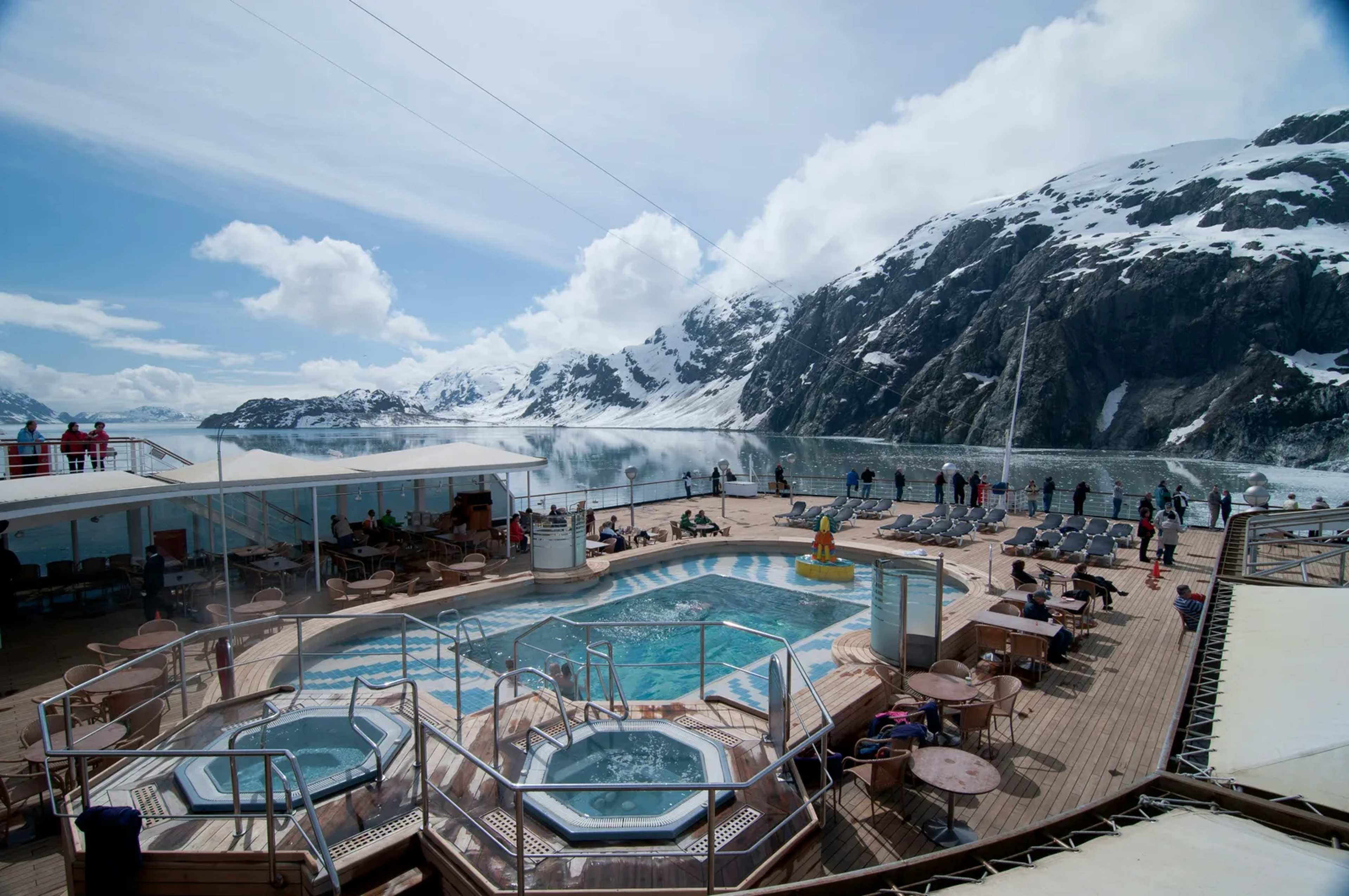
One of the most rewarding ways to experience the park involves boat excursions that approach the glaciers from the water. These trips move across lakes such as Grey Lake, where massive ice walls calve into the water with a low rumble. Passengers gain close views of the ice formations that remain hidden from most land-based trails.
The boat journeys typically last several hours and include narration about the glaciers’ retreat and the surrounding ecosystem. Travelers often report a sense of scale that hiking alone cannot provide, as the ice stretches for miles in every direction. Weather permitting, the trips offer chances to see wildlife such as condors soaring overhead or guanacos along the shore.
Operators schedule departures from points inside the park, and advance booking helps secure spots during peak seasons. The experience pairs well with clear days when reflections of the towers appear on the lake surface.
Seeking Out Secluded Viewpoints
Beyond the main trails, the park holds several lesser-visited miradors that reward those willing to explore further. These elevated spots provide sweeping panoramas of the glaciers and surrounding valleys without the crowds found at more popular lookouts. Reaching them often requires shorter side hikes or detours from established routes.
Local guides sometimes share knowledge of these locations, which offer quieter moments to observe the interplay of light on ice and rock. The views can feel especially striking at sunrise or sunset, when colors deepen across the landscape. Such vantage points highlight the park’s layered geology and the ongoing movement of the ice fields.
Practical Considerations for a Memorable Visit
Planning a trip to Torres del Paine benefits from attention to seasonal conditions and park regulations. The shoulder months of spring and fall often bring milder crowds and more stable weather for boat outings. Proper gear, including layers for wind and rain, remains essential given the variable climate.
Day hikes can complement the boat experiences by leading to additional viewpoints or along lakeshores. Many travelers combine these elements into multi-day itineraries that balance activity with time for reflection. Reservations for park entry and boat tours help ensure smooth logistics.
The park continues to draw attention for its conservation efforts, which aim to protect the glaciers and wildlife amid changing environmental conditions. Those who venture beyond the busiest paths often return with a stronger sense of the region’s fragile beauty.
These quieter glacier perspectives underscore why Torres del Paine remains a destination that rewards patience and curiosity.