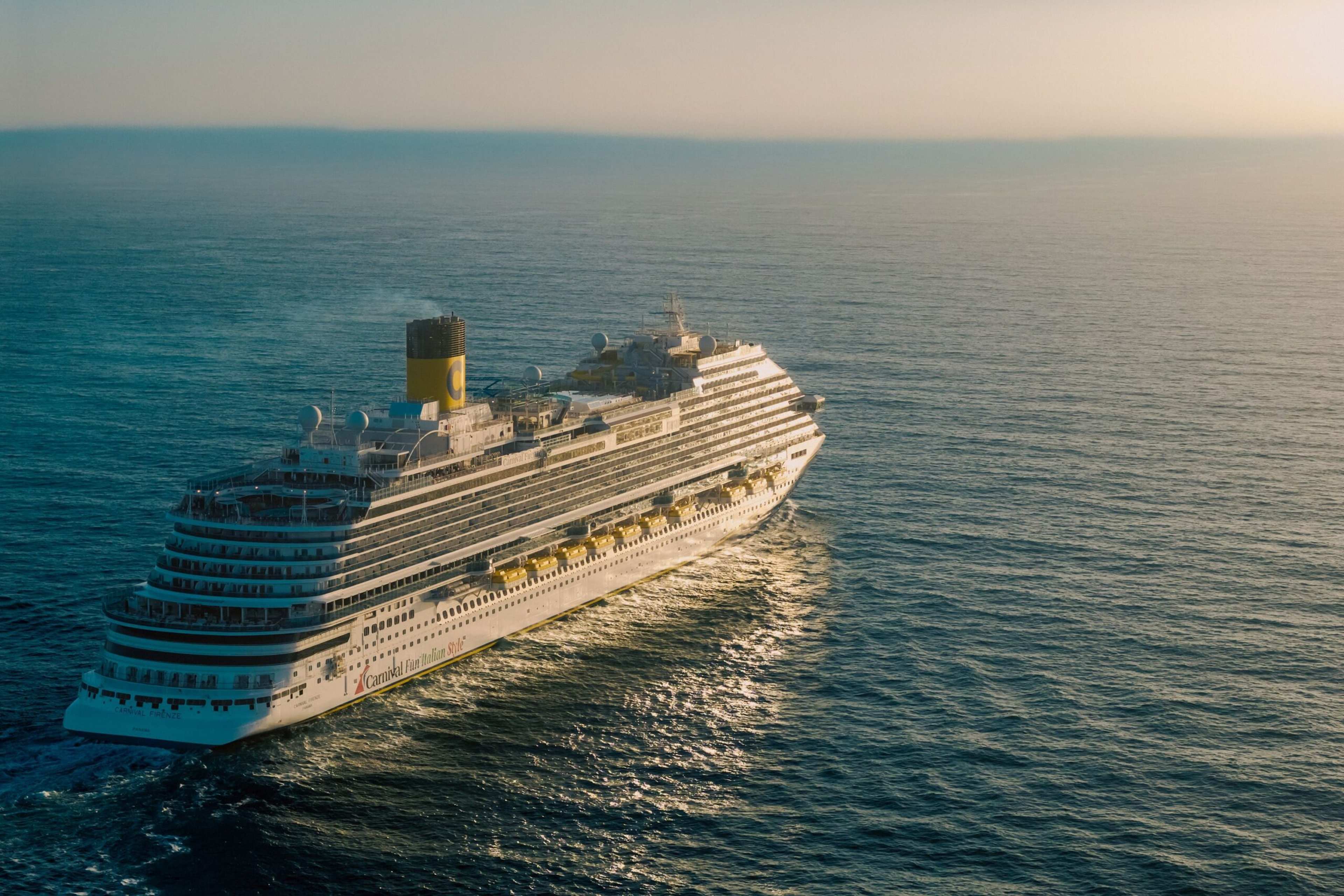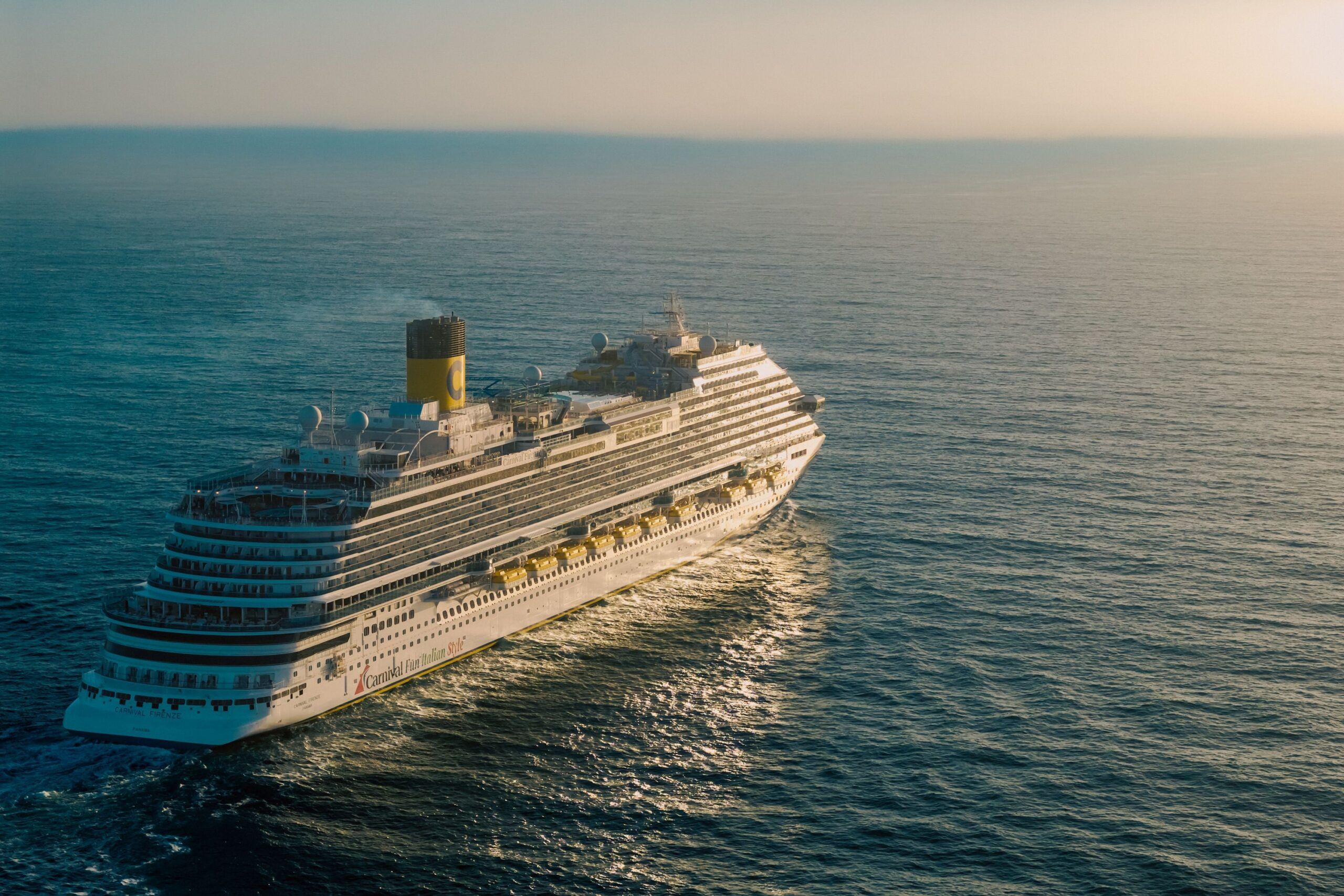
A residential cruise ship that had been sailing around the world continuously for more than two years has evicted passengers in Cambodia.[1] The operator blames the fallout from the Iran war, which made fuel too expensive to keep going. For a ship sold on the promise of never really coming home, the news landed hard.
The story is a small one next to the wider energy shock, but it shows how a distant conflict can reach ordinary lives. It also shows how thin the margins are for a floating community that burns fuel every day. Here’s what’s known so far, based on reporting from October 2026.
A Ship Built Around Never Going Home
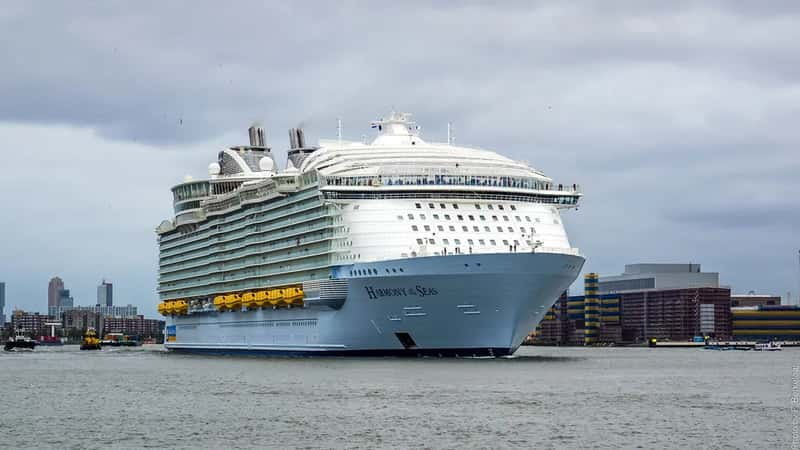
The Villa Vie Odyssey was sold as a home as much as a vessel. Residents could own or rent a fully furnished villa at sea, with all-inclusive dining and wellness, in a community of 650 residents.[2] The plan was a continuous loop of the planet rather than a string of short holidays.
On paper, the route was huge. The voyage was meant to be a three-and-a-half-year circumnavigation covering 1,301 days, 425 ports, 147 countries and all seven continents.[3] Lifetime residencies were advertised from $119,999.[4] Many residents didn’t just book a trip, they bought a cabin and made it their address.
A Rocky Start Before the Voyage Even Began
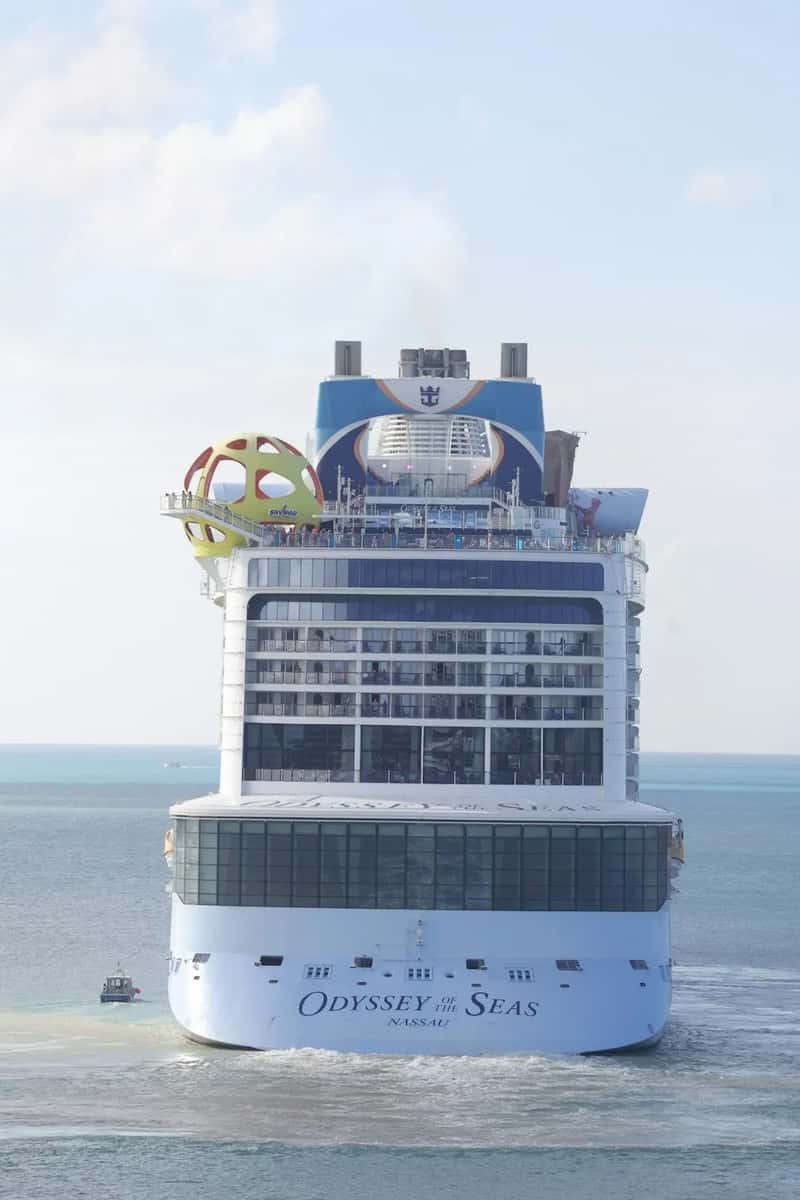
The Odyssey had trouble long before the war. Its original departure from Belfast was scheduled for May 30, 2024, but technical issues and certification delays prevented the ship from leaving as planned.[5] Passengers spent roughly four months waiting in Northern Ireland while repairs and inspections continued.[5]
The ship itself has a long history. The vessel was built in 1992 and last sailed as Braemar for Fred. Olsen Cruise Lines, and Villa Vie Residences bought it in December 2023.[3] On October 3, 2024, it finally departed Belfast and began its continuous voyage.[2] From then on, the ship kept moving for two years.
What Happened in Sihanoukville
According to the Associated Press, the ship docked at Sihanoukville, Cambodia, on October 23 for what was meant to be a five-day visit, with Vietnam next on the schedule.[6] Instead, the stop became the end of the line for now. The Florida-based operator announced on Tuesday that it was suspending operations in Cambodia and working to find temporary living arrangements for residents.[7]
The disruption was sudden for the people on board. The ship was carrying 203 passengers of 15 nationalities, mostly Americans, plus 156 crew, against a capacity of 650 residents.[6] One longtime resident, Holly Hennessy, said residents were given less than one day’s notice before they had to disembark, though the writing had been on the wall.[1]
The Numbers Behind the Fuel Bill
The company points to one figure above all. It says monthly fuel costs per cabin have risen from around $1,800 to as high as $8,000 in parts of Asia.[7] The AP put the estimated range at $6,000 to $8,000.[6] Either way, that’s a multiple of the old cost, not a modest bump.
Other outlets describe the same jump in relative terms. Reports citing the company put the increase at more than 300% since the conflict started in February.[6] Bloomberg reported that the company claims fuel has as much as quadrupled in price since the war began.[8] These are the operator’s own estimates, so they’re best read as the company’s account rather than an independent audit.
Why Asia Felt the Squeeze
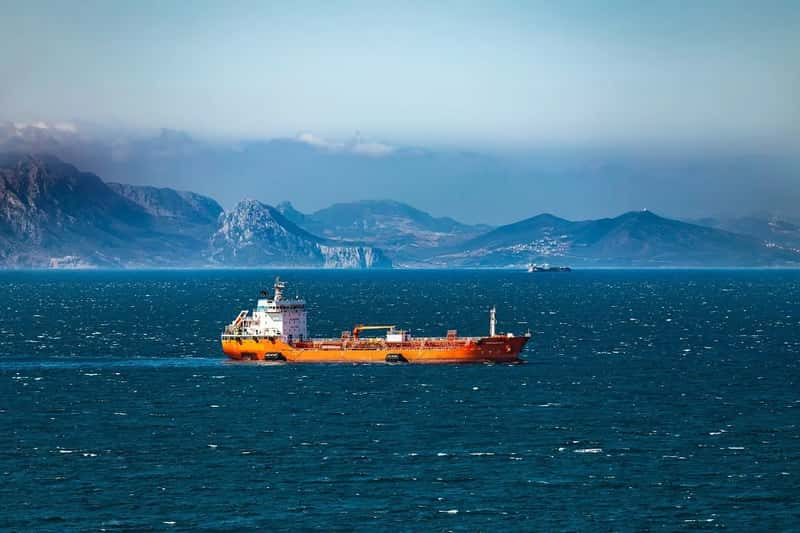
The Odyssey’s troubles trace back to a chokepoint thousands of miles away. The closure of the Strait of Hormuz, through which over 20% of the world’s oil trade passes, and attacks on energy infrastructure led to a large disruption in global oil supplies.[9] The International Energy Agency has characterized the situation as the largest supply disruption in the history of the global oil market.[10]
Asia was especially exposed. The region is a heavy importer of energy from the Middle East.[7] Marine fuel prices rose quickly, with very low sulphur fuel oil reaching €941 per tonne in Singapore, up 223% since the start of 2026, according to Transport & Environment.[11] That figure comes from earlier in the year, but it shows how steep the climb was in the region where the Odyssey was sailing.
Why Slowing Down Wasn’t Enough
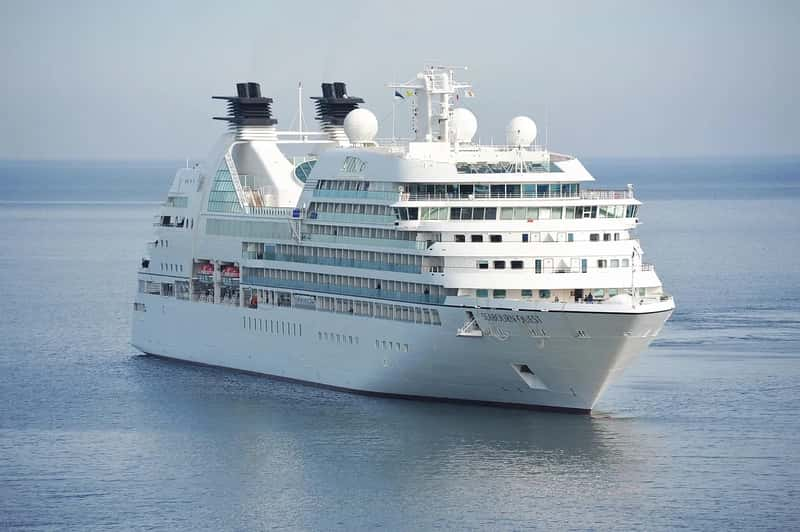
Villa Vie says it didn’t wait until the last minute to act. In a statement, it said it took significant steps to reduce fuel consumption, including slowing the itinerary and spending more time in port.[1] Those measures weren’t enough to offset the extraordinary increase, and the company said it couldn’t keep carrying the operating losses.[1]
Residents felt the strain in daily life, too. Hennessy said residents were asked to pay a fuel surcharge back in May.[1] She added that the ship had been cutting back on cooling to conserve energy.[12] The company said it can’t pass the mounting costs on to residents.[13]
A Wider Warning for the Cruise Industry
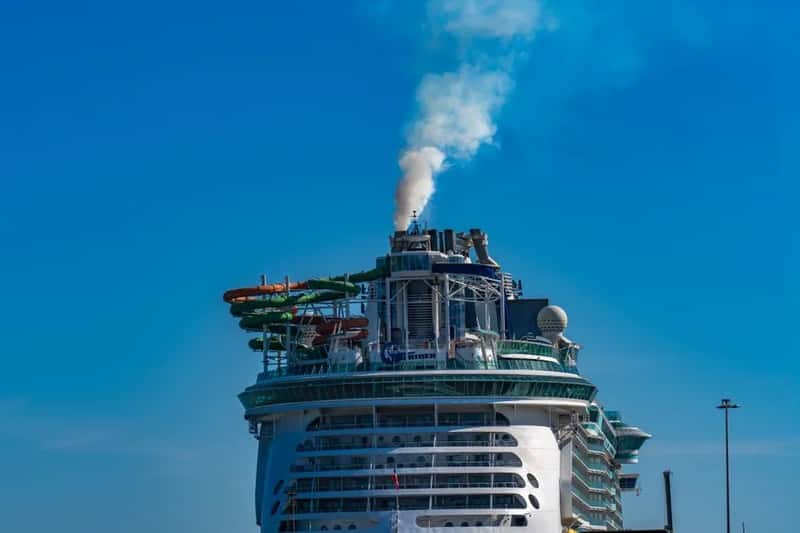
The Odyssey is a tiny operator, but fuel pressure reaches every cruise line. Big lines typically hedge by pre-buying a portion of their fuel, which helps avoid immediate price hikes, though a prolonged conflict could cut into profits.[14] A small residential ship that has to buy fuel at local prices in port has far less cushion.
Analysts have pointed to different exposure among the large companies. According to corporate filings, a 10% change in fuel cost per metric ton would reduce Carnival’s 2026 net income by $156 million, compared with $57 million for Royal Caribbean.[14] Passengers on mainstream cruises may see skipped ports, slower sailing, and shorter or closer-to-home trips.[14] Those are the same coping tactics Villa Vie tried.
Final Thoughts
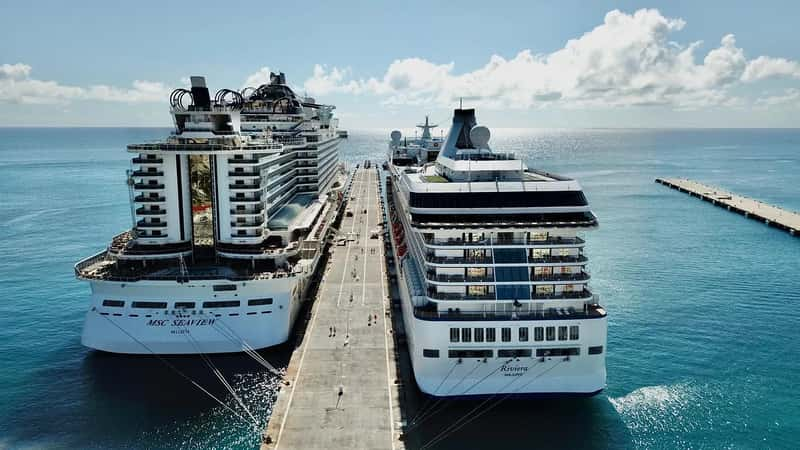
The Villa Vie Odyssey’s stop in Cambodia is a concrete example of the Iran war’s cost reaching far beyond the Gulf. A ship that survived a delayed launch and more than two years at sea was undone by a fuel bill. Its future now rests on a restructuring effort that its own operator says may not succeed.
For the residents, the loss goes beyond a holiday cut short. A home that moved with them has been docked and left uncertain. It’s a reminder that even the most freewheeling lifestyle still depends on someone paying for fuel.