Picture this: you’ve been dreaming about that perfect vacation for months. The flights are booked, the bags are packed, yet there’s this nagging doubt at the back of your mind. You’ve heard the warnings, seen the headlines, scrolled through alarming social media posts about the destination you’ve chosen. Should you cancel? Or are those fears overblown?
Right now in 2026, three countries in particular have travelers glued to their screens, frantically researching whether their trip is a brilliant adventure or a terrible mistake. The reality behind these destinations might surprise you. Let’s cut through the noise and get to the truth about what’s really happening on the ground.
Mexico: Beyond the Cartel Headlines
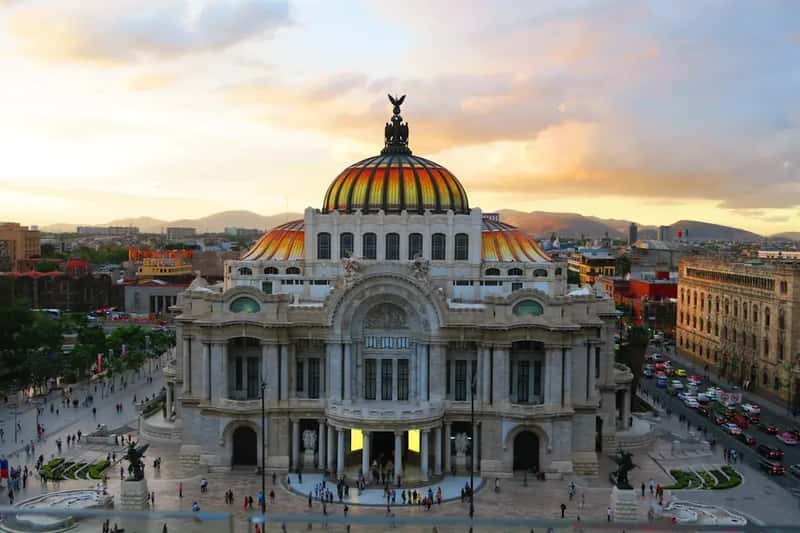
Mexico sits in a strange spot where perception and reality don’t always match up. The Philippines, Colombia, and Mexico rank as the three least safe countries globally in 2025 according to HelloSafe’s safety index, with Mexico scoring 78.42 points out of 100 due to high levels of violence within society. Yet here’s what the numbers don’t immediately tell you.
Level 2 advisories cover 18 of Mexico’s 32 states – the same alert level as France, Italy, and the United Kingdom – and roughly 99.9% of visits to tourist destinations occur without incident. Think about that for a moment. The majority of Mexico’s tourist zones operate at the same caution level as major European cities we wouldn’t think twice about visiting.
Still, I’d be dishonest if I didn’t mention the complications. In May 2025, increased security followed cartel threats targeting U.S. citizens in Cabo and Cancun, though resort zones remain heavily policed and widely considered safe. The areas that genuinely pose serious risks are well-documented. Six Mexican states including Colima, Guerrero where Acapulco is located, Michoacan, Sinaloa, Tamaulipas, and Zacatecas have received flat “do not travel” warnings from the State Department because of crime and kidnapping risks, while several more states with popular resort areas including Jalisco and Guanajuato have “reconsider travel” advisories.
The trick is knowing where to go and where to avoid. Resort destinations like the Riviera Maya have visible security infrastructure that most travelers never see working behind the scenes. Local crime rarely touches tourists who stick to established areas and use official transportation. That said, venturing into rural border regions or areas with known cartel activity is genuinely dangerous, not just overhyped fear mongering.
Egypt: Ancient Wonders With Modern Concerns

Egypt presents a fascinating contradiction for travelers in 2026. Tourism is booming again with Egypt welcoming a record 15.7 million visitors in 2024, signaling that travelers remain eager to experience the country’s unique blend of history, culture, and adventure. Those numbers suggest millions of people are visiting without catastrophic outcomes.
In July 2025, the U.S. State Department decreased Egypt’s advisory level to Level 2, which calls for exercising increased caution. That’s actually an improvement, not a deterioration. Most countries including the USA, UK, and EU members currently maintain a Level 2 or similar advisory for Egypt, which is not unusual and comparable to many other global destinations.
Let’s be real though – Egypt isn’t without legitimate risks. In March 2025, a tourist submarine operated by Sindbad Submarines sank off the coast of Hurghada resulting in six deaths, and in November 2024 a dive boat named Sea Story capsized off Marsa Alam leaving 11 people dead or missing. These aren’t petty crimes; they’re serious safety failures that demand attention.
Egypt is generally safest for tourists in well-traveled areas like Cairo, Luxor, and the Red Sea resorts, though it carries a medium risk due to terror risks, occasional unrest, strict local laws, and recent accidents. The Sinai Peninsula remains particularly problematic, and certain border regions are genuinely off-limits. Infrastructure issues like chaotic traffic and variable healthcare standards add complexity. Yet for travelers who stick to major tourist circuits with reputable operators, Egypt remains accessible.
Turkey: Geopolitical Tensions Meet Tourism Reality

Turkey’s position straddling Europe and Asia creates unique security dynamics that make travelers nervous. The country faces legitimate concerns that can’t be dismissed. Turkey offers rich history and diverse landscapes but safety conditions vary, with tourist areas in Istanbul, Antalya, and Cappadocia generally safe though petty crimes like pickpocketing and scams occur especially in crowded places, and travelers should remain vigilant as various active terrorist groups operate in the country.
Here’s where geography matters enormously. Regions near the Syrian border in the southeast carry higher risk due to ongoing conflicts, terrorism, and political instability. That southeastern border zone is a completely different security environment than the tourist circuits around Istanbul or the Mediterranean coast.
Demonstrations and political protests can occur unexpectedly in major cities sometimes leading to clashes, and visitors should stay informed about local conditions and avoid areas where unrest is likely. Civil unrest is unpredictable by nature. The protests that pop up in Taksim Square or other urban centers can escalate quickly, though they’re typically localized events rather than nationwide chaos.
The vast majority of Turkey’s tourism infrastructure operates in areas far removed from border conflicts. Millions visit Cappadocia’s fairy chimneys, Istanbul’s historic mosques, and Antalya’s beaches annually without incident. The key is maintaining awareness, avoiding politically charged demonstrations, and steering clear of the southeastern provinces where conflict genuinely impacts daily life. Turkey isn’t uniformly dangerous, but it demands more situational awareness than some easier destinations.
What The Data Really Tells Us
Looking at the broader picture, research from Europe-based risk analysis companies Safeture and Riskline concluded that the security situation has deteriorated in 77 countries around the globe, while International SOS didn’t lower the security risk rating for a single country in 2025 and intensified warnings for quite a few citing geopolitical tensions as the most prominent trigger. That’s the global context we’re traveling in right now.
Travel insurance quote requests increased at least 32% year over year in early 2025 with purchases of flexible protection options rising by more than 30%. Travelers aren’t necessarily avoiding trips – they’re protecting themselves better. Smart planning has become non-negotiable.
What really matters is understanding that country-wide warnings rarely apply uniformly to every region within that nation. A Level 3 advisory for one province doesn’t make beach resorts hundreds of miles away equally dangerous. The nuance gets lost in headline-driven panic. Mexico’s safest states are statistically safer than many American cities. Egypt’s Red Sea resorts operate with heavy security that most visitors never consciously notice. Turkey’s western coastal regions function nothing like its troubled southeastern borders.
Making Your Decision
So should you go? That depends entirely on where specifically you’re planning to visit within these countries and your personal risk tolerance. Blanket declarations that entire nations are “safe” or “unsafe” miss the point entirely.
Do your homework on the specific regions you’ll visit, not just the country name. Check current travel advisories, not outdated blog posts from 2022. Register with your embassy through programs like STEP. Purchase comprehensive travel insurance that includes medical evacuation. Use reputable tour operators and accommodations with established safety records. Avoid obvious risk zones that even locals wouldn’t venture into.
The uncomfortable truth is that travel in 2026 requires more research and preparation than it did a decade ago. That doesn’t mean these destinations are off-limits – it means informed decision-making matters more than ever. Millions of people are visiting Mexico, Egypt, and Turkey right now and returning home with incredible experiences and zero safety incidents. They’re the ones who did their homework, stayed aware of their surroundings, and made smart choices about where to go and when.
Will you take the leap? Have you visited any of these destinations recently and found the reality different from the headlines? The choice is ultimately yours, but at least now you have the facts beyond the fear.