Ask ten travelers whether Mexico is safe and you’ll likely get ten different answers, shaped less by data than by whichever headline they last scrolled past. Meanwhile, tens of millions of people book flights to Cancun, Los Cabos, and Mexico City every year without a second thought. The gap between the political noise coming out of Washington and the lived experience of ordinary tourists is wide enough to deserve a closer look.
The record-breaking numbers tourists don’t hear about
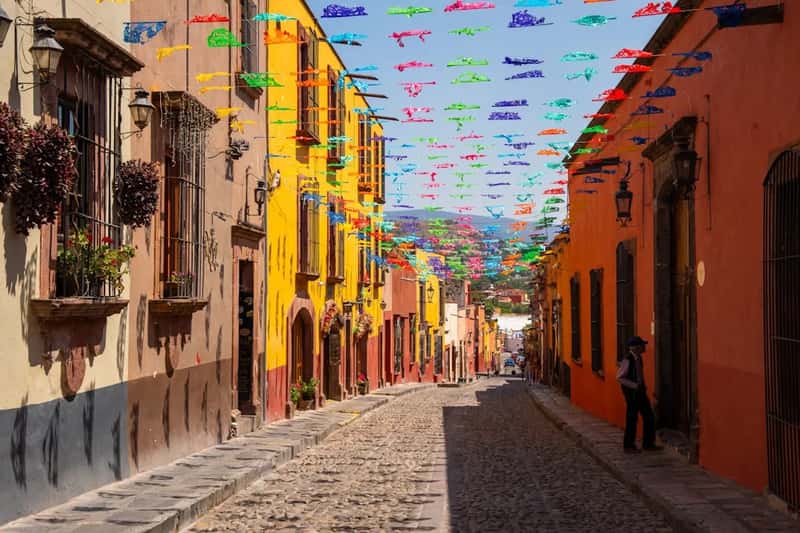
While cable news debates cartel violence, Mexico has quietly become one of the most visited countries on earth. Mexico, the sixth-most-visited country in the world, marked 2025 as a resounding success, with international tourism reaching 98.2 million, a 13.6 percent increase over the year prior.[1] That’s not a modest uptick. It’s the kind of growth that suggests a lot of people are voting with their wallets, regardless of what advisory levels say.
The momentum hasn’t slowed in 2026 either. Mexico logged a record 51.1 million international visitors in the first half of 2026, an increase of 7.7 percent compared with the same period in 2025.[2] Mexico has recovered beyond pre-pandemic levels and currently stands 6% above 2019 figures, while Canada and the United States have not yet reached their own 2019 visitor numbers.[3] If Mexico were truly becoming more dangerous for outsiders, it’s hard to square that with a tourism sector that keeps setting new records year after year.
What the State Department advisory actually says
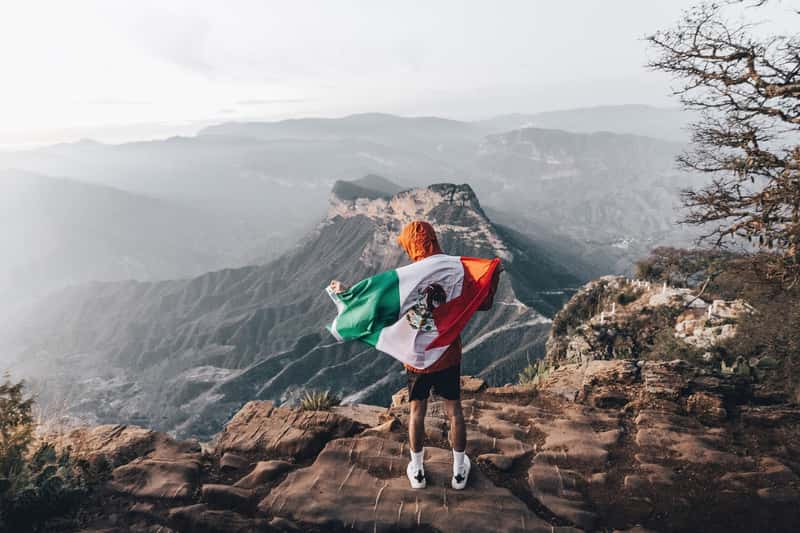
Much of the confusion starts with how the U.S. State Department advisory gets reported versus what it actually contains. At the national level the U.S. State Department lists Mexico at Level 2 (“Exercise Increased Caution”), but the country is unique in that the advisory is split state-by-state, with six states currently sitting at Level 4 (“Do Not Travel”) while popular tourist hubs like Yucatán and Campeche remain at Level 1.[4] That’s a crucial detail that rarely survives the trip from government website to social media post.
As of mid-2026, the six Level 4: Do Not Travel states are Colima, Guerrero, Michoacán, Sinaloa, Tamaulipas, and Zacatecas.[5] None of these are places where the average tourist ever sets foot. The reality is that most travelers who stick to established tourist destinations and use normal big-city precautions are fine.[6] Painting the entire country with the same brush ignores just how localized the actual risk is.
Why the resort corridors look so different from the headlines
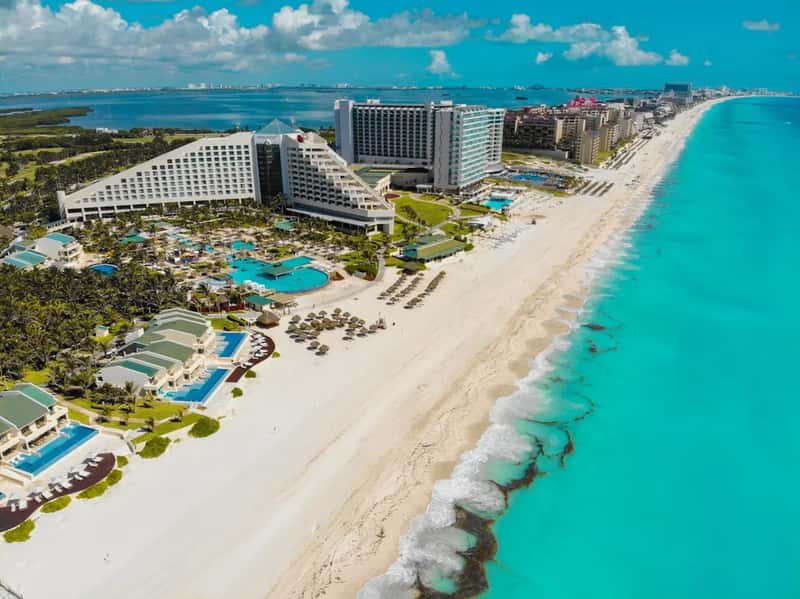
Quintana Roo, home to Cancun and the Riviera Maya, tells a very different story than the states dominating the news cycle. States with the highest tourism concentrations, namely Quintana Roo and Yucatan, consistently rank among Mexico’s safest states.[7] That’s not a coincidence. It reflects deliberate investment in protecting the areas that generate the most revenue.
The numbers back this up in a way that’s easy to overlook. SECTUR data suggests approximately 0.05% of international visitors, roughly 21,000 out of 42 million annually, report any crime incident, including minor theft, and violent crimes against tourists represent a tiny fraction of that already small percentage.[7] Beyond the statistics, there’s visible infrastructure behind those figures. Quintana Roo maintains a dedicated Tourist Police force of over 2,000 bilingual officers focused specifically on visitor safety, and reported crimes in Cancun’s Hotel Zone run at roughly one-third the rate of Cancun’s general residential areas.[7]
The political rhetoric that changed the conversation
Part of why “Is Mexico safe” has become such a loaded question traces back to a specific policy shift in Washington. On January 20, 2025, the president designated six Mexican cartels as Foreign Terrorist Organizations.[8] That single executive action reframed how cartel violence gets discussed in American media, even though the underlying activity on the ground hadn’t fundamentally changed overnight.
Experts have been quick to point out that the label doesn’t match the reality of how these groups actually operate. While those groups commit acts of violence and exploitation, experts say cartels are motivated by business interests instead of the political or ideological motives typically attributed to terrorist groups.[9] Foreign Affairs magazine put it even more directly, noting that the administration had declared, “The cartels are waging war in America, and it’s time for America to wage war on the cartels.”[10] That kind of language sells headlines. It doesn’t necessarily reflect what’s happening in a Cancun hotel lobby.
What terrorism designations actually change on the ground
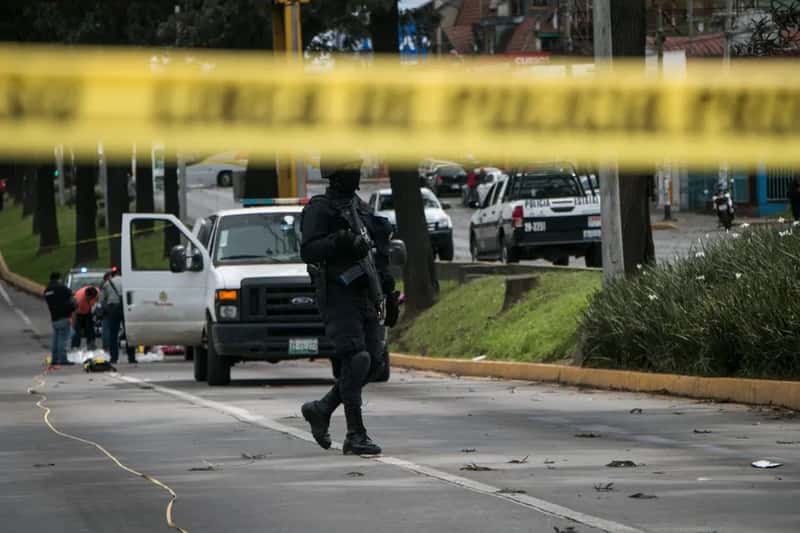
It’s worth asking what practical difference the FTO designation makes for someone booking a beach vacation. According to policy analysts who track this closely, the honest answer is: not much for ordinary travelers. The US already takes a lot of actions against these groups, surveilling them, sanctioning them, and prosecuting their members in court, so this decision will not change much in terms of the tools they have at their disposal.[9]
The bigger concern experts raise isn’t about tourist safety at all, it’s about diplomatic fallout. An FTO designation would harm U.S. businesses and relations with countries such as Mexico, pose a significant risk of government overreach, and offer little payoff in return.[11] Even inside the U.S. government, the idea faced resistance. Inside Trump’s Justice Department, the idea of designating drug cartels as terrorist groups had prompted broad pushback from career officials and from Trump political appointees.[12] That’s not the profile of a policy driven purely by hard security data.
The talk of military strikes and what it signals
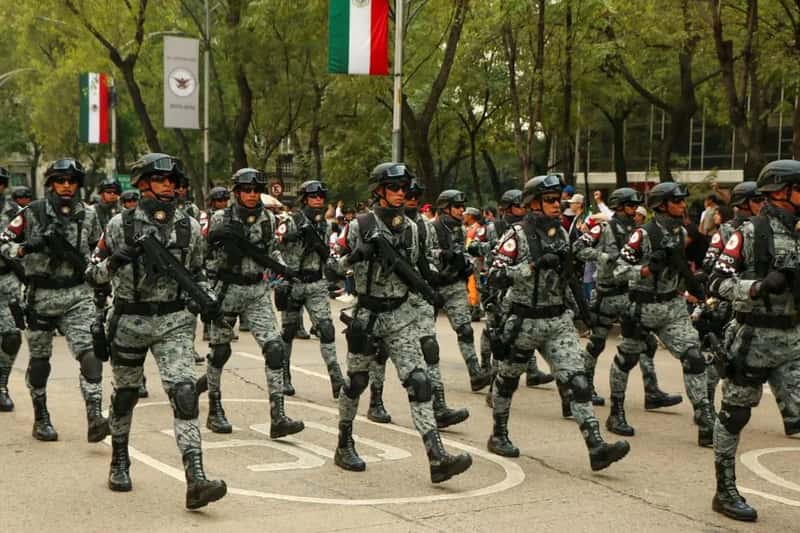
Beyond the terrorism label, there’s been recurring talk of direct U.S. military action inside Mexican territory, and that rhetoric alone shapes public perception. The terrorist designations have also renewed concerns that the US could carry out military operations on Mexican territory.[9] Whether or not such action ever materializes, the mere suggestion feeds a narrative of a country at war with itself.
The reality of troop deployments so far has been more modest than the rhetoric implies. Following the January 2025 designation, the United States deployed several active-duty Army and National Guard units, including a Stryker Brigade combat team and a general support aviation battalion, to combat illegal immigration and drug trafficking.[8] Border security operations and tourist zones in Cancun or Los Cabos exist in almost entirely separate worlds, even if news coverage sometimes blurs the two together.
How Mexican officials and analysts see the designation
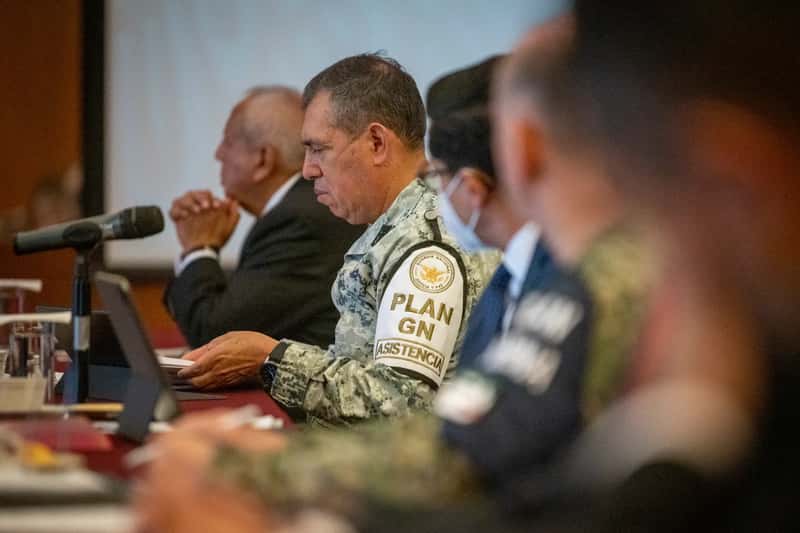
It’s worth hearing how the shift looks from the Mexican side, since that perspective rarely makes it into American coverage. One security analyst interviewed on the topic noted that “Mexico has the tools and the potential to deal with these criminal organizations, and cooperation is evident, yielding extraordinary results.”[13] That’s a notably different tone than the “war” framing common in U.S. political speeches.
The same analysis suggested the designation hasn’t reshaped daily life or public sentiment the way headlines might suggest. Since the designation as foreign terrorist organizations, there hasn’t been a drastic or overtly violent reaction, but rather a shift toward strategic adaptation.[13] In other words, the cartels adjusted their operations. They didn’t suddenly start targeting tourist infrastructure in response to a Washington press release.