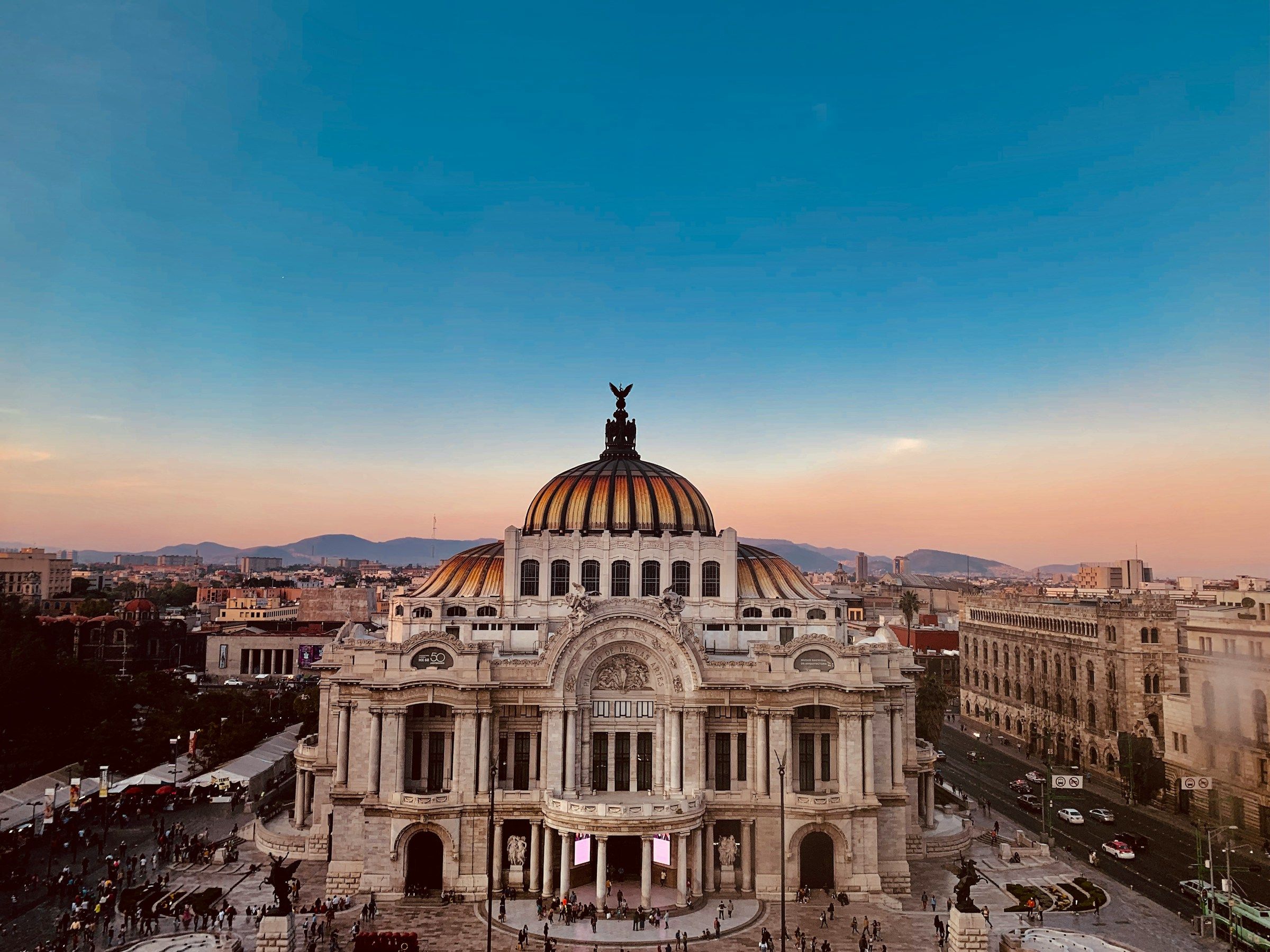
Mexico City has spent the last few years riding two very different headlines at once. On one side, it keeps landing on “best places to live and work remotely” lists, praised for its food, culture, and low cost of living. On the other, stories about cartel violence, gentrification protests, and travel advisories keep circulating online, often without much nuance about what actually applies to someone renting an apartment in Roma Norte versus someone driving through a cartel corridor in the north of the country.
That gap between perception and neighborhood-level reality is exactly what anyone considering a move to CDMX in 2026 needs to understand. The numbers tell a more layered story than either the glowing Instagram reels or the alarming news clips suggest.
What the numbers actually say about Mexico City’s safety
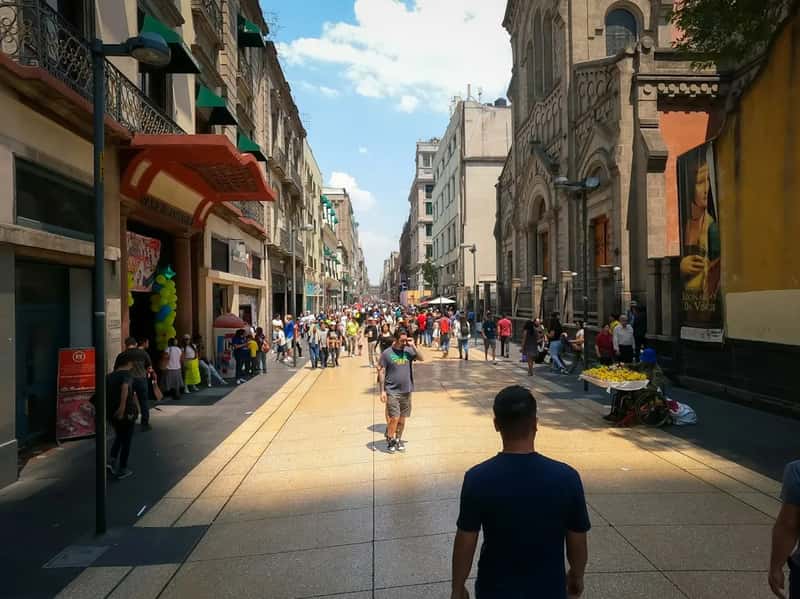
Mexico City’s murder rate sits at a level that surprises a lot of people who assume the capital shares the same risk profile as the country’s most violent regions. CDMX’s murder rate is 7.9 per 100,000 city-wide, lower than most Mexican states and comparable to some US cities.[1] That single figure does a lot of work in separating the capital from the states that dominate cartel-related headlines.
Nationally, the trend has also been moving in a favorable direction. The capital, Mexico City, has experienced a decreasing trend in crime incidence, with a notable decrease from 2018 to 2022, though the crime rate remains high.[2] Meanwhile, the cities that actually top Mexico’s internal crime rankings, places like Tijuana, sit far from the neighborhoods where most remote workers spend their time.
The neighborhoods where digital nomads actually live
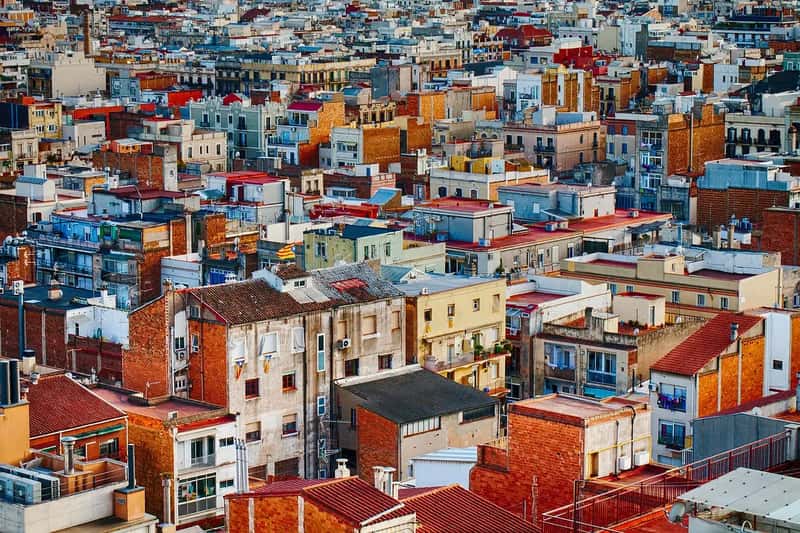
Almost nobody moving to Mexico City for remote work ends up scattered randomly across its 22 million-person metro sprawl. They cluster in a handful of areas, and that clustering matters for safety. The areas most nomads frequent, specifically Roma, Condesa, Juárez, and Polanco, have a strong visible street presence and are generally low-risk for the kinds of crime that affect daily life.[3]
Widen the lens slightly and the pattern holds. Mexico City’s Roma, Condesa, Polanco, and Coyoacán neighborhoods have low violent crime rates, though petty theft and bag snatching occur in crowded areas.[4] That said, safety in a city this size is never uniform. Safety in Mexico City depends on the neighborhoods, and most digital nomads tend to flock to Roma and Condesa, staying away from other areas because of safety concerns.[5]
Petty theft is the everyday risk, not violence
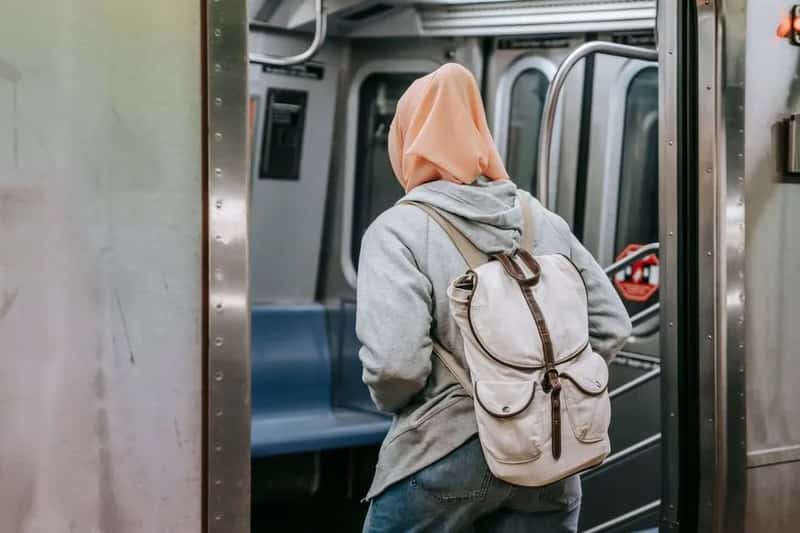
Ask longtime residents what actually worries them day to day, and the answer is rarely violent crime. It is usually something smaller and more mundane: a phone disappearing from a pocket on a crowded metro car. The places in Mexico City considered least safe are the metro and public buses, and as with most big cities, metro pickpockets are a problem in CDMX.[6]
Ride-hailing and street scams round out the list of common annoyances. In Roma, Condesa, and Polanco, the main daily risks are phone snatching and taxi scams, not violent crime.[1] Basic habits help enormously here. High-value electronics and jewelry should not be displayed in public transit areas or busy markets, and when walking in crowded zones it is recommended to keep bags in front of the body and remain alert for pickpockets.[7]
The anti-gentrification backlash nobody warned you about
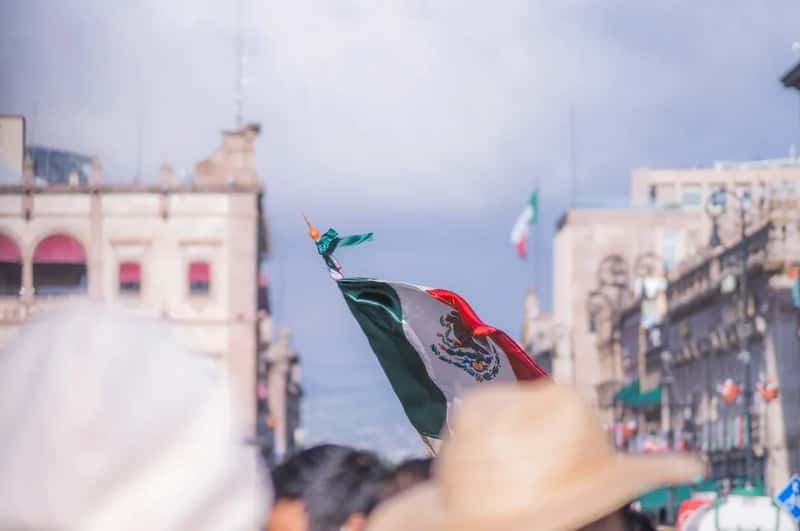
A newer kind of risk emerged over the past year, and it has less to do with crime statistics than with public sentiment. In July 2025, frustration over rising rents boiled into the streets of Roma Norte and Condesa. The first protests against gentrification in Mexico City left graffiti on the walls of Roma Norte with messages including “Kill Gringos” and “Out with the colonizers.”[8]
The unrest was not purely symbolic. A demonstration against gentrification in the Mexican capital turned violent, with businesses including a Starbucks coffee shop vandalized.[9] President Claudia Sheinbaum weighed in directly, and she said that the protest was marked by xenophobia, adding that no one should be able to say any nationality should get out of the country, even over a legitimate problem like gentrification.[10] City hall responded with policy rather than just rhetoric: Mayor Clara Brugada called gentrification one of the most important issues in the city today and said authorities would create legal instruments to enforce a rule that landlords cannot increase rents by more than inflation.[9] For nomads, this means the social climate in trendy neighborhoods has shifted, even if the physical danger from these specific protests has stayed limited and localized.
Mexico’s national homicide crackdown and its ripple effect on CDMX
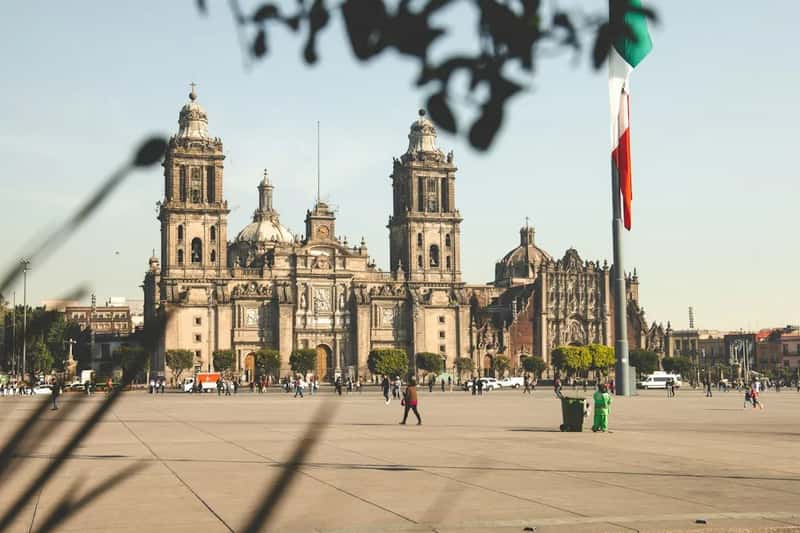
The broader national picture has genuinely improved, and that context matters when weighing Mexico City’s risk profile. Mexico’s government reported a daily average of 47.3 homicides in May 2026, the lowest monthly figure since President Claudia Sheinbaum took office in October 2024 and the lowest number for May in 11 years.[12]
Sheinbaum has pointed to this drop as a signature result of her administration’s security strategy. She noted a nearly fifty percent reduction in homicides, comparing the rate in May 2026 to September 2024, effectively cutting the national homicide count in half over that period.[12] A capital city does not exist in isolation from national trends like this. Lower homicide counts nationwide generally correlate with calmer conditions in a city that was already comparatively low risk to begin with.
Common scams targeting foreigners and how to avoid them

Beyond pickpocketing, a specific category of low-level fraud tends to target newcomers who do not yet know the local norms. Unlicensed taxis quoting inflated fares, fake “official” currency exchange booths, and overly friendly strangers offering unsolicited help are the classics that show up in almost every nomad forum thread about Mexico City. None of these rise to the level of violent crime, but they can be costly and unsettling for someone new to the city.
Simple precautions go a long way toward avoiding them. Sharing a live location with a trusted contact when going somewhere new, especially in less-familiar neighborhoods, is a habit many experienced nomads recommend.[4] Carrying comprehensive coverage also matters, since travel insurance that includes theft, medical emergencies, and emergency evacuation from providers like SafetyWing, World Nomads, and Genki is popular in the nomad community.[4] Sticking to app-based ride services rather than hailing cars off the street remains one of the simplest ways to sidestep the taxi scam problem entirely.
Housing, gated buildings, and the unglamorous basics
Where you live shapes your daily risk exposure more than almost any other single decision. Choosing a residence with 24-hour security or a gated entry is a common strategy for peace of mind among foreign residents.[7] This is not paranoia so much as standard practice in a city where building security varies enormously block by block.
A few practical realities are easy to overlook before arrival. Tap water is not safe to drink directly, which is standard across Mexico, and most apartments and coliving spaces provide a garrafón, a large purified water jug that can be refilled or swapped cheaply.[3] Rental costs are also becoming more regulated following the gentrification backlash, with the city government moving toward capping increases at the rate of inflation rather than letting landlords set arbitrary hikes for short-term foreign tenants.
How Mexico City stacks up against other nomad hotspots
Context helps here too, because “safe” is always relative to something. Within Mexico’s own internal rankings, the peak crime index value in the country is recorded in Tijuana, at 71.5[13], a figure well above anything associated with Mexico City’s central nomad neighborhoods. Compare that to a major US city like Memphis, which records the highest crime index in North America at 78.5[13], and Mexico City’s numbers start to look considerably less alarming by comparison.
Community sentiment backs this up in a less clinical way. Mexico City ranks among the top digital nomad destinations on Nomad List in 2026, with roughly nine out of ten reviewers saying they like the city.[1] The one genuine friction point that surveys consistently flag is language, since Nomads.com rates CDMX’s English proficiency as “Bad,”[1] which affects daily convenience far more than it affects personal safety.