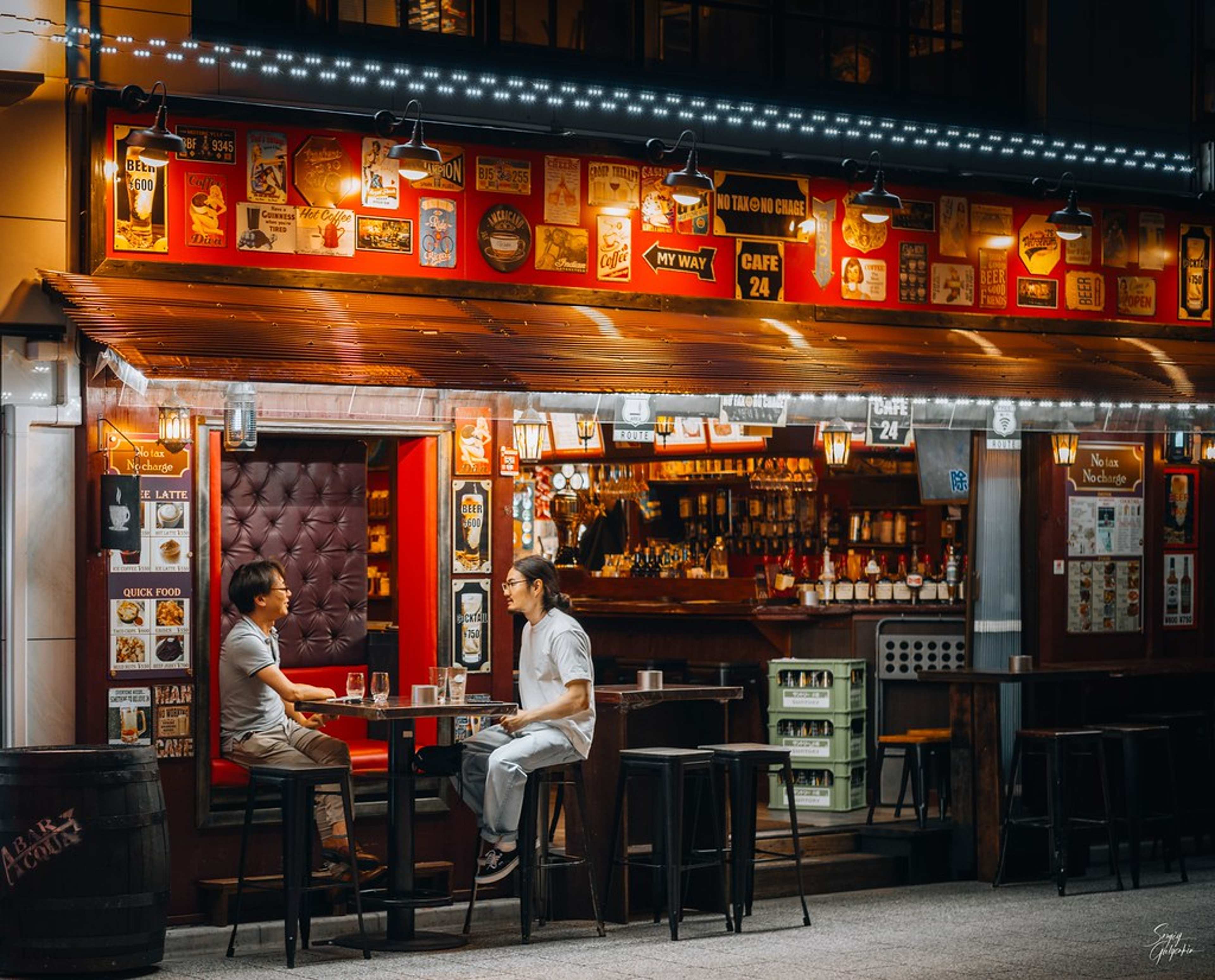
You reach into your wallet, pull out a few extra bills, and leave them on the table with a smile. Generous, right? Well, in some parts of the world, that polite little gesture you’ve been proud of your entire life is actually about as welcome as showing up to a formal dinner in flip flops. What feels like warmth and appreciation in one culture can read as an insult, an act of pity, or a sign that you think someone isn’t paid enough.
Tipping culture is deeply tied to how countries structure wages, worker dignity, and the very idea of service itself. The global picture is messy and fascinating. So if you’re packing your bags anytime soon, you might want to read this before you leave that extra cash on the table. Let’s dive in.
1. Japan: Where Tipping Can Get You Chased Down the Street

Here’s something that still surprises people every time they visit: if you leave extra money at a restaurant in Japan, there’s a real chance a server will run after you to return it. Tipping has never been part of Japanese culture, and while many Japanese people understand tipping intellectually, some will be confused or even insulted if you choose to tip them. It’s not rudeness on their part. It’s actually the opposite.
Tipping is widely considered rude or unnecessary in Japan because cultural norms, service structure, and historical expectations frame excellent service as the standard rather than an extra reward. Japanese service ethos, known as “omotenashi,” treats hospitality as a professional, prideful practice. Staff view providing attentive, anticipatory service as their job, and offering extra money can imply the service wasn’t adequate unless paid for.
Like many other countries in East Asia, Japanese people see tipping as insulting. The “Tip Project,” a plan to normalize tipping in Japan in 2021, was met with severe backlash from locals who deemed the practice “un-Japanese,” and the project was abandoned in early 2023. Honestly, that says everything. There was a formal, organized effort to introduce tipping and the country rejected it collectively.
Japanese labor law explicitly prohibits “wage supplementation” through customer gratuities. Tips are considered gifts, not income, and cannot be counted toward minimum wage compliance. So the system is literally built to not need tips. Think about that next time you reach for your wallet in Tokyo.
2. South Korea: Seven Out of Ten Locals Call It “Unacceptable”

South Korea does not just discourage tipping. There are actual laws around it. Under Korean law, tipping isn’t just uncommon – it’s heavily regulated. A 2013 revision to the Food Sanitation Act introduced a “final price display” system, mandating that all restaurant menu prices include taxes and service charges. The goal was to eliminate hidden fees and prevent tipping from becoming an expected norm.
Over seven out of ten Koreans view tipping as “unacceptable,” according to a recent survey with 12,106 people by SK Communications. That is not a small margin. That is an overwhelming cultural consensus. Tipping is sometimes viewed as insulting in South Korea, as it implies the worker is in need of charity from the customer, which is almost always not the case.
A growing number of restaurants and cafes in Korea are experimenting with tip boxes, kiosk add-ons and service-related donations – and many consumers are not happy about it. On July 26, 2025, a restaurant in Seoul’s Yeouido District sparked debate after placing a container for tips at its checkout counter. The photo went viral, and the reaction from locals was fierce. Koreans feel that it’s the employer’s responsibility, not the customer’s, to pay their workers fairly. With the recent major improvement of the national minimum wages, many people think that restaurant workers are already quite well covered.
3. China: A Legacy of “Saving Face” That Turns Tips Into an Embarrassment

China’s relationship with tipping is rooted in something deeper than wage structures. It’s about social dignity. The concept of “saving face” is deeply ingrained in Chinese society and refers to the feeling of embarrassment or loss of social status due to a perceived failure or mistake. Tipping can be seen as implying that the server needs a handout because they are not earning a sufficient wage or that the employer is not paying them enough.
Once viewed as a capitalist practice, tipping still carries that stigma in China today. It’s generally unnecessary in most places, except luxury hotels catering to Western tourists. The cultural evolution is worth noting though. According to the BBC, tipping in China was once considered rude, but it has become more acceptable as more Western tourists have visited. However, there’s still no expectation of tipping when visiting mainland China.
In mainland China, tipping isn’t standard, especially outside major hotels or international chains. If you try tipping at a small restaurant or in a cab, you might get a puzzled stare – or the money handed right back to you. It’s not malice. It’s just a completely different cultural language around money and service.
4. Denmark: Where the Law Takes Care of It Before You Even Sit Down

Danish law requires that all service charges and mandatory gratuities be included in the listed price, whether on a restaurant menu or in a taxicab, according to the Visit Nordic blog. There’s nothing left to calculate. The tip is already in the price before you order. Full stop.
This isn’t just a quirky national preference. It’s a reflection of an entire social model. Service workers aren’t dependent on tips like servers in the United States are. They’re all paid a living wage and receive benefits, including maternity and paternity leave, childcare, disability coverage and paid vacation – one reason Denmark is regularly ranked one of the world’s happiest countries.
Danish culture emphasizes equality, and that includes how people are paid. Restaurant and hospitality staff are paid fair wages, and service charges are typically included in the bill. Leave extra money, and they’ll probably just think you’re… American. I mean, that last part is meant light-heartedly, but it does highlight just how ingrained no-tipping is in Danish everyday life.
5. Switzerland: Federal Law Makes Extra Gratuity Completely Redundant

Switzerland is one of those places where the system is simply designed differently from the ground up. Federal laws in Switzerland mandate that all service charges be included in published prices, so you don’t need to tip extra at nail salons, spas or anywhere else for that matter. It’s not a social norm. It’s written into law.
Unlike in the U.S. or other countries where tipping is customary to supplement wages, Swiss workers are well-compensated. Tipping is considered a gesture of appreciation rather than an expectation. Service charges of around 15% are legally required and already included in bills for restaurants, hotels, and other services.
In Switzerland, service charges are included in the listed price, so tipping isn’t expected. With a high standard of living and strong worker rights, employees are well-compensated. Adding a tip to the bill is generally seen as unnecessary. You can round up if you genuinely loved the experience, and no one will mind. But leaving a large American-style tip? That might actually raise eyebrows more than impress anyone.
6. Iceland: A Nation That Simply Doesn’t Think About It

Iceland keeps things wonderfully straightforward. Tipping in Iceland is not a common practice. Icelanders receive fair wages, and service charges are often included in bills. While tipping is not expected, it’s still appreciated. If you want to show your appreciation for good service, you can round up the bill or leave some change, but it’s not a significant part of the culture.
There’s something almost refreshing about Iceland’s approach. No awkward calculations. No guilt. No scanning the room to see what the table next to you is leaving. In Iceland, tipping is not customary and can make locals uncomfortable. The service culture here runs on professional pride, not the promise of extra cash.
In Iceland, tipping is not a common practice. The service charge is included in the bill, and rounding up for exceptional service is appreciated but not necessary. Think of it like this: in Iceland, good service is simply the baseline expectation. Tipping for it would be a bit like tipping someone for showing up on time to a meeting you scheduled.
7. Australia: High Wages, Relaxed Culture, Zero Expectations

Australia is an interesting case because it sits in a fascinating middle ground. Tipping won’t get you chased down the street, but it’s genuinely not expected, and service workers don’t depend on it in any financial sense. Tipping is not expected or required in Australia. The minimum wage in Australia is reviewed yearly, and as of 2025, it was set at A$24.95 per hour, and this is fairly standard across all types of venues.
Similar to New Zealand, tipping in Australia isn’t expected. Wages are high, and service staff don’t rely on tips to survive. Leaving money might even feel awkward for them, especially in local joints. It’s the cultural equivalent of pressing a gift on someone who really didn’t need or want anything. Uncomfortable for everyone.
Casinos in Australia – and some other places – generally prohibit tipping of gaming staff, as it is considered bribery. That’s a telling detail. In countries where the wage system is solid and fair, the line between a tip and an inappropriate payment blurs fast. The whole tipping expectation as Americans know it simply doesn’t translate here. It’s not your fault if you didn’t know. But now you do.
A Final Thought Worth Carrying in Your Passport

What ties all seven of these countries together is something genuinely worth thinking about: when workers are paid fairly from the start, tipping stops being a kindness and starts being a statement about inequality. In those cultures, your extra dollar or euro or yen can come across as charity, condescension, or plain confusion – none of which you intended.
It’s a bit like handing a surgeon a $5 bill after a successful operation and saying “great job, buy yourself a coffee.” The professional pride behind excellent service in Japan, South Korea, Iceland and elsewhere doesn’t need your tip to feel validated. It already has something arguably better: a wage structure that respects the work.
The bigger question might not be about where you should or shouldn’t tip at all. A 2023 Pew Research Center survey of nearly 12,000 U.S. adults found that nearly three-quarters said they were being asked to tip more frequently than five years ago, while only one-third found it easy to know when or how much to tip. Most consumers opposed practices like automatic service charges or suggested gratuity amounts on digital screens, which experts say are signs of growing “tip fatigue.” Maybe the countries without tipping culture are onto something the rest of us haven’t figured out yet. What do you think – is it time to rethink how we pay for good service? Drop your thoughts in the comments.