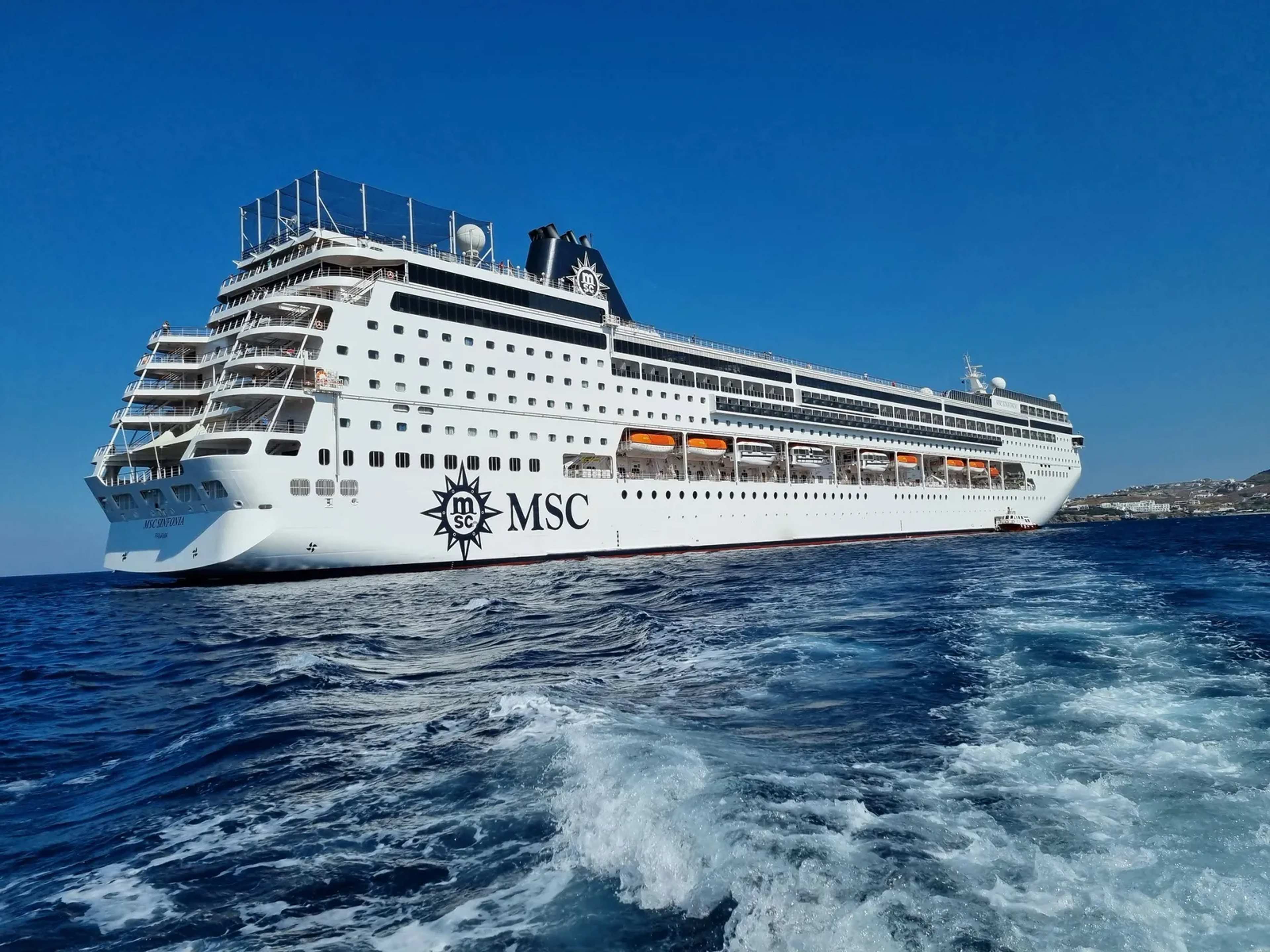

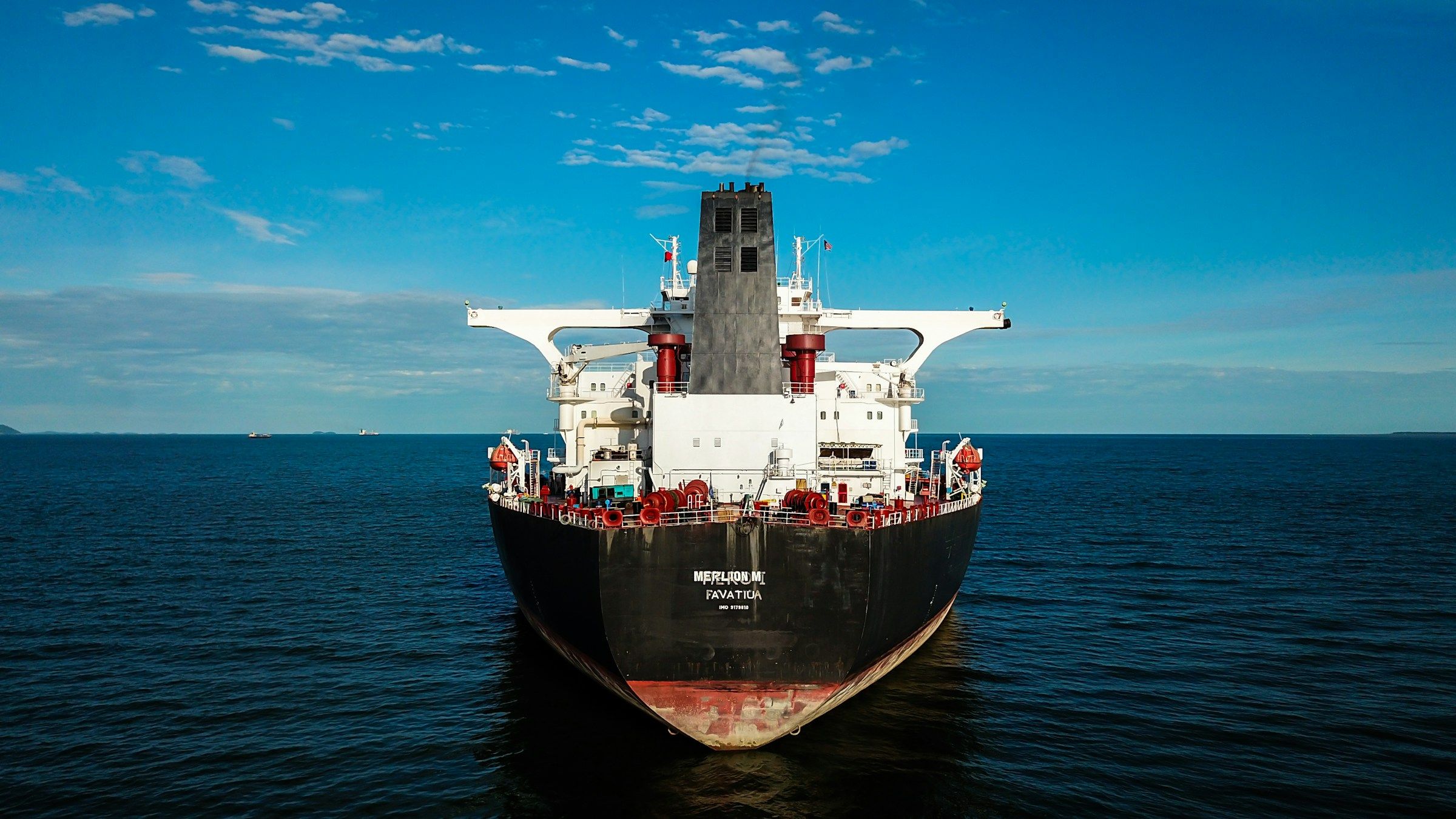
Imagine crossing an ocean without a single boarding announcement or a seatback screen. You’d sleep in a small cabin on a working ship and watch containers, cars or supplies stacked around you. For a niche group of travelers, that was the appeal of freighter travel, and it was often described as a cost-saving way to go around the world.
Then Covid arrived. Right up until the pandemic, about half a dozen major players were still booking passengers on cargo ships bound for remote ports, and most of those operators are now out of business.[1] This article looks at what that world looked like, why it shrank, and what’s still afloat in 2026.
A Tradition Far Older Than Mass Tourism
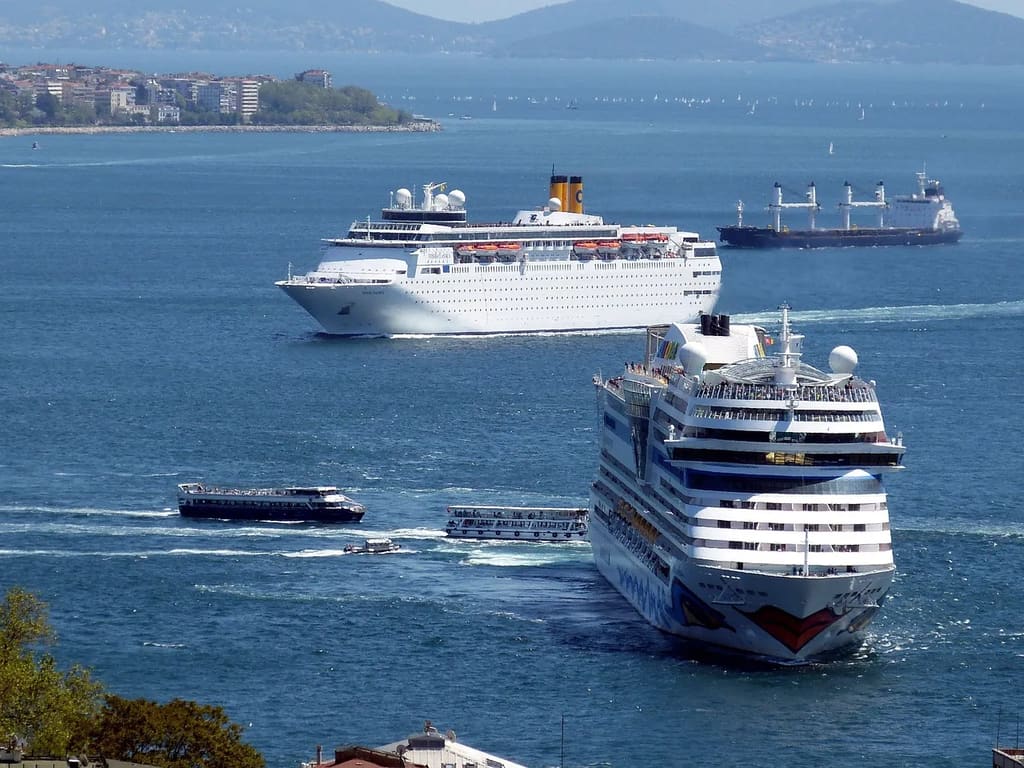
Cargo ships have carried paying travelers for a very long time. Freighter tourism has been a niche but enduring industry for centuries, and its golden age of tramp steamers and banana boats came in the first half of the 20th century.[1] Long before budget airlines, hopping aboard a merchant vessel was simply one way to get somewhere.
The idea never completely disappeared as air travel took over. For devoted fans, it offered a way to reach off-the-grid destinations untouched by mass tourism and to experience the romance of life on a working vessel.[2] That blend of adventure and thrift kept a small but loyal following going for generations.
What Life Aboard a Working Ship Looked Like
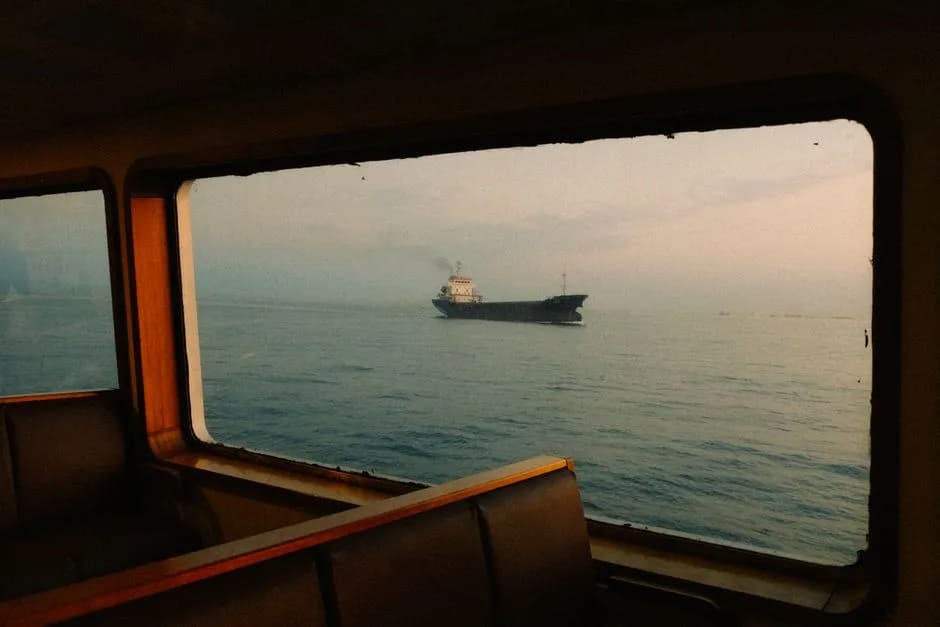
Freighter travel was never a floating resort. Cargo vessels are limited in how many passengers they can carry, and one long-running specialist agency notes that these ships are limited to a maximum of twelve passengers each.[3] That means cabins are few and the atmosphere is closer to a guesthouse than a cruise liner.
Newer examples give a sense of the style. The Neoliner Origin, for instance, offers six passenger cabins, a library with books and a piano, and a mess where guests can dine alone or mix with crew members.[4] There are no casinos or shows. The entertainment is the ocean, the ports and the people you share the voyage with.
How Big the Pre-Pandemic Trade Really Was
It was small, but not trivial. One New Zealand freighter agent told The Spinoff that before the pandemic, freighters took an average of 4,000 passengers per year, and 29 of them booked through his agency in 2019.[5] Those numbers show a trade that was spread across many tiny agents and operators.
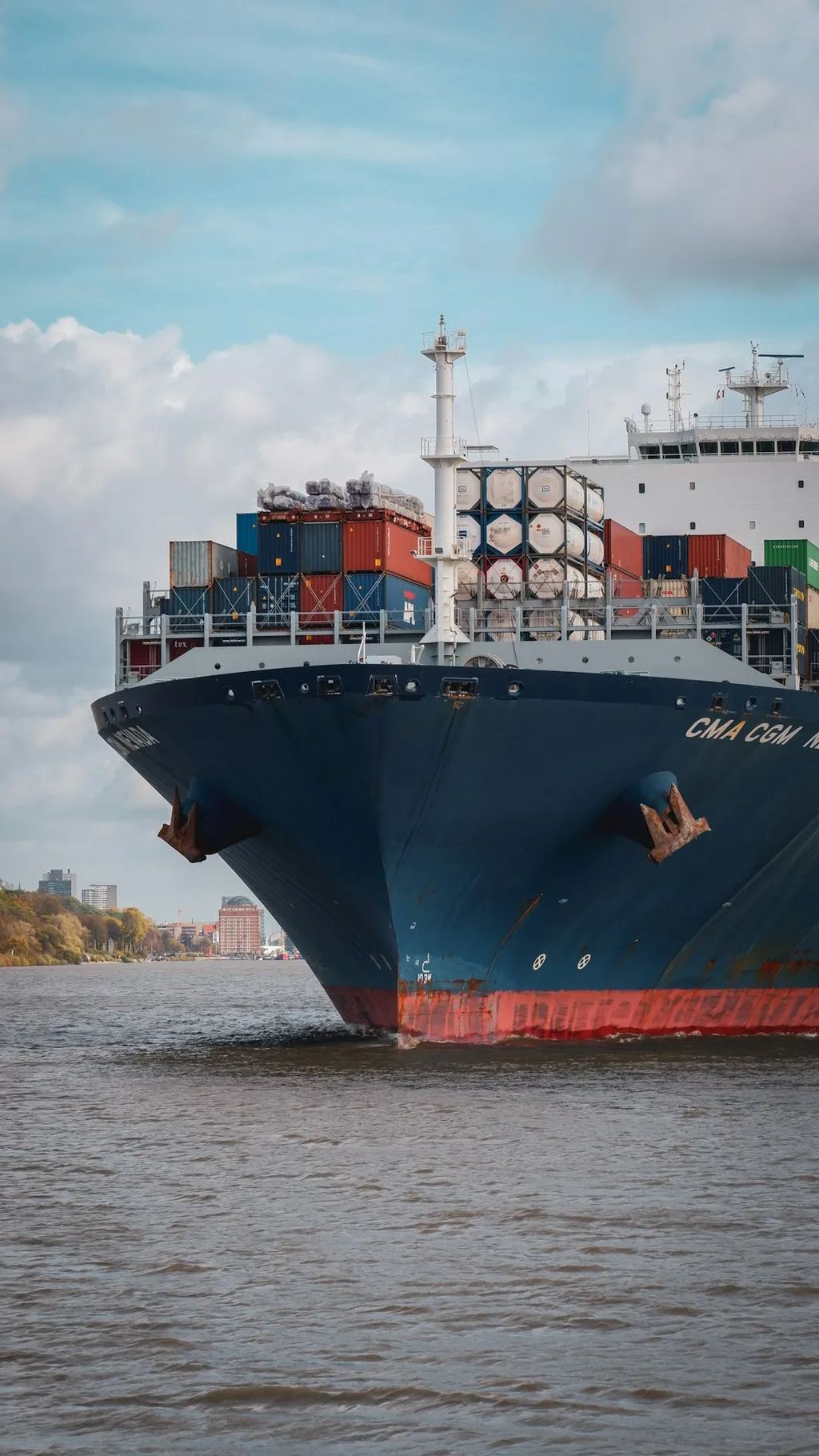
Older industry material points the same way. A specialist agency reported that CMA CGM carried 874 passengers during 2013,[3] and at one point described about 300 passenger-carrying cargo ships trading on world routes.[3] Those are dated figures, so they’re best read as a picture of the scale rather than a current count.
How Covid Closed the Gangway
When the pandemic hit, shipping companies faced chaos of their own. It sank the bottom lines of most of them, and hastily arranged quarantine laws often left merchants waiting offshore while cargo, crew and profits wasted away.[5] Taking guests along suddenly looked like an extra risk.
Maersk, once a name travelers could book with, now makes its position clear. A spokesperson said that carrying non-crew personnel requires additional safety procedures and operational support,[6] and that passenger travel is not a service the company provides.[6] The reporting describes giant lines like Maersk offering paying travelers a way to explore the world less than a decade ago.[6]
Why Operators Didn’t Return When Restrictions Eased
You might expect the trade to bounce back as borders reopened, much like the rest of tourism. In fact, international tourism recovered strongly: international arrivals climbed back to 1,468 million in 2024, almost exactly matching the 2019 record.[7] Freighter travel simply didn’t follow the same curve.
One reason is basic economics. The New Zealand agent explained that for merchants, the money made by taking passengers was negligible.[5] By his estimate, he couldn’t promise more than roughly 1 to 1.5 million euros a year in income, which shipping companies make in a week.[5] That’s one agent’s view, but it helps explain why shipping lines had little reason to restart.
Piracy, Warfare and Rougher Seas
Security has become another hurdle. CNN reports that Covid-era health and safety issues ended many operators, combined with enhanced onboard security at a time when warfare and piracy are making the seas increasingly dangerous.[1] Carrying civilians on a ship in a risky area is a harder decision than carrying boxes.
The Red Sea shows how disrupted shipping has been. Lloyd’s List noted that the Asia to Europe corridor had been largely disrupted since late 2023 by Houthi attacks,[8] and that a CMA CGM megaship became the first ultra-large container vessel to transit the Red Sea in almost two years.[8] Routes, in other words, have been anything but stable.
The Travelers Left Waiting on the Dock
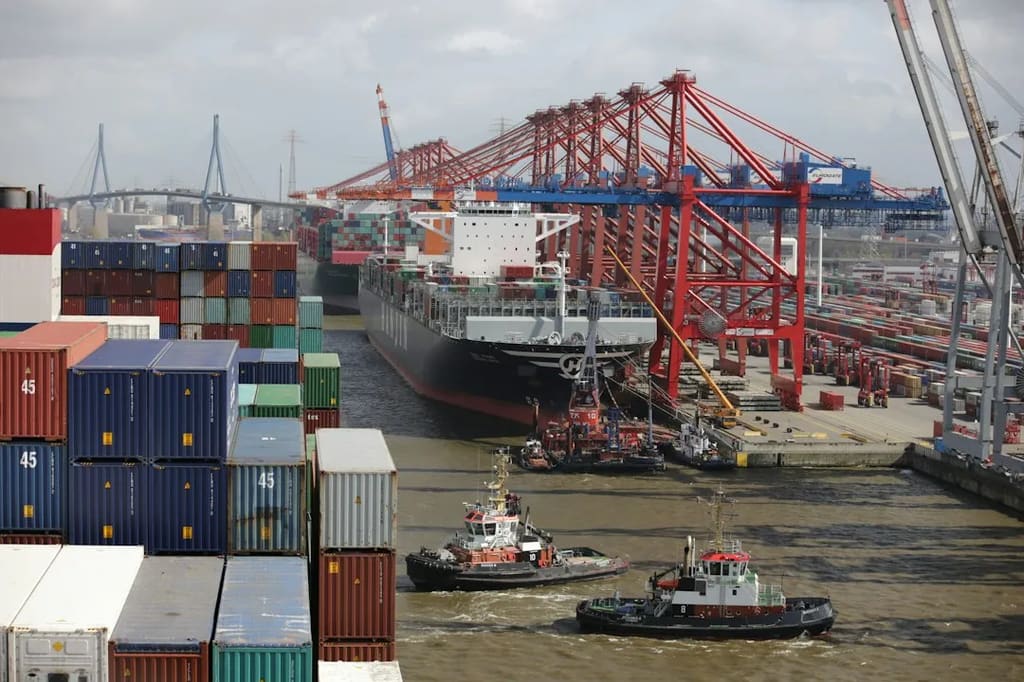
For enthusiasts, the change felt abrupt. Arne Gudde, who runs the German company Langsamreisen, says almost nothing is available anymore since Covid.[6] His firm books freighter travel in the Baltic Sea, the Atlantic and the South Pacific.
Related Stories From Travelbinger


The Spinoff’s report on New Zealand tells a similar story. The agency Freighter Travel NZ was too small to survive the pandemic, and closed four years ago even though its owner insists demand was growing among climate-conscious travelers.[5] The article’s blunt verdict is that today it’s virtually impossible to board a cargo ship as a passenger,[5] at least through the old channels.
Who Is Still Sailing in 2026
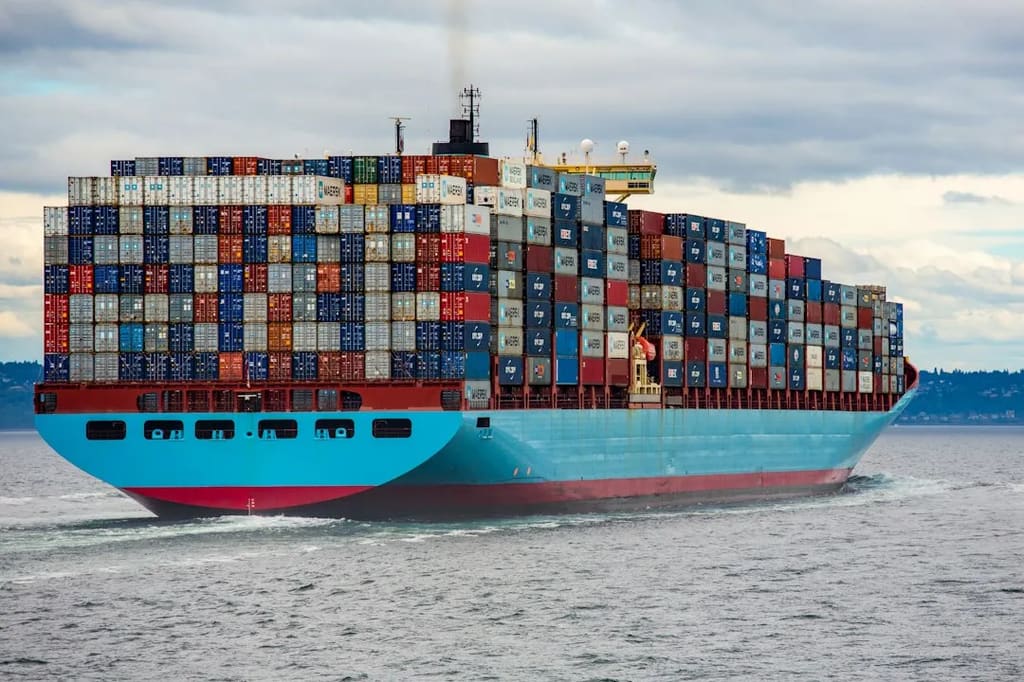
Not everything has vanished. CNN says there are still alluring cargo ship voyages to places such as Namibia, Iceland and French Polynesia, and companies like Aranui and Neoliner Origin are even expanding their cargo-passenger services.[1] There’s also a once-a-month cargo ship from Cape Town that serves two Namibian ports before sailing to St. Helena and Ascension.[6]
Neoliner is the most interesting newcomer. The French vessel, based in Saint-Nazaire, made its first transatlantic passage in October 2025, on a route including Baltimore, Halifax and St. Pierre & Miquelon.[6] The company reports that it has been full on every crossing,[4] and it has added Zeebrugge, Belgium as a fifth port of call and may add more solar-sail ships.[4] If you’re tempted, a 2026 guide suggests that with fewer operators, popular routes fill quickly and schedules can still shift.[9]