
A daypack feels like the safest thing you own on a trip. It sits on your back, it holds your water and your map, and it makes you look like you know what you’re doing. Thieves know that too. A 2025 study of more than 13,000 tourist reviews found Paris ranked first globally for theft, with about one in six theft related mentions[1], and busy cities across Europe and beyond tell a similar story.
Much of the trouble starts with what people choose to carry, not with bad luck. Some items turn a small slip into a ruined week, and a few can get you stopped at a security checkpoint. Here are the things worth leaving out of your bag when you head out for the day.
Your Original Passport
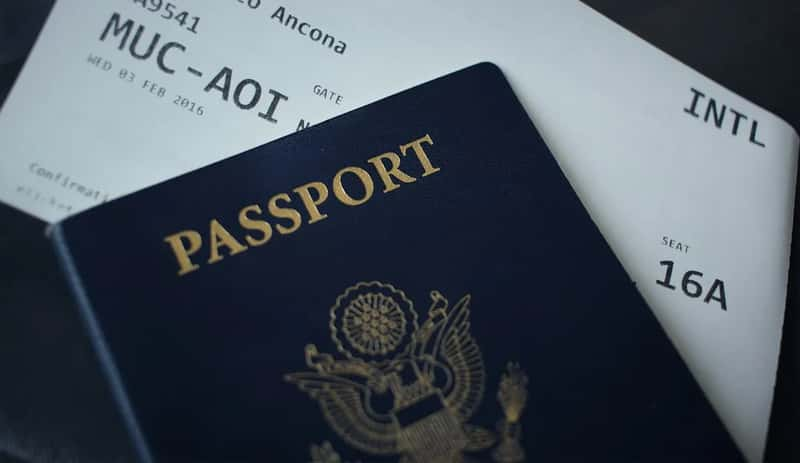
It’s tempting to carry the real thing everywhere, just in case. For most of a trip, though, that’s the riskier choice. One travel safety guide puts it bluntly: a hotel room safe is a better place for a passport than a day bag in a market.[2] A clear photocopy or a photo of the ID page covers most everyday needs, such as routine identification at museums or shops.[3]
There are exceptions. Some countries legally require foreigners to carry identification, and the destination’s country information page says which.[2] Where that applies, wear the passport in an inside pocket or a pouch under your clothes, not loose in the pack.
Every Card and All Your Cash in One Place

A single wallet holding your entire financial life is a gift to a pickpocket. If it disappears, you lose your payment cards, your emergency cash and often your ID in one go. Splitting things up is boring advice, but it works. Two cards in two pockets, some cash in a third, and a copy of your documents in a fourth means no single loss ends the trip.[2]
The same logic applies to money you won’t need that day. A university study abroad guide advises you to never carry large amounts of cash.[4] Take what you expect to spend, and leave the backup card and spare notes locked in your room.
Oversized or Damaged Power Banks

Power banks are standard daypack gear, yet the rules around them tightened a lot in 2025 and 2026. A new global aviation standard that began on 27 March 2026 limits passengers to two power banks and bans recharging them in flight.[5] Units up to roughly 27,000 mAh fall at or under the 100 Wh threshold[6], so a huge brick in your bag can become a problem at the airport.
Airlines are also stricter about where and how you use them. United, for example, stopped allowing power banks in overhead bins from 1 March 2026, requiring them on your person, in a seat pocket or under the seat.[7] Some carriers, including Emirates, ban using them onboard altogether.[8] A swollen, cracked or very hot battery should never go in your pack, whether you’re flying that day or not.
A Phone Stored Where Anyone Can Reach It

Your phone is probably the most stolen item on any trip, and the outer pocket of a daypack is a poor place for it. London is a useful example. Phone theft there fell from 81,365 in 2024 to around 71,391 in 2025, a drop of 12.3 per cent[9], which is still a lot of handsets.
Enforcement does seem to be helping. London’s Metropolitan Police reported that street theft of phones was down 21% to August 2026 compared with the previous year.[10] Even so, nearly 11,000 mobiles were taken from Underground passengers in 2024[11], so keep yours in a zipped inner compartment and out of sight on trains.
Laptops, Tablets and Pricey Cameras

Heavy electronics rarely earn their place in a daypack. They add weight, they invite attention, and they’re the items most likely to be targeted if your bag is cut or snatched. A UK university’s travel advice says to avoid carrying on your person high cost items like digital cameras or tablets.[12]
If you need a laptop for work, leave it in a hotel safe or a locked case when you sightsee. A camera is the exception many people make, and that’s reasonable. If you do take one, keep it on a strap across your body instead of stuffed in an open top pack.
Jewelry and Anything That Looks Expensive

Visible wealth makes you easier to pick out in a crowd. Watches, gold chains and designer accessories can mark you as a target, and they’re hard to replace if they go missing. Pickpocket hotspots tend to be the places where visitors cluster: the Eiffel Tower, Montmartre, Sacré-Cœur and the Gare du Nord are consistent hotspots, along with the Métro.[1]
Rome is another example. Pickpocketing incidents there surged to 33,455 cases in 2024, a 68.0% increase[13], with the Trevi Fountain, Colosseum and Pantheon among the worst spots. A simple rule helps: if losing it would upset you, leave it at the hotel.
Home Keys and Anything With Your Address

It’s easy to forget that your house keys are still on your keyring when you travel. If a daypack is stolen, a thief could end up with your keys and your home address, especially if there’s an envelope or a luggage tag in there with your details. Leave your keys with someone you trust, or pack only the ones you truly need.
The same goes for hotel paperwork. A booking confirmation that lists your room number and name doesn’t need to ride around in your bag all day. Take a photo of it on your phone instead, and keep that phone secured.
Written PINs, Passwords and Sensitive Notes

Some travelers jot down card PINs, banking logins or phone passcodes on a scrap of paper just in case. In a stolen bag, that note turns a lost wallet into a drained account. A password manager on a locked phone is safer than anything handwritten.
Backups should live somewhere separate from the originals. Guidance for travelers suggests keeping digital scans of important documents saved both in a secure cloud and offline on your phone.[14] That way you can still reach your details even if the bag is gone.
Knives, Multitools and Other Restricted Gadgets

A pocket knife or multitool that is perfectly normal at home can be a problem abroad. Rules on blades, pepper spray and similar items vary widely between countries, and some places treat them seriously. Museums, stadiums, and transport hubs often run bag checks, and a forgotten tool can mean a confiscation or an awkward conversation.
Before you leave, check the local rules for the places you plan to visit. If there’s any doubt, leave the item at home. A small pair of scissors and a bottle opener will cover most of what you need on a day out.
A Lighter Bag Is a Safer Bag
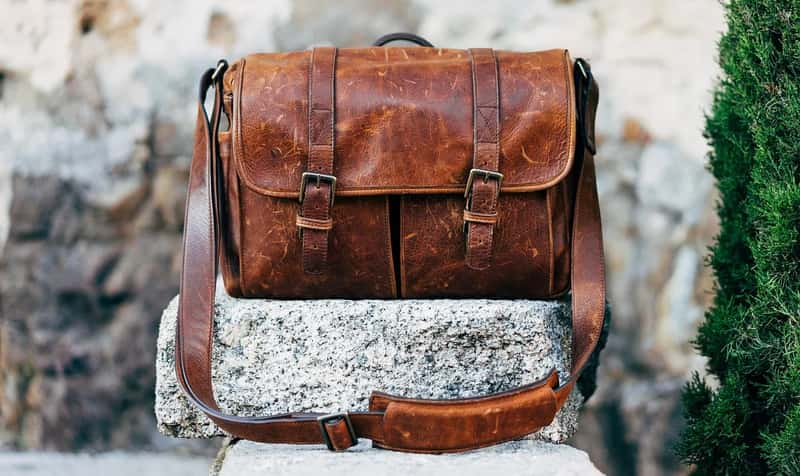
Most petty crime is opportunistic, and it works best on distracted visitors with plenty to grab. Prague, for instance, welcomed about 1.2 million international visitors in 2025, and only 45 serious crimes against tourists were reported.[15] The risk is real, but modest, and good habits shrink it further.
Carry what you need for the day, split the rest, and keep copies of what matters. A lighter daypack is easier to watch, quicker to search, and far easier to lose without regret.