After a decade and a half of leading groups through crowded markets, dusty ruins, and souvenir shops that seem to multiply overnight near every major landmark, I’ve watched the same shopping mistakes happen again and again. People get caught up in the moment, the pressure of a persuasive vendor, or the simple fear of leaving empty handed. Then, weeks later, they message me asking how to get a refund or where that “genuine” item actually came from.
Some souvenirs age badly, some were never what they claimed to be, and some just don’t survive the trip home in one piece. Here are the nine purchases I see travelers regret most often, along with what tends to go wrong and why.
1. “Authentic” tribal masks and carvings sold at tourist markets
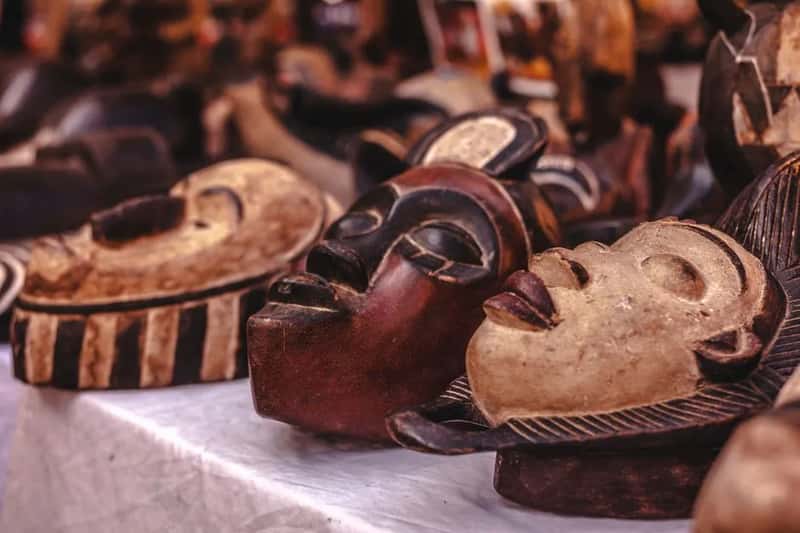
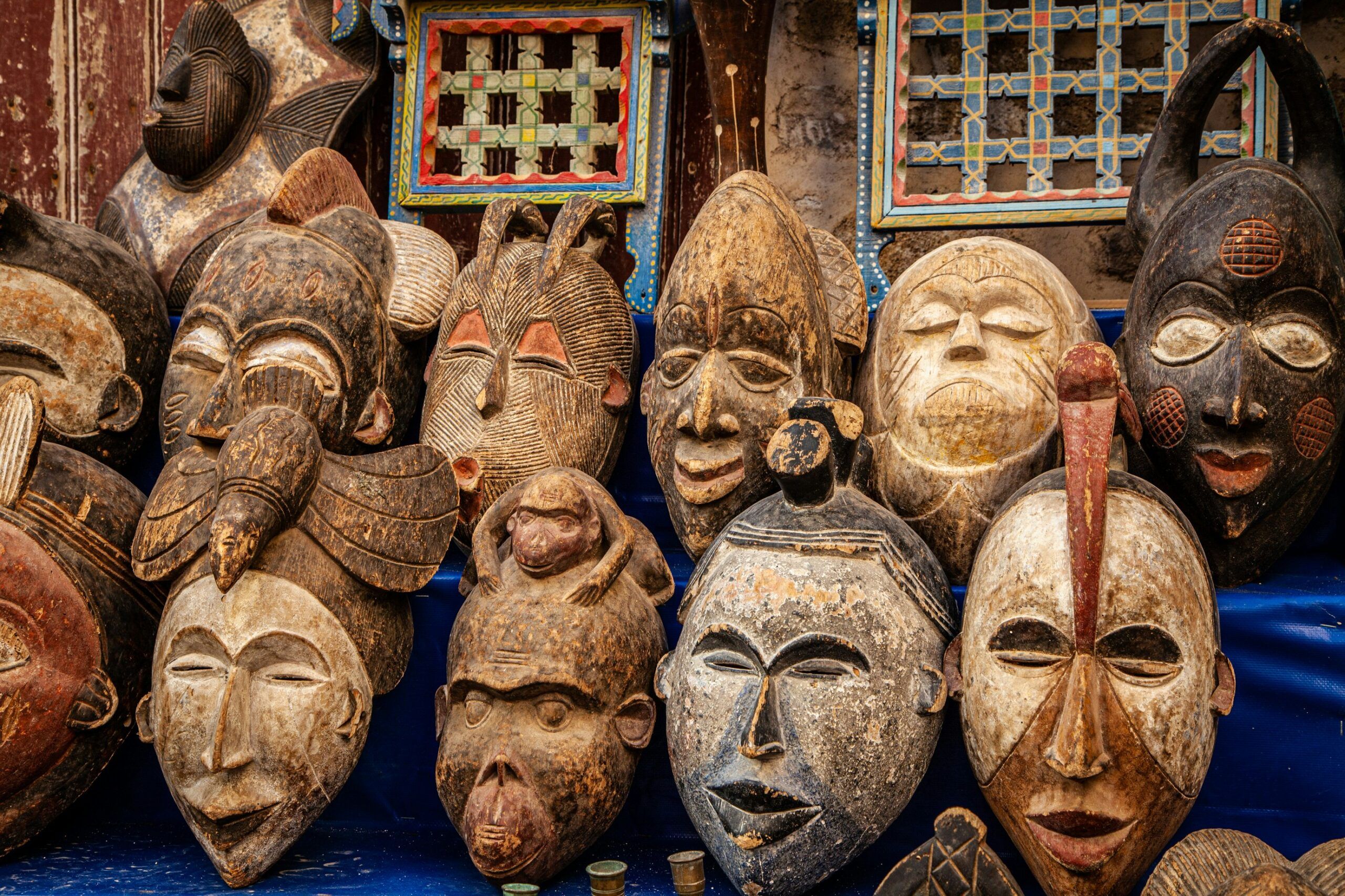
Wooden masks and carved figures look striking in a shop stall lit by warm bulbs, but many are mass produced in workshops specifically for the tourist trade rather than crafted by the artisans or communities the sellers claim. Vendors in places like Bali, West Africa, and parts of Latin America often repeat the same origin story to every buyer, which is a red flag in itself. The wood used is frequently unseasoned, so pieces crack or warp within months of arriving in a drier home climate.
Travelers usually don’t notice the cracking until the item has been sitting on a shelf for a while, by which point returning it isn’t an option. If a piece is truly handmade by a named artisan, sellers in reputable co-ops or cultural centers can usually show documentation or at least explain the specific village or family behind it. Vague answers are the clearest sign to walk away.
2. Shark teeth, coral, and other ocean souvenirs

Coral jewelry and dried starfish are still sold at beach markets across Southeast Asia and the Caribbean, but the environmental cost is significant and increasingly regulated. Many countries restrict or outright ban the export of coral and certain marine specimens, and travelers have had items confiscated at customs without warning. Coral reefs worldwide are already under stress from warming oceans, and harvesting for the souvenir trade adds unnecessary pressure to ecosystems that take decades to recover.
Beyond the legal risk, these items rarely look as good once they’re home. Coral loses its vivid color quickly once removed from water, turning a dull grey or white within weeks. What seemed like a beautiful ocean memory often ends up as a chalky, forgettable object in a drawer.
3. Leather goods without clear origin or material information
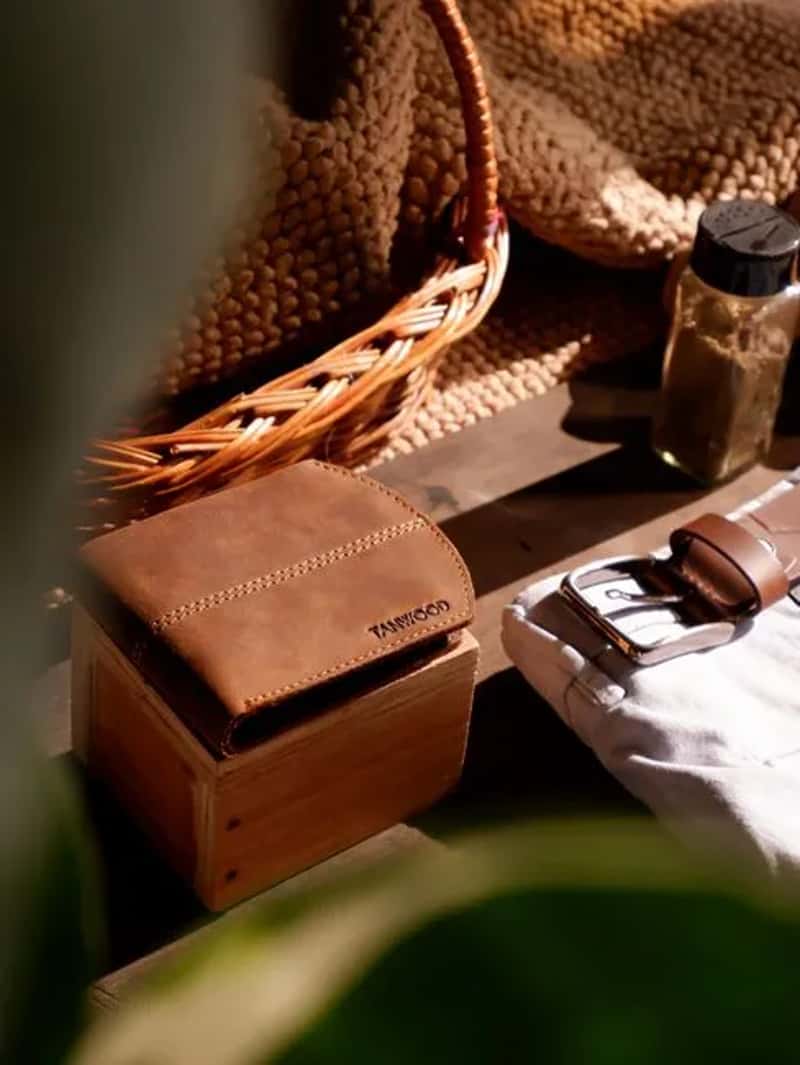
Leather bags, wallets, and jackets are popular purchases in cities like Florence, Istanbul, and Marrakech, where street vendors and small shops line tourist routes. The problem is that a meaningful percentage of what’s sold as “genuine leather” in high traffic tourist zones is actually bonded leather, PU, or a blended material that starts peeling within a year. Genuine full grain leather has a distinct smell, texture, and weight that’s hard to fake convincingly, but many first time buyers don’t know what to check for.
Reputable leather workshops, especially those with visible tanning or stitching operations, are usually happy to explain their materials and sourcing. If a seller can’t answer basic questions about the tannery or the type of leather used, that hesitation usually means the product won’t hold up. Comfortable, informed buyers tend to walk away happier than impulsive ones.
4. Oversized rugs and textiles bought under pressure

Carpet shops in destinations like Marrakech, Istanbul, and various parts of Central Asia are famous for their elaborate sales process, complete with tea, storytelling, and a slow reveal of dozens of rugs. It’s genuinely entertaining, but the theater is designed to make walking away feel awkward, and travelers often end up buying something far larger or more expensive than planned. Shipping a large rug internationally can cost hundreds of dollars on top of the purchase price, a detail that’s easy to overlook mid-negotiation.
Import duties add another layer of expense once the rug arrives home, and many buyers are surprised by the final bill. Smaller, well chosen textiles like scarves or table runners tend to bring just as much satisfaction without the logistical headache. If a rug genuinely catches your eye, it’s worth sleeping on the decision overnight before committing.
5. Spices and food items sold in already-open packaging

Spice markets in Marrakech, Istanbul’s Grand Bazaar, and similar destinations are visually stunning, with pyramids of saffron, sumac, and paprika stacked for photos. The issue is that open bins are exposed to humidity, insects, and adulteration, and some vendors mix cheaper fillers into premium spices like saffron to stretch their profit margins. Saffron in particular is one of the most commonly counterfeited food products in the world, often cut with dyed corn silk or safflower.
Sealed, labeled packaging from a shop with a fixed storefront is a safer bet than loose spices scooped into a bag at a stall. Customs regulations in the traveler’s home country also matter here, since several agricultural products face import restrictions that vary by destination. Checking those rules before buying saves the disappointment of having a beautiful tin of spices taken at the border.
6. Ivory, bone, and “antique” items with unclear legal status
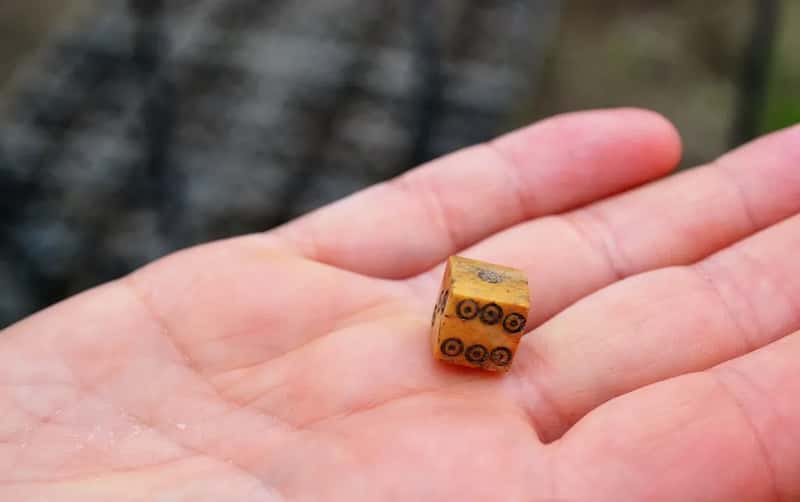
Carved items marketed as ivory, bone, or genuine antiques show up in markets from Southeast Asia to parts of Africa, often with a compelling backstory about age or rarity. International trade in ivory has been heavily restricted for decades under CITES, the international agreement regulating trade in endangered species, and many countries enforce strict penalties for attempting to import it. Even bone substitutes marketed as ivory alternatives can trigger scrutiny at customs if they’re not clearly labeled.
Genuine antiques, meanwhile, typically require export permits that most casual sellers simply don’t have. Travelers who buy without asking about documentation risk having the item seized, with no compensation and sometimes a fine attached. If a seller insists something is a legitimate antique but can’t produce paperwork, that claim should be treated as decorative language rather than fact.
7. Snow globes, magnets, and generic trinkets with no local connection

These small, cheap items feel like a safe, low-risk purchase, which is exactly why nearly every traveler ends up with a drawer full of them. The catch is that a large share of generic magnets and snow globes sold near famous landmarks worldwide are manufactured in bulk overseas and simply relabeled for whatever city they’re sold in. They carry no real connection to the destination beyond a printed name or skyline silhouette.
Regret here isn’t about money lost, since these items are inexpensive, but about missed opportunity. Travelers often realize later that a small locally made item, even something modest like a hand painted tile or a piece from a regional craft cooperative, would have meant more and cost barely more than the mass produced alternative.
8. Fragile ceramics and glassware bought without protective packing
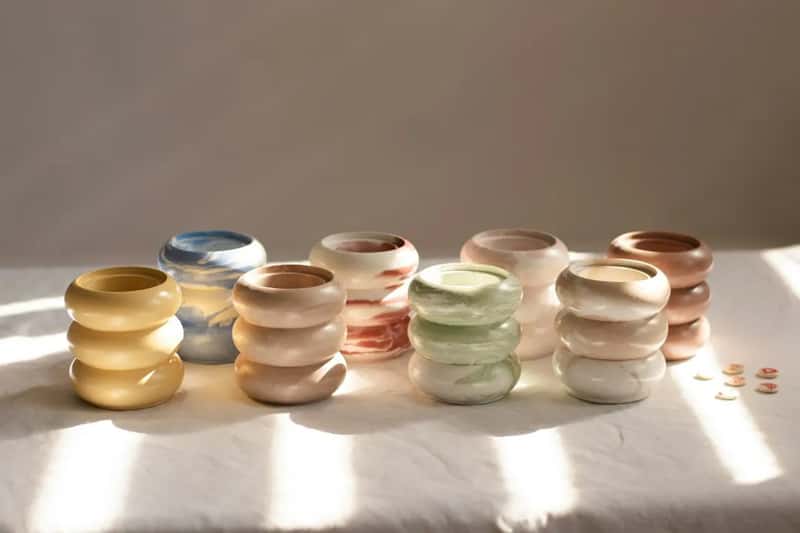
Painted ceramics, blown glass ornaments, and pottery are common purchases in places like Turkey, Portugal, Mexico, and Murano near Venice, where the craftsmanship can be genuinely excellent. The regret usually isn’t about the item itself but about how it survives the journey home. Checked luggage is rough on fragile goods, and even careful hand carrying through multiple flights, trains, or long car rides introduces real risk.
Many shops offer bubble wrap or basic boxing, but that’s often not enough for international travel with multiple transfers. Shipping directly from a reputable shop, even at extra cost, tends to be safer than trying to nurse a wrapped vase through three airports. Travelers who skip this step often arrive home to a box of colorful shards instead of the piece they fell in love with.
9. Branded goods and electronics from street vendors
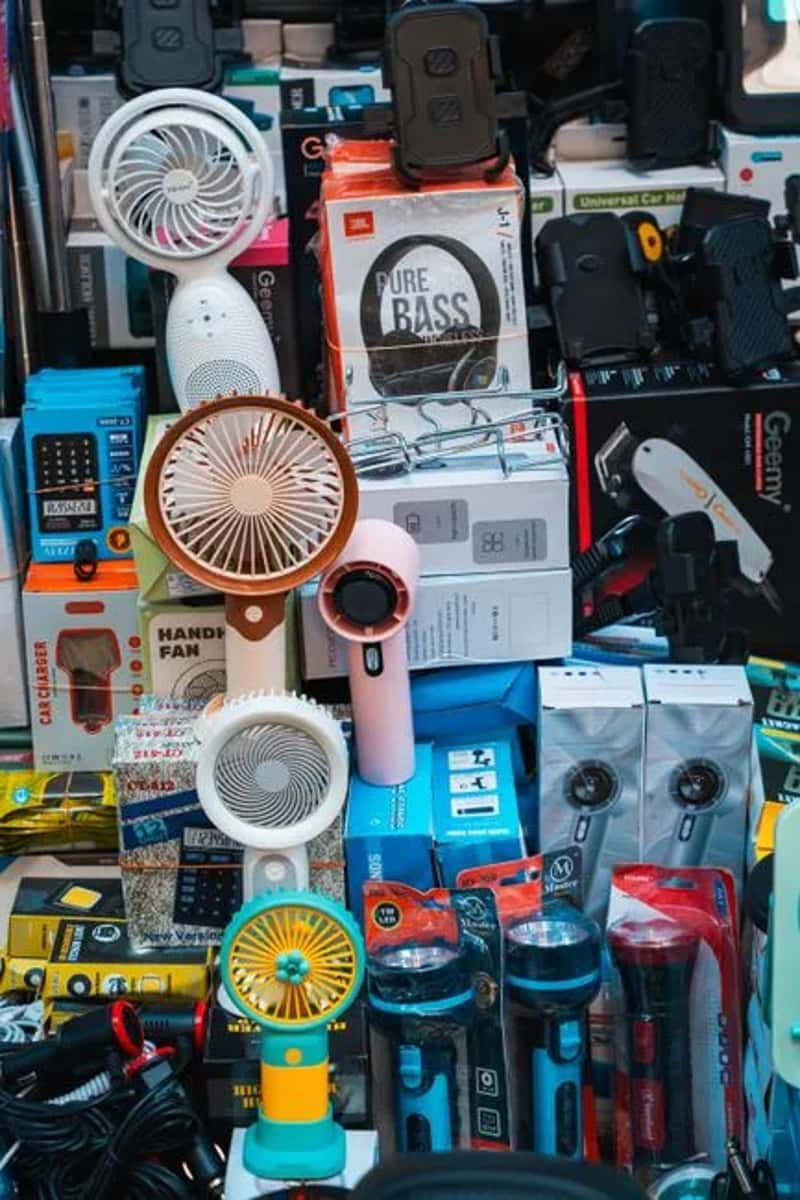
Designer handbags, sunglasses, and electronics sold at strikingly low prices near tourist hubs are almost always counterfeit, and increasingly, enforcement against this trade has tightened in cities across Europe and Asia. Buyers occasionally face confiscation at customs, and in some countries knowingly purchasing counterfeit goods can carry fines, even for tourists who claim they didn’t know. The electronics category carries an added risk, since fake chargers, headphones, and battery packs have been linked to safety issues including overheating.
The appeal is understandable, since the price difference feels like a win in the moment. In practice, though, these items rarely function or last as advertised, and the legal exposure isn’t worth the discount. A genuine, smaller purchase from an authorized retailer almost always brings more lasting satisfaction than a counterfeit version of something flashier.