A decade on the road teaches you things no guidebook ever could. It teaches you that a place can be breathtaking in photos and utterly draining in person, that a bucket-list stamp on your passport doesn’t always translate into a good memory, and that sometimes the kindest thing you can do for a destination is simply stay away for a while. Over the years I’ve chased sunsets on six continents, slept in questionable hostels, and eaten things I still can’t identify. Somewhere along the way, six places earned a permanent spot on my “never again” list, not because they aren’t beautiful, but because loving them to death has made visiting them feel more like an ordeal than an adventure.
This isn’t a list built on rumor or a single bad day. It’s based on what I saw with my own eyes, backed up by what locals, officials, and travel researchers have been saying for the past couple of years. These six spots are dealing with real strain, and in 2026 that strain has only gotten more visible through new fees, protests, and crowd-control measures. Here’s why I’ve crossed them off my future itineraries.
1. Venice, Italy
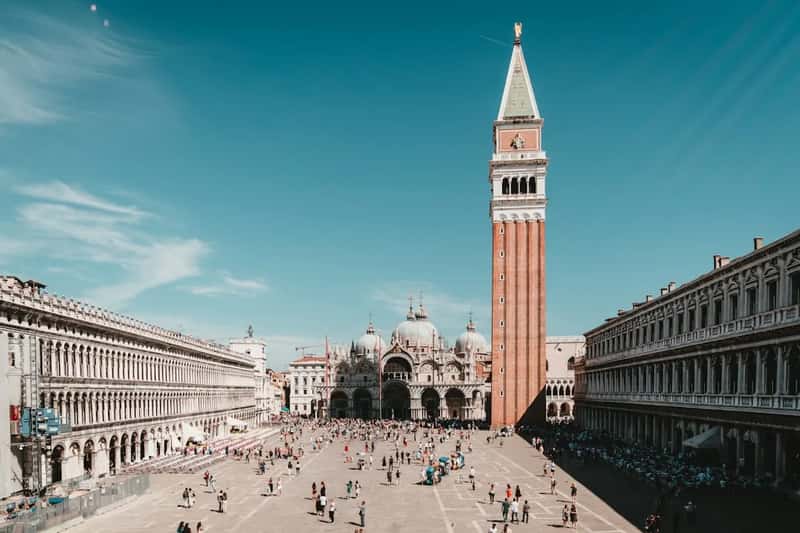
Venice was the first place that made me question the whole idea of “seeing it before it’s gone.” The city has been wrestling with overtourism for years, and the numbers explain why. In 2019, a staggering 30 million travelers visited Venice, making it difficult for its infrastructure to handle the overwhelming influx of visitors.[1] Much of that traffic came from people who never even spent a night there, which is exactly the problem the city has been trying to solve ever since.
By 2026, Venice’s answer is a day-tripper entry fee that keeps expanding rather than shrinking. Venice’s entry fee for day-trippers is back for 2026, and it now applies across 60 days of the year, up from 54 in 2025, mostly weekends and peak season dates.[2] One of the more sobering facts I picked up while researching this is that the decline in its resident population now stands at around 50,000, fewer than the number of available hotel beds in the city.[3] Walking through St. Mark’s Square shoulder to shoulder with cruise-ship crowds, knowing actual Venetians are being priced and squeezed out of their own home, took the romance out of it for me.
2. Barcelona, Spain

I loved Barcelona the first time I visited. The second time, I got sprayed with a water gun by a protester, and honestly, I understood why. During an anti-tourism demonstration in June 2025, one resident said the squirt guns were meant to bother tourists a bit, adding that Barcelona had been handed to the tourists and the protest was a fight to give the city back to its residents.[4] That sentiment wasn’t coming from an angry fringe; it reflected a much wider frustration.
The housing math tells the real story. One protester said his rent had risen over 30%, with apartments in his neighborhood continually being rented out for short-term vacations instead.[5] The city has responded with steep tax hikes, and starting April 1, Barcelona nearly doubled its hotel guest tax, hiking it from roughly five to nine dollars up to ten to seventeen dollars per person, per night.[6] There are officials who now openly say the city has hit its ceiling: locals have stated they don’t want the city to grow more, noting there were 15.7 million tourists in 2025 and that sixteen million is considered the maximum.[6] Once a destination starts talking about itself in terms of maximum capacity, it stops feeling like a place you’re welcome to explore freely.
3. Bali, Indonesia
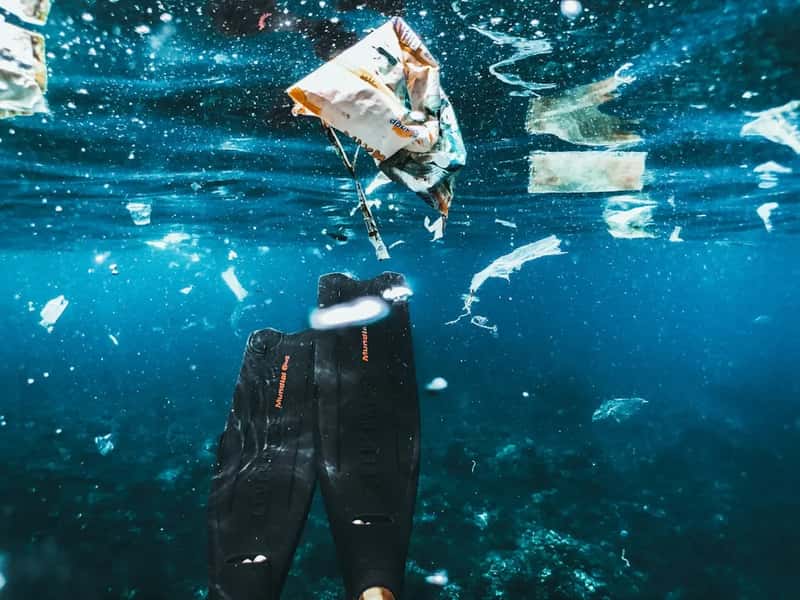
Bali broke my heart a little. I’d built up years of anticipation around rice terraces and quiet beaches, but what I found in the south of the island was traffic jams, construction dust, and trash. This wasn’t just my bad luck; it’s a documented pattern. The Indonesian island welcomed 5.3 million international visitors in 2023, a number that rose by 22 percent by the end of July 2024.[7] That kind of growth has outpaced the island’s ability to manage its own waste.
The state of the beaches was what really stuck with me. The island’s economy thrives on hospitality, but that relies on the health of its landscapes, which are being degraded, with formerly pristine beaches like Kuta and Seminyak now litter-covered because local waste management systems can’t keep up.[7] Even Fodor’s travel guide, in an earlier edition of its “No List,” flagged the issue directly, noting that only 7% of Bali’s 303,000 tonnes of annual plastic waste was recycled.[8] Watching plastic wash up next to a supposedly idyllic sunset spot cured me of any nostalgia I had for the place.
4. Santorini and Mykonos, Greece
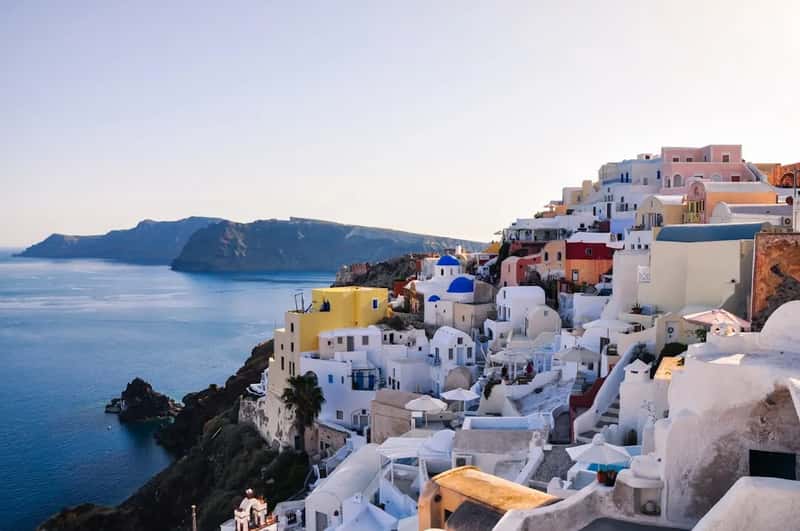
These two Greek islands are proof that a photogenic destination can also be a genuinely unpleasant one to actually visit in peak season. I arrived expecting whitewashed serenity and instead found cruise ship crowds moving through the narrow streets in waves, timed almost perfectly with each ship’s dock schedule. It got so bad that one major tour operator made a rare and telling decision. Following a survey on overtourism exposure, Evaneos decided to stop offering Santorini and Mykonos during the summer season.[9]
Greece has since introduced fees aimed squarely at the cruise crowds that flood these islands for just a few hours at a time. In July 2025, Greece introduced a fee for cruise ship passengers that continues this year, with the rate depending on the season and island of disembarkation; for the period from June through September 2026, the fee is 20 euros for disembarkation at Mykonos and Santorini, and 5 euros at other ports.[10] The fee is a start, but it doesn’t change what it feels like to be pressed into a narrow alley with a thousand other people trying to get the same sunset photo. I’ve had better, quieter days on far less famous Greek islands, and I’m not going back to these two anytime soon.
5. Mexico City, Mexico
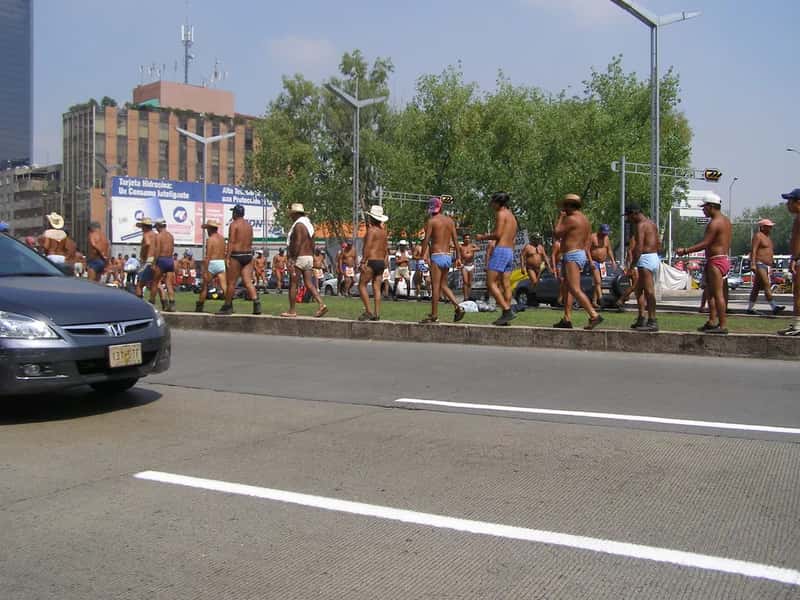
Mexico City surprised me, though not in a good way. I’d heard about its food scene and culture for years, but by the time I visited, the tension between visitors and residents was impossible to ignore. Neighborhoods like Roma and Condesa have transformed rapidly, and surging tourism has led to socio-economic challenges, including gentrification and rising rents, prompting public demonstrations.[11] That’s a polite way of describing what I actually witnessed, which included signs and graffiti clearly aimed at foreign remote workers and tourists.
The protests weren’t small or symbolic, either. Mexico City saw sometimes violent eruptions against overtourism throughout the summer of 2025, with the first protest beginning on July 4th, American Independence Day.[8] Walking through a neighborhood where locals are visibly frustrated about being priced out of their own rental market isn’t the kind of cultural immersion I signed up for. There are dozens of incredible Mexican cities and towns that don’t carry this same weight of resentment, and that’s where I’ll be spending my time from now on.
6. Machu Picchu, Peru
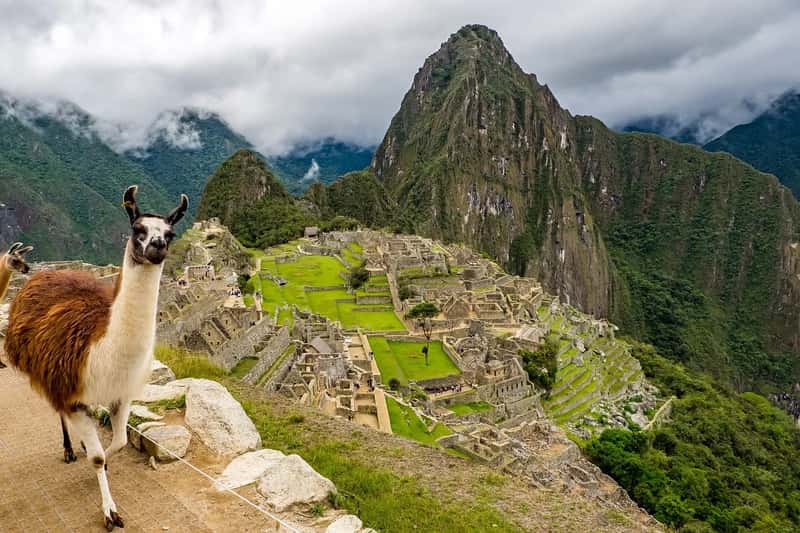
Machu Picchu was a bucket-list dream for most of my traveling life, and I’m genuinely glad I went once. Still, the way the site has been managed since my visit has convinced me it’s not worth repeating. The rules keep multiplying, and so do the costs. Daily visitor numbers were raised to 3,800 in 2023, 4,500 per day in 2024, then 5,650 in 2025[12], despite years of warnings from conservation groups about the strain on the ruins.
On top of the crowding, the ticket system has become genuinely confusing even for seasoned travelers. Starting May 1, 2026, foreign tourists pay an extra 11 soles on top of current ticket prices of about 152 soles for foreign adults, with officials saying the surcharge will fund maintenance and go exclusively toward conservation of the protected natural area.[13] Tour operators have also had to deal with sudden circuit changes and shifting rules around what’s included with hiking permits, which made planning a return trip feel more like navigating bureaucracy than booking a hike. The site itself is still magnificent, there’s no denying that, but between the sold-out tickets, the rising fees, and the crowds funneled through narrow circuit paths, it no longer feels like the once-in-a-lifetime experience it used to be.
None of these six places are bad destinations in any absolute sense. Venice is still stunning, Barcelona’s food and architecture are still extraordinary, and Machu Picchu still deserves its reputation as one of the world’s great wonders. What’s changed is the experience of visiting them, and in some cases, the ethics of adding my own footprint to an already overwhelmed place. Travel has taught me that the best trips often come from choosing destinations that still want visitors, rather than ones that are quietly begging for a break. There are thousands of other beautiful, welcoming corners of the world left to explore, and after ten years on the road, I’ve learned that’s exactly where I’d rather be.