Twelve years behind a hotel front desk teaches you a lot about people, mostly in short bursts between check-ins. You start noticing patterns almost immediately, the little things guests do without thinking that quietly shape how a stay unfolds. Most travelers are perfectly pleasant, but there’s a small set of habits that make front desk staff brace themselves the moment someone walks up to the counter.
None of these habits are illegal or even particularly rare. They’re just friction points, the kind of thing that turns a routine check-in into a slightly tense exchange. Here’s what tends to set the tone wrong, and why it matters more than guests usually realize.
Snapping fingers or waving to get attention

There’s a difference between catching someone’s eye and snapping fingers across a lobby. The finger-snap or the loud “hey” treats front desk staff more like background noise than people doing a job that requires focus. It’s a small gesture, but it sets an adversarial tone before a single word about the reservation has been exchanged.
Most staff will still help immediately, because that’s the job. Still, it colors the rest of the interaction. Requests that come later, like a late checkout or a room change, tend to get handled with less warmth after an opening like that.
Talking on the phone through the entire check-in

Checking in while mid-conversation on a phone call happens constantly, and it slows everything down in ways guests don’t seem to notice. Confirming a name, collecting a card for incidentals, explaining resort fees or parking charges, all of it requires the guest to actually be present. When someone’s attention is split, staff end up repeating information two or three times.
It’s not about needing undivided attention out of ego. It’s that hotel policies around deposits, cancellation windows, and ID verification have gotten more detailed in recent years, partly due to fraud prevention measures many chains adopted after a rise in chargeback disputes. Missing that information at check-in creates problems later, usually for the guest.
Demanding a specific room number without asking

Requesting a quiet room, a high floor, or something away from the elevator is completely normal and staff are used to accommodating it when possible. Demanding a specific room number as though it’s guaranteed is different. Room assignments shift constantly due to maintenance issues, late checkouts, or blocked rooms for loyalty members, so a specific number is never a promise.
When a guest insists loudly that “room 412” is theirs and no exceptions, it puts staff in an awkward spot immediately. Either they overpromise and risk disappointing the guest later, or they explain the limitation and get pushback right at check-in. A simple preference, phrased as a preference, avoids all of that.
Assuming loyalty status means automatic upgrades

Loyalty programs like Marriott Bonvoy, Hilton Honors, and World of Hyatt have grown significantly, with elite tiers now numbering in the tens of millions of members combined across major chains. That growth has created a common misconception that elite status guarantees a suite upgrade every single stay. In reality, most programs frame upgrades as space-available benefits, not contractual entitlements.
Guests who arrive expecting an upgrade as a given, and get visibly frustrated when the hotel is fully booked, put staff in a defensive position from the first minute. Front desk agents don’t control occupancy on a given night. Elite status still matters and usually does get recognized in some way, but treating it as an absolute guarantee sets up disappointment that isn’t really the staff’s fault.
Bringing up negative online reviews as leverage

Mentioning a bad experience from a previous stay, or referencing what other guests wrote in reviews, sometimes gets used as a bargaining tactic during check-in. Phrases like “I read your reviews are terrible” or “I’ll leave a bad review if this isn’t fixed” tend to shift the entire dynamic. Instead of a service conversation, it becomes something closer to a negotiation under implied threat.
Review platforms including TripAdvisor and Google have absolutely changed how hotels operate, and management does pay attention to feedback trends. But leading with that framing at the front desk rarely gets better results than simply describing the actual problem. Staff tend to work harder to solve real issues than to defuse a perceived threat.
Not mentioning special requests until arrival

Accessibility needs, allergy concerns, or requests for connecting rooms work far better when flagged during booking or a pre-arrival call rather than sprung at check-in. Many hotels use property management systems that flag these notes for housekeeping and maintenance in advance, giving staff time to actually prepare a room. Waiting until the guest is standing at the counter compresses a process that sometimes takes hours into a scramble.
This isn’t about blaming guests for not knowing hotel logistics. It’s just that a request made three days ahead has a real chance of being fully arranged, while the same request made at 3pm on arrival day might only get a partial fix. Front desk staff aren’t being difficult when they say a connecting room isn’t available on short notice, they’re often working within a physical reality that can’t be changed in the moment.
Treating the front desk like a complaint department for other guests
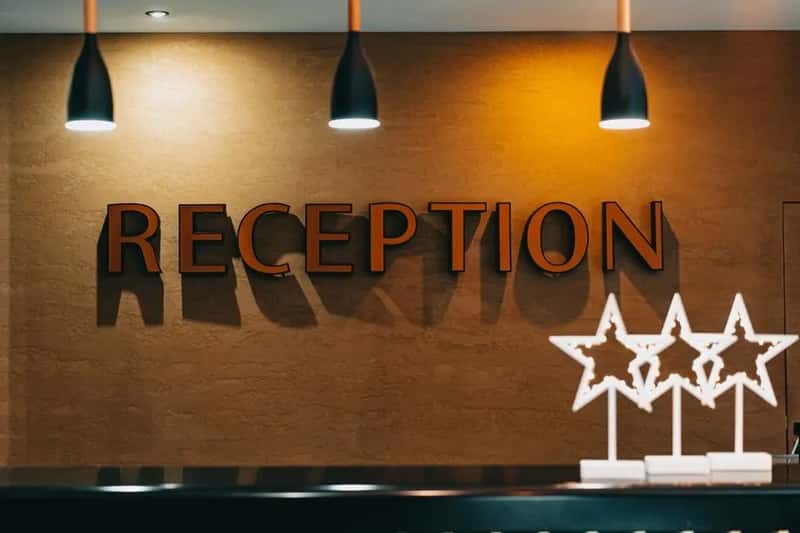
Reporting noise, smoking, or disruptive behavior from a neighboring room is legitimate and staff want to hear it. What causes friction is when a guest expects immediate, visible punishment of another guest as proof the complaint was taken seriously. Hotels generally can’t share details about how another guest’s issue was handled, due to basic privacy practices around guest information.
That silence sometimes gets mistaken for inaction, when in fact staff may have already called the room, sent security, or made a note for a supervisor. Explaining that without breaking confidentiality is a genuinely tricky balance. Guests who accept a general “we’re addressing it” tend to have a smoother interaction than those who demand specifics about someone else’s room.
Ignoring posted checkout times and treating them as flexible

Standard checkout times, usually around 11am or noon, exist because housekeeping schedules are built around them, especially at properties running near full occupancy. Late checkout requests are common and often granted, but the habit that causes real friction is guests who simply stay past checkout without asking, assuming it’ll be fine. Housekeeping teams then have fewer hours to turn a room before the next guest arrives, which can cascade into check-in delays for someone else entirely.
This has become more pronounced since 2024, as many hotels trimmed housekeeping staff levels compared to pre-pandemic numbers while occupancy rates recovered close to previous highs in major markets. Fewer staff covering similar guest volume means less slack in the schedule for unannounced late stays. A quick call to the front desk asking for an extra hour solves this instantly and almost always gets approved when availability allows.
Being rude specifically because “the customer is always right”

The phrase itself is old, dating back over a century to retail marketing, and it was never really meant as a literal operating principle for every industry. In hospitality specifically, it sometimes gets weaponized to justify genuinely disrespectful behavior toward staff, on the logic that paying for a room entitles a guest to say anything. Front desk workers who deal with this regularly describe it as the fastest way to lose goodwill during an interaction.
Being direct about a problem, even firmly, is completely different from being contemptuous toward the person trying to fix it. Staff generally want to help regardless of tone, since that’s the job, but the quality and speed of that help tends to track with how they’re treated. Guests who state issues clearly and calmly, without personal attacks, consistently report faster resolutions, according to patterns hospitality workers describe across long careers in the industry.
Final Thoughts

None of these nine habits are dramatic on their own. They’re small, everyday choices that either smooth out a check-in or quietly complicate it, often without the guest realizing which one they just did. Front desk staff notice all of it, even when they don’t say anything.
The good news is that avoiding all nine isn’t complicated. A little patience, a bit of advance planning, and a calm tone cover most of it. Hotels run on countless small interactions each day, and the ones that go well usually share the same quiet ingredient, a guest who treated the person at the desk like a person.