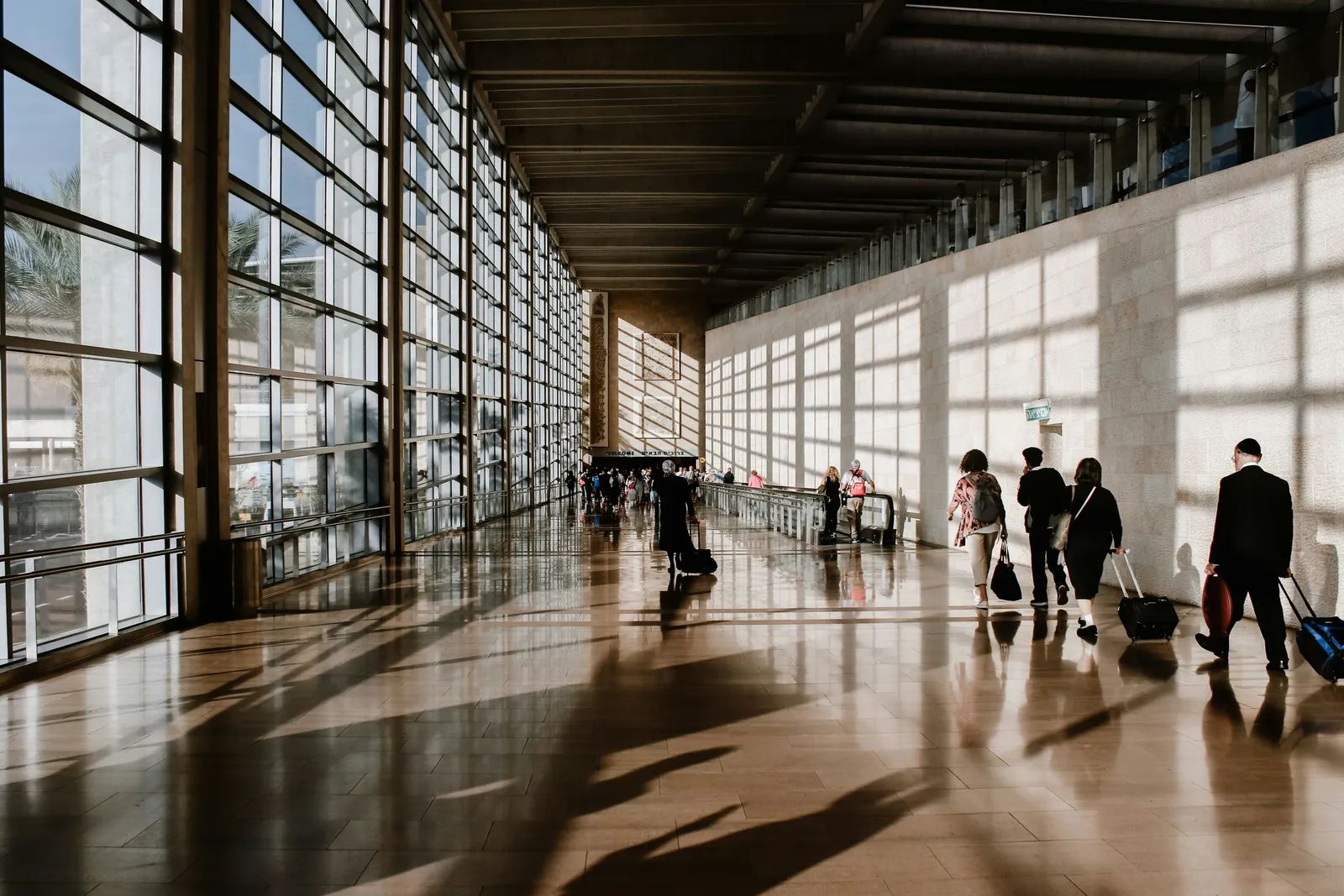
Travelers have reported steadily better experiences at North American airports in recent years, and fresh data from J.D. Power confirms the upward trend. The firm’s annual satisfaction study, released this week, shows higher average scores across all airport size categories compared with 2025. The results draw on responses from more than 24,000 passengers who flew through U.S. or Canadian airports in the preceding month. ([1])
Study Design and Steady Gains
J.D. Power grouped airports into three tiers based on annual passenger volume. Mega facilities handle 33 million or more travelers each year, large airports serve 10 million to 32.9 million, and medium airports manage 4.5 million to 9.9 million. Scores are calculated on a 1,000-point scale that weighs seven factors, including ease of movement, terminal facilities, staff interactions, food and retail options, and ground-transport access. Average scores rose in every segment. Mega airports gained 14 points over the prior year, large airports added 13 points, and medium airports improved by 16 points. The consistent lift follows several years of major construction projects that added gates, streamlined security, refreshed dining choices, and upgraded runways.
Category Leaders for 2026
Minneapolis-Saint Paul International Airport led the mega group for the third straight year with 684 points. Detroit Metropolitan Wayne County Airport placed second at 663 points, followed by Phoenix Sky Harbor International Airport at 642 points. Tampa International Airport topped the large-airport list with 715 points. Portland International Airport came in second at 708 points, and Dallas Love Field ranked third with 698 points. Among medium airports, Charleston International Airport scored highest at 712 points. Ontario International Airport in California finished second at 705 points, while Indianapolis International Airport placed third at 695 points.
Why Satisfaction Keeps Rising
Many of the highest-scoring airports recently completed or are finishing large-scale upgrades. These projects have expanded terminal space, introduced more varied dining and shopping, and improved passenger flow. Michael Taylor, J.D. Power’s managing director of travel, hospitality and retail, noted that capital improvements across nearly every size of airport are now delivering measurable results. The study also found that a mix of local flavor and familiar national chains produced the strongest passenger response. Airports that struck this balance tended to earn higher marks for how travelers spend time and money inside the terminal. The survey period ran from July 2025 through July 2026, capturing experiences after many of these upgrades opened.
What Travelers Can Expect Next
Ongoing construction at several major hubs suggests further refinements are still ahead. Airports that continue to refine layout, retail variety, and ground connections are likely to maintain or extend their lead in future surveys. The 2026 results show that sustained investment in the passenger environment is translating into clearer satisfaction gains across the continent.