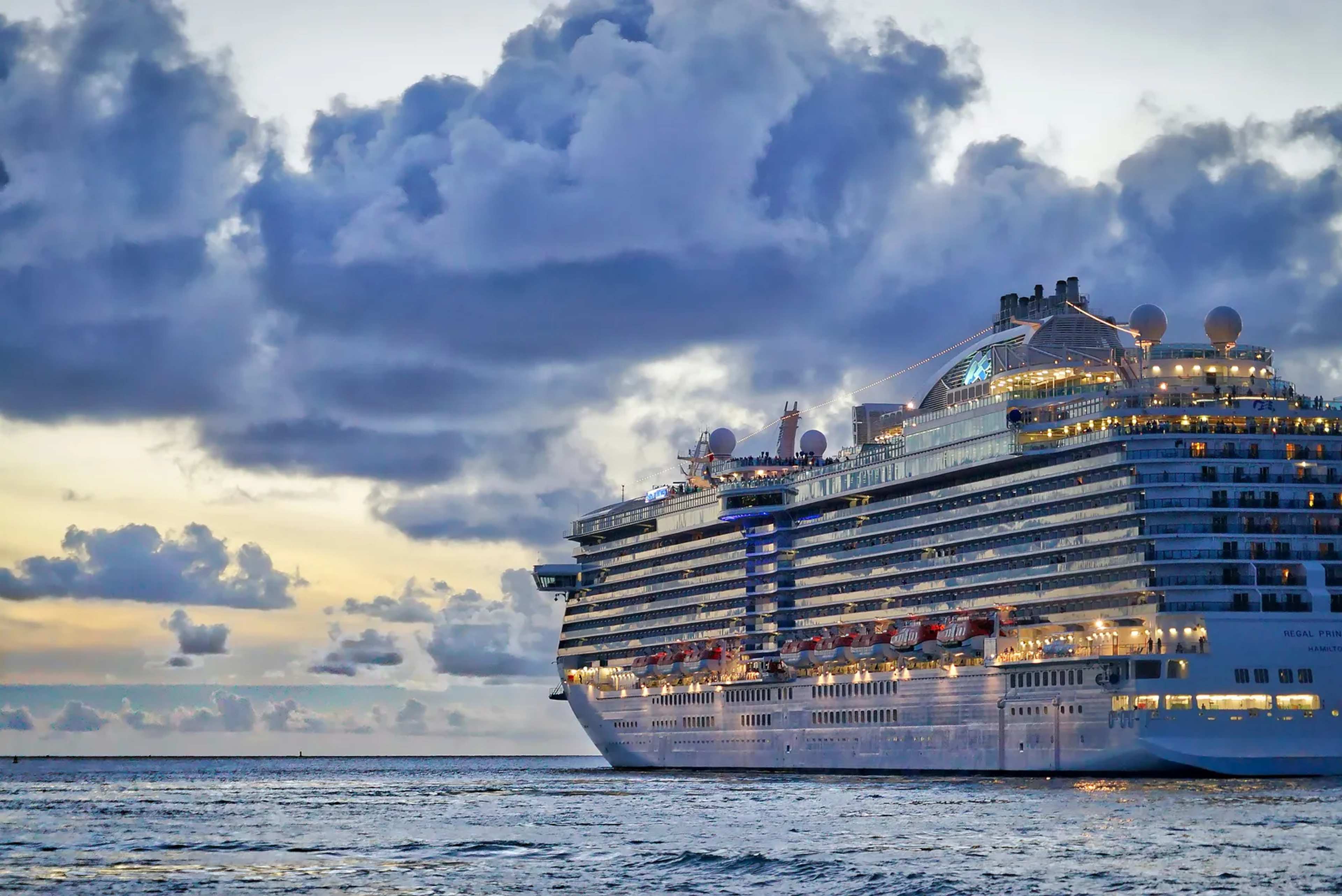
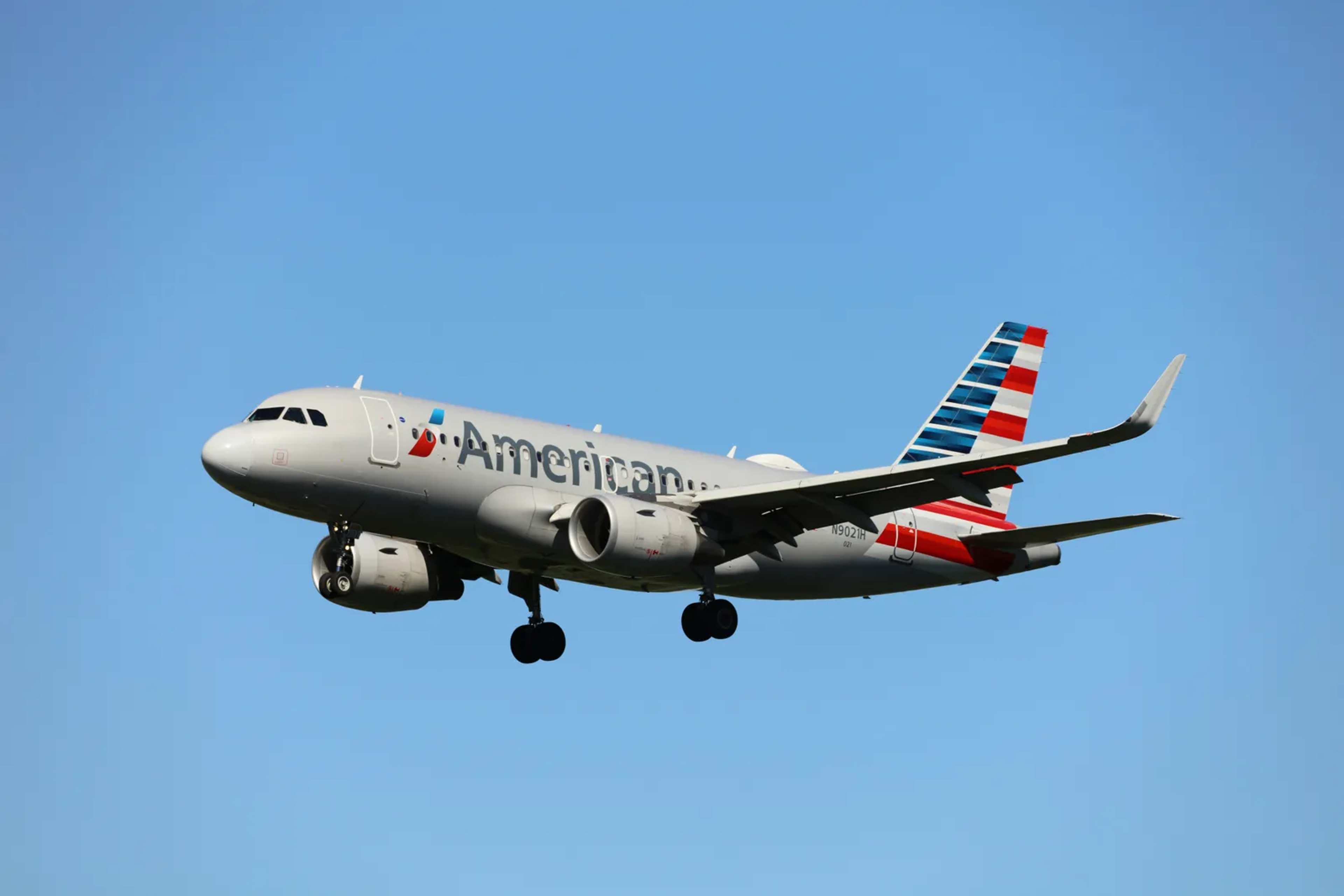
Frequent travelers who move between yachts, first-class cabins, and multiple climate zones in a single week face constant pressure on their skin. Low cabin humidity, intense UV at altitude, salt water, and rapid climate changes strip moisture and weaken the skin barrier faster than most routines can handle. The result shows up as tightness, dullness, and irritation that builds over repeated trips. Seasoned jetsetters have developed targeted habits that address these specific stresses rather than relying on a single fixed routine.
The Real Stressors Behind Travel Skin Issues
Aircraft cabins typically hold humidity between 10 and 20 percent, far below the 40 to 60 percent range skin needs to stay balanced. Water evaporates from the surface quickly, leaving faces feeling tight and dull after just a few hours in the air. UV exposure rises roughly 10 to 12 percent for every 1,000 meters of elevation, and window glass blocks little UVA. On a yacht deck or open water, reflected sunlight adds another layer of damage that standard routines often overlook. Salt water pulls moisture from skin because it is hygroscopic, and the combination of ocean exposure followed by sun drying removes the natural oil film more aggressively than either factor alone. Most trips shift between climate zones in under 48 hours, giving the skin barrier too little time to adjust before the next change arrives. These cumulative effects explain why frequent travelers treat skincare as an adaptive system rather than a static set of steps.
Core Products That Travel Well
A compact kit focused on protection and repair works across destinations. Broad-spectrum mineral SPF 50+ forms the daily base and holds up better in salt water and heat than chemical versions. A ceramide-rich moisturizer applied while skin is still damp after saltwater exposure helps restore the barrier before further drying occurs. Hyaluronic acid serum layered on slightly damp skin, followed by squalane or a rich moisturizer, counters cabin dehydration during flights. Facial mist provides quick hydration without a full routine, and micellar water handles cleansing when a sink is unavailable. Travelers keep these items to a minimum and avoid introducing new products mid-trip, since skin is already adjusting to multiple stressors. The same core set adapts to beach escapes, mountain retreats, city hops, and tropical getaways with only minor swaps such as a lighter gel moisturizer in high humidity.
Daily Habits That Make the Difference
Application timing matters as much as the products themselves. SPF goes on every morning and gets reapplied every two hours in direct sun. After any ocean time, the ceramide moisturizer follows immediately while skin remains damp. In flight, a simple sequence of cleanse, hyaluronic acid serum, and occlusive moisturizer before boarding reduces the impact of dry air, with mist used as needed during the journey. Antioxidants such as vitamin C or niacinamide used consistently help offset the oxidative stress that builds from repeated UV exposure. These steps stay consistent even when destinations change, creating a reliable framework that frequent travelers refine over time rather than overhaul for each trip.
Recovery After a Season of Travel
Even strong at-home routines focus on maintenance, not reversal of accumulated damage. After back-to-back flights, altitude changes, and climate shifts, many travelers schedule a professional skin assessment between major trips or at the end of peak season. This step provides an outside evaluation of barrier condition that daily products alone cannot deliver. Upon return, 48 hours of barrier-focused care with ceramides and no active ingredients eases the transition back to a full routine. The approach treats skincare as ongoing upkeep for a demanding lifestyle rather than an emergency fix after damage appears. Frequent travel will continue to test skin resilience, yet the habits developed by those who live it offer a practical model for anyone facing similar stresses on shorter trips.