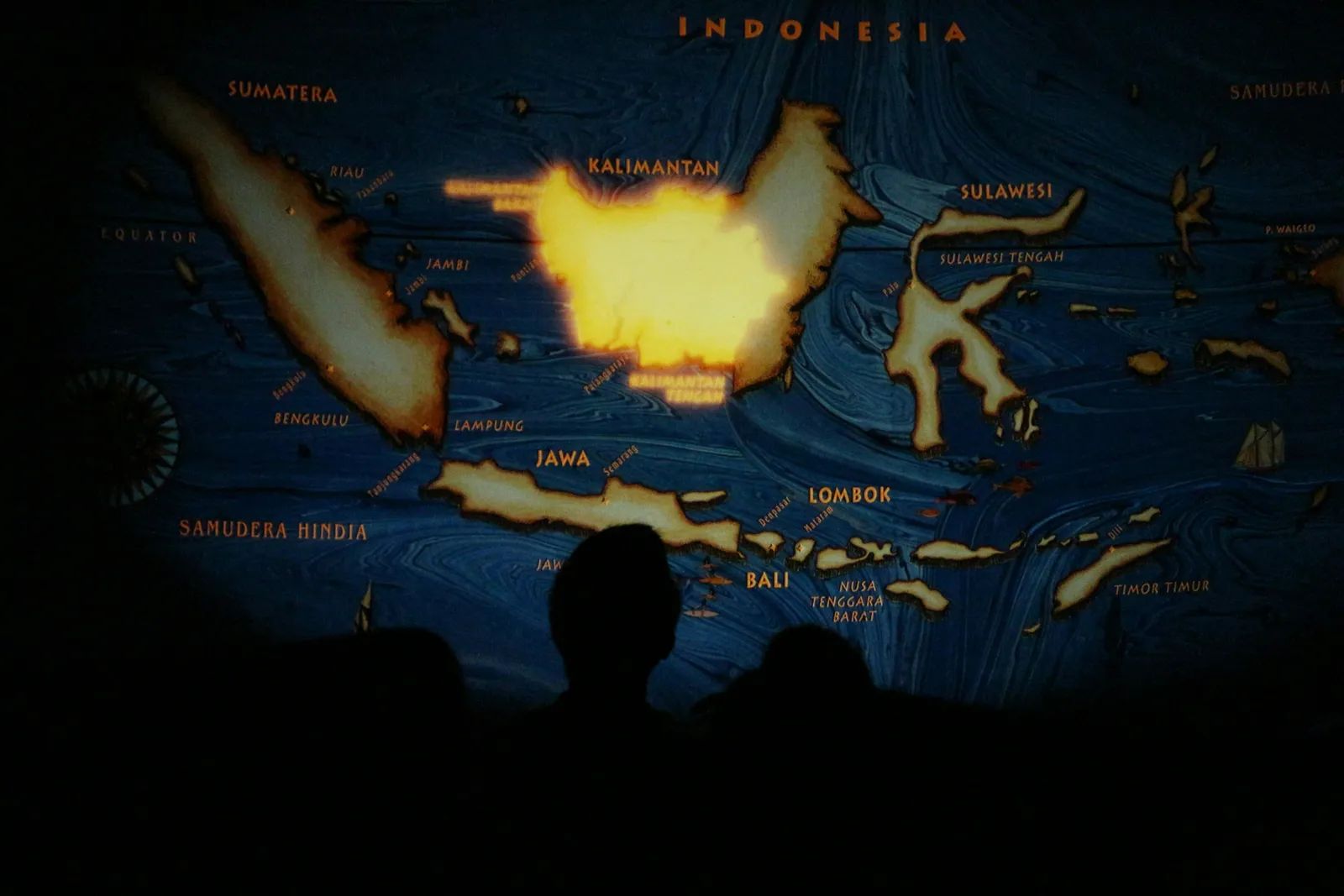
Kalimantan, the Indonesian portion of Borneo, has seen roughly 48,000 hectares of land consumed by fire so far this year. Indigenous activist and filmmaker Kynan Tegar describes the blazes as deliberate, part of a longer pattern of land concessions granted to agricultural and extractive companies. The situation has compounded existing pressures on local water supplies in one of the planet’s largest remaining rainforests.
Extent of the Damage
The burned area equals about 119,000 acres, a figure that underscores the speed at which the fires have spread since July. Tegar notes that the flames have moved through forests already weakened by decades of drainage and clearing. Peatlands, once covering more than a million hectares in the region, have been particularly vulnerable after extensive draining for commercial use. These conditions have created a feedback loop in which dried peat ignites easily and burns for extended periods. The result is thick smoke that affects air quality across wide stretches of the island. Observers on the ground report that the fires continue to advance even as seasonal rains remain delayed.
Historical Drivers Behind the Fires
Tegar traces the current crisis to policies that began in the 1970s under Indonesia’s New Order regime. Large tracts of land were leased as concessions for logging, palm oil plantations, and gold mining. Those decisions, she says, set in motion the conversion of forest and peatland that now fuels the annual fire season. The same concessions have left behind landscapes stripped of their natural moisture-holding capacity. Once waterlogged peat is exposed to air and sun, it becomes highly flammable. Tegar argues that the fires are not random events but the predictable outcome of those earlier land allocations.
Effects on Local Communities
Beyond the visible smoke and scorched earth, residents face a quieter but equally serious problem: shrinking access to freshwater. In a region famous for its rainforests, many villages now struggle to find reliable drinking water, a situation worsened by climate change and the lingering effects of El Niño. Tegar calls the contrast striking. “It’s quite an ironic thing,” she has observed. “Like, it’s one of the world’s biggest rainforest[s], and a lot of the people there are struggling for water.” The combination of fire, smoke, and water scarcity has placed added strain on Indigenous and local populations already dealing with disrupted livelihoods.
Personal Storytelling as Advocacy
In 2024 Tegar released a spoken-word music video that centers the experience of her own community in Sungai Utik. The piece uses personal narrative to illustrate the broader environmental and social pressures facing Borneo’s Indigenous groups. She continues to combine filmmaking with activism to draw attention to the fires and their root causes. Her comments were shared during a recent appearance on the Mongabay Newscast. ([1]) The discussion highlights how long-term policy choices continue to shape daily realities for people living amid the remaining forests. The fires in Kalimantan serve as a reminder that large-scale environmental change often begins with decisions made far from the affected landscapes. As the season progresses, the human and ecological costs remain closely intertwined.