Retiring abroad sounds like a permanent vacation until the first quiet Tuesday afternoon rolls around and there is no one to call. Plenty of people spend years planning the visa paperwork, the housing budget, and the healthcare logistics, then treat friendships as something that will simply happen once they land. Research on aging and retirement keeps circling back to the same finding: the people around you matter more than the passport stamp or the ocean view.
That gap between planning and social reality is where most retirees quietly fall behind. Retirees who have strong social connections and outlets for socializing are more likely to be happier than those who are more isolated. The friends you deliberately keep in your corner, not the ones you accumulate by accident, tend to decide whether an overseas retirement feels rich or just far away.
The seasoned expat mentor

Every expat community has at least one person who arrived years before you and figured out the hard lessons already. This is the friend who knows which pharmacy actually stocks your blood pressure medication and which landlord tries to overcharge foreigners. Their value is not charm, it is accumulated local knowledge that would otherwise cost you months of trial and error.
Keeping this friendship warm means checking in even when you do not urgently need anything. Bring them into your own routines, invite them to dinner, ask about their life instead of only their advice. People who feel used rather than valued tend to drift, and a mentor who drifts away takes a lot of institutional memory with them.
The local bridge builder

This is the neighbor, coworker, or shopkeeper who is not another transplant but someone genuinely rooted in the place you now call home. Their friendship does more for your sense of belonging than almost anything else on this list. Researchers found that those who had more contact with neighbors and a higher sense of belonging to their new country reported less social loneliness.
Retirees who only socialize within expat circles often end up living in a kind of parallel bubble, pleasant but disconnected from the country around them. A local friend pulls you into real conversations, real holidays, and real problem solving that has nothing to do with visa renewals. That single relationship can be the difference between visiting a country and actually living in it.
The bureaucracy savvy friend

Every country has its own maze of residency permits, tax filings, and health insurance paperwork, and expats routinely underestimate how much energy this drains. A friend who has already navigated the system, whether a fellow retiree or a bilingual local, can save you weeks of frustration and expensive mistakes. This is especially true in places where rules shift with little notice.
Spain offers a useful example of how quickly things can change. Spain updated its immigration laws in May 2025, and while the reforms simplify things for most expats, navigating Spanish administration without local help can still drain you. Someone who tracks these updates for you, or at least warns you when something has shifted, is worth far more than any online forum.
The health and fitness companion
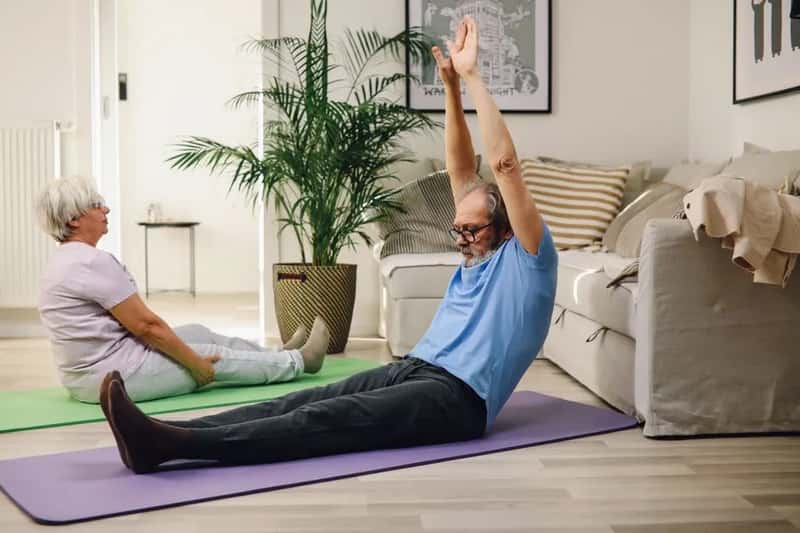
Physical health in retirement is closely tied to activity, and having a companion for walks, swimming, or gym visits makes consistency far more likely than trying to go it alone. A recent review of global retirement research noted how much can shift during this transition. Retirement may also entail the loss of daily routines, physical and mental activity, sense of identity and purpose, social interactions and connections, and reduction in income, researchers explain.
A fitness friend counters several of those losses at once, replacing a lost routine with a new one built around movement and conversation. It does not need to be dramatic. A standing Tuesday and Thursday walk with the same person, rain or shine, does more for long term wellbeing than an expensive gym membership used twice a month.
The money minded confidant
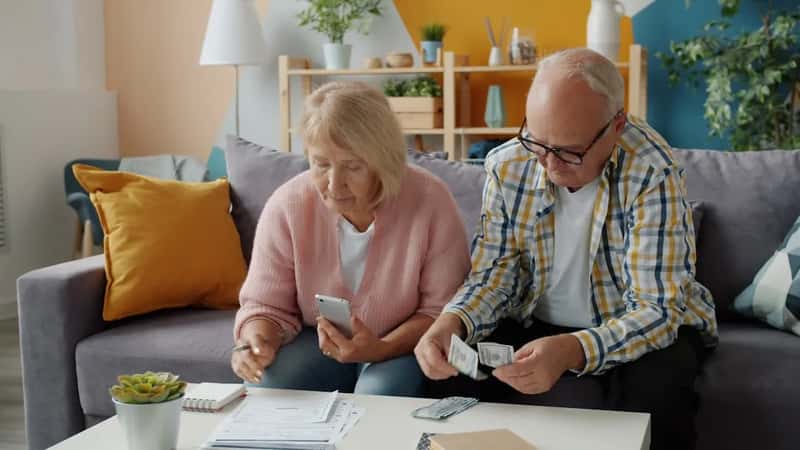
Retirement abroad comes with financial complexities that most people never faced while working, from currency fluctuations to cross border tax questions. A friend who is financially literate, whether a retired accountant, a fellow expat who has already solved these puzzles, or simply someone careful with money, becomes an informal sounding board. This is not about giving financial advice casually over coffee, it is about having someone who will ask the right skeptical questions before you sign anything.
Retirement guides consistently point out how much research this decision requires. Be sure to research any potential tax implications and confirm that your chosen destination is one of the countries where the Social Security Administration can send payments, since most countries are eligible but there are a few exceptions worth checking in advance. A financially grounded friend often catches the detail you missed on your own.
The language practice partner
Fluency, or even basic conversational ability, changes how deeply you can connect with a country. A patient friend willing to practice the local language with you, correcting mistakes gently rather than switching to English out of politeness, accelerates integration in a way formal classes rarely match. This friendship works best when it is reciprocal, perhaps you help them with English while they help you with their own language.
Ease of integration varies enormously by destination, and expats notice this immediately. How easy is it to make friends and build genuine connections is a real question expats weigh, and Colombian warmth is legendary. A dedicated language partner is often the fastest route into that kind of warmth, wherever you have landed.
The digital community anchor

Not every valuable friendship happens over dinner. Online expat groups, whether organized by nationality, neighborhood, or shared interest, often produce at least one person who becomes a genuine anchor rather than just a name in a chat thread. This person tends to be the one who organizes the actual meetups, remembers birthdays, and checks in when someone has gone quiet for a while.
Digital connection matters more for isolated retirees than people often assume. Broader retirement research suggests that an estimated 20-30% reporting some loneliness or social isolation among older adults, a figure that climbs when someone has also relocated across borders. A reliable online community anchor can be the first thread that pulls a newly arrived retiree out of that risk zone before it takes hold.
The adventure and travel buddy
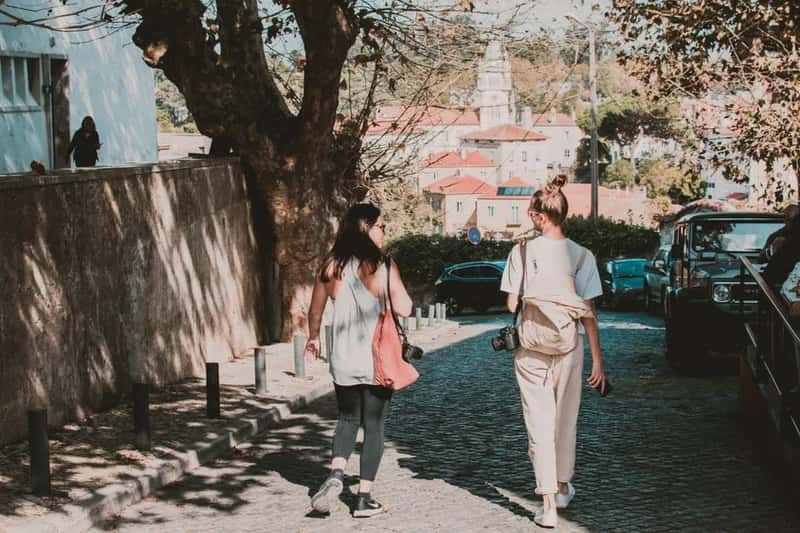
Retirement abroad often opens up regional travel that would have been impractical before, weekend trips to nearby countries, long weekends exploring a coastline, spontaneous day trips inland. Having a friend who shares that appetite turns solo sightseeing into shared memory, and shared memory is what actually sustains a friendship over years rather than months. This is also one of the easiest friendships to build, since shared curiosity about a new region is a natural conversation starter.
Destination choice shapes how much these opportunities matter. According to the 2025 Global Retirement Index, Portugal is the second-best place in the world for retirement, partly because its geography makes regional travel with friends genuinely easy. An adventure buddy makes that geographic advantage worth something beyond a brochure line.
The honest reality check friend

Every expat community eventually needs someone willing to say the uncomfortable thing, that a housing deal looks bad, that a scheme sounds too good to be true, or that homesickness might be worth addressing rather than ignoring. This friend is rarely the most fun person at the table, but they are often the one who prevents a costly mistake or a slow slide into isolation. Their value lies precisely in not telling you only what you want to hear.
Not every destination delivers on its marketing, and a grounded friend helps you see that clearly. In the Expat Insider 2024 survey, Turkey was ranked as the second worst place for expats to move to, a jarring contrast to how the country is so often marketed online. Someone willing to point out that gap between promise and reality, gently but honestly, is a friend worth protecting.
Final thoughts

Retirement abroad rewards planning, but it rewards relationships even more. The research is fairly consistent on this point: nearly 70% of participants aged 65 and older who reported engaging in social activity 4 hours a day described a high level of enjoyment and happiness, compared to 44% of those with zero social time, with social happiness peaking at 6 hours a day at 72% reporting high enjoyment. That gap between the socially active and the socially isolated is exactly where most retirees, at home or abroad, quietly get stuck.
Building and keeping the kinds of friendships described here is not about collecting contacts. It is about deliberately maintaining a small circle that covers practical needs, emotional support, and genuine belonging in a new place. Do that consistently, and you are no longer just another retiree hoping things work out. You are one of the ones who actually built a life.