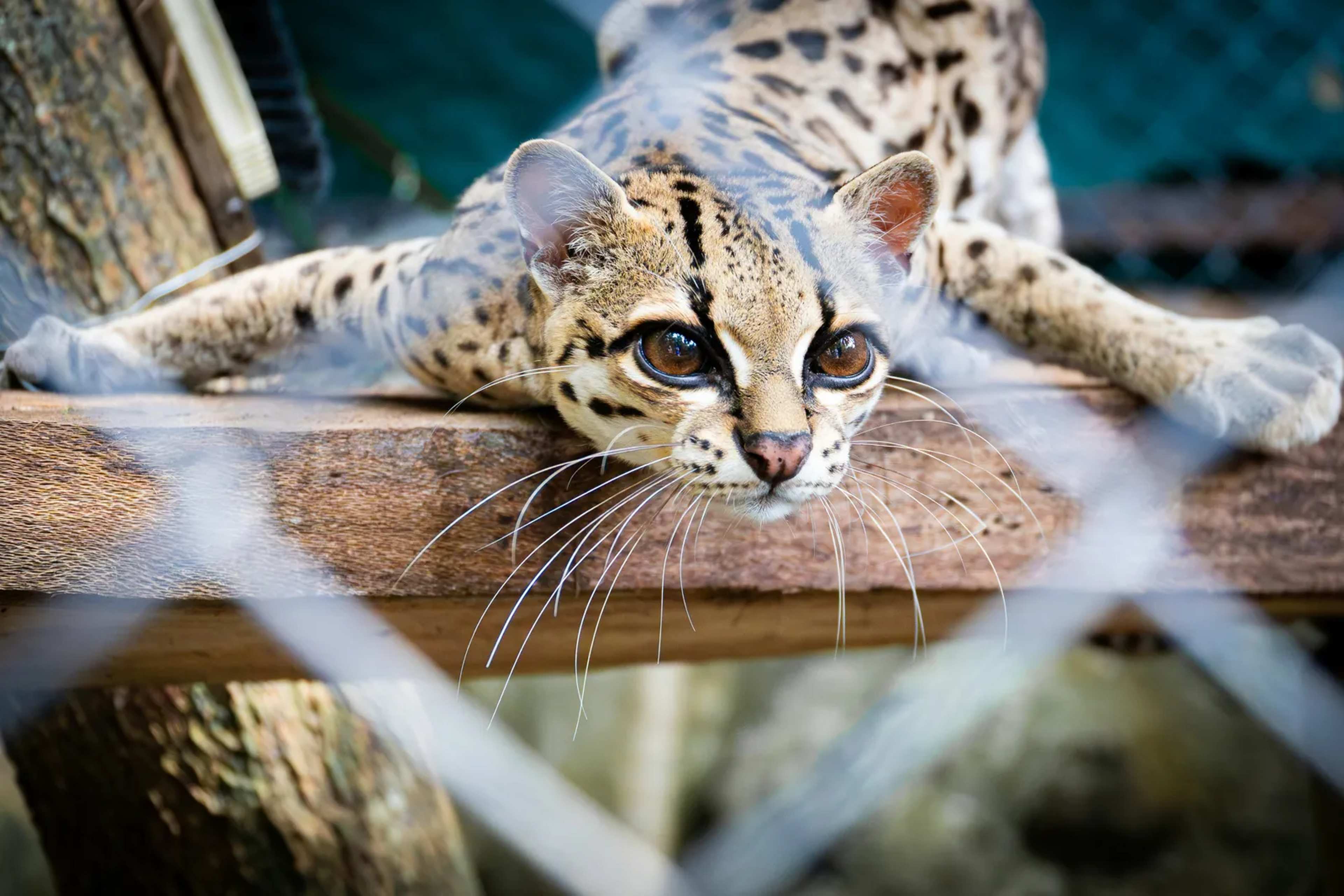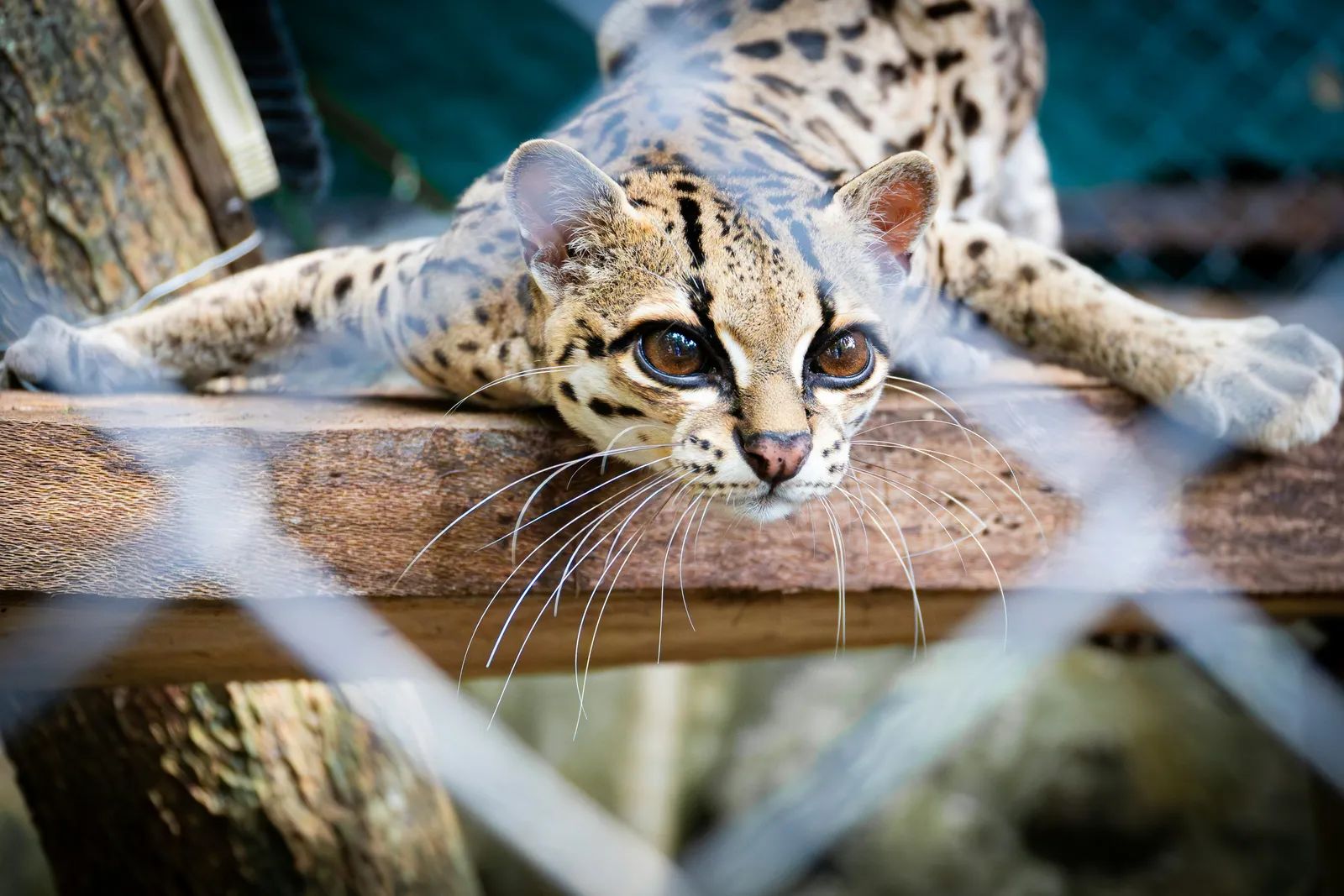
Khon Kaen, Thailand – Admissions of injured and orphaned leopard cat cubs at a government rescue facility have risen sharply in recent years, driven by habitat loss and agricultural fires. More than 60 kittens arrived between January and August alone, with over half suffering burns from sugarcane field clearing. The center works to stabilize the animals and return as many as possible to the wild.
Surge in Arrivals Highlights Growing Pressures
Before 2023 the facility typically received around 10 leopard cats each year. Numbers have climbed to as many as 65 annually, reflecting both greater habitat fragmentation and wider public awareness of a wildlife hotline. Many cubs are found alone after their mothers are displaced or killed. ([1])
The increase places extra demands on staff who must quickly assess each new arrival. Burn injuries, infections, and malnutrition are common. Early intervention focuses on medical stabilization before any behavioral work begins.
Rehabilitation Process Builds Survival Skills
Once stable, the cubs move into specialized 24-square-meter enclosures designed for rehabilitation. These spaces allow natural behaviors to re-emerge under controlled conditions. Veterinarians first complete health screenings that include tests for feline immunodeficiency virus, parvovirus, and canine distemper.
Staff monitor progress closely and adjust care as needed. The goal remains consistent: prepare the animals for eventual release where they can live independently. Success depends on both physical recovery and restored hunting instincts.
Mortality Rates Improve With Better Care
Death rates at the center have fallen from roughly 60 percent in earlier years to around 33 percent in 2026. Officials credit improved protocols and faster response times. Many earlier losses involved cubs that people had attempted to raise at home before bringing them in.
Keeping wild cats in domestic settings is illegal and often harmful. Home environments lack specialized nutrition and veterinary tools while exposing cubs to diseases carried by household pets. The center emphasizes that professional care offers the best path forward.
Release Remains the Ultimate Aim
Staff track each cub’s development until it demonstrates the ability to hunt and avoid threats. Only then is release considered. The process underscores the challenges of conserving small wild felids amid expanding farmland and changing land-use patterns.
Continued monitoring after release helps measure long-term outcomes, though data remain limited. The center’s work illustrates both the immediate needs of individual animals and the broader pressures facing their populations.