Some American cities were once magnets for ambition, industry, and culture. People moved there by the hundreds of thousands, chasing opportunity and the promise of a better life. Fast forward to today, and a quiet but very real transformation has taken place across parts of the country. Streets that once buzzed with activity now bear the scars of empty storefronts, vanishing residents, and crumbling infrastructure.
These aren’t forgotten small towns. These are real cities with real histories. What went wrong, and what does it mean if you are thinking of visiting or relocating? Let’s dive in.
1. Detroit, Michigan – The Fall of the Motor City
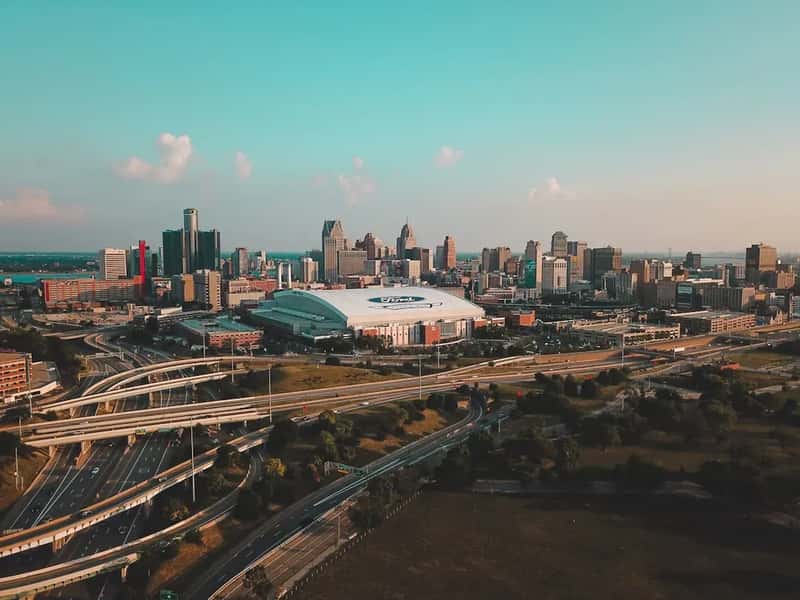
Detroit reached its peak in the 1950s with a population of 1.8 million, but by the mid-2000s, the population had dropped by more than 60%. That is one of the most dramatic urban collapses in American history, and honestly, few cities in the world tell that story more visibly. According to the urban regeneration nonprofit Detroit Future City, there are more than 100,000 vacant lots that have become symbols of urban blight.
Detroit’s total crime rate in 2025 sits at 66.09 per 1,000 people, with a violent crime rate that is nearly five times higher than the national average. Property crime remains a major issue, with roughly 1 in 22 residents likely to become victims. The city’s poverty rate stands at 33.8%. That is a staggering number by any measure.
It is not all grim, though. In 2024, the city celebrated its first year-on-year population growth in more than six decades. Detroit also finished 2024 with 203 homicides, the fewest on record since 1965. Signs of recovery are real, if fragile.
2. St. Louis, Missouri – America’s Steepest Decline

According to 2024 U.S. Census data, St. Louis had the most severe population decline of any American city, losing more than 20,000 residents in just four years. Let that sink in. A city that was once a thriving industrial powerhouse and gateway to the American West is shrinking faster than any other major urban center in the country right now.
At its peak in the 1950s, St. Louis had nearly 900,000 people. The population now stands at just under 280,000 – a drop of about 65%. The city has also faced high violent crime rates, ranking among the most dangerous in the U.S., while deindustrialization and job loss have led to widespread urban blight and abandoned buildings.
Manufacturing job losses and slow economic diversification have reduced St. Louis’s ability to retain residents. Many younger workers leave in search of stronger job markets elsewhere, and without sustained job growth, the city continues to struggle to attract new residents. It is a city stuck in a cycle that is genuinely hard to break.
3. Cleveland, Ohio – The Rust Belt’s Painful Legacy
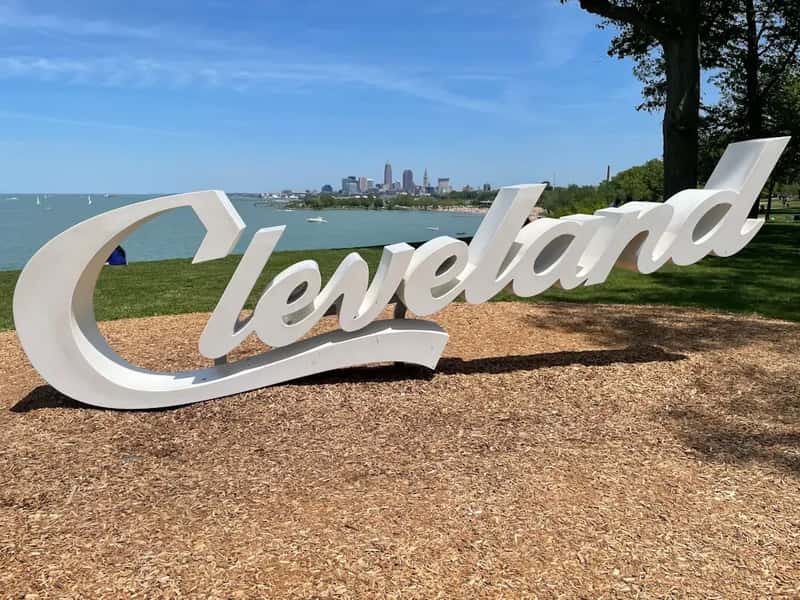
Cleveland’s population dropped roughly a fifth since 2000, while Youngstown fell by more than a quarter and Flint by nearly a third, illustrating the widespread nature of Rust Belt decline. These are not abstract statistics. These numbers represent real families, closed schools, shuttered businesses, and neighborhoods reduced to half their former size.
The rapid loss of jobs in the steel and manufacturing industries was a major driver of the decline. According to a report by Case Western Reserve University, roughly a third of manufacturing jobs had disappeared by the 1980s. A stagnating economy and a shrinking tax base have placed immense strain on city services, while the infrastructure, much of which dates back to the early 1900s, desperately needs repair. Reports suggest that nearly 36% of Cleveland’s population lives below the poverty line.
There are some signs that Cleveland is rebounding. In 2024, the city celebrated the fact that it had not lost more residents, with the population plateauing at around 360,000. Stability is not growth, but after decades of freefall, the city will take it.
4. Baltimore, Maryland – Charm City’s Fading Shine
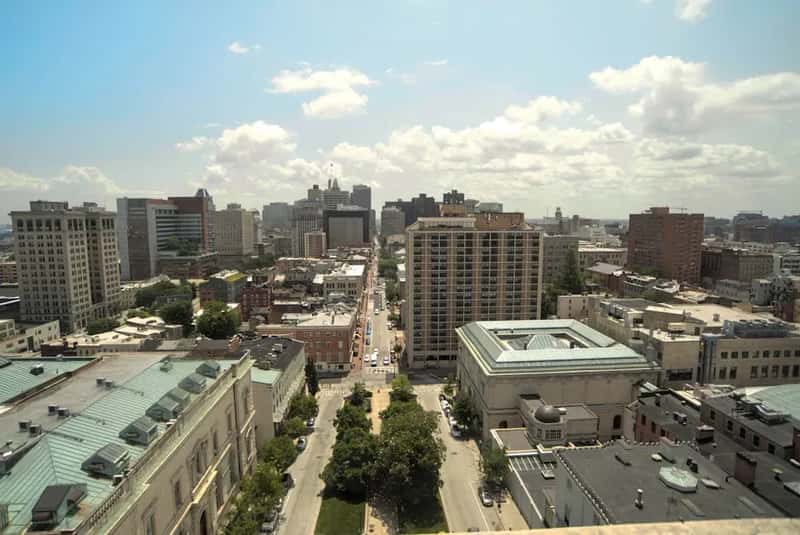
Baltimore suffered one of the steepest population declines among major U.S. cities, losing nearly 6% of its residents between 2010 and 2020. Families are leaving faster than new ones move in, creating a real demographic crisis. Economic opportunities have dried up while crime rates remain high in many neighborhoods, and the city that once thrived on shipping and manufacturing now struggles to find its identity in the modern economy.
Baltimore struggles with high rates of violent crime, deep-seated poverty, and significant racial segregation and inequality. These issues create instability, hinder economic investment in affected neighborhoods, and contribute to population loss. I think what makes Baltimore particularly heartbreaking is just how much potential the city still has, sitting right on the Chesapeake Bay with a rich cultural identity that refuses to die.
Long-standing issues such as crime concerns, aging housing stock, and economic inequality contribute to ongoing out-migration. The decline has persisted across multiple census cycles, and Baltimore’s population today is far below its original historic peak. For travelers, the city’s Inner Harbor and cultural institutions remain genuinely worth a visit, even as deeper challenges persist just a few blocks away.
5. San Francisco, California – When the Dream Becomes Too Expensive

Over 60,000 residents packed their bags and left San Francisco between 2020 and 2022, creating roughly a 7% population drop. Young adults aged 20 to 29 decreased from 18% to just 14% of the population, draining the city’s energy and nightlife. Crime rates, homelessness, and sky-high living costs pushed the city’s livability ranking from 27th to 126th place.
Rising homelessness and a volatile real estate market have driven residents to more affordable areas. San Francisco faces a significant homeless crisis, with over 8,000 people experiencing homelessness as of 2024, a 7% increase from the previous year. The city saw a net loss of nearly 100,000 residents between 2020 and 2023. Here’s the thing though – the city is not done yet.
Census estimates indicate that San Francisco remains below its 2020 baseline, with analysts citing high housing costs and remote work as key factors contributing to domestic out-migration. The loss has been steady rather than sudden, signaling a long-term shift rather than a temporary dip. The city gained roughly 1,200 people by July 2023 compared to a year earlier, but that still left it about 7% smaller than its peak in 2019.
6. Jackson, Mississippi – A City Without Clean Water
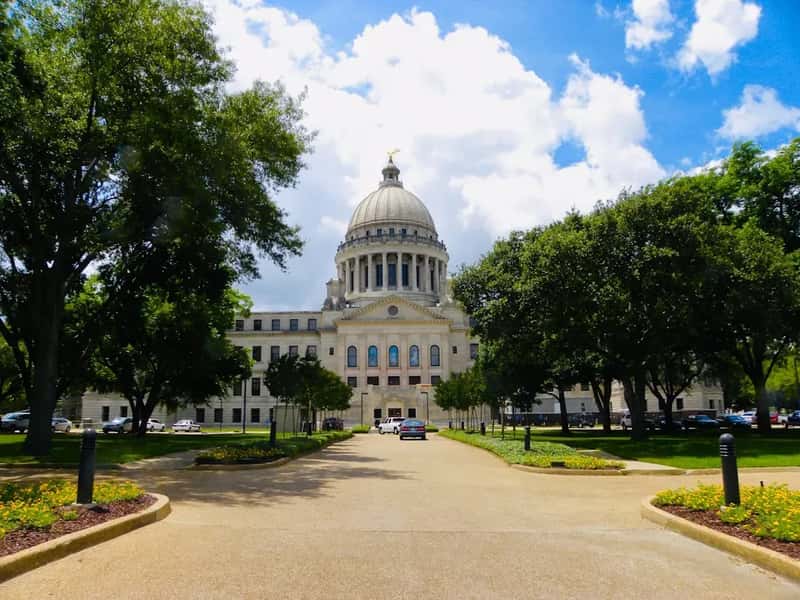
In August 2022, a state of emergency was declared in Jackson, Mississippi, because its drinking water infrastructure failed to supply water to most of its residents for several days. Jackson is a city with an ongoing water crisis due to underfunded aging water infrastructure. Think about that for a moment. In 2022, in one of the wealthiest nations on earth, residents of a state capital went without running water. It is almost impossible to believe.
Jackson’s water crisis stems from years of neglected infrastructure, budget cuts, and a lack of proactive maintenance. Lead contamination and the presence of harmful bacteria have raised serious health concerns, particularly for children, who are especially vulnerable to lead exposure. Jackson saw a population decline of approximately 12.7% between 2017 and 2022, and now houses roughly 146,000 residents.
Jackson’s mayor estimated the cost to repair the city’s water systems at nearly $2 billion, while new federal infrastructure dollars to the state totaled just $75 million. Years of neglect, population loss, and a shrinking tax base have made it difficult to fund necessary repairs and upgrades, and these infrastructure failures continue to impact daily life, public health, and economic development. The gap between what is needed and what is available remains enormous.
7. Chicago, Illinois – A Giant Losing Its Grip
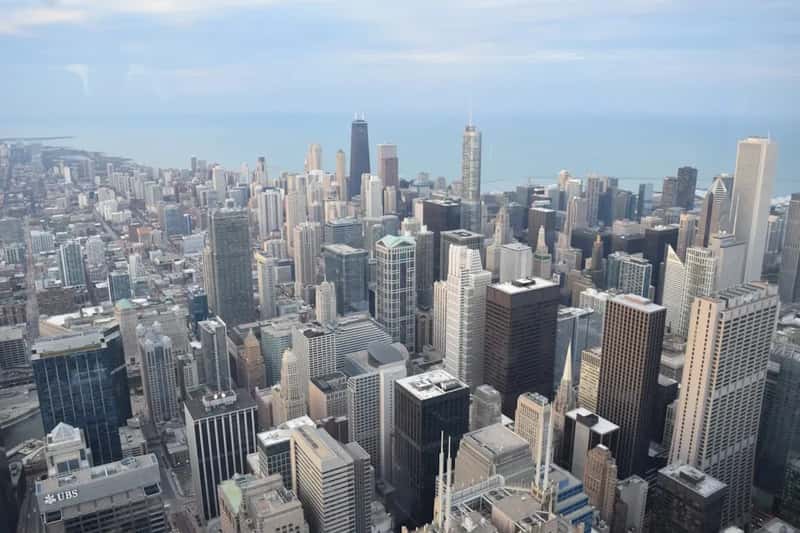
Chicago has lost over 45,000 residents since 2020, driven by high crime rates, economic instability, and better opportunities elsewhere. Major corporations like Boeing and Caterpillar have moved out of Illinois, citing better business environments in other places, further weakening the local economy. When big employers leave, the ripple effects hit every corner of a city economy – restaurants, retail, property values, and the tax base that keeps everything else running.
Residents frequently complain about high taxes, the financial stresses on the state, the crime rate, and harsh weather. Population declines are expected to continue in Chicago, and the population in Illinois cities is also projected to decline further in the coming decades. That is a sobering forecast for a city that was once the undisputed economic engine of the Midwest.
Chicago’s visitor economy tells a more encouraging story, with the number of visitors rising 6.5% to 55.3 million in 2024 compared to 2023, and international visitors topping 2 million for the first time since 2019. Chicago brought in a record total of $490 million in hotel tax revenue that year. So tourists are still coming. It’s the people who were born there – the ones who called it home – who are quietly leaving.
What These Cities Tell Us About Urban America

These seven cities are not outliers. They are part of a broader national pattern. Declines in a community’s population can result in decreased demand for businesses, housing, and services, which can lead to higher per capita costs among the remaining tax base for maintaining infrastructure and even the closure of local amenities. An aging or shrinking population can also affect the local job market and culture in lasting ways.
Several key factors contribute to population decline in struggling cities: the loss of manufacturing jobs and major industries, rising housing prices and taxes making cities unaffordable, and quality of life concerns including high crime rates, poor schools, and inadequate healthcare access. It’s rarely just one thing. It’s a slow-moving avalanche of interconnected problems, each one making the next worse.
The nation is continuing its decades-long move to the South and Southwest, while older, coastal cities mostly continued to decline. Whether that trend reverses in the years ahead depends on policy decisions, investment priorities, and the resilience of communities that are still, despite everything, fighting to stay. What do you think – can these cities turn things around, or is the pattern too deeply set to change? Tell us in the comments.