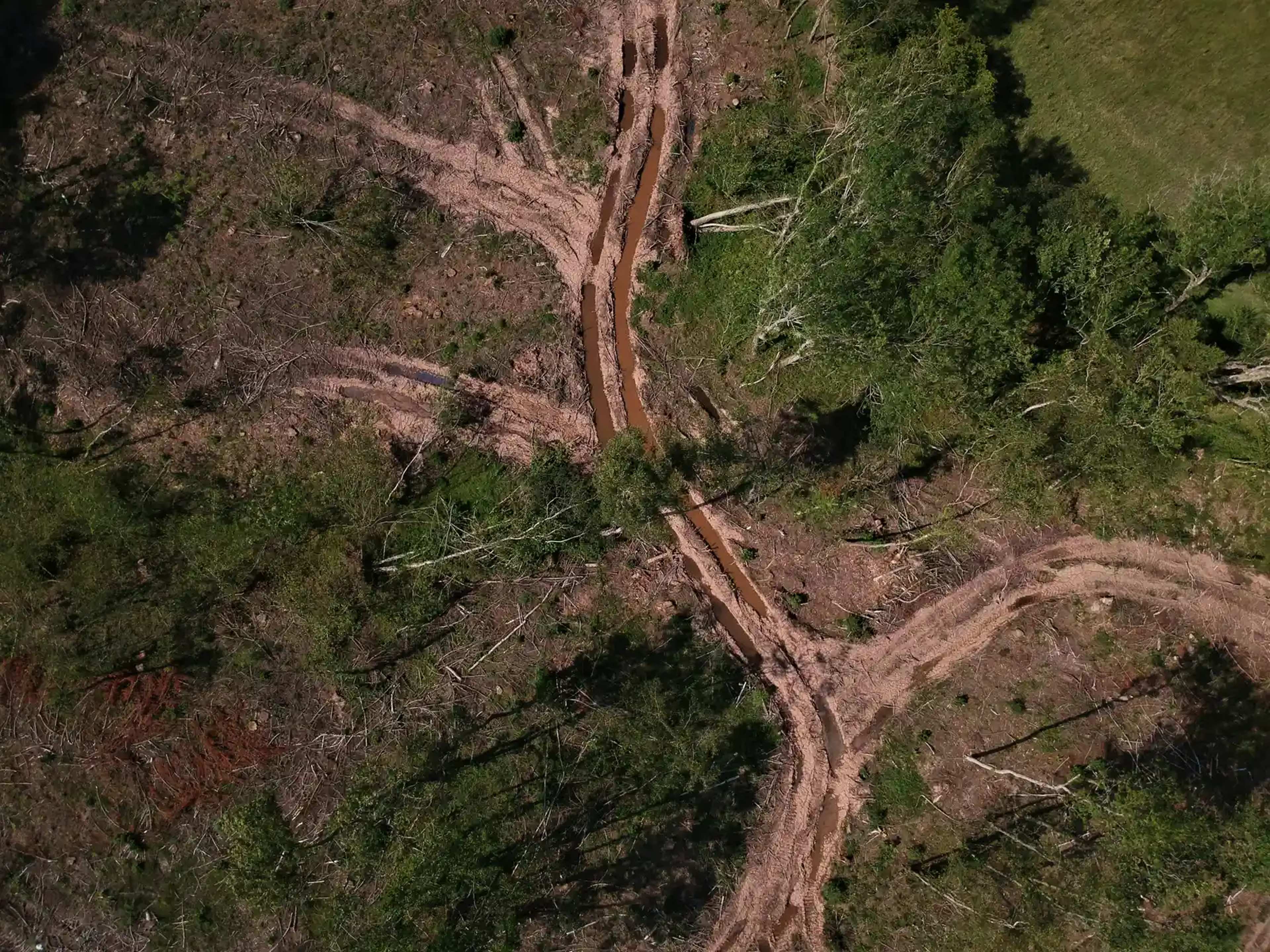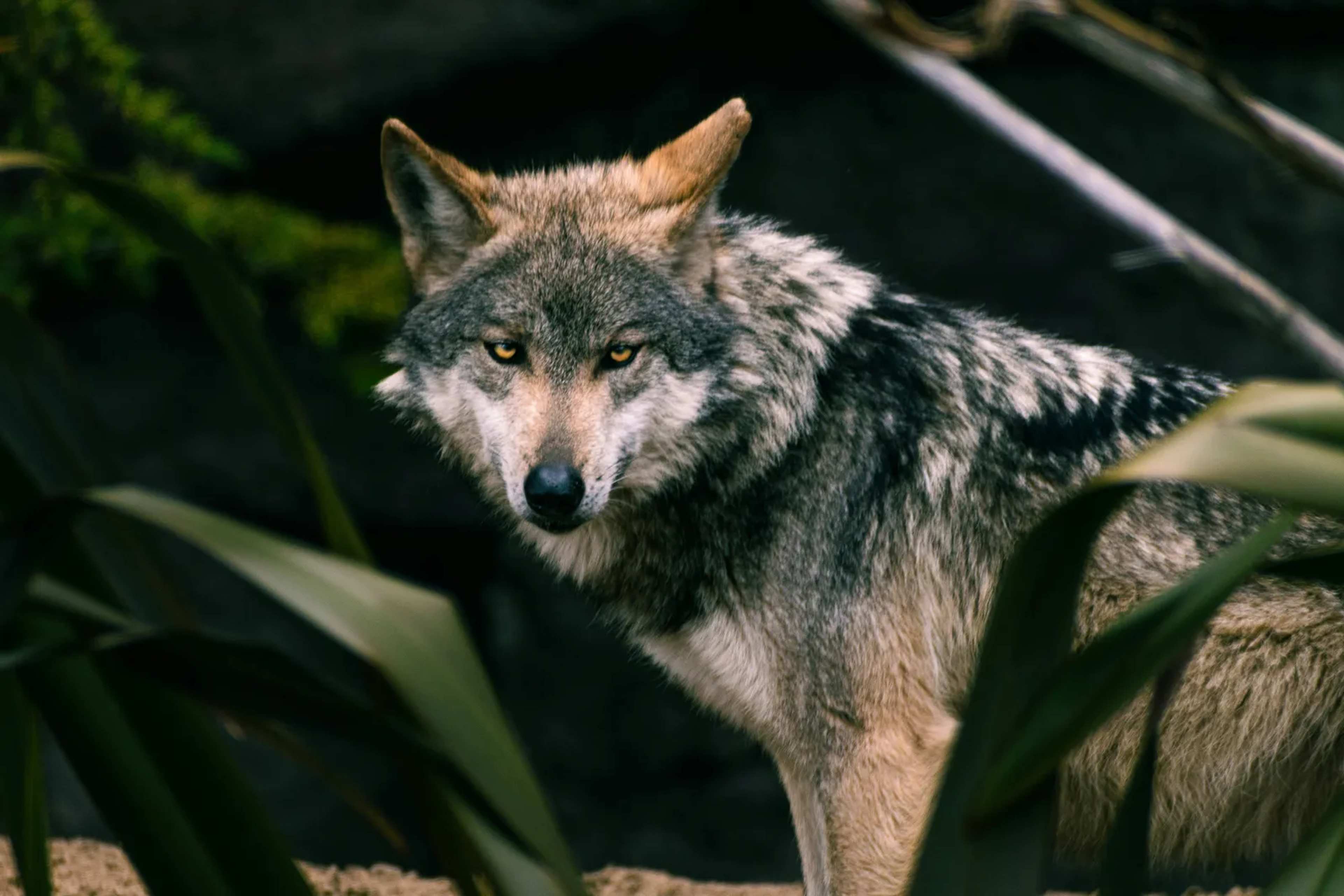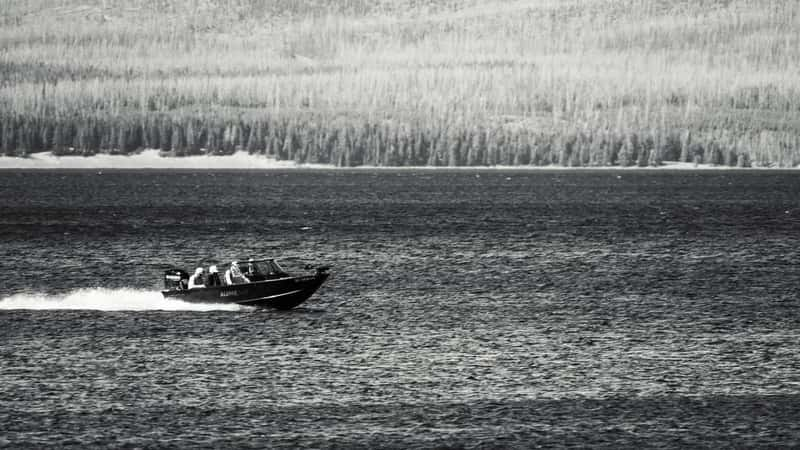
Like wolves, non-native lake trout have radically altered Yellowstone ecosystems (commentary) – Image for illustrative purposes only (Image credits: Unsplash)
Yellowstone National Park – The familiar tale of wolves restoring balance after their 1995 return has shaped how millions view the park. Yet another major change unfolded at the same time beneath the surface of Yellowstone Lake. Non-native lake trout arrived and began reshaping aquatic life in ways that reached far beyond the water.
A System Already in Flux
The park’s landscape had undergone repeated transformations long before wolves arrived. Beavers declined sharply after heavy trapping in earlier centuries, which affected streams and vegetation patterns. Grizzly bears faced intense pressure from persecution, weakening links between water and land ecosystems. Bison numbers crashed in the late 1800s before partial recovery under protection. Large predators disappeared early in the 20th century, allowing elk herds to grow unchecked.
These shifts altered nutrient flows and plant-animal interactions across the region. Wolf reintroduction therefore entered a dynamic environment rather than a fixed one. The changes continued even as the well-known predator returned to the valleys and river corridors.
The Underwater Arrival
Lake trout reached Yellowstone Lake through human introduction around the same period. Unlike wolves, the fish operated out of sight and produced no dramatic visual record for visitors or filmmakers. Their presence quickly influenced native cutthroat trout populations and the broader food web that connects lake life to surrounding forests and wildlife.
Energy movement through the system changed as lake trout consumed resources that once supported other species. The effects extended to birds, mammals, and plants that depend on the lake’s productivity. This silent reorganization paralleled the more visible adjustments attributed to wolves on land.
Parallel to Other Invasions
Introduced predators have demonstrated similar power elsewhere. The Burmese python in the Florida Everglades reduced prey numbers and redirected energy pathways after its arrival. Yellowstone’s lake trout followed a comparable pattern, though in a colder, higher-elevation setting with different native species.
Both cases show how a single non-native predator can trigger cascading adjustments without the dramatic imagery of large mammals on the landscape. The lake trout story lacks the photogenic appeal of wolves but carries comparable ecological weight.
Why the Distinction Matters
Visitors often hear the wolf narrative during park tours and interpret it as the central recovery event. Recognizing the simultaneous lake trout introduction adds necessary context to that account. Management decisions now address both surface and underwater dynamics to support overall ecosystem health.
Park scientists continue monitoring how these overlapping changes interact. The combined history underscores that Yellowstone has never remained static, even during periods celebrated for restoration.
Understanding the full sequence of events helps frame future conservation efforts more accurately. The lake trout chapter remains essential to any complete view of how the park’s waters and lands continue to evolve together.