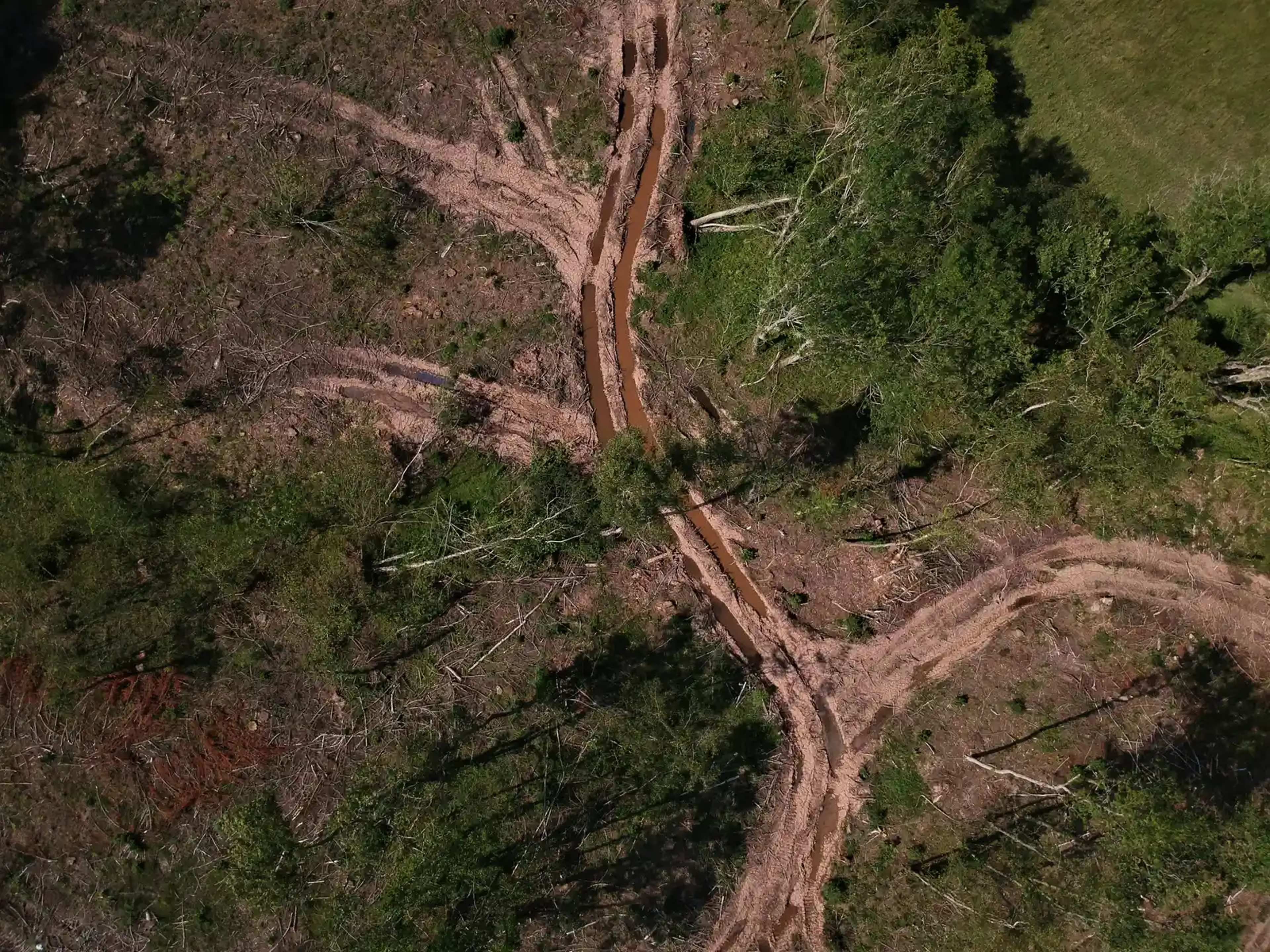
Belize – Four years ago a Mennonite community in Spanish Lookout bought a key parcel inside the Maya Forest Corridor, a government-designated link between remaining forest blocks. Clearing began before any environmental review was finished, and the buyers outbid a conservation group that had sought the same land for protection. The episode illustrates a larger pattern of land acquisition and forest conversion tied to Mennonite settlement in the country.
The Specific Transaction
The purchase placed new agricultural land directly within the corridor that planners had hoped would keep forest patches connected. Community members started cutting trees and preparing fields ahead of required assessments, which triggered reports of fires and runoff. Conservation organizations had competed for the property but lost the bidding process. The sequence left the corridor narrower at that point and removed a potential buffer zone. Local observers noted that the rapid start of work limited opportunities for mitigation measures that might have been negotiated earlier.
Longer Settlement History
Mennonite families first arrived in Belize more than six decades ago and have since established multiple colonies by converting forest to farmland. Each new settlement typically requires fresh land for crops and pasture, creating steady pressure on remaining woodland. The communities remain largely self-contained, which has shaped how land deals are negotiated and executed. Over time these purchases have concentrated in areas that were once remote or lightly used. The pattern has produced visible changes in forest cover across several districts, especially where new colonies border protected zones or corridors.
National Forest Loss Figures
Between 2001 and 2025 Belize lost roughly 20 percent of its forest cover, equal to more than 350,000 hectares. That total matches the size of Rhode Island and reflects cumulative clearing for agriculture, settlement, and other uses. Mennonite expansion accounts for a substantial share of the documented loss according to multiple monitoring efforts. The country remains smaller than New Jersey yet still holds significant stretches of tropical forest that support biodiversity and tourism. Continued conversion inside designated corridors reduces the effectiveness of those planning tools.
Stakeholder Outcomes
Conservation groups lost ground in at least one high-profile bid and now face a more fragmented corridor. Government agencies must balance development interests with corridor integrity when reviewing future applications. Mennonite communities gain productive land that supports their agricultural economy and population growth. The practical result is a narrower ecological connection between forest blocks and fewer options for restoring connectivity later. Monitoring through land records has made these transactions more visible than in earlier decades.