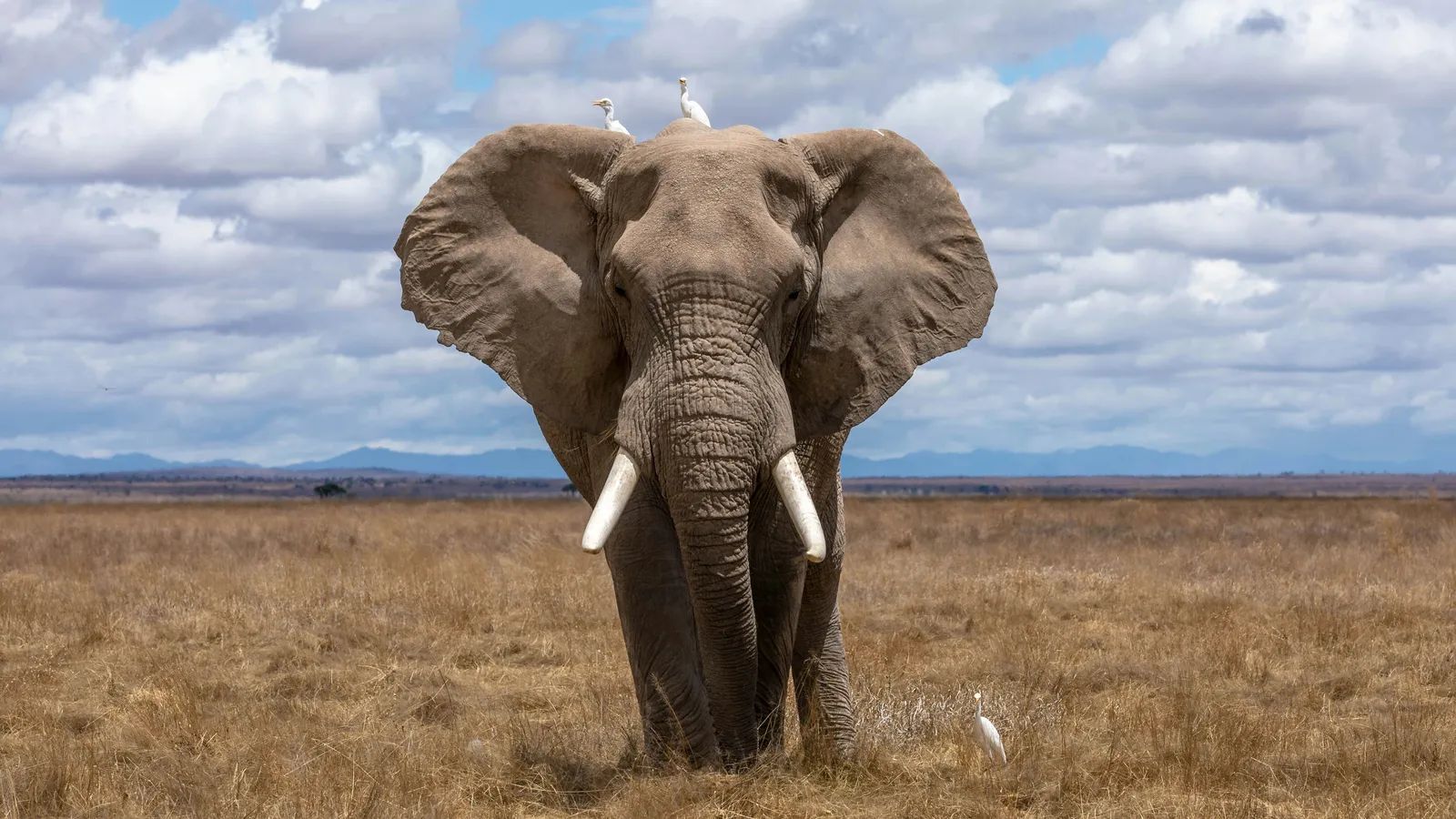
Less than half a century ago, the forests and open habitats of Laos supported large populations of some of Asia’s most iconic mammals. Asian elephants moved in herds, Javan and Sumatran rhinos lived in the region, wild water buffalo occupied wetlands, and the kouprey, a wild cattle species now globally extinct, was still present. Indochinese tigers also hunted across these landscapes. Today only the elephants remain in any numbers. ([1])
Historical Presence of Megafauna
Records dating back to the mid-19th century document a rich assemblage of large mammals across Laos. These species played important roles in shaping vegetation, seed dispersal, and predator-prey dynamics. Their presence was tied to extensive forest cover and varied habitats that once stretched across much of the country.
The kouprey stood out as a distinctive element of this fauna. Its extinction marks a permanent loss from the region’s biodiversity. The two rhino species added further weight to the historical record, even as their numbers were already under pressure by the late 20th century.
Drivers of Decline
Habitat conversion for agriculture and infrastructure projects reduced available range for wide-ranging species. At the same time, hunting for local consumption and the international wildlife trade removed animals at rates that populations could not sustain. These pressures operated even while Laos maintained relatively high forest cover compared with neighboring countries.
A recent analysis of species records and survey data shows that stronger monitoring and enforcement could have altered these outcomes. The study points to delayed responses and limited capacity to control illegal hunting as key factors. The result is a landscape that appears structurally intact yet functions as “empty forest” for many large vertebrates.
Current Conditions and Recovery Needs
Laos retains an extensive protected-area network and substantial remaining forest. These assets provide a foundation for conservation, yet the absence of key predators and herbivores limits ecological processes that once operated across the landscape. Elephants persist in reduced numbers, but the rhinos and kouprey are gone.
Experts emphasize that recovery depends on sustained action at the site level rather than policy statements alone. Effective measures include consistent anti-poaching patrols, better coordination across protected areas, and long-term monitoring programs that track both species and threats. Without these steps, further losses remain possible even in areas that still hold forest cover.
The study concludes that the declines observed were not inevitable. Targeted investment in enforcement and community-level protection offers the clearest route to stabilizing what remains and potentially restoring some ecological functions over time.