Videos of passengers dragging roller bags down inflatable slides have become a strange fixture of modern air travel, and regulators have finally had enough. Over the past year, aviation authorities and airline trade groups have launched formal campaigns, safety alerts, and even academic studies aimed at one stubborn problem: people just will not let go of their luggage when a plane needs to be evacuated in seconds.
What might look like a minor lapse in judgment on a shaky cell phone video actually represents a serious safety failure with a body of research behind it. Aviation officials now say this behavior has become common enough, and dangerous enough, that it deserves the kind of coordinated response usually reserved for mechanical failures or pilot training gaps.
A Pattern That Cameras Keep Catching
It used to be that only investigators and insiders saw footage from real evacuations. Now nearly every passenger has a phone, and clips of people calmly wheeling suitcases across tarmacs after fiery landings circulate within hours. Industry watchers note that this has been an issue for several years, but with the widespread use of mobile phone cameras capturing recent emergency evacuations from every angle, it’s a problem that’s becoming increasingly difficult to ignore.
Recent incidents have made the pattern impossible to dismiss as a one-off. From a Delta Connection regional jet that overturned in Toronto to an American Airlines evacuation in Denver, footage has repeatedly shown travelers pausing to grab bags from overhead bins even as smoke or fire threatened the cabin. Aviation regulators say the sheer volume of documented cases is what finally pushed the issue to the top of the safety agenda.
Why the FAA Finally Stepped In

In September 2025, the Federal Aviation Administration issued a formal safety alert on the matter. According to the agency, the FAA announced a safety alert telling airlines they should do more to make sure passengers don’t try to evacuate with their carry-on bags in an emergency, since bringing luggage during an evacuation can slow the process, potentially risking the lives of passengers still on the plane, and bags can damage emergency exit slides.
The alert did not mince words about the consequences. The FAA stated that it has been cited as a contributing factor in delayed evacuations, increased injury rates, and compromised survivability during time-critical emergencies involving smoke, fire, or structural damage. Regulators asked airlines to conduct clear safety briefings, passenger outreach campaigns and leverage their safety management systems to warn passengers to leave their bags behind.
The Official Alert, In Its Own Words
The formal document behind the FAA’s warning, known as SAFO 25003, spelled out the hazards in blunt regulatory language. It described the risks as “elevated injury and fatality risk, due to passenger crowding in aisles and exits blocked by baggage, delays to egress, increasing total evacuation time beyond survivability thresholds, trip, slip, and fall hazards, particularly in high-stress, low-visibility environments and damage to evacuation slides.”
The alert followed a string of visible incidents, including one in July 2025 when passengers were forced to evacuate an aircraft on a Denver tarmac using emergency slides. Although compliance with an FAA safety alert is technically voluntary, the agency made clear it expects airlines to treat the guidance as a serious operational priority rather than a suggestion.
IATA’s Global Push: Save a Life, Not a Bag
The International Air Transport Association, which represents the vast majority of the world’s airlines, has taken the campaign a step further. IATA launched a new global safety campaign urging passengers to stop taking cabin baggage or filming during emergency evacuations, warning that even a few seconds of delay can put lives at risk, backed by the US Federal Aviation Administration and the European Union Aviation Safety Agency.
The campaign uses animated characters to make its point memorable, and the messaging is unapologetically direct. IATA’s Nick Careen explained the gap the campaign is trying to close, noting that “the majority of passengers know what to do in an accident. There is, however, a significant gap in knowledge among some travellers that could result in disaster. Even just a passenger or two taking a few extra seconds to gather personal items can endanger lives.”
When Education Isn’t Enough: Talk of Fines
IATA has gone as far as suggesting that softer approaches may not be sufficient on their own. The organization warned that drastic action may be needed to stop people blocking aisles to retrieve their belongings when escape chutes are deployed on aircraft, following a recent surge of cases in which people have held up evacuations. Survey data backing the campaign found that fewer than two thirds of passengers know to leave all items behind in an emergency.
Careen has been candid about where this could lead if behavior does not change. He said the industry’s first move is education, but added that “if we don’t see the changes we are expecting to see then we will have to be a little bit more draconian, which could be penalties.” He even pointed to existing models, suggesting fines could be issued in a similar way to how they are for unruly behaviour at airlines including Ryanair.
The 90-Second Standard Under Pressure
Modern aircraft are certified under the assumption that a fully loaded cabin can be emptied in just ninety seconds, even with half of the exits unusable. That number, however, was established using controlled test conditions that do not always reflect how real passengers behave under stress. Some longtime crew members and aviation writers argue the benchmark has become somewhat detached from reality, given the presence of luggage, panic, and mixed-mobility passengers in genuine emergencies.
Research modeling this exact scenario has found troubling results. One simulation study concluded that if 50% of passengers attempt to retrieve luggage, median evacuation times rise by around 38%, and worst cases exceed 140 seconds, far beyond the 90-second certification standard. Another academic analysis found that even a quarter of passengers stopping for bags can prove fatal to others still trying to escape.
What Real Evacuations Have Shown
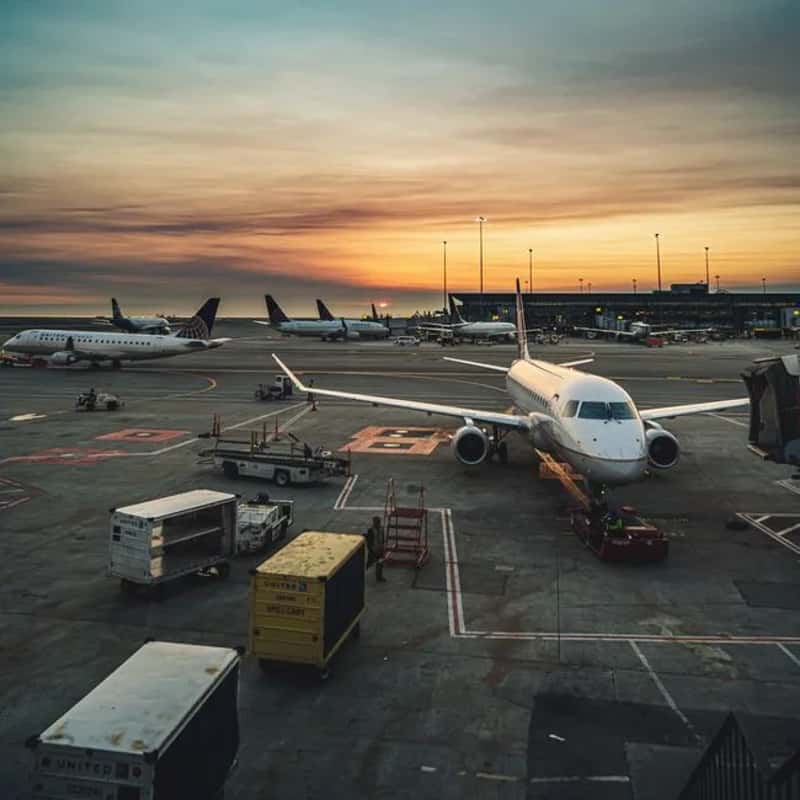
The most sobering evidence for why bags need to be left behind comes from actual accidents rather than laboratory simulations. In the 2019 Aeroflot Superjet fire at Moscow’s Sheremetyevo Airport, investigators concluded that passengers retrieving hand luggage likely slowed evacuation and worsened the outcome, and forty passengers and one flight attendant died in the post-crash fire.
More recent incidents echo the same lesson without the tragic body count, largely thanks to circumstance rather than compliance. During a May 2026 Frontier Airlines evacuation, cabin crew were recorded pleading over the intercom, telling passengers “Please leave all belongings; your belongings are safe, your lives are more important!” One passenger reportedly responded that her belongings mattered more, a moment that industry observers have called emblematic of the broader challenge.
Why People Grab Their Bags Anyway
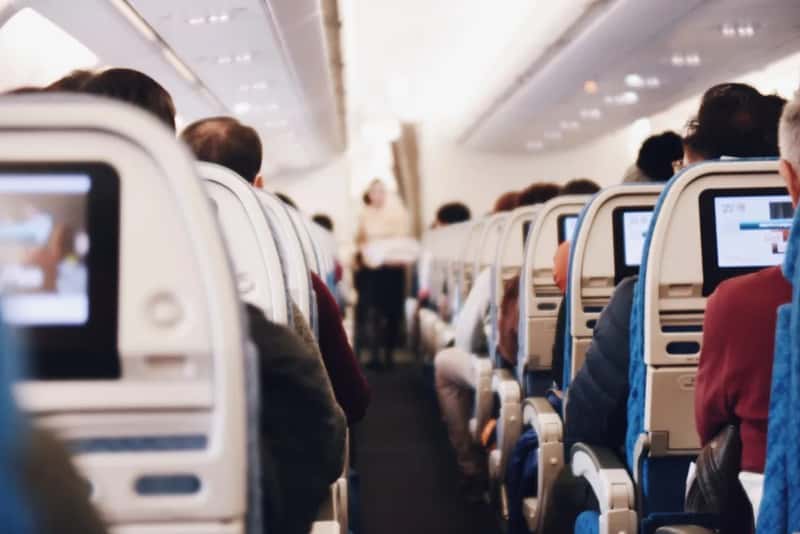
Understanding this behavior is now considered important enough that IATA plans to formally study it. According to the group’s head of safety, the goal is “looking at this from a psychological perspective is going to be really important in understanding whether this is a behaviour that we can change, and if it is, what do we need to do to appeal to people to do the right thing.”
Flight attendants who have witnessed the split-second decision firsthand describe it as an instinctive, almost reflexive response rather than a calculated risk. As one union representative for cabin crew put it plainly, “there is nothing in your suitcase that is worth your life or someone else’s life.” Crew members also point out that in the chaos of a real emergency, there is often no good option for intervening, since “we have to make a decision in a split second as to are we going to argue with a passenger to try and take their bag away from them or just go.”
Could Locking Overhead Bins Be the Fix?
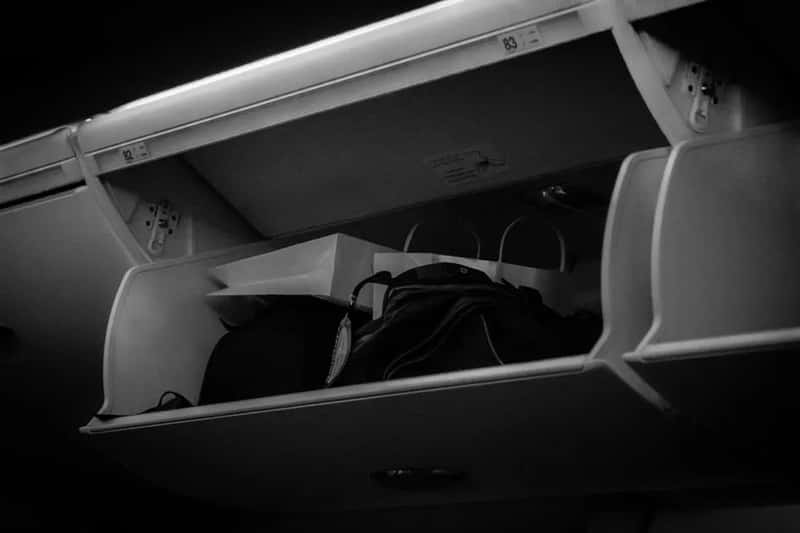
One proposed technical solution involves overhead bins that lock automatically the moment an emergency evacuation begins, physically preventing passengers from opening them at all. The idea has been floated by aviation safety bodies for years, yet critics note that it’s been more than seven years since RAeS recommended lockable overhead bins, and in that time, there has been literally no movement from aircraft manufacturers, third-party suppliers, or airlines to develop such a system.
Skeptics of the locking-bin approach also argue it might backfire, since panicked passengers could waste precious time trying to pry open a bin they believe should be accessible. Airlines have also shown little appetite for restricting carry-on allowances altogether, given how central that convenience has become to the passenger experience and to airline revenue from bag fees.
What Passengers Are Actually Being Told to Do
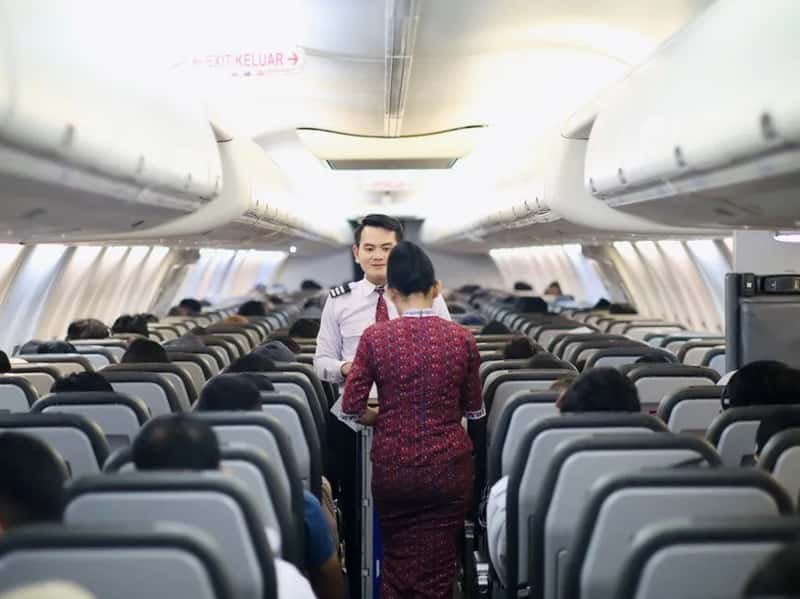
Cutting through the debate over long-term fixes, the message to travelers right now is simple and consistent across every regulator and airline union involved. Sara Nelson, president of the Association of Flight Attendants, summed it up by urging passengers to “listen to the flight attendant instructions and leave your bags behind,” adding that “the only thing you need to do is save your life and the lives of everyone else on board.”
Officials also suggest a bit of preparation before things ever go wrong. IATA recommends that passengers prepare before takeoff and landing by keeping essentials such as passports, medication and money on their person, so that nothing valuable is left behind that might tempt someone to turn back for a bag once an evacuation begins.
Final Thoughts
The evidence gathered over the past several years, from simulation studies to real crash investigations, points to the same uncomfortable conclusion: a suitcase is never worth the extra seconds it steals from an evacuation. Regulators, airlines, and flight attendant unions are now aligned in treating this as an urgent behavioral problem rather than an occasional nuisance.
Whether the solution ends up being better education, redesigned overhead bins, or eventual fines, the underlying advice will not change. When the slide inflates and the crew starts shouting instructions, the only thing worth carrying off that aircraft is yourself.