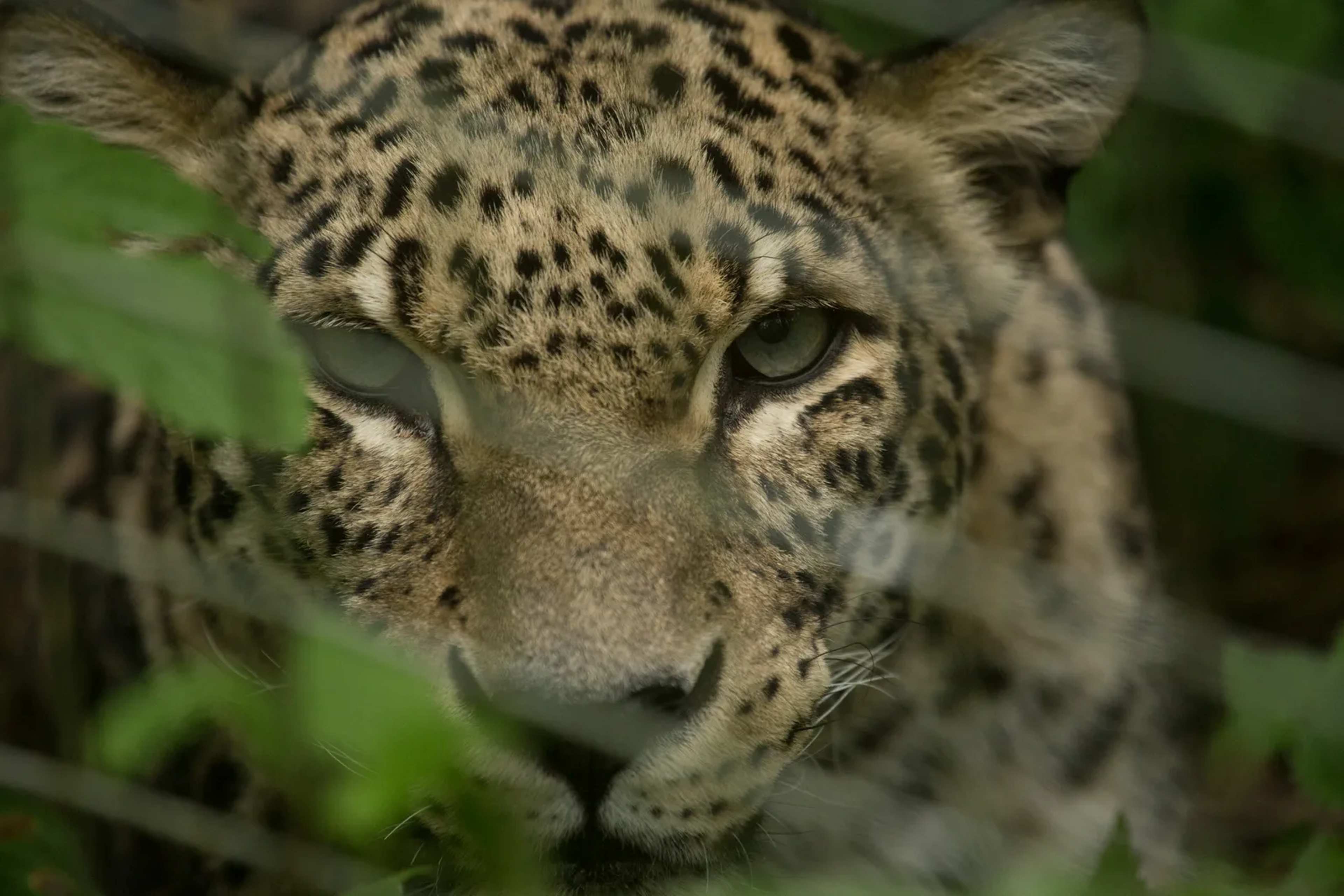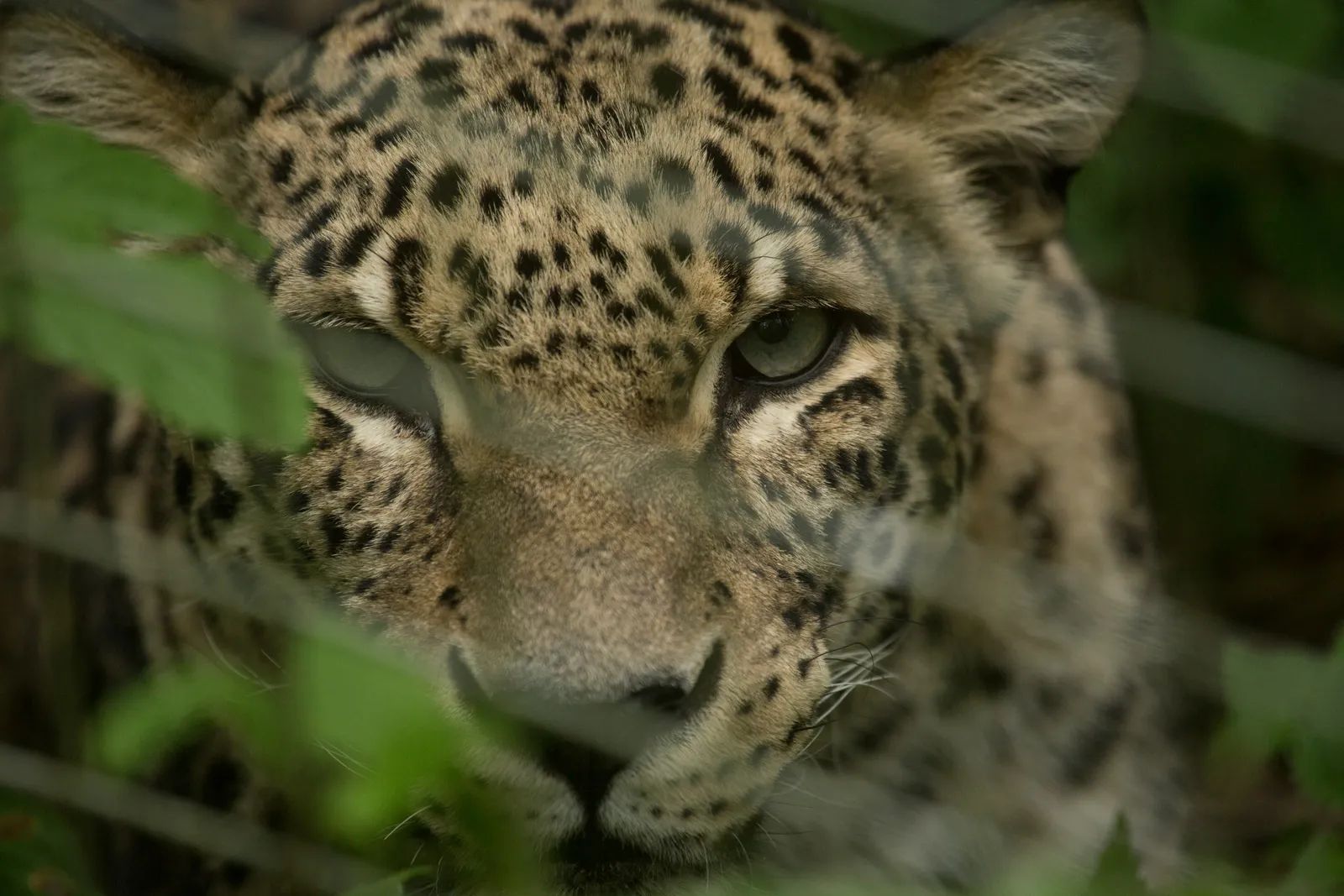
The Caucasus region has recorded just 13 Persian leopard sightings in two decades, yet one individual stands out. Scientists tracking the endangered subspecies Panthera pardus tulliana believe a leopard they named Aren covered roughly 150 miles of rugged, mine-scarred terrain on three legs. The journey points to both the animal’s resilience and the persistent dangers left by past conflicts. ([1])
Scarce Sightings Highlight Fragile Presence
Only three confirmed records exist in Georgia and ten in Armenia since the early 2000s. These low numbers reflect a population that has long teetered on the edge of local extinction. Conservation teams continue to place camera traps across remote mountain zones in hopes of documenting more individuals.
The limited data also underscore how difficult it remains to study the cats. Dense forests, steep slopes, and lingering security risks slow fieldwork. Each new image or track therefore carries extra weight for researchers trying to map remaining habitat.
Aren’s Suspected Journey Draws Attention
Aren’s case began when cameras captured images of a three-legged leopard moving through difficult terrain. Experts concluded the animal had lost a limb, most likely to an old landmine. The presumed route spans cold, high-elevation country that connects known ranges in the region.
Such a trek would require crossing multiple minefields left from earlier conflicts. The feat suggests the leopard navigated hazards that continue to threaten both wildlife and people. Researchers now watch for further signs that might confirm the full distance traveled.
Small Teams Work With Limited Resources
The Georgian NGO NACRES operates with a staff of three people. Founded in 1991, the group focuses on monitoring big cats and other threatened species despite tight budgets. Its director, zoologist Bejan Lortkipanidze, has led recent field efforts alongside visiting journalists.
WWF has also deployed cameras in overlapping areas. Coordination between the organizations helps stretch scarce funds, yet both groups describe operating on skeleton crews. Funding shortfalls have grown more acute in recent years, forcing difficult choices about where to place equipment and personnel.
Landmines Add Ongoing Risk
Decades-old minefields remain scattered across parts of southern Russia, Georgia, Armenia, and Azerbaijan. These remnants of past conflicts create deadly obstacles for animals and complicate conservation patrols. Persian leopards that move between countries must navigate these zones repeatedly.
Clearance efforts proceed slowly because of cost and terrain. In the meantime, any leopard that survives a mine encounter becomes a symbol of both vulnerability and persistence. Teams hope improved monitoring will eventually guide safer corridors for the cats.
Future Monitoring Depends on Steady Support
Continued camera work and occasional genetic sampling offer the best current tools for understanding population trends. Each verified sighting helps refine estimates of how many leopards still roam the Caucasus. Without sustained funding, however, gaps in coverage will persist.
The story of Aren illustrates both the stakes and the determination of those involved. Small teams keep gathering data even when resources are thin, driven by the knowledge that every new record matters for a species on the brink in this rugged landscape.