A quiet cove on the western tip of Ibiza became the latest flashpoint in Europe’s ongoing tourism backlash this week. What started as a handful of scattered demonstrations two summers ago has grown into something closer to a continent-wide movement, with residents from the Balearics to the Adriatic coast pushing back against the sheer volume of visitors arriving each year.
The scenes are becoming familiar: banners on beaches, chants echoing through old town squares, and local officials scrambling to respond before the next wave of headlines hits. This latest incident in Ibiza is only the most recent chapter in a story that has been building since 2024.
The beach occupation that reignited the debate
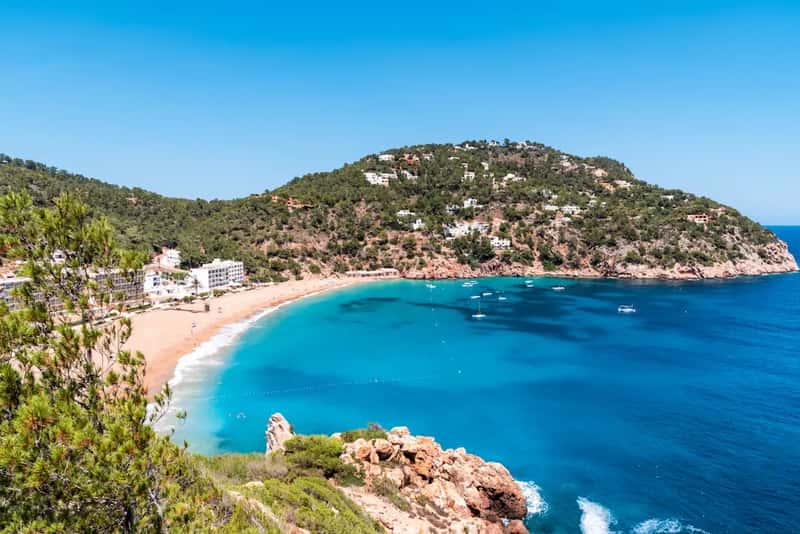
Some 100 residents staged an occupation of a beach in Ibiza recently to protest overtourism amid growing frustration over mass tourism in Spain, gathering at Cala Saladeta, a popular tourist beach.[1] The protest was organized by the Ibiza Youth Association, a local youth group.[1] It was a small crowd by the standards of some Spanish demonstrations, but the symbolism was hard to miss.
Organizers rallied against tourist overcrowding, and activists handed out watermelon as part of a demand that residents be able to enjoy the island’s public spaces.[2] Ibiza, known to locals as Eivissa, received nearly 1.2 million tourists in the second quarter of 2025 alone, according to data from the Balearic Islands Statistics Institute.[1] For an island with a permanent population that is a fraction of that figure, the math behind the frustration is not hard to follow.
Housing costs are the root of the anger

Beneath the chants and banners sits a much more practical grievance: rent. The Ibiza Youth Association said in its manifesto that local land and culture are being pushed out of public and private spaces alike, displayed solely as tourist attractions.[1] That sentiment shows up almost word for word in protest literature across other Spanish destinations.
The group’s manifesto also decried a tourism model catering to wealthy foreigners and famous partygoers, arguing that housing, food and other living costs have become unaffordable for residents.[1] It is a complaint that resonates well beyond Ibiza. In cities where short term rentals have multiplied, young workers often find themselves competing with tourists for the same limited housing stock, and losing.
The Canary Islands set the tone in 2024
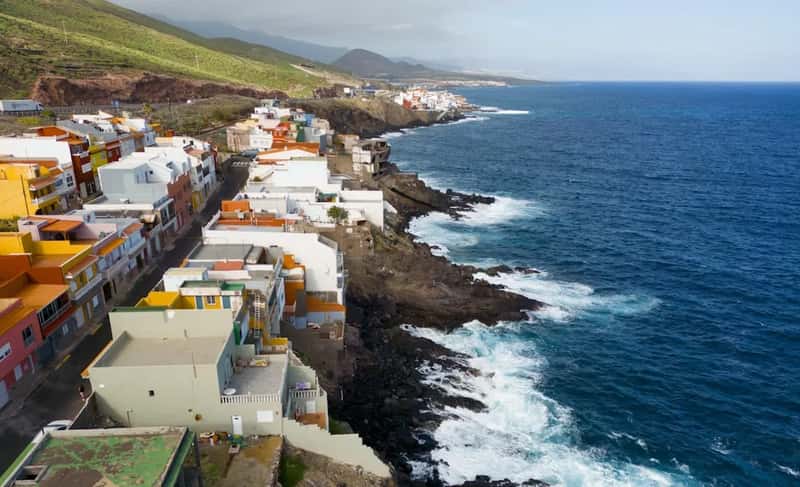
Long before Ibiza’s beach occupation made headlines, the Canary Islands had already shown what organized anti-tourism sentiment could look like at scale. Around 30,000 people took to the streets of the different cities and towns of the archipelago in October 2024 under the banner “The Canary Islands have a limit.”[3] At least 8,000 people participated in demonstrations held near major tourist hotspots, with protesters spotted on Playa de las Americas beach in Tenerife chanting that the beach belonged to them, close to unsuspecting tourists.[4]
The numbers behind the frustration are stark. In 2023 over 16 million tourists visited the islands, spending more than 20 billion euros, and 2024’s figures were expected to climb higher still.[3] Protesters argue that the millions of tourists visiting each year are depleting limited natural resources such as water, damaging the local environment, and pushing house prices beyond the reach of local people.[4] By May 2025, the movement had not slowed down at all.
Barcelona’s water pistols became a global symbol
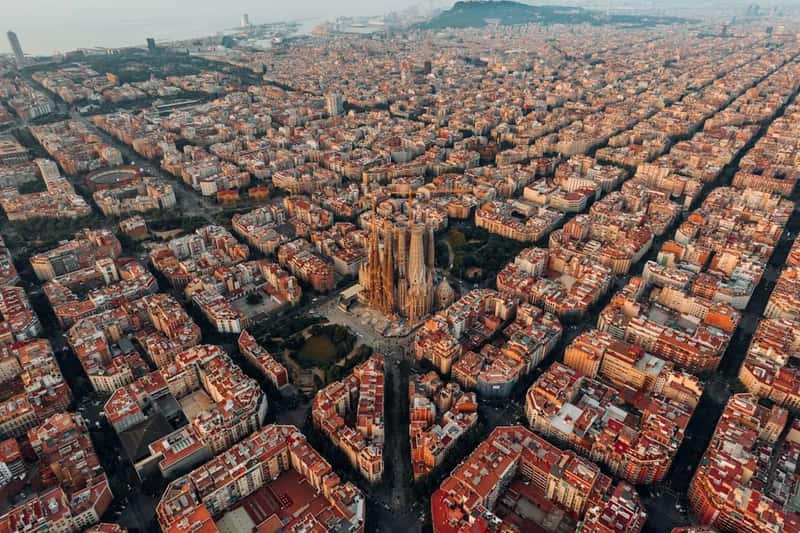
No image from this movement traveled further than the water pistols in Barcelona. In July 2024, a few thousand locals marched down the Ramblas chanting that Barcelona is not for sale, slapping red tape across some businesses along the way.[5] A handful of protesters harmlessly sprayed water guns at tourists, a detail that succeeded in grabbing international headlines even if it represented only a small slice of the demonstration.[5]
The tactic returned the following year. Residents in Spain and other popular European destinations protested against mass tourism, saying a flood of summer visitors was driving up housing costs and pushing out locals, with some protesters in Barcelona and on Mallorca spraying tourists with water guns.[6] The demonstrations were part of the first coordinated effort by activists across southern Europe’s top destinations, with several thousand rallying in Mallorca alone while hundreds more gathered in other Spanish cities, plus Venice and Lisbon.[6]
Mallorca faces its own tensions beyond protest marches
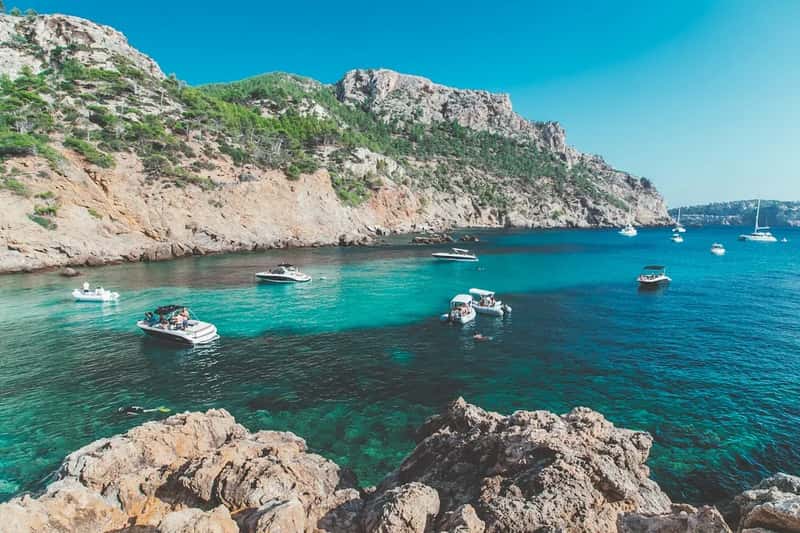
Mallorca has become a case study in how overtourism friction can take multiple forms at once. Alongside organized demonstrations, the island has seen a less orchestrated but equally telling problem emerge among visitors themselves. Viral videos have shown pickpockets targeting tourists near the island’s capital of Palma, adding a layer of everyday friction to the broader tourism debate.[2]
That combination, organized protest on one hand and petty crime linked to overcrowded tourist zones on the other, has made Mallorca a frequent talking point in coverage of Spain’s tourism strain. Local authorities have had to balance messaging carefully, acknowledging resident frustration while reassuring the island’s vital hospitality sector that visitors remain welcome.
The movement crosses borders into Italy, Portugal and France
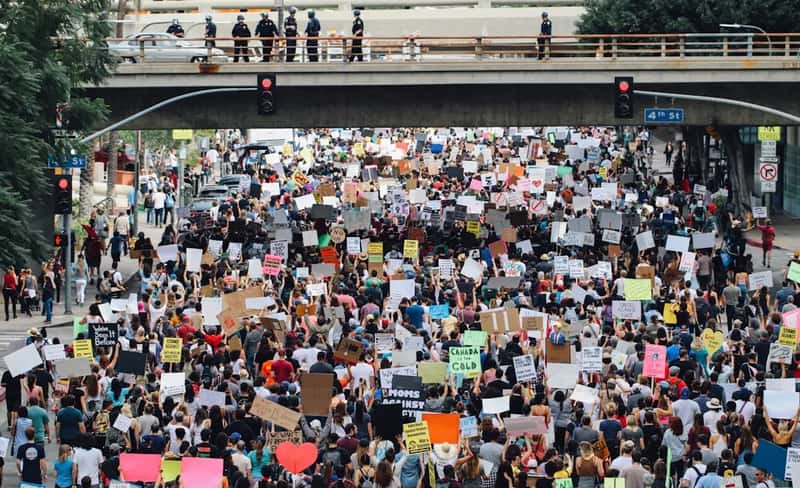
What began as a distinctly Spanish phenomenon has, by 2026, become a European one. Anti-tourism demonstrations have swept more than 40 Spanish cities and spread across the continent, with backlash also building in Italy, France, Portugal and Greece.[7] In Portugal, protesters marched in the Parque Natural da Arrábida against a luxury real estate firm seeking to privatize five beaches, carrying signs declaring that Arrábida is not for sale.[8]
Italy has seen its own version of the story play out in multiple cities at once. Simultaneous protests have erupted in Venice, Naples, Milan, Palermo and Genoa, with Venice facing local resistance to new hotel construction projects that would add roughly 1,500 more beds to an already crowded city.[9] The pattern is consistent wherever it appears: locals frustrated not with tourists as people, but with a business model that treats their neighborhoods as inventory.
The road ahead for Europe’s most visited coastlines
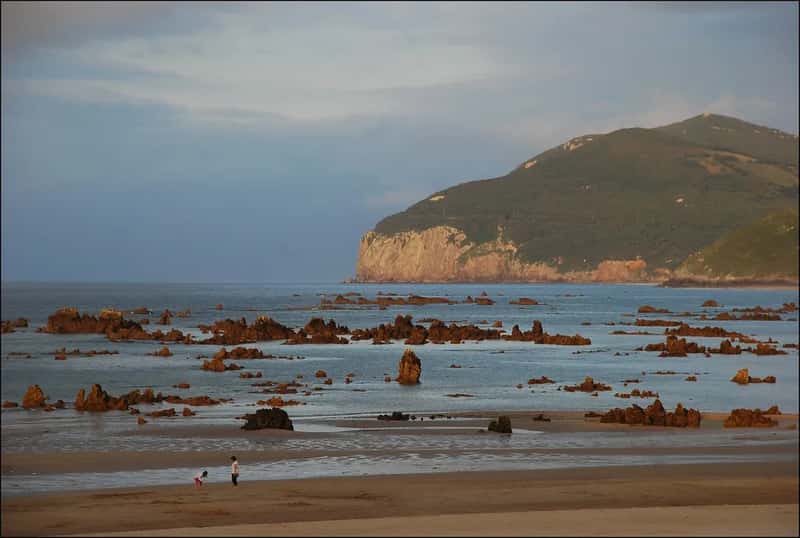
The tension between tourism dependent economies and the residents who live inside them shows no sign of resolving quickly. Each new eco-tax, rental cap, or cruise restriction addresses a piece of the problem without settling the larger argument about who these places are ultimately for. Beaches like Cala Saladeta will likely keep serving as stages for that argument, precisely because they are the spaces where the contrast between local life and mass tourism is most visible.
What has changed since 2024 is the scale and coordination of the response, both from residents and from the governments that have finally started listening. Whether the current mix of taxes, caps, and rental restrictions actually eases the pressure, or simply reshapes where and how tourists show up, is likely to become clearer over the next few summer seasons.