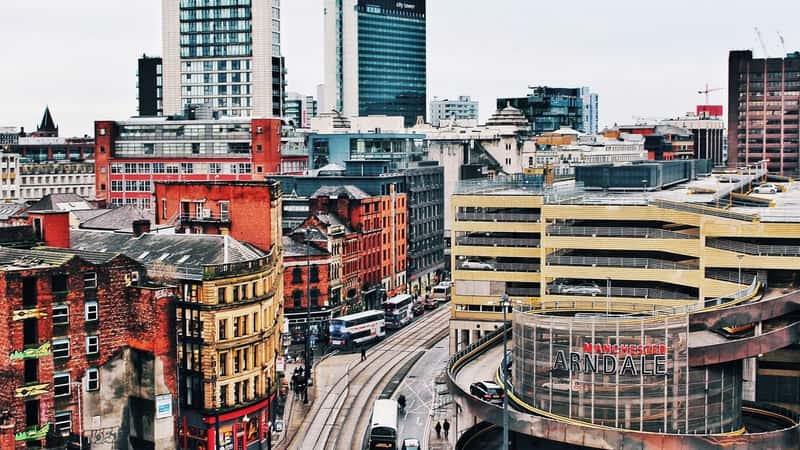
2 Days in Manchester: A Complete Itinerary for First-Timers – Image for illustrative purposes only (Image credits: Unsplash)
Manchester has long drawn visitors with its industrial heritage and football clubs, yet many first-time arrivals still treat it as a quick stop between London and Edinburgh. The city rewards those who linger beyond the obvious landmarks. Its compact centre and evolving neighbourhoods offer layers that reward a second look rather than a rushed checklist.
The Food Scene Beyond the Obvious
Ancoats and the Northern Quarter have become magnets for serious eating, yet many newcomers head straight for chain restaurants near the station. Local kitchens in converted mills serve everything from modern British plates to bold international flavours that reflect the city’s diverse population. The result is a dining map that changes faster than most guidebooks can track. Those who explore on foot discover that the same streets host both casual daytime spots and late-night venues with live music. This mix creates an easy rhythm for visitors who want meals that feel local rather than tourist-focused. The practical payoff is simple: better value and stronger memories than the standard high-street options.
Walking the Centre with Purpose
The city centre stretches farther than first impressions suggest, and repeated walks reveal details that a single pass misses. Victorian warehouses sit beside contemporary developments, while quiet side streets open onto unexpected squares. This layered layout rewards slow exploration over hurried sightseeing. First-time visitors often underestimate how much ground they can cover without transport. A deliberate route that links the main stations with the creative quarters turns transit time into part of the experience. The outcome is a clearer sense of how the city functions day to day rather than as a set of photo stops.
Timing and Practical Payoffs
Manchester works well as a short break because its key areas sit close together and public transport fills the gaps efficiently. Arriving midweek avoids weekend crowds in the Northern Quarter while still allowing access to evening events. The timeline suits travellers who want substance without an exhausting schedule. Stakeholders benefit in different ways. Couples find independent hotels and restaurants that feel personal. Solo visitors gain from the walkable scale and the presence of other people at most hours. Groups can split across neighbourhoods without complicated logistics.
Adjusting Expectations for Better Results
Many first-timers arrive expecting a smaller version of London and leave surprised by the city’s distinct character. The industrial past remains visible, yet the present focuses on creative industries and student energy. Recognising this shift early prevents disappointment and opens the door to more authentic encounters. The same adjustment applies to pace. Manchester does not demand constant movement. Allowing time to sit in a square or browse a market changes the visit from a checklist into something closer to how residents actually use the city. Manchester continues to evolve through new developments and shifting neighbourhoods. Visitors who treat it as a living place rather than a fixed attraction tend to return. That pattern alone suggests the city has earned a place on more UK city-break shortlists than its current reputation reflects.