
For decades, the story of modern romance seemed settled. Swipe, match, meet, repeat, with parents and matchmakers pushed to the sidelines as relics of a slower world. That story is now being rewritten in unexpected places.
Across several countries, a mix of dating app burnout, economic anxiety, and demographic pressure is nudging young adults back toward family involvement in finding a spouse. It isn’t a full return to the rigid arrangements of previous generations. Instead, it’s a hybrid model, one that borrows the structure of tradition while keeping personal choice firmly in the picture.
India: Gen Z trades swiping for the family network
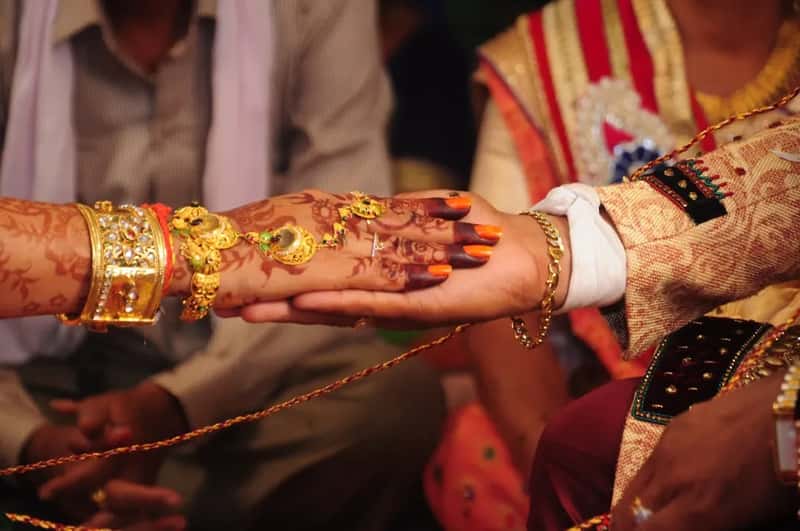
India has always had the world’s largest concentration of arranged marriages, but what’s shifting is who young Indians are turning to when apps stop working. Commentary from late 2025 points to a generation that tried dating apps, tried matrimonial websites, and then circled back toward community networks and paid matchmakers who function much like the aunties and uncles of old. As one analysis put it, “Every option they inherited had broken down”, pushing Gen Z toward services that essentially rebrand the old system for a texting-era clientele.
The numbers behind the app fatigue are striking. Tinder’s revenue fell 4 per cent year-on-year in its 2025 financial year, the first annual drop in the app’s history, and its paying subscribers dropped to about 8.8 million by the end of 2025, down 8 per cent on the year. Meanwhile, regional matchmaking institutions that never went away, such as Gujarat’s Patidar Vivah for Kadva and Leva Patels, and Maharashtra’s Vadhu Var Suchak Kendra network, with Pune’s Anuroop Wiwaha Sanstha alone claiming over five decades of work and more than 130,000 marriages made, are proving more durable than the apps that were supposed to replace them. It’s a case of old infrastructure getting new customers.
China: A shrinking marriage rate revives matchmaking as policy
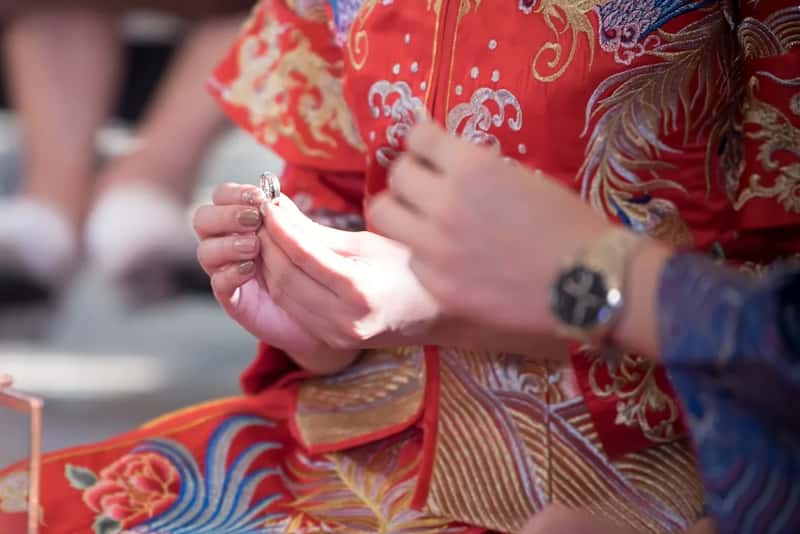
China’s declining marriage rate has turned matchmaking from a family tradition into something closer to a national project. There were 6.1 million marriage registrations nationwide in 2024, down from 7.7 million the previous year. That drop has real consequences, since experts point to a shifting outlook toward marriage, an unbalanced sex ratio and the trend of delaying first marriages as key factors driving the decline in registrations, warning that fewer marriages will affect the country’s future birthrate.
In response, both officials and families are stepping back into the role of matchmaker. Universities have even created programs to teach students how to navigate relationships, with one Beijing university enrolling students in China’s first marriage-related degree program in March 2025, a course that reportedly includes matchmaking alongside counseling. A Xi’an Jiaotong University professor has gone further, urging authorities to create a more supportive environment for marriage by promoting family values and improving matchmaking services. What was once a private family matter is now openly discussed as a policy tool.
Japan: Omiai finds new life through corporate and civic matchmaking
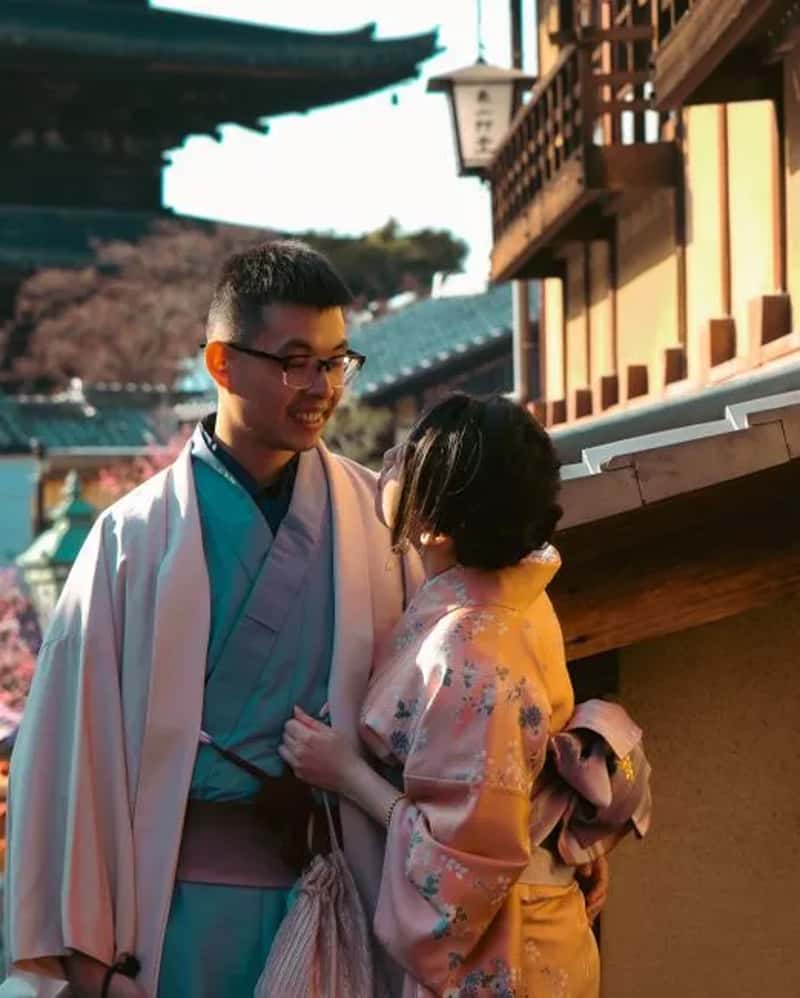
Japan’s traditional matchmaking practice, omiai, never disappeared, but it has been rebooted for an era of demographic alarm. The custom traditionally works through a go-between who arranges introductions between prospective partners, and today there are even companies and businesses that offer these dating and matchmaking services. What has changed is the audience: young professionals who once dismissed the practice as old-fashioned are now more open to structured introductions after years of stalled dating.
The urgency behind this shift is demographic rather than sentimental. Analysts describe a “marriage ice age” in Japan, driven by economic pressure and the difficulty of meeting a partner during the pandemic years. As a countermeasure, the government has leaned on matchmaking as one of its few workable levers, since Japan organises matchmaking events, while South Korea offers cash subsidies, housing support, tax incentives, and free marriage counselling, and Singapore funds blind-date events and social networking sites. It’s an interesting twist: technology helped create the loneliness problem, and a very old-fashioned solution is being asked to fix it.
South Korea: Government-backed matchmaking steps in where dating stalled

South Korea’s marriage rate has fallen so sharply that the state has effectively become a matchmaker of last resort. The country has poured enormous resources into reversing the trend, with around $270 billion spent on programs to persuade couples to have more children since 2006, according to reporting that also notes the birth rate still hit a record low. Much of that spending has drifted from pure financial incentives toward direct efforts to help people actually meet.
That includes formal matchmaking assistance built into national family policy, alongside broader reforms such as marriage assistance, medical support for pregnancy and delivery, and comprehensive protection across birth, childcare, and work-family reconciliation. Culturally, there’s also a quieter shift happening within families themselves, since a notable share of South Korean parents believe arranged introductions help their children build stable families, a sentiment that has more weight now that romance alone hasn’t been enough to reverse the country’s marriage decline.
United Kingdom: British Asian families rediscover the matchmaker’s role

Britain’s South Asian communities offer a different version of the comeback, one shaped by diaspora identity rather than demographic crisis. For years, researchers documented a steady drift toward love marriages among British-born South Asians, with young people using apps and independence to sidestep family involvement. Yet recent academic work suggests the pendulum hasn’t swung all the way to individual choice; instead, many have settled into a middle ground.
That middle ground looks like semi-arranged marriage, where the shift to semi-arranged marriages in India is also visible in the Indian diaspora community in the UK, with parents now letting their children know about their choices while the traditional decision maker role of parents in marriage has shifted to facilitators or intermediary only. Long-established matchmaking bureaus have kept pace with this shift, offering structured introductions across religious lines while leaving the final decision to the couple. Dowry customs and rigid family control are fading, but the instinct to have someone vet a potential partner clearly hasn’t.
Why the pendulum is swinging back

None of these five countries are reviving arranged marriage in its old, unilateral form. What’s spreading instead is a negotiated version, one where families or professional matchmakers open doors but the couple decides whether to walk through them. This hybrid approach has even been described as “hybrid marriages,” where the initial introduction may be arranged by families or through a matrimonial platform, but the couple is given more freedom and time to get to know each other and make the final decision, allowing individuals to maintain a sense of autonomy and personal choice while still honoring family traditions.
The common thread across India, China, Japan, South Korea, and the UK is exhaustion, whether with swiping, with loneliness, or with demographic anxiety that governments can no longer ignore. Dating apps promised infinite choice, and infinite choice turned out to be its own kind of burden. Arranged introductions, updated for consent and compatibility rather than obligation, are filling a gap that technology alone couldn’t close.