Swipe right, message, wait, repeat. That has been the shorthand for modern romance for almost two decades now, and in many parts of the world it still holds true. Yet step outside the usual dating-app narrative and you will find entire societies where parents, professional matchmakers, and family networks still play a defining role in how people end up married.
Some of these traditions never went away. Others are quietly returning after a generation of young adults grew tired of algorithms that promised efficiency but delivered burnout instead. What follows is a look at eight countries where matchmaking, in one form or another, remains a normal and often preferred path toward marriage in 2026.
India: family networks still shape the search for a spouse

India has long been described as home to the world’s largest concentration of arranged marriages, and that reputation is not exaggerated. It is estimated that 80 percent of all marriages in South Asia are arranged by the bride and groom’s parents. Many future spouses in India have never met one another before they are introduced by their parents.
What has changed recently is not whether families get involved, but how. Industry survey data from WeddingWire India showed a real shift toward love marriages earlier this decade, with 68 percent of couples in a 2020 survey saying their marriage was arranged, compared with only 44 percent in the 2023 survey, a 24 percent drop. Even so, more recent reporting suggests the pendulum is swinging back somewhat, as regional matchmaking networks in states like Gujarat and Maharashtra are now absorbing a fresh wave of Gen Z clients who once assumed they would skip that route entirely.
Pakistan: proposals, family approval, and religious framing
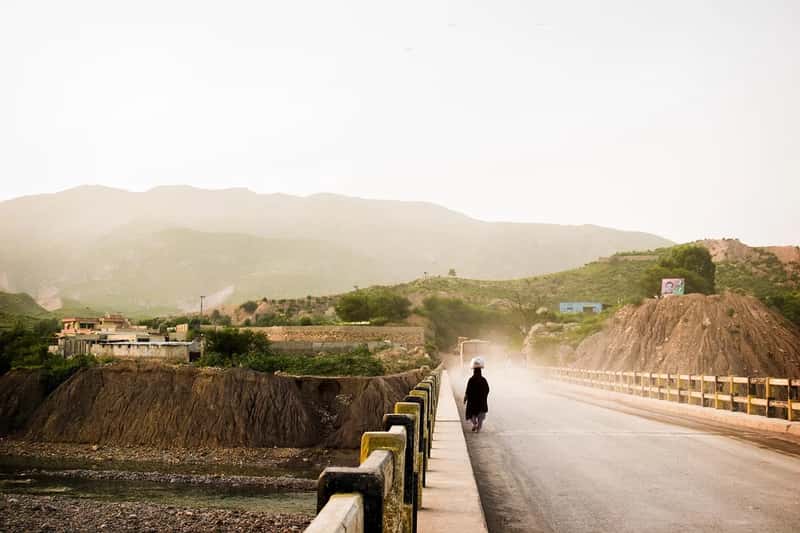
In Pakistan, matchmaking still follows a fairly recognizable sequence. Arranged marriages in Pakistan typically begin with a proposal, and if the girl accepts, an engagement ceremony and wedding then follow. These marriages are usually governed by Islamic marital jurisprudence and are common even among overseas communities.
The practice is not without its critics, and rightly so. Pakistani arranged marriages are sometimes forced marriages that infringe on human rights, a distinction that matters a great deal when discussing the tradition honestly. Among diaspora communities in the United Kingdom and North America, the custom persists largely intact, often blending family-led introductions with a longer courtship period than earlier generations experienced.
Japan: omiai gets a modern, government-friendly makeover
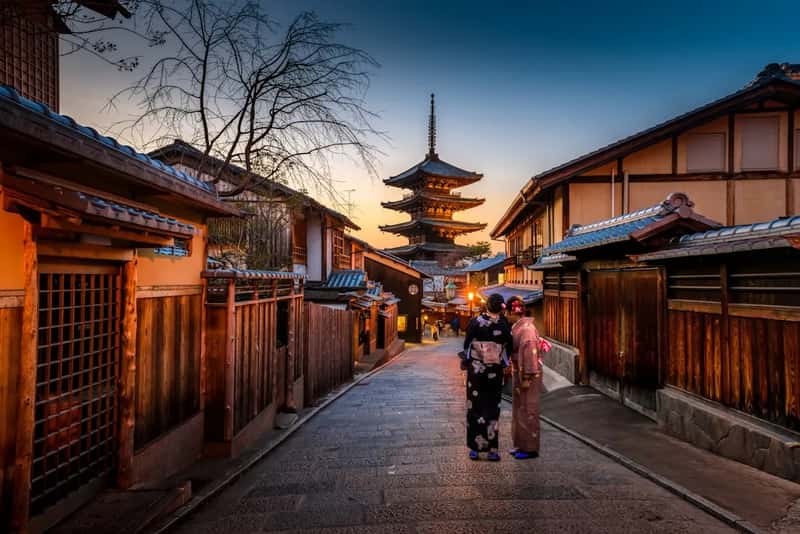
Japan’s traditional matchmaking practice, omiai, is one of the oldest formalized systems still in active use anywhere in the world. The Japanese have a name for their marriage arrangements, omiai, which traditionally involves a go-between that sets up matchmaking meetings for Japanese men and women. Today, there are even companies and businesses that offer these dating and matchmaking services.
Demographic pressure has given the custom fresh relevance. Japan’s omiai never disappeared, but it has been rebooted for an era of demographic alarm, with the go-between structure now supported by companies and businesses that formalize the introductions. Local governments in several prefectures have also stepped into a quasi-matchmaking role, running subsidized meeting events aimed at reversing the country’s falling marriage rate.
China: matchmaking corners and a booming introduction industry

Few images capture modern matchmaking quite like Shanghai’s People’s Park on a weekend afternoon. Marriage markets, known in Chinese as xiangqin jiao or matchmaking corners, are one of the most visible manifestations of parental involvement in dating, typically appearing in large urban parks and becoming especially active on weekends. The Shanghai Marriage Market has been helping parents set up blind dates for their children since 1996.
The practice has since professionalized well beyond a few umbrellas pinned with resumes. The matchmaker, traditionally an older woman acting as a go-between, has become an increasingly professionalized role, with today’s matchmakers including formal agencies, online consultants, relatives, and community workers. Even younger Chinese who resist the parental pressure often admit that the system has become part of the social backdrop of dating, whether they use it directly or not.
Iran: family-initiated proposals meet state-sponsored apps

Iranian marriage customs still center on the family as the starting point for a match. Traditionally, arranged marriages in Iran are initiated by the groom’s family through a formal marriage proposal. The groom’s relatives typically approach the prospective bride’s family first, and negotiations over the marriage terms follow before any formal courtship begins.
What makes Iran an interesting case in 2026 is the government’s own attempt to modernize the process without abandoning its structure. To keep up with modern times, the Iranian government has introduced a Muslim dating app, an unusual move that essentially digitizes a family-vetted introduction system rather than replacing it with open-ended swiping. The app reflects a broader pattern seen elsewhere in the region, where authorities view declining marriage rates as a policy problem worth intervening in directly.
Indonesia: rural traditions alongside growing legal reform
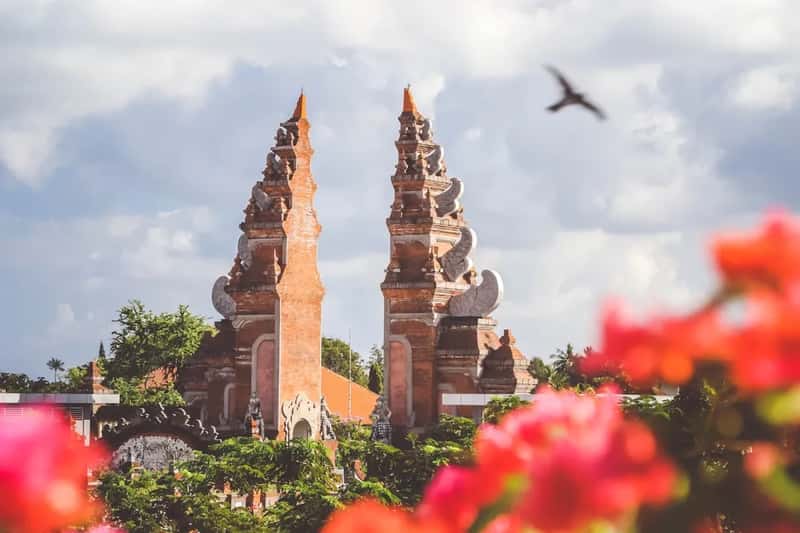
Arranged marriage in Indonesia looks quite different depending on where you are in the archipelago. Arranged marriages in Indonesia are common in rural areas and are sometimes child marriages, a reality that has drawn sustained attention from lawmakers and human rights advocates over the past several years. Urban areas, by contrast, have moved much closer to a Western-style courtship model, particularly among younger, university-educated couples.
The government has not ignored the darker side of the tradition. Because arranged marriages in Indonesia are sometimes child marriages, the country’s parliament had to amend the minimum marriage age law, raising it in an effort to curb underage unions that often stemmed from family-arranged matches in rural communities. The reform has been unevenly enforced, but it marks a clear acknowledgment that matchmaking traditions there needed legal guardrails.
Israel: the shidduch system in Orthodox communities

Within Israel’s haredi Orthodox population, matchmaking is not a fading custom but a fully active system with its own vocabulary and etiquette. The practice, known as shidduch dating, is most common in haredi Orthodox communities, where daters have a shidduch resume outlining their education, interests, and family background, and parents are involved in the process. Dates typically take place in public spaces, and couples are expected not to touch until they are married.
The matchmaker, or shadchan, remains central to the whole arrangement. In formal Orthodox matchmaking, the shadchan is usually compensated by the parents, receiving around 1,000 dollars upon a couple’s engagement, although higher-end services charge more. Outside strictly Orthodox circles the system loosens considerably, but even secular and Reform Jewish communities in Israel and the diaspora have shown renewed curiosity about structured introductions, partly inspired by television coverage of the tradition.
South Korea: professional matchmaking as a mainstream service

South Korea has turned matchmaking into something closer to a formal industry than a family favor. Marriage consulting services are no longer seen as a last resort for bachelors and bachelorettes who have struggled to find a partner; they are now viewed as an efficient way to find the right partner with less uncertainty. Firms such as Duo and Gayeon dominate the mainstream end of the market, while smaller “noble” agencies cater specifically to elite, high-income clients.
Pricing reflects just how commercial the system has become. Duo charges around 1.5 million won for arranging five meetings, while Gayeon charges roughly 990,000 won for the same package, though larger agencies offer premium packages that can run past 10 million won. The stigma that once surrounded these services has faded considerably, and many young professionals now treat a matchmaking subscription the way others might treat a gym membership, just another practical tool for managing a busy life.