There is something almost unbelievable about the gap between the world’s biggest meat eaters and those who barely touch it. On one end, people who eat more meat in a week than some populations eat in a month. On the other, entire nations where a piece of chicken is a special occasion, not a Tuesday dinner. The numbers are staggering – and they reveal far more than just dietary preferences.
What drives a country to the very top of the global meat chart? Is it wealth? Culture? Simple habit? And why do some nations, many of them deeply food-rich in other ways, hover at the absolute bottom? The answers are more complex, more human, and honestly more fascinating than you might expect. Let’s dive in.
Hong Kong: The Undisputed Meat Capital of the World

If there is one place on earth where meat is not just food but a way of life, it is Hong Kong. Hong Kong, at 136.31 kilograms per capita, eats more meat than any other country in the world on an annual basis. That is roughly the weight of an average adult human being, consumed per person, every single year. Think about that for a second.
Its citizens have a particular predilection for pork and chicken, accounting for over 80 percent of the meat eaten, as these represent a staple of Cantonese cuisine. The culinary tradition here is centuries old and deeply woven into social life. Dim sum, roasted meats hanging in glass windows, char siu pork on rice – meat is genuinely everywhere.
Despite eating more seafood and poultry, Hong Kong leads the world in pork consumption per capita annually at 55 kg per person. Hong Kong’s high consumption is driven by its high economic prosperity, dense urban population, a rich Cantonese culinary culture featuring meat, and the fact that nearly all food is imported. That last point is key. Almost nothing is grown locally, so the entire food supply depends on an aggressive, well-funded import market.
United States: Where Meat Is More Than Just Food

Americans have a complicated relationship with meat, and I think most people already sense this even without data to back them up. The U.S. sits in second place, eating 128.63 kilograms per capita annually. Its position in the list is unsurprising, given that America’s per capita daily calorie intake of 3,911 is higher than any other country, according to the Oxford University-based research organization Our World in Data.
When looking at the total consumption volume for a country, the United States ranks at the top. In 2020, United States residents ate nearly 21 percent of the world’s beef, which was nearly 27.6 billion pounds. That is an astonishing share for a single country. In 2022, the US per capita beef consumption amounted to 38.01 kg, showing that Americans are highly consistent in their beef eating habits.
Honestly, it is hard to separate American culture from meat. The backyard grill, the drive-through burger, the steakhouse on every corner of every midsize city. Americans are eating more meat than is recommended by national dietary guidelines, according to the USDA. Yet the cultural pull is clearly stronger than any nutritional advisory.
Australia: The Barbecue Nation That Lives Up to Its Reputation

Australia is the kind of place where the stereotype and the data are actually aligned, which does not happen very often. Australia ranks third, with a per-person meat consumption of 121.61 kg. Australian cuisine is a fusion of indigenous, British, and Mediterranean influences, amplifying their consumption of various kinds of meat.
Australia’s barbecue culture and vast cattle lands contribute to its high intake of beef and lamb, often placing it third in global rankings. The country produces enormous amounts of beef domestically. Australia produces two million tons of beef annually, but the country has seen a large increase in poultry consumption. So it is not just a single-meat story – Australians genuinely consume across the board.
Australian cuisine is a fusion of indigenous, British, and Mediterranean influences, amplifying their consumption of various kinds of meat. What makes Australia’s meat consumption particularly interesting is how it reflects their outdoor lifestyle and cultural traditions. It’s more than food. It is identity, gathering, and ritual all wrapped up together.
Argentina: The Land of Asado and Record Beef

Argentina is the fourth-highest meat-consuming nation in the world, and its story is built almost entirely around beef. South American nation Argentina, despite being an emerging economy, holds the fourth spot driven by their cultural significance of meat, particularly beef, leading to a high consumption rate of 109.39 kg per person.
Argentina’s 46-million-strong population eats nearly 47 kg of bovine meat per person per year, the most by any country in the UN’s database. The South American country has a rich culinary history with beef, as cattle brought by Spanish settlers flourished on the grassy plains of the region. The landscape practically built the diet. Wide-open pampas, grass-fed cattle, and a culture of communal grilling called asado that goes back generations.
Here’s the thing: even with economic turbulence, Argentina has held onto its beef tradition with remarkable stubbornness. Prices have increased due to inflation, so many citizens cannot afford the local meat. This inflation has Argentina’s rates of beef consumption slowly but steadily decreasing from 60 kg per person to under 56 kg since 2014. The country’s overall meat consumption has increased though, as citizens switch their diets to include more poultry and pork. The habit stays, even when the cut changes.
India: A Billion-Person Nation That Barely Eats Meat

Now we flip the map completely. India is arguably the most striking data point in the entire global meat picture. India holds the distinction of consuming the least meat per capita. With its staggering population, this is even more striking, and indeed with only 3 kg of meat per capita per year consumed, no other country eats less. Three kilograms. Per year. That is a single medium steak.
This incredibly low consumption rate reflects India’s deep-rooted vegetarian traditions and religious practices. In India, almost 40 percent of citizens are vegetarians, and 80 percent of the population restricts their meat consumption. Due to culture and religion, many people will not eat meat on certain days or only eat certain types of meat.
Meat consumption is determined by the religions where pork is forbidden to Muslims and beef is prohibited to Hindus. With Hinduism being the dominant faith and its principle of ahimsa (non-violence) deeply embedded in daily life, avoiding meat is not just a dietary preference – it is a moral and spiritual value. Due to taboos against the slaughter and consumption of cattle, beef consumption is banned in India, with notable exceptions in states like Kerala and West Bengal. It is a system layered with religion, ethics, and regional identity all at once.
Bangladesh: Where Meat Is a Rare Luxury
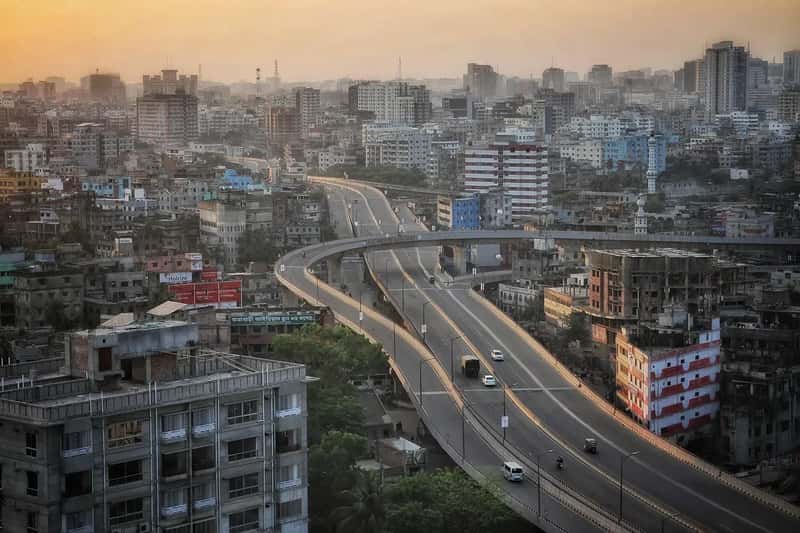
Bangladesh sits right alongside India at the lowest end of the global meat spectrum. A Muslim majority nation, just 3.4 kg of meat per capita are eaten by Bangladeshis. A mix of poverty and restrictive trade imports, particularly with India, means that very little meat is consumed here.
Although beef is highly sought-after, beef and veal comprise just under 0.9 kg per capita because most people cannot afford it, while poultry sits at just under 1.36 kg per capita. Due to Islamic views on the ingestion of pork, it is the least consumed meat type. Fish, however, is the major source of protein for most households in Bangladesh as it is more affordable and is a staple of the diet.
Let’s be real about what this tells us. Fish replaces meat here not because of some lifestyle philosophy, but because it is accessible and affordable where meat simply is not. The country’s economic constraints make meat a luxury that most families cannot afford regularly. When over 160 million people live on tight budgets, the protein on the plate is determined by the price tag, not by preference.
Ethiopia: Livestock Abundance, But Almost No Meat Eaten
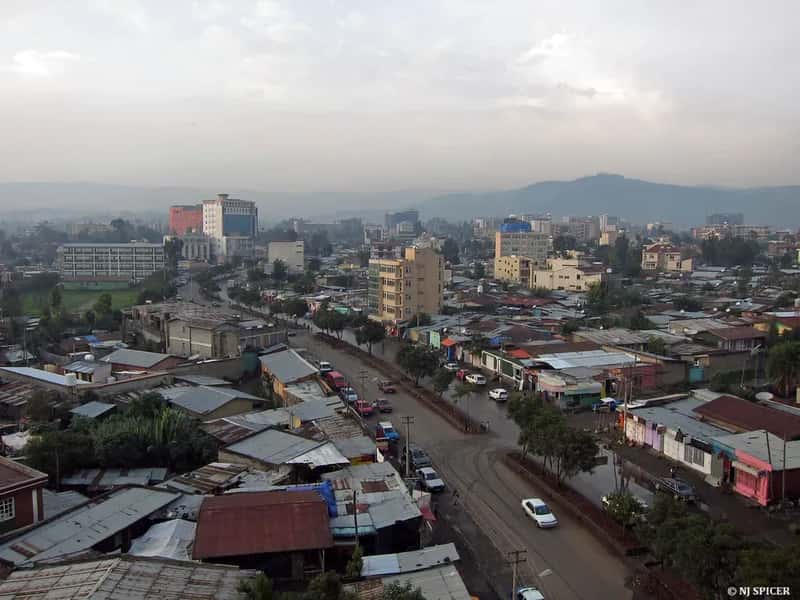
Ethiopia might be the most counterintuitive entry on this entire list. What makes Ethiopia’s situation particularly interesting is the contradiction between livestock abundance and consumption. The country has one of the largest livestock populations in Africa, yet consumption remains minimal due to economic factors and cultural practices. When Ethiopians eat meat, it is usually beef, though they do consume small portions of poultry. This creates a unique situation where a country rich in livestock exports much of its meat while locals consume very little.
Ethiopian Orthodox Christians follow fasts in a way similar to other Orthodox Christians but with a frequency of approximately 250 days in a year. This religious influence along with the poor national economy results in the low per capita meat consumption. Roughly 250 fasting days per year is extraordinary. That is not the occasional sacrifice. That is a near-permanent dietary structure shaped by faith.
The consumption of meat and meat products has a very close association with religious beliefs and is influenced by religions. The main religions of Ethiopia have their own peculiar doctrines affecting the feeding habits of their followers. They influence meat consumption through dictating the source animals that should be used and scheduling the days of the year for permitting or restricting consumption. Religion here is not a background factor. It is the primary driver of what goes on the plate every single day.
What the Data Tells Us About the World
Zoom out and look at all seven countries together, and a very clear picture emerges. On a countrywide basis, one of the biggest predictors of meat consumption is income and wealth. It is not a coincidence that the countries with the lowest meat consumption rates all have relatively low GDPs; in general, the wealthier a country is, the more meat its residents consume. The correlation is almost uncomfortably direct.
According to the United Nations Food and Agricultural Organization, between 1990 and 2009, aggregate global meat consumption increased by almost 60 percent and per capita consumption by almost 25 percent. Global meat consumption has continued to rise, reaching approximately 453 million tonnes in 2025. The planet as a whole is eating more and more meat, year after year.
Yet the contrast at the extremes is the real story. The contrast between countries consuming over 100 kilograms of meat per person annually and those consuming less than 5 kilograms tells a story that goes far beyond food choices. It is a tale of economic development, cultural traditions, religious beliefs, and global inequality that shapes what billions of people eat every single day. Food, it turns out, is never just food. What ends up on your plate is the product of where you were born, what you believe, and how much money your country has. Did you expect that gap to be quite so wide?