Mexico remains one of the most rewarding destinations for travelers who want incredible food, rich culture, and stunning coastline without draining their savings. Still, 2026 has brought some real shifts worth knowing about before you book anything, from new tourist taxes to a summer reshaped by the FIFA World Cup. Whether you’re backpacking through Oaxaca or planning a beach week in Tulum, understanding where your money actually goes will help you build a realistic budget instead of guessing.
This guide walks through the numbers that matter most: daily spending by travel style, flights, hotels, food, transportation, new fees, and the small habits that add up to meaningful savings. The goal is a clear, practical picture of what a trip to Mexico costs right now, not a decade-old estimate that no longer applies.
Daily Budgets by Travel Style

Most cost trackers land in a similar range for 2026, even if the exact figures shift slightly from source to source. Most cost trackers agree on a similar range for 2026, even if the exact numbers differ slightly. Budget travelers can get by on $45 to 60 per day, including a hostel, three street food meals, local transport, and one or two activities. Mid-range travelers spending between ninety and one hundred fifty dollars daily can expect comfortable hotels, sit-down restaurant meals, and the occasional guided tour thrown in.
On the higher end, a realistic daily budget for a mid-range traveler is about 135 dollars per person, while for those focused on budget travel, daily expenses can drop to just 48 dollars, while on the higher end, luxury travelers might spend around 416 dollars per day. The gap between these figures usually comes down to location rather than travel style alone. Beach resort areas like Cancún, Tulum, and Los Cabos sit at the top of each range, while inland cities such as Oaxaca, Mérida, and Guanajuato consistently run 30 to 50 percent cheaper.
Flights: What You’ll Actually Pay to Get There

Airfare into Mexico stays reasonably competitive for most of the year, though prices swing quite a bit depending on season and departure city. On average, a flight ticket from the USA to Mexico can range from 100 to 400 dollars one way, with prices varying based on the season, how early you book, and your departure city. Broad averages across major booking platforms put a typical round-trip fare from the United States somewhere in the low to mid four hundreds, though deep discounts pop up regularly outside peak weeks.
Timing matters more than usual this year. Flight data from Kayak shows that May is often the cheapest month for airfare, with average tickets around 438 dollars, while other low-season months like January, February, and September also offer good deals. One important wrinkle applies to Mexico City, Guadalajara, and Monterrey, since all three are hosting FIFA World Cup matches, which has pushed fares and hotel rates noticeably higher in those specific markets during tournament dates.
Hotels and Where Your Money Goes Furthest

Accommodation prices vary dramatically depending on where you land. After analyzing thousands of hotels in Mexico, one major booking data source found the average hotel price in Mexico is a remarkably economical $89 with high season prices around $166, and the median price closer to $64. Budget hotel averages sit around forty dollars a night, while luxury properties average closer to two hundred and twenty-six dollars, though five-star resorts in prime beach locations can run well beyond that.
Mexico City specifically tends to be gentler on the wallet than beach destinations. The average hotel price in Mexico City based on data from hundreds of hotels is an affordable $63 with high season averages around $118, and the median price around $56. Resort corridors tell a different story. Resort zones like Cancun and Tulum can cost double the price of inland cities, so travelers chasing value often split their itinerary between a beach stretch and an inland city or two to balance the budget.
Food Costs: Street Stalls to Sit-Down Restaurants
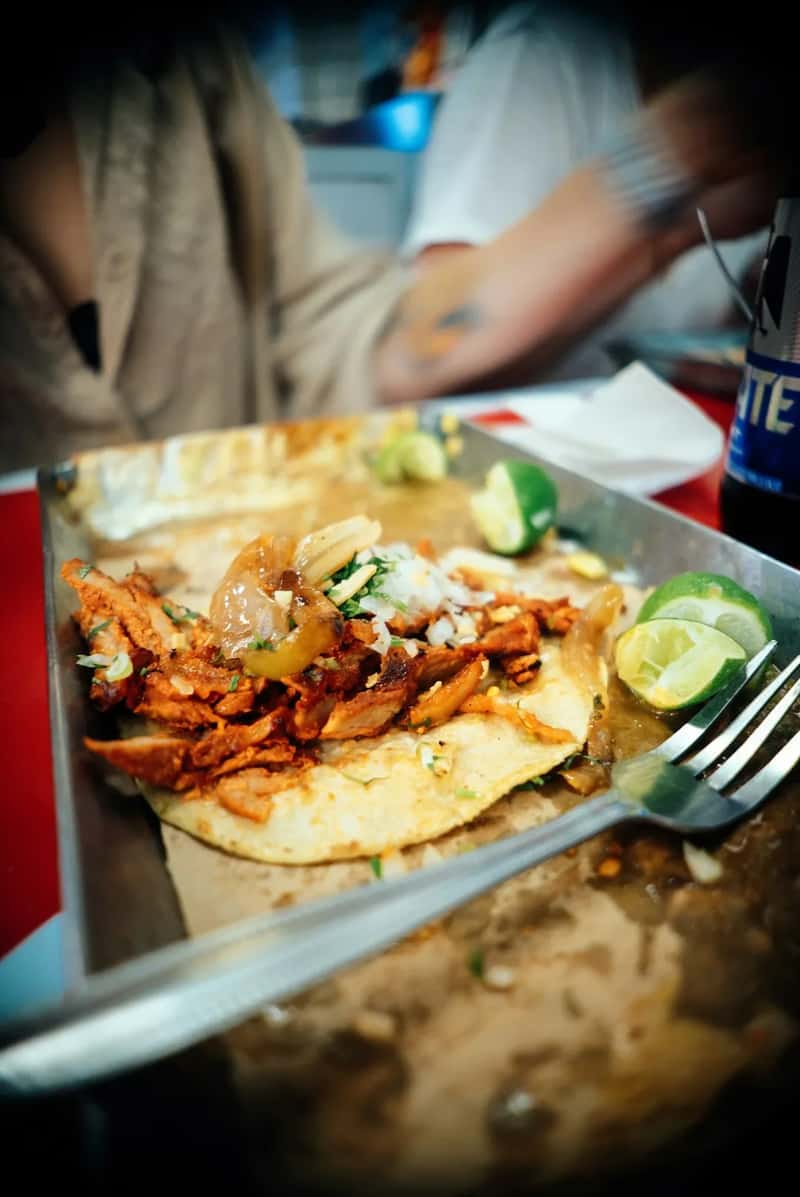
Mexico’s food scene remains one of its biggest value propositions, regardless of budget level. A meal from a stall or market can cost as little as one to two dollars, meaning a traveler on a tight budget can expect daily food costs of around fifteen to twenty dollars by sticking to these options. In Mexico City specifically, street food tacos at fifteen to twenty pesos each and market meals at eighty to one hundred twenty pesos deliver authentic culinary excellence allowing three satisfying meals daily on a tight budget.
Sit-down dining costs more but still compares favorably to North American or European prices. Mid-range restaurants, often called comida corrida spots, offer multi-course lunches that balance quality and price, with a typical meal costing between five and fifteen dollars, bringing the daily food budget to about thirty to fifty dollars. It’s worth noting that prices climb noticeably in tourist zones. Restaurants in beach towns and resort corridors routinely charge two to three times what you’d pay for the same dish in Oaxaca or Mérida, so it pays to flex your food budget depending on where most of your trip happens.
Getting Around: Buses, Metro, and Rideshares

Local transportation is one of the easiest places to keep costs low almost anywhere in the country. For budget-conscious travel, public transportation is the most economical choice, and Mexico has an extensive and efficient bus network, with companies like ADO offering comfortable long-distance travel, so a six-hour trip from Mexico City to Oaxaca can cost as little as thirty-five dollars. Within cities, urban transit is even cheaper. Mexico City Metro is one of the cheapest in the world at five pesos per ride, making it entirely possible to explore an enormous capital for pennies a day.
Longer regional hops on first-class coaches remain a smart alternative to domestic flights or rental cars. A first-class bus connecting popular Yucatán towns typically runs somewhere in the mid-teens in dollar terms, a fraction of what a rental car with insurance and fuel would cost over the same route. Taxis and apps like Uber and DiDi remain widely available and reasonably priced for shorter city trips, though they naturally cost more than public transit.
New Tourist Taxes You Need to Budget For
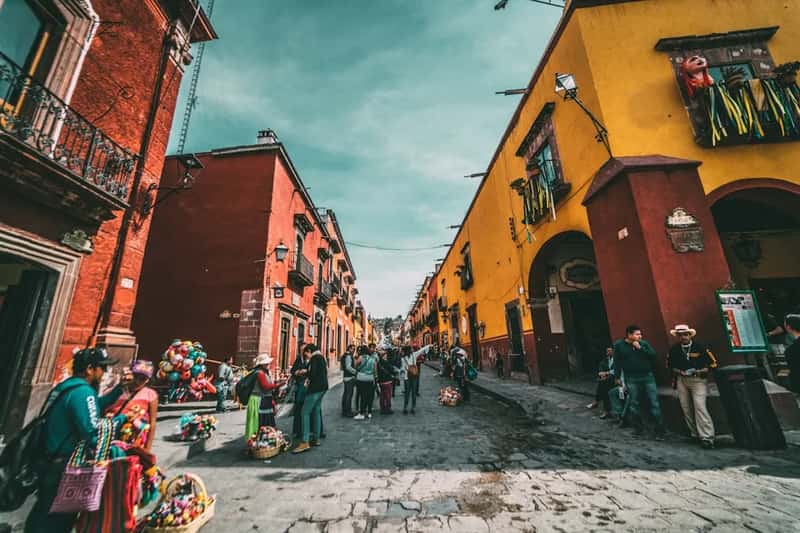
2026 introduces several fees that didn’t exist just a couple of years ago, and skipping them isn’t an option. International visitors now pay a federal DNR fee of 983 MXN, roughly 54 dollars, usually included in airfare, plus state taxes where applicable: a Quintana Roo Visitax of around 300 MXN for Cancún, Tulum, and Playa del Carmen, a Baja California Sur Embrace It tax of about 488 MXN for Los Cabos and La Paz, and a newer Puerto Vallarta tax of around 160 MXN. On top of that, hotels in Quintana Roo charge a separate environmental tax per room per night, roughly 76 MXN, about four dollars, in Cancún.
These fees are often collected separately from what you see when booking online. Playa del Carmen and Tulum have similar levies calculated slightly differently, and these are usually collected at check-in and not included in online booking prices. Budgeting an extra twenty-five to one hundred dollars per person for these combined taxes is a sensible rule of thumb depending on which region you’re visiting.
The FIFA World Cup Effect on Prices
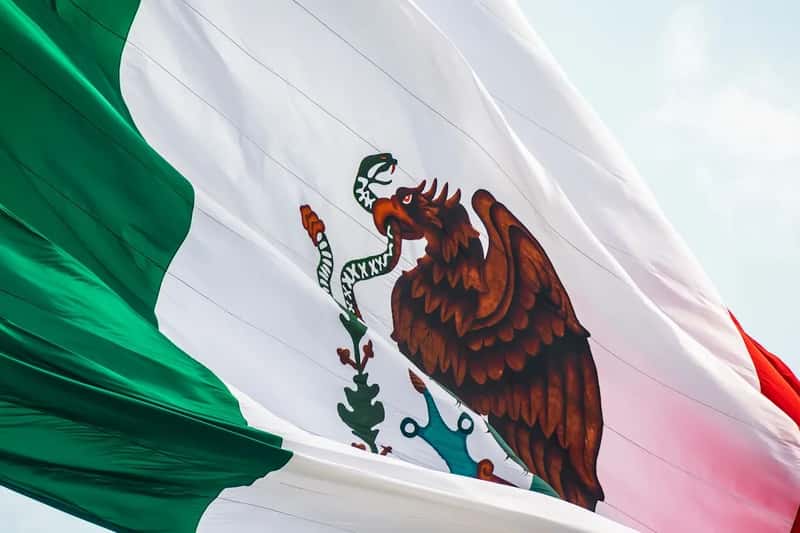
No honest 2026 travel guide to Mexico can skip the World Cup, since it’s genuinely reshaping prices in specific cities this year. Mexico City, Guadalajara, and Monterrey are all host cities this summer, and pricing in those markets has become genuinely elevated during match weeks, with hotels and short-term rentals commanding a premium well above their usual rates. Flights into those three cities during tournament dates have also tightened, with fewer discount fares available compared to a typical month.
The good news is that this effect is fairly contained. Travelers whose itineraries focus on Oaxaca, the Yucatán, Baja California, or central colonial cities are largely insulated from the tournament’s price surge. If your trip doesn’t revolve around watching a match in person, it’s worth simply avoiding Mexico City, Guadalajara, and Monterrey during peak fixture windows, or booking accommodation many months ahead if you do want to be there.
Currency, Tipping, and Everyday Cash Habits
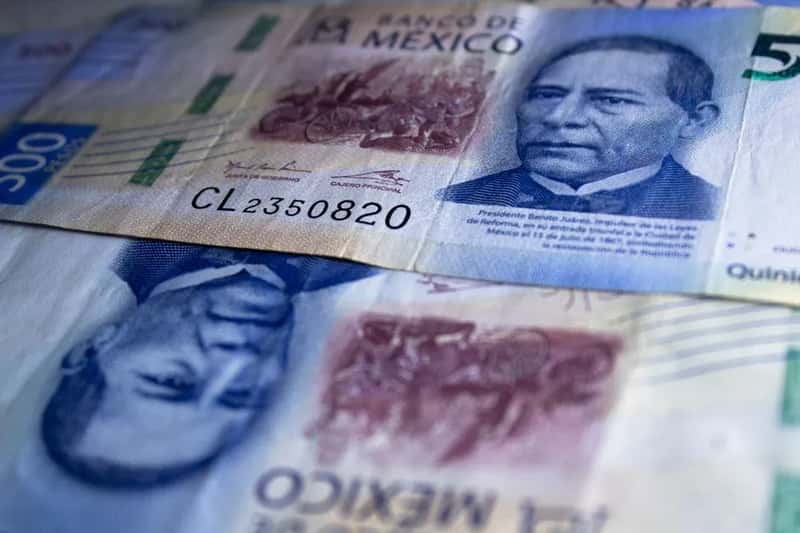
Understanding the exchange rate and tipping culture saves both money and awkward moments. The peso has held fairly steady against the dollar heading into 2026, with most sources placing the exchange rate somewhere around 17 to 18 pesos to the US dollar. Where you exchange money matters quite a bit. Airport exchange kiosks offer the worst rates, with margins of 8 to 15 percent below the mid-market rate common at Cancún and Mexico City airports, so it’s best to only use them for a small amount of immediate cash.
Tipping customs shift depending on where you are. Because beach destinations tend to see more foreign tourists from the United States and Canada, it is customary to tip between 15 and 20 percent, while for less touristy destinations in the interior of the country, locals will tell you that 10 to 15 percent is standard. For hotel housekeeping, a good rule of thumb is to leave between 25 and 50 pesos per day, and since housekeeping staff may change every day, it’s best to leave this tip daily so that every person who cleans the room gets something. Cash in pesos is almost always preferred over card tips or dollars.
Practical Ways to Cut Your Trip Cost

Several straightforward habits consistently save travelers real money without sacrificing much comfort. Booking hotels a few months ahead, paying in pesos rather than dollars, using bank ATMs instead of airport currency exchanges, and relying on the extensive first-class bus network rather than domestic flights or rental cars are all simple habits that add up to meaningful savings over the course of a trip. Traveling more slowly helps too, since longer stays reduce the per-day cost of moving between destinations and often unlock weekly or monthly discounts on accommodation.
Timing your trip around the shoulder season pays off as well. Outside of the winter holiday rush and the World Cup host city disruptions, prices in most of the country dip noticeably during the late spring and early autumn months. Leaning inland toward cities like Oaxaca, Mérida, or Guanajuato rather than concentrating your whole trip along the Riviera Maya is probably the single biggest lever for stretching a modest budget significantly further.
Putting It All Together
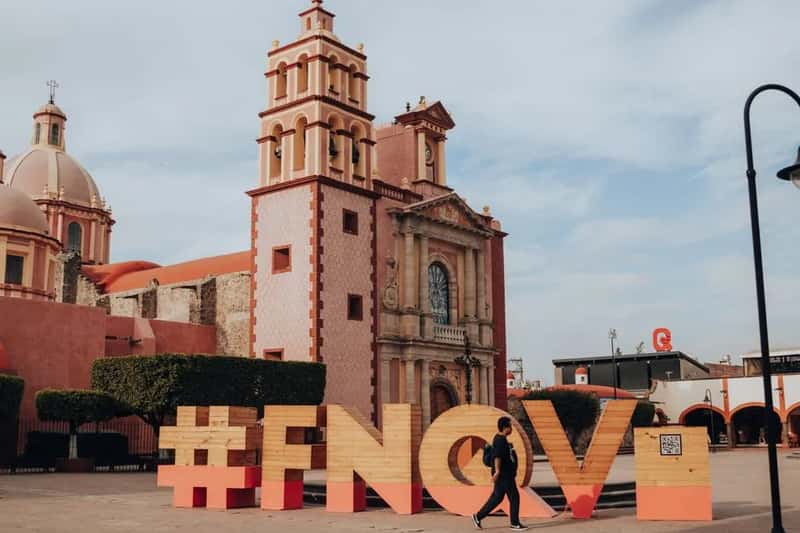
Mexico in 2026 still delivers exceptional value, even with new tourist taxes and a summer reshaped by the World Cup in three of its biggest cities. A traveler who plans around these realities, choosing inland destinations when it makes sense, tipping in cash, and avoiding host cities during match weeks unless that’s the whole point of the trip, can still enjoy a rich, affordable experience whether the goal is beach time in Tulum, street food in Mexico City, or ruins scattered across the Yucatán.
The country’s fundamental affordability hasn’t disappeared. It has simply become a little more layered than it was a few years ago, with region, season, and a handful of new fees now playing a bigger role in the final bill. Travelers who do a little homework before booking will still walk away with one of the best value trips available anywhere in the Western Hemisphere.