For most visitors, Mexico’s resort towns mean beaches, buffets and a short flight from home. In 2026 that picture was disrupted more than once, in places that rarely make headlines for gunfire. The events reached airports, hotel zones and archaeological sites.
The record is uneven. Some destinations saw sharp, sudden unrest, while others reported steep drops in homicides alongside new bursts of local violence. What follows is a look at what happened, based on official data and reporting from 2024 through October 2026.
A Single Operation in Jalisco Sets Off the Unrest
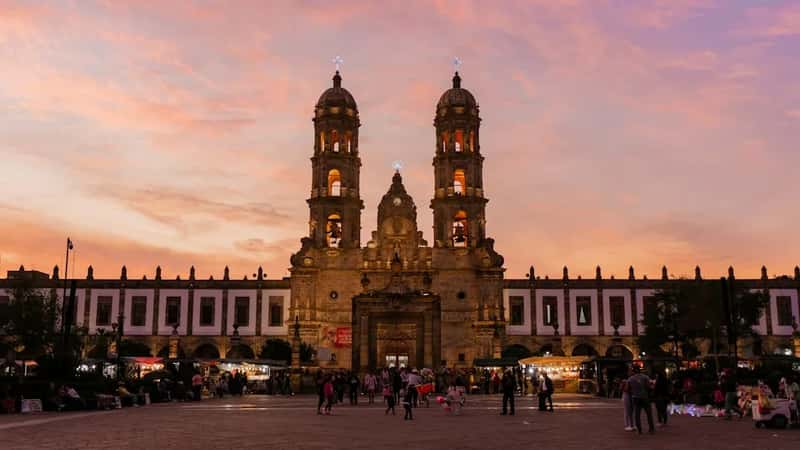
On February 22, 2026, Mexican special forces killed Nemesio “El Mencho” Oseguera Cervantes, longtime leader of the Jalisco New Generation Cartel, in Tapalpa, Jalisco.[1] Authorities said he and two bodyguards were gravely wounded in a gun battle and died during an evacuation flight to a medical facility.[2]
Within hours, cars were burning and highways were blocked in places tourists actually visit.[1] Members of his cartel blocked roads, burned vehicles and attacked gas stations, businesses and banks in 20 of the country’s 32 states.[3] Security Minister Omar García Harfuch cited 27 attacks against authorities in Jalisco, and said 30 cartel operatives and one bystander were killed.[4] A separate report put the toll at more than 70 dead across 20 states[5], so counts varied depending on the source and the day.
Puerto Vallarta Under Lockdown
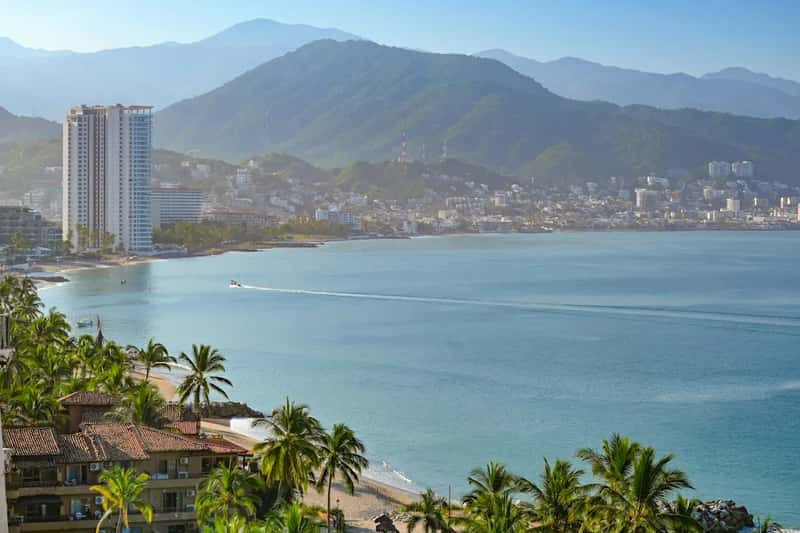
Puerto Vallarta had long been seen as a safe corner of a violent state. It had remained almost immune to Jalisco’s daily violence, becoming a favorite of American and Canadian tourists and expats escaping cold winters.[3] That changed fast.
The mayor reported more than 200 vehicles burned and 40 businesses vandalized, and 23 inmates escaped from the local jail during riots.[3] Airlines canceled flights and authorities issued shelter in place orders, while stranded visitors described burning cars and blocked roads.[6] The airport had reopened by early March[5], though officials kept advising increased caution in Puerto Vallarta.[5]
Shelter Orders Reach Three Tourist States

The US State Department said people in several Mexican states, including popular vacation spots in Jalisco, Baja California and Quintana Roo, should seek shelter.[7] On February 23 it specifically urged US citizens in Jalisco and neighboring Nayarit to shelter in place.[4] Other governments issued similar warnings.
Quintana Roo, home to Cancún and Tulum, stayed calmer than Jalisco. It remained at Level 2 throughout the unrest, while the Navy and National Guard surged patrols in the hotel zones.[1] In Puerto Vallarta, visitors were told to stay indoors and many flights were canceled or rescheduled.[8]
A Peak Tourism Season Caught Off Guard
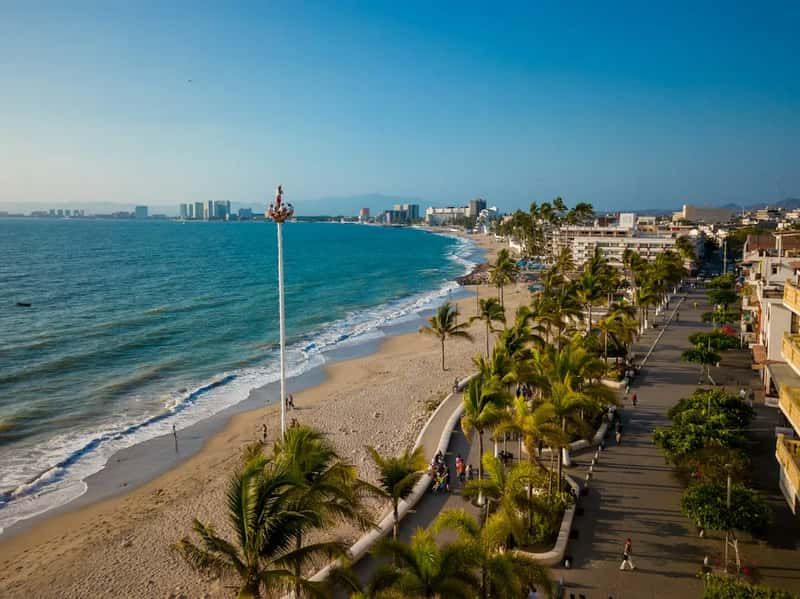
The timing was awkward. The violence coincided with the busiest stretch of Mexican tourism, which typically runs from Presidents Day through April.[5] More than one million American tourists were expected to visit during spring break.[5]
Puerto Vallarta is also a major draw for specific communities. It is one of the biggest destinations for LGBTQ+ tourists and retirees.[9] A vacation industry executive from ALG Vacations noted that Mexico remained a top choice for US travelers despite the unrest.[5]
Cancún’s Violent August
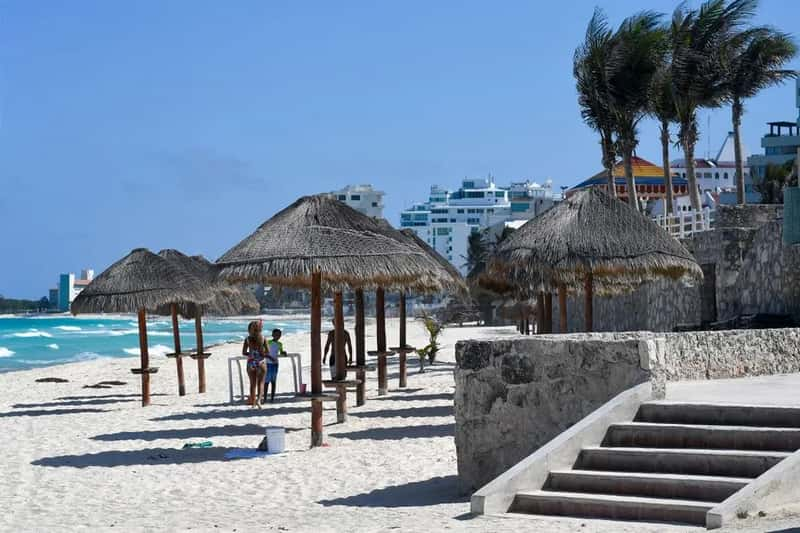
Cancún’s troubles came later in the year. A wave of violence on a Tuesday in August left at least five people dead in the resort city.[10] The month saw 12 homicides statewide in its first 11 days, five of them in Cancún in a single day.[10]
The deadliest incident was in the Valle Verde neighborhood, where gunmen killed three people and wounded two. It was the second attack in the area in under a week.[10] That is a residential area rather than the Hotel Zone. Still, it landed in a state that officials had been presenting as a security success story.
Quintana Roo’s Numbers Tell a Different Story
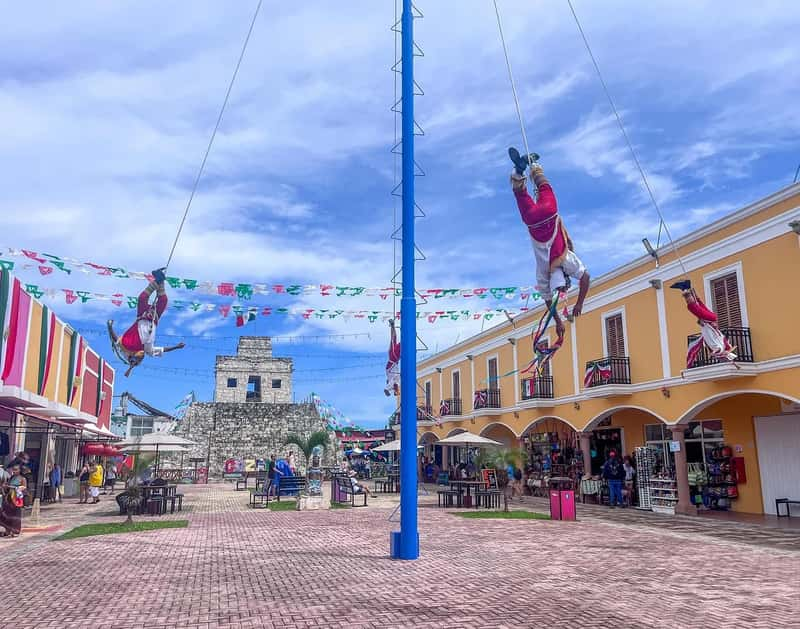
Federal figures show a steep decline across the state. Daily average homicides fell from two in September 2024 to 0.4 in February 2026.[11] By June 2026 the average was 0.3 a day, a drop of 85 percent since September 2024, according to the federal government.[12]
Between January and July 2026, daily homicides were down roughly six in ten compared with a year earlier, third best among the states.[13] The improvement was not unique to Quintana Roo. Thirty of the country’s 32 states reduced their daily homicide average in the period.[13] These are government figures presented at official briefings, which is worth keeping in mind when reading them next to the August killings.
Tulum Improves, but the Picture Is Mixed
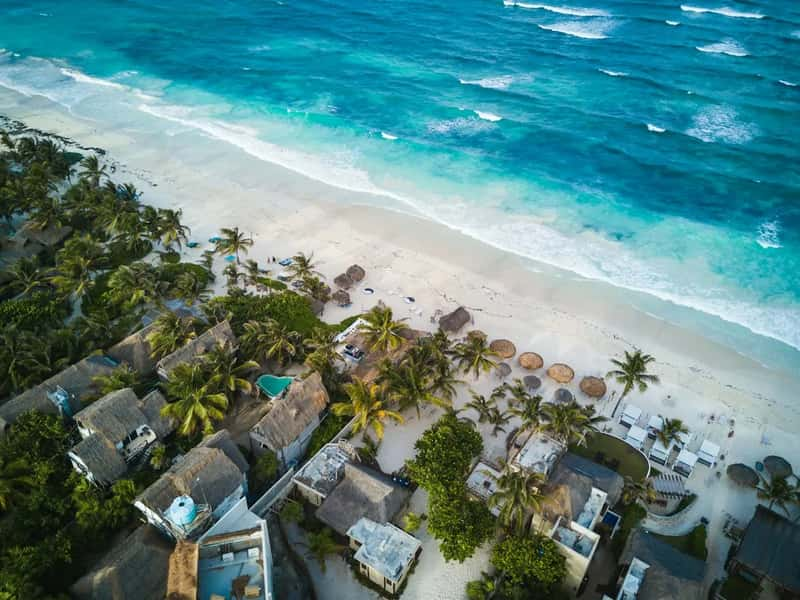
Tulum has been a particular focus. In February 2026, authorities confirmed it had been removed from the federal list of municipalities with high homicide rates.[14] By July, officials said it had gone two months without a homicide.[12]
Independent per capita rankings still show a more complicated picture. One ranking using monthly federal data gives Tulum a rate near 30 per 100,000 residents, based on 17 cases a year.[15] Because Tulum’s population is small, a few cases move that rate a lot. Cancún, by comparison, was listed at about 6.9 per 100,000 from 72 cases a year.[15]
Organized Crime Ties in the Hotel Zone
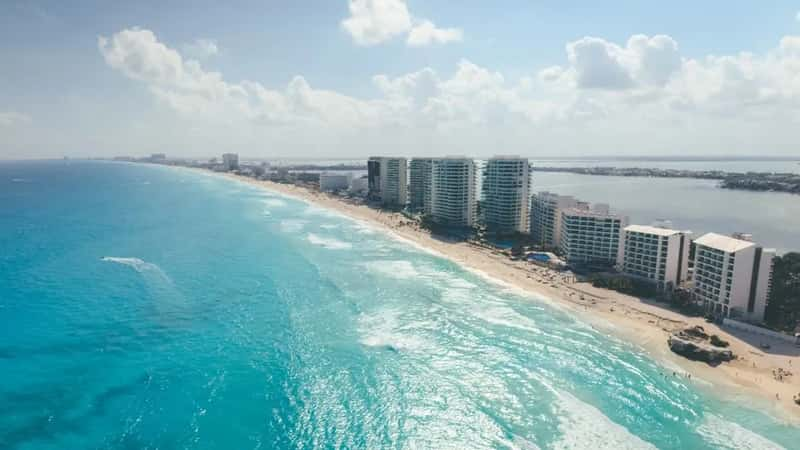
Authorities say criminal groups remain tied to the tourist economy. In October 2026, a Quintana Roo most wanted suspect known as El Marce was arrested in Mérida on a homicide charge.[16] He belonged to a structure once headed by a leader now serving a 50 year sentence for another homicide.[16]
Officials said the suspect dealt drugs at nightclubs, bars and beaches, and took part in contract killings. He is also likely linked to four homicides in April 2023 near a hotel on Boulevard Kukulcán.[16] Courts have been active as well. Five men were sentenced to up to 50 years for killings in Cancún and Felipe Carrillo Puerto.[17]
A Shooting at Teotihuacan
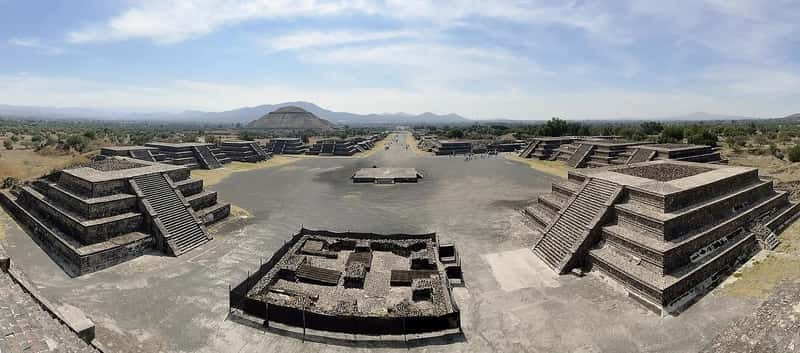
One of the year’s most disturbing events had nothing to do with beaches. A 27 year old gunman, Julio César Jasso Ramírez, opened fire from atop the Pyramid of the Moon, killing a Canadian woman and injuring 13 other tourists before taking his own life.[18]
Teotihuacan is among the most visited pre-Columbian sites in Mexico and a UNESCO World Heritage Site, about 48 km northeast of Mexico City.[18] The attack involved a single shooter, which makes it a different kind of incident from the cartel clashes in Jalisco. It still drew attention to security at the country’s best known visitor attractions.
The World Cup and the Current Advisories

The February unrest came at a sensitive moment. The violence erupted just under four months before Mexico City hosted the World Cup opener between Mexico and South Africa.[8] Guadalajara was also scheduled to host games.[19]
The State Department updated its Mexico advisory on May 29, keeping the country at Level 2, Exercise Increased Caution.[20] Six states remain at Level 4, Do Not Travel: Colima, Guerrero, Michoacán, Sinaloa, Tamaulipas and Zacatecas.[20] Level 3 states include Baja California, Chiapas, Chihuahua, Guanajuato and Jalisco.[21] Campeche and Yucatán sit at the lowest advisory level.[22] Travelers are encouraged to enroll in the Smart Traveler Enrollment Program for embassy alerts[23], and to follow instructions from authorities at military, police or security checkpoints.[23]