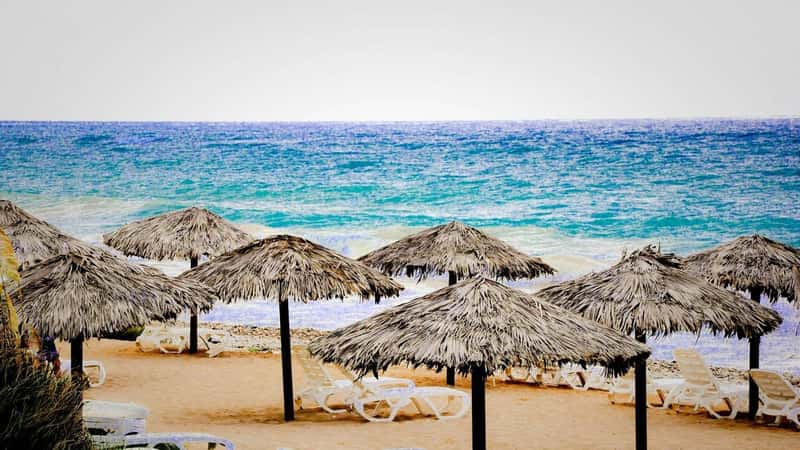
Mona Khalil, who left safety in Europe to protect sea turtles in Lebanon, was killed by an Israeli airstrike – Image for illustrative purposes only (Image credits: Unsplash)
Mansouri beach, Lebanon – Mona Khalil, 76, died on June 19 from injuries sustained when an Israeli airstrike hit her home earlier in the month. The strike also left her assistant with severe burns. For more than 25 years the modest house, known locally as the Orange House, had served as the center of her efforts to protect nesting sea turtles on one of Lebanon’s most vulnerable stretches of coastline. The beach lies south of Tyre, close to the border with Israel. Checkpoints, shelling, and repeated evacuation orders have long defined daily life there. It remains one of the country’s key nesting sites for loggerhead and green sea turtles. At night the first sign of activity is often a track in the sand. Females come ashore after dark, dig nests, lay eggs, cover them, and return to the sea. Hatchlings face a short but perilous journey to the water.
The Daily Threats on Mansouri Beach
Dogs and foxes routinely dig up eggs. Crabs and birds prey on the young. Artificial lights from roads and resorts draw hatchlings inland instead of toward the water. Plastic waste drifts just offshore, and fishing nets continue to catch adults that have survived for decades. Even a single human footprint can trap a turtle no larger than a child’s palm. Khalil spent countless nights on the sand monitoring nests and guiding volunteers. Her presence helped reduce some of these losses, yet the work never eliminated the underlying pressures on the population.
A Life Redirected Toward Conservation
Khalil was born in Lagos to Lebanese parents. She left Lebanon during the civil war and later settled in the Netherlands, where she worked as a porcelain restorer. That precise craft later proved useful in the careful handling of fragile eggs and hatchlings. She eventually returned to her family’s homeland and chose the narrow strip of Mansouri beach as the focus of her remaining years. The Orange House became both home and headquarters. Volunteers arrived from abroad and from across Lebanon to assist with night patrols, nest protection, and public education. The site drew visitors who wanted to witness the turtles and learn why the beach mattered.
Why Her Death Resonates Beyond the Conflict
Khalil’s decision to remain in a high-risk area reflected a deliberate choice to prioritize the turtles over personal safety. Her assistant’s injuries underscore the immediate human cost of the strike. Local conservation efforts now face an abrupt gap in leadership and institutional knowledge built over a quarter century. The turtles themselves continue to face the same array of dangers that Khalil worked to mitigate. Without sustained monitoring, nest success rates on Mansouri beach are expected to decline further in the coming season.
What Remains After the Loss
Colleagues and former volunteers have begun discussing how to maintain basic patrols and nest protection in the weeks ahead. The Orange House stands damaged but still recognizable to those who knew its role. Khalil’s example of returning from relative security abroad to serve an endangered species in a conflict zone continues to shape conversations about individual commitment in difficult places. Her story leaves an open question about who will step forward to carry the work forward on that same stretch of sand.