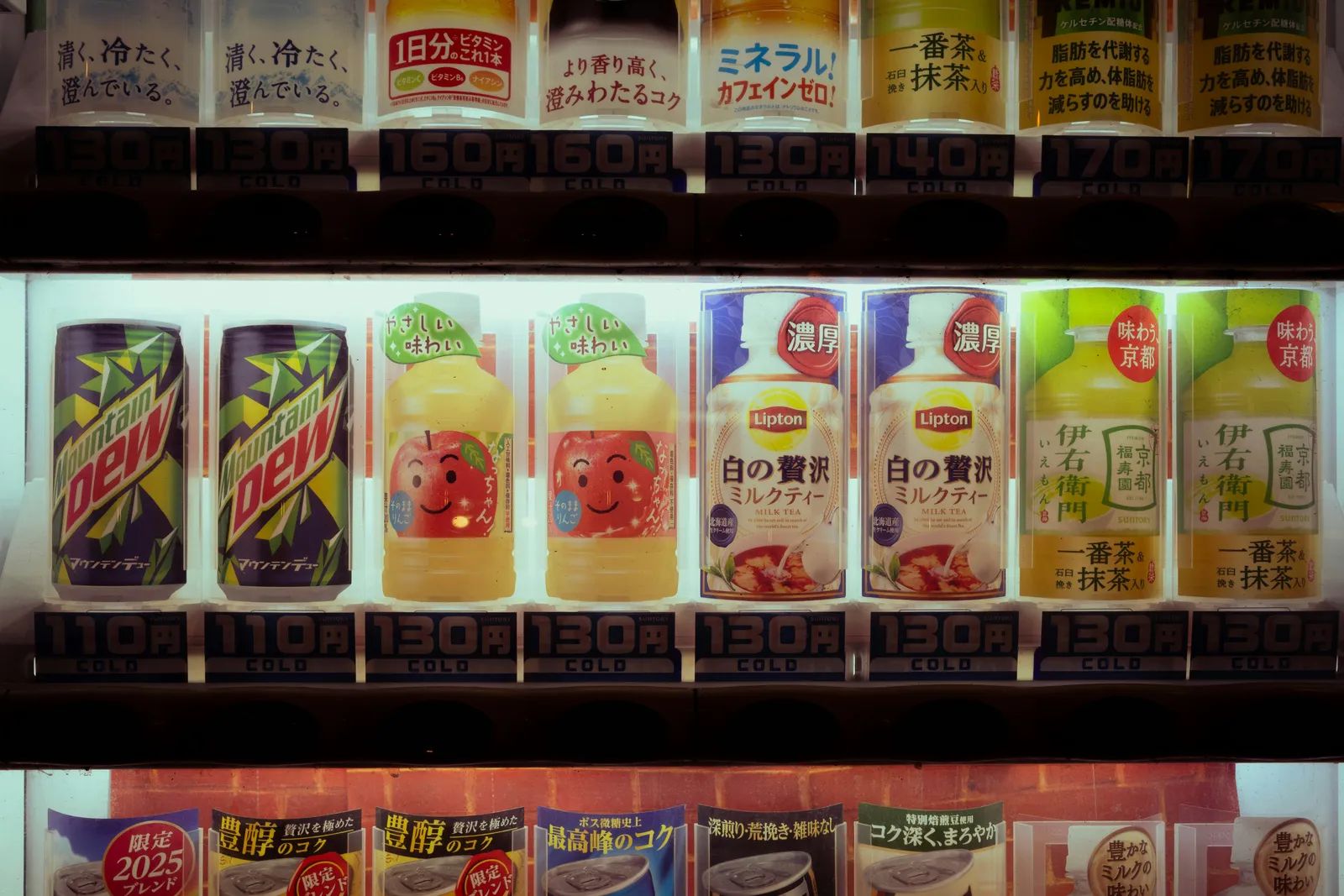
A forgotten can of Mountain Dew has a habit of turning up months or even years later, tucked behind other items in a pantry or wedged at the bottom of an old cooler. The stamped date looks faded, the can feels warm, and the immediate question is whether the contents remain worth drinking. USDA guidance treats that printed date as an estimate of best quality rather than a firm safety deadline, which means an intact, sealed container usually stays safe even after the date passes.
Why the Printed Date Focuses on Quality, Not Safety
The date on a Mountain Dew can or bottle reflects the manufacturer’s view of when the drink will taste its freshest. Federal rules do not require such dates on most shelf-stable items, and the USDA explicitly states they serve as quality indicators rather than safety cutoffs. A product that has passed its date at home should remain safe and wholesome if stored properly and shows no visible signs of spoilage. Mountain Dew’s formulation contributes to this stability. The drink contains citric acid and listed preservatives that create an environment where bacteria struggle to grow. Most packaged beverages share this acidic profile, which helps explain why a sealed can rarely becomes a food-safety concern even after extended storage.
Storage Conditions That Protect or Harm the Drink
Temperature plays the largest role in how well Mountain Dew holds up over time. The USDA recommends keeping shelf-stable foods below 85°F and warns that temperatures above 100°F can damage canned goods. A can left in a hot garage or car trunk is more likely to lose its bright citrus notes than to pose a health risk, provided the container itself remains undamaged. Direct sunlight adds unnecessary warmth, so a shaded pantry shelf offers better long-term conditions. Checking the can for bulges, leaks, or heavy rust before opening provides an extra layer of caution, regardless of the printed date. Light surface rust that wipes away does not automatically mean the contents are compromised.
Diet Mountain Dew and Changes After Opening
Diet and zero-sugar versions follow the same basic safety pattern as the regular drink when sealed. However, aspartame can lose stability more quickly when exposed to heat above roughly 86°F, which may leave the beverage tasting thinner or less sweet. Consumers who find an older diet can stored in warm conditions should expect possible flavor changes rather than any safety issue. Once opened, carbonation begins to escape. A tightly capped bottle kept in the refrigerator usually retains acceptable fizz for a day or two. Leaving an opened container at room temperature for an extended period, especially if it has been sipped directly, removes the safety margin that acidity alone provides, so discarding it becomes the prudent choice.
Practical Checks Before Drinking
A few visible cues help decide whether to keep or discard an older can or bottle:
- Swelling at the ends of a can or a hard, distended bottle signals a problem and warrants disposal without opening.
- Leaks, sticky seams, or heavy rust on the container call for the same action.
- Visible particles, clumps, or an unusual smell after opening also indicate it is time to pour the contents out.
Normal aging shows up differently. Reduced carbonation and a milder citrus taste are common even in unopened containers that have sat for a long time. These changes affect enjoyment more than safety.
Older Formulations and Current Labels
Cans produced before mid-2020 may list brominated vegetable oil, an ingredient no longer used in Mountain Dew. The FDA ended its authorization for food use in 2024, and PepsiCo had already removed it from the recipe years earlier. Current labels do not include the additive, so checking the ingredient list on any very old stock offers a simple way to decide whether to keep or pass on the can. A 12-ounce serving of Mountain Dew contains 54 milligrams of caffeine, a figure that remains consistent across regular and diet versions. That amount sits between a typical cola and a cup of coffee, though individual tolerance varies. The practical takeaway is straightforward. An undamaged, sealed can of Mountain Dew that has lingered past its date is usually safe to open and taste, with the main variables being how much fizz and flavor remain. When in doubt about the container’s condition, the safest step is to set it aside.