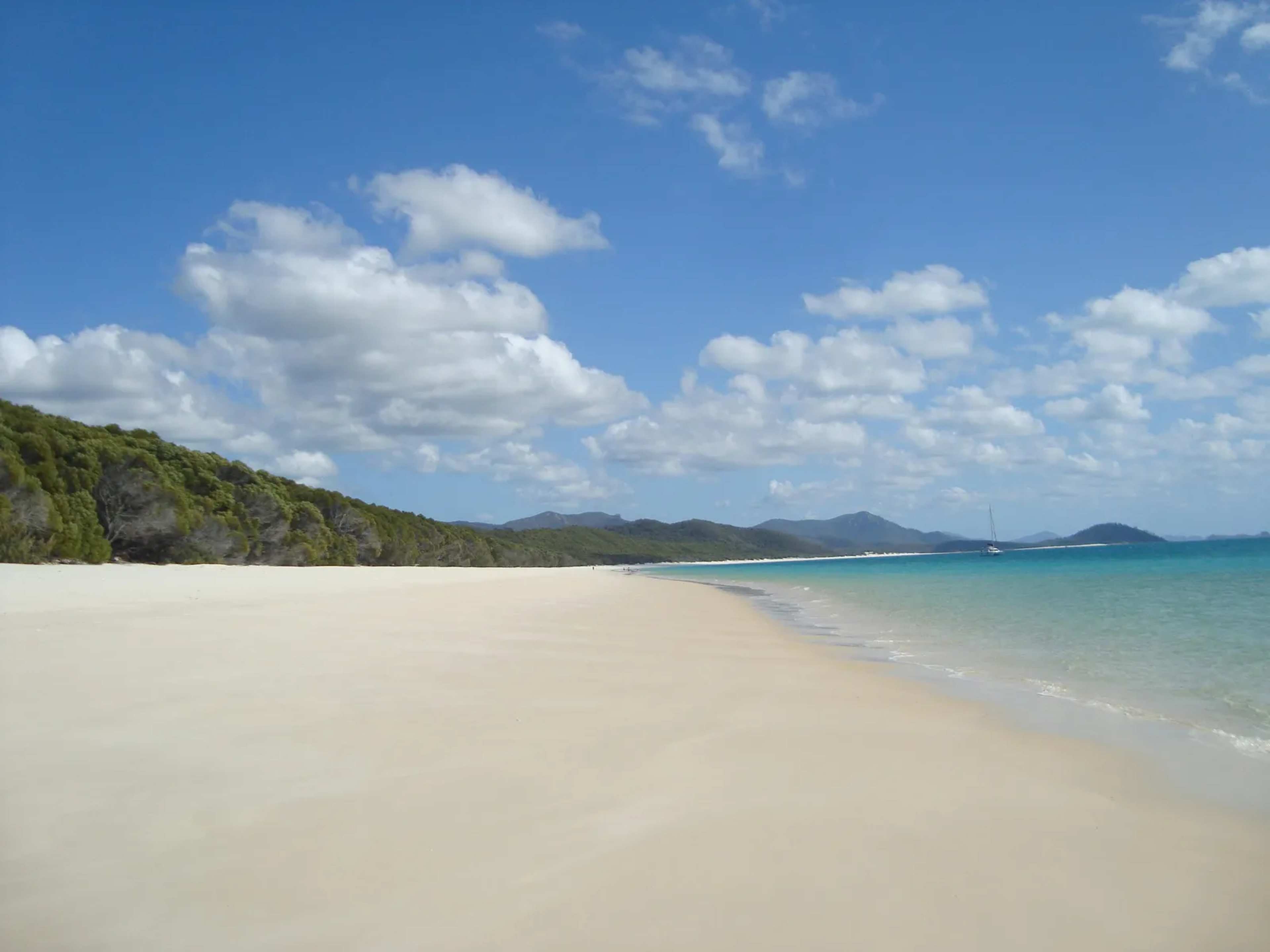
While catastrophic earthquakes shake entire regions and devastating hurricanes tear across continents, some countries remain remarkably sheltered from nature’s fury. The most recent World Risk Index data reveals a stark reality: not all nations face equal threats from natural disasters, and a select few enjoy unprecedented safety from environmental catastrophes.
Monaco: The Perfectly Protected Principality
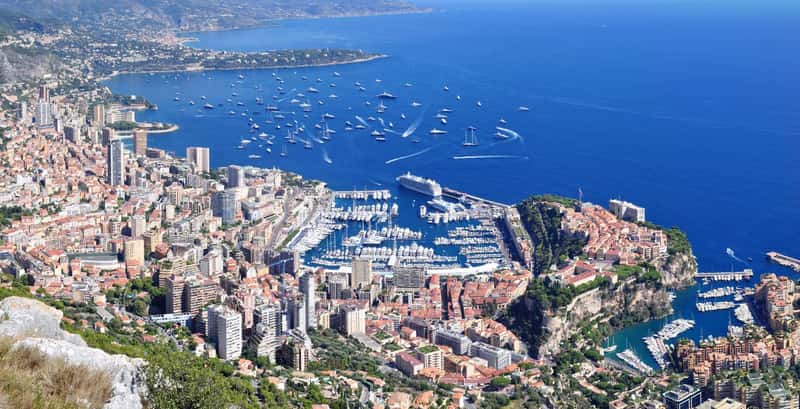
Monaco stands as one of the world’s safest havens from natural disasters, ranking among countries with very low disaster risk according to recent assessments due to its exceptionally low exposure and susceptibility to disasters. The microstate boasts one of the lowest risks of river and urban flooding while remaining completely immune to cyclones and volcanoes, shielded by its unique position between the Mediterranean Sea and the Alps. The principality has implemented efficient drainage systems to handle severe rainfall and enforces stringent building codes designed for earthquake resilience. Its compact size and advanced infrastructure make it nearly impervious to the natural disasters that regularly devastate other regions.
Andorra: Europe’s Disaster-Free Haven
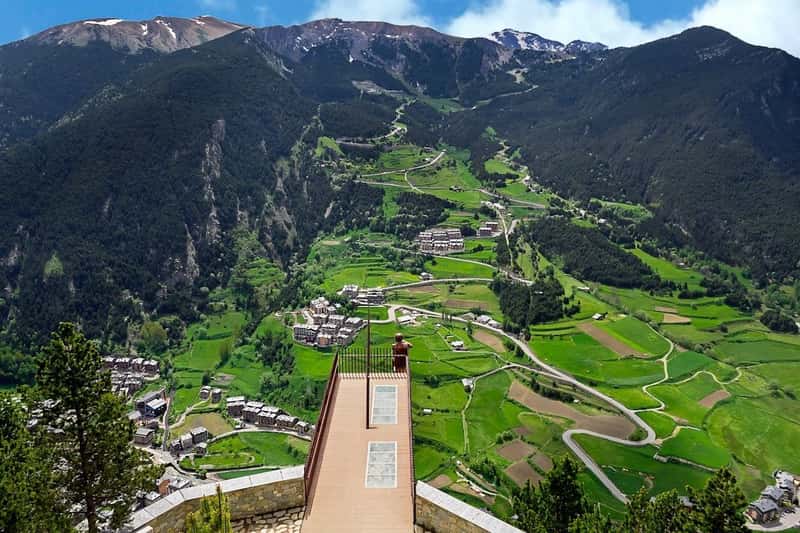
Andorra claims the title of the world’s safest country from natural disasters, ranking as one of the world’s safest countries from natural disasters according to recent data. The landlocked nation has no recorded history of damaging earthquakes and sits miles away from open water, making any major disaster extremely rare. Like Monaco, Andorra benefits from a robust economy driven by its banking sector and low taxation, ensuring high-quality disaster preparedness services throughout the nation. The country’s mountainous terrain and strategic location provide natural barriers against most environmental hazards that threaten other European nations.
Singapore: Asia’s Natural Disaster Sanctuary
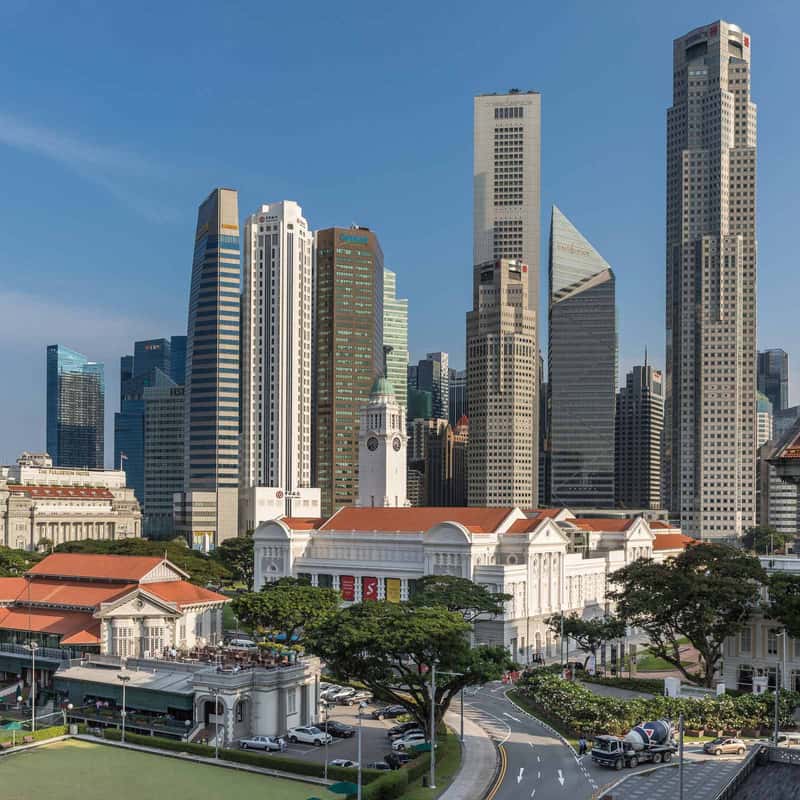
Singapore ranks as the safest country globally, offering unparalleled security and comfort while remaining outside major earthquake zones and avoiding hurricanes, typhoons, and tsunamis that plague neighboring Southeast Asian countries. The island nation enjoys unique protection because surrounding countries like Malaysia and Indonesia act as natural buffers, meaning any tsunami waves must pass through these nations first. Recent safety assessments consistently rank Singapore among the world’s safest destinations. The city-state’s advanced warning systems and urban planning further minimize risks from the few natural hazards that could potentially affect the region.
Qatar: The Middle East’s Natural Shield

Qatar emerges as the Middle East’s safest nation from natural disasters, protected by its geographical position from tropical cyclones while remaining far from fault lines that could trigger earthquakes or dangerous volcanic activity. Natural disaster risks remain minimal due to the country’s location, with no proneness to earthquakes, hurricanes, or flooding, though occasional sandstorms do occur in the arid climate, and are well-anticipated and managed with clear safety guidelines. The nation’s unique geographical positioning makes it arguably the safest country worldwide when considering natural disaster threats. Qatar’s wealth and modern infrastructure provide additional layers of protection against the few environmental challenges that do arise in the region.
Denmark: Scandinavia’s Stable Ground
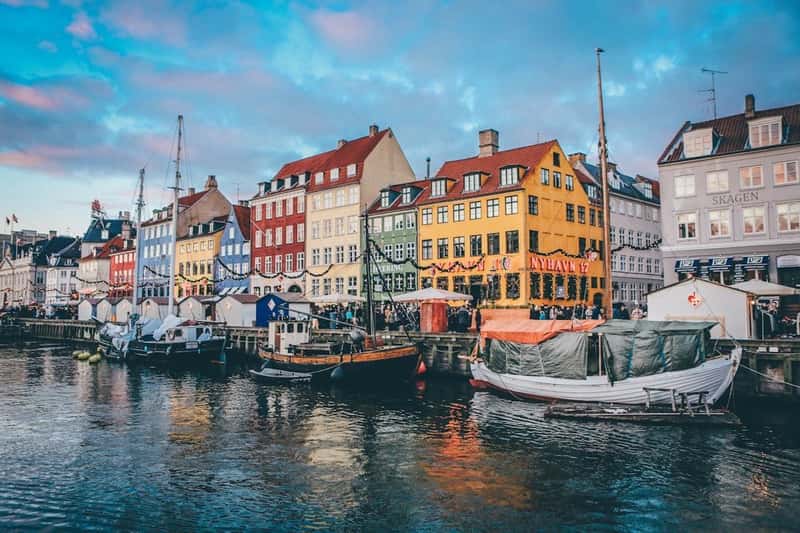
Denmark ranks among countries with negligible safety risks from natural disasters, joining other European nations like Iceland, Finland, Norway, and Switzerland in this exclusive category. The country consistently ranks among the top nations globally on international safety indices. Denmark stands out as one of the best countries for living with climate change considerations, demonstrating a strong commitment to environmental protection and sustainable initiatives. The Nordic nation’s stable climate patterns, absence of major geological fault lines, and comprehensive disaster preparedness systems create an environment where natural catastrophes remain exceptionally rare occurrences rather than regular threats.
Why These Nations Remain Protected
The risk of natural events becoming disasters depends not only on the force of the natural event itself but equally on societal framework conditions, response structures, infrastructure quality, poverty levels, and access to healthcare systems. The World Risk Index calculates disaster risk as the geometric mean of exposure and vulnerability, measuring how populations face impacts from earthquakes, tsunamis, floods, cyclones, droughts, and sea level rise. These five nations excel in both categories through favorable geography and exceptional preparedness. Their success stories demonstrate that while extreme natural events cannot be completely prevented, countries can dramatically reduce disaster risk through strategic planning, infrastructure investment, and comprehensive emergency response systems.