Deep in the Owl Mountains of southwestern Poland, tourists can now walk through tunnels that Nazi Germany dug during the Second World War. One site is even marketed as the “Underground City.” The reality is more complicated than that name suggests, and a lot sadder.
These tunnels belong to a wartime scheme called Project Riese, and nobody has ever fully explained what it was for. Here’s what’s known, what’s still debated, and what you’ll actually see if you go.
Not One City, but a Cluster of Tunnel Complexes
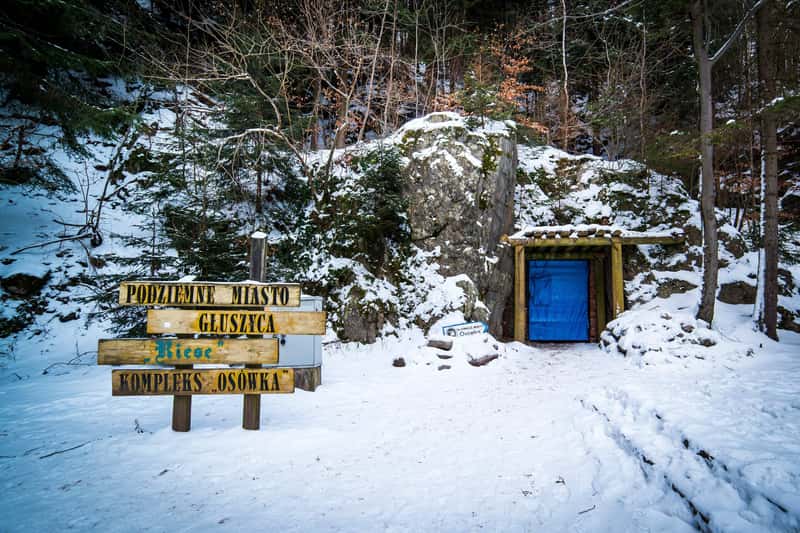
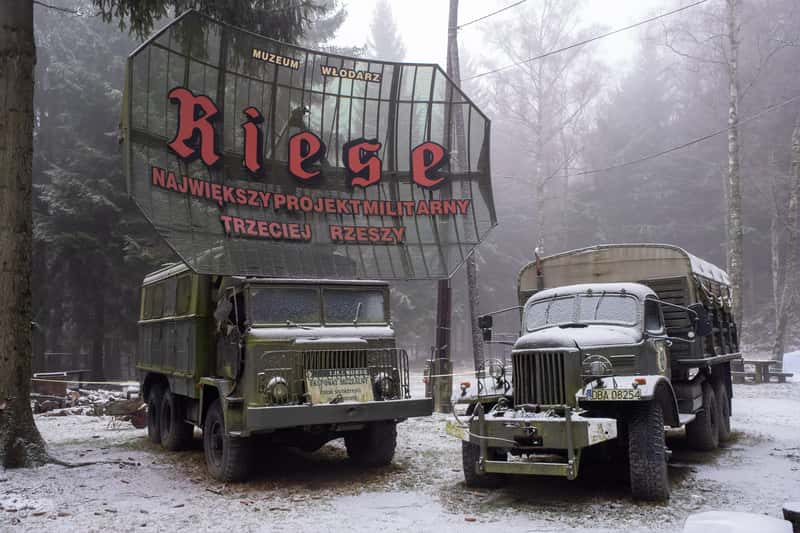
Riese, German for “giant,” was the codename of a Nazi construction project from 1943 to 1945. It consisted of seven underground structures at Książ Castle and in the Owl Mountains in Lower Silesia, then Germany and now Poland.[1] The sites are usually listed as Rzeczka, Osówka, Włodarz, Soboń, Jugowice Górne, Gontowa and the tunnels beneath Książ Castle.[2] So the “city” is really a scattering of separate systems across the hills.
The nickname comes from Osówka. Atlas Obscura calls the “underground city” there arguably the most worthwhile and foreigner-friendly of the complexes.[3] Several sites are open for guided visits. Polish media list Rzeczka, Włodarz, Książ and Osówka as the four available to tourists.[4]
What Project Riese Was Meant to Be
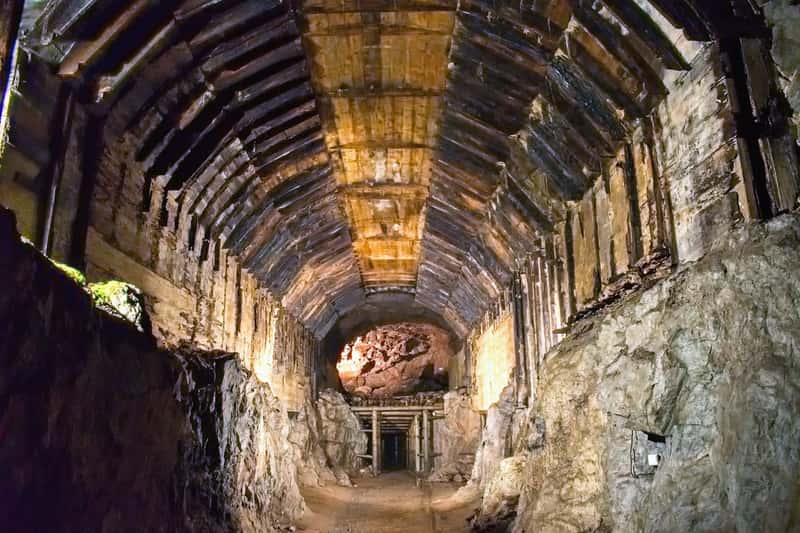
The honest answer is that we don’t fully know. The purpose of the project remains uncertain because of a lack of documentation.[1] One visitor guide to Książ puts it plainly: evidence points to the castle being prepared as a headquarters or residence, while the much larger Owl Mountains complexes were probably meant as underground factory space sheltered from bombing, but no single official explanation survives.[5]
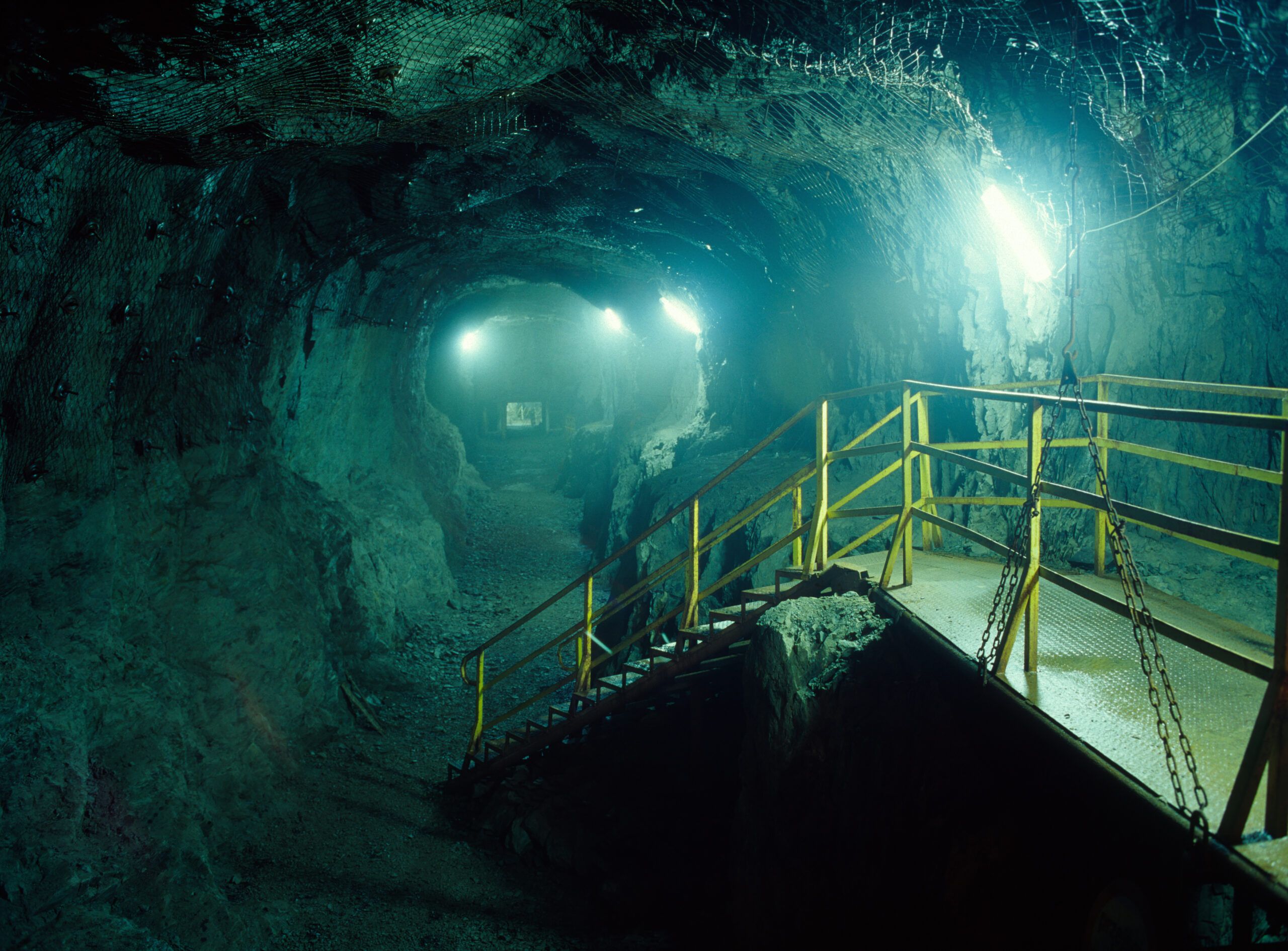
What is clear is that the work was never completed. All the structures are in different states of completion, and only 11 percent are reinforced with concrete.[1] That unfinished, raw quality is a big part of why the tunnels feel so striking today.
The Human Cost Behind the Rock
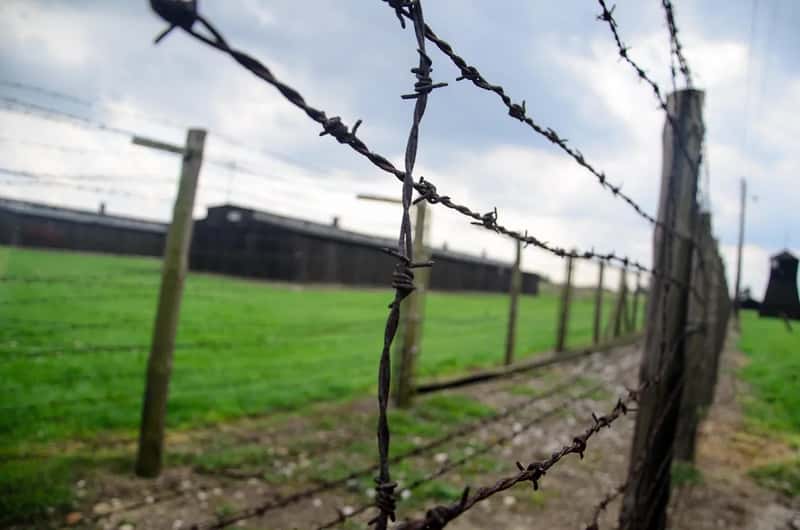
Before you go underground, it helps to know who dug these tunnels. According to the Gross-Rosen Museum, about 13,000 prisoners went through Arbeitslager Riese.[6] They were all Jews from many European countries, mostly Hungary and Poland.[7] They were deployed to thirteen labour camps, a network that was part of the Gross-Rosen concentration camp.[1]
The work was brutal. Prisoners cut trees, built roads, bridges and sewage systems, and above all bored tunnels, the hardest and most dangerous job, with many accidents, some fatal.[6] The museum counts about 4,775 deaths in the camps of the Riese complex, or 4,929 when deaths in the first weeks after the war are added.[6] Yad Vashem’s records note a lower figure, saying extant records show at least 3,068 prisoners died there[8], which reflects how hard exact numbers are to pin down.
Osówka: The “Underground City” Itself
Osówka is the headline attraction. The complex sits on the slopes of Mount Osówka and has three entrances, two of which open onto 1,700 metres of accessible tunnels on multiple levels.[9] Chambers reach up to 8 metres high.[10] Along the way you’ll notice guard-room nooks, ventilation features and mysterious hydraulic installations.[10]
You can choose how deep to go. Osówka offers a “historical” tour, an “extreme” route and a longer “Expedition Riese.”[10] English-language tours can be booked in advance, or you can join Polish tours with an English audioguide, and there’s an optional route by boat through flooded parts of the complex.[3]
Conclusion
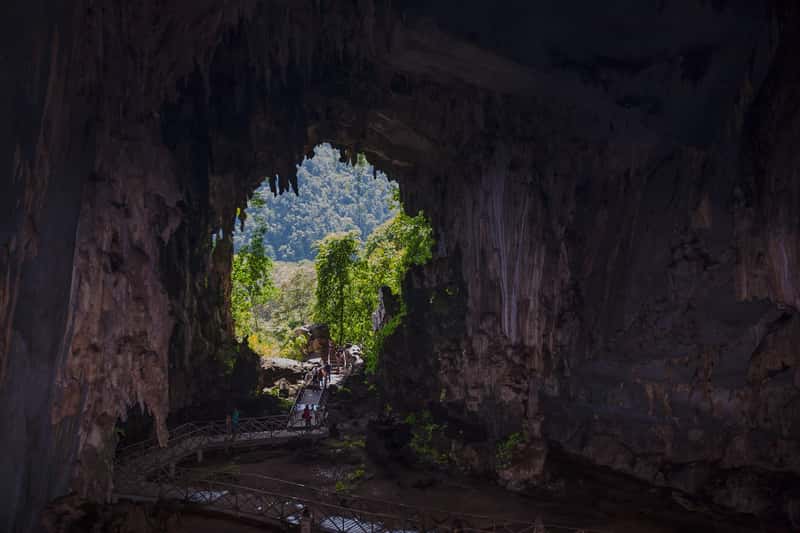
The Owl Mountains tunnels are a rare chance to stand inside a wartime project that was never finished and never explained. The scale is real, but so is the cost. Thousands of forced labourers died building it, and that history deserves as much attention as the gold-train stories.
Go for the engineering and the eerie atmosphere if you like. Just leave knowing that these halls are a monument to forced labour first, and a tourist attraction second.