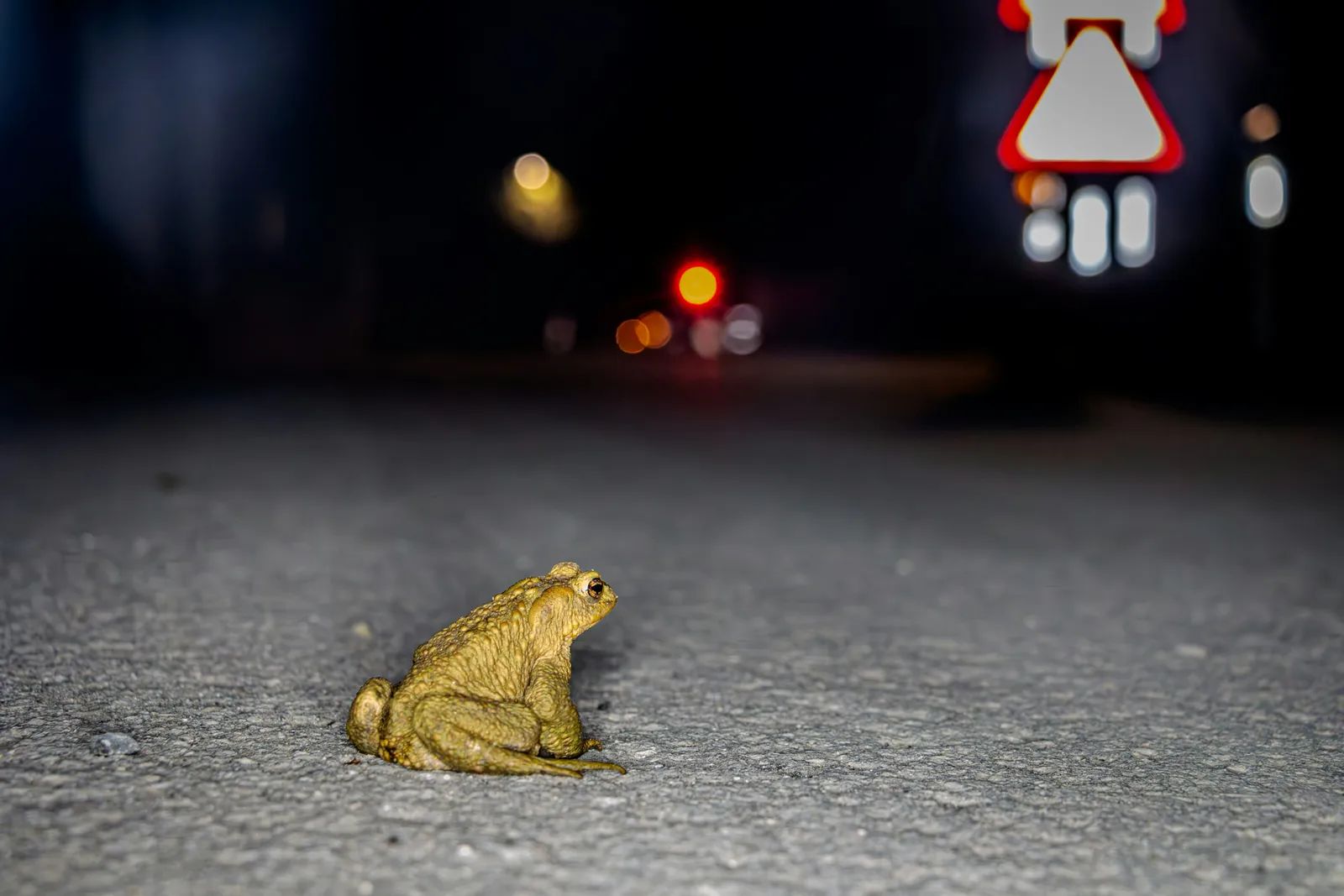
Every spring, salamanders and frogs leave their wooded winter habitats in New Hampshire and head toward breeding swamps. The journey often requires crossing roads that slice through their traditional routes. Volunteers organized as the Salamander Brigades intervene to reduce the toll from passing vehicles. ([1])
The Timing and Scale of the Migration
Amphibians in New Hampshire follow a predictable seasonal pattern. They emerge from upland forests where they have spent the colder months and move toward lowland wetlands for reproduction. This movement concentrates large numbers of individuals on specific stretches of road during a narrow window of favorable weather. The effort involves an estimated 100,000 salamanders and frogs annually, according to the scale reported for these coordinated interventions. The migration occurs when temperatures rise and moisture levels support travel. Volunteers monitor conditions closely because even small shifts in weather can alter the peak nights of movement. Local knowledge of these patterns allows the brigades to position themselves where crossings are most frequent.
Roads as a Persistent Hazard
Paved roads present a direct physical barrier during the migration. Vehicles traveling at normal speeds can kill or injure many animals in a single evening. Fragmented habitat means the shortest path between winter shelter and breeding sites often intersects with traffic corridors. Without assistance, mortality rates rise sharply on busy stretches. The problem repeats each year because development patterns have not changed the underlying geography. Roads that were built decades ago continue to separate the two essential parts of the amphibians’ life cycle. This ongoing conflict between infrastructure and natural movement drives the need for repeated volunteer action.
How the Brigades Operate
Members of the Salamander Brigades station themselves along known crossing points on migration nights. They use flashlights and temporary barriers to direct animals safely from one side of the pavement to the other. The work requires coordination so that traffic can be slowed or paused briefly while groups of amphibians pass. Volunteers often return to the same locations season after season, building familiarity with both the terrain and the animals’ behavior. The brigades function as a community response rather than a formal government program. Participants include residents who track weather forecasts and share updates on active migration periods. Their presence turns a routine hazard into a managed event that allows far more individuals to complete the journey.
Practical Outcomes for Local Wildlife
The direct result of these efforts is a measurable reduction in roadkill during peak migration periods. By escorting animals across, the brigades preserve breeding adults that would otherwise be lost. This protection supports population stability in wetlands that depend on successful reproduction each spring. Over time, the repeated interventions also raise awareness among drivers who encounter the volunteers. Motorists who slow down or stop become part of the solution on subsequent nights. The combination of hands-on assistance and increased visibility produces a modest but consistent conservation benefit within the affected New Hampshire communities. The brigades demonstrate how localized volunteer networks can address a specific wildlife challenge without requiring large-scale infrastructure changes. Their annual work continues as long as the migration routes remain intact and roads continue to intersect them.