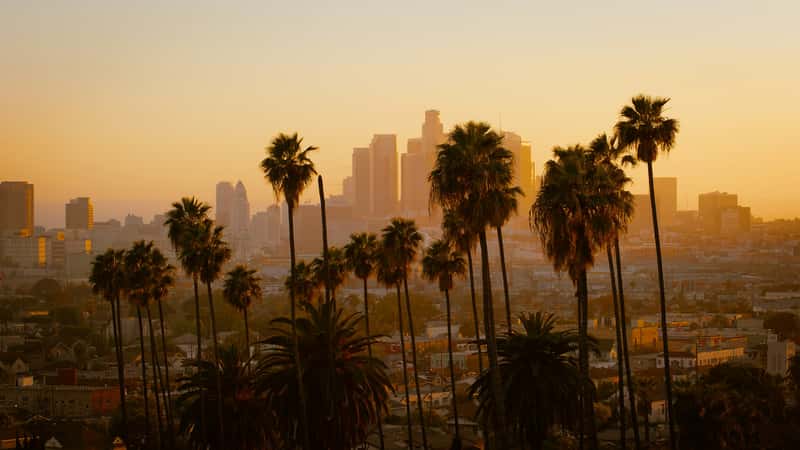
Few rivalries in American life get argued about with quite as much passion as New York versus Los Angeles. Ask a die-hard New Yorker and they will tell you their city never sleeps, never apologizes, and never runs out of things to do. Ask an Angeleno and they will calmly mention the ocean, the sunshine, and the fact that they do not have to wear a coat from November through March. Both sides have a point, and both cities have built entire identities around being the opposite of the other.
This comparison walks through the numbers and the lived experience behind the myth, from population size and cost of living to weather, culture, tourism, and daily rhythm. The goal is not to crown a winner but to show, with real data from 2024 through 2026, where each city actually earns its reputation and where the hype outpaces reality.
Size and Scale: Two Very Different Kinds of Big

New York remains the undisputed heavyweight by population. New York City has an estimated population of about 8.26 million people as of 2025, making it the most populous city in the United States by a wide margin. That is more than double the second largest city, Los Angeles, and triple the third largest city, Chicago. The wider picture is just as lopsided. New York anchors a metropolitan region of roughly 20.1 million residents, one of the largest urban agglomerations on Earth and a global hub of finance, culture, and immigration.
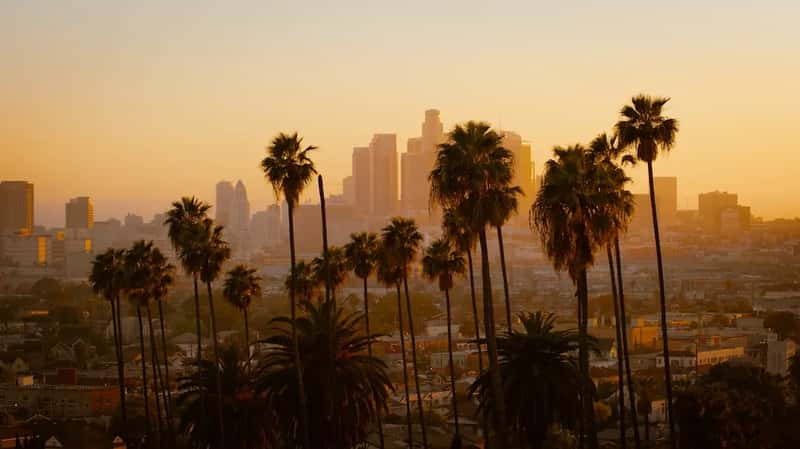
Los Angeles tells a different story about scale. The city proper holds about 3.9 million people across a sprawling 1,302 square kilometers. That footprint is actually larger than New York City by area, even though it holds less than half as many residents, a reflection of LA’s famously low-density, car-oriented layout. Zoom out to the metro level and LA still ranks near the top. The wider Los Angeles metropolitan area is home to roughly 13.2 million residents, while the broader region known as Greater Los Angeles reaches about 18.5 million, the second largest urban concentration in the country. In other words, New York wins on density and raw numbers, while LA wins on geographic sprawl.
Cost of Living: The Rent Debate Nobody Wins Cleanly
New York’s reputation as the more expensive city holds up in most measures, though the gap is narrower than people assume once transportation gets factored in. Housing in New York has an index of 282 compared to 218 in Los Angeles, which is about 29 percent more expensive. Rent comparisons vary by source and neighborhood mix, but most place New York’s typical one-bedroom somewhere between three hundred and seven hundred dollars higher per month than LA’s equivalent.
That said, the full financial picture flips once you account for how people actually get around. The headline numbers, NYC median one-bedroom rent versus LA’s lower figure, make LA look significantly cheaper, but that comparison misses LA’s defining financial reality: car ownership is not optional in Los Angeles. The full cost of owning and operating a car in LA, including payments, insurance, gas, maintenance, and parking, totals eight hundred to eleven hundred dollars a month for most residents, while NYC residents rely on subway and bus access for around one hundred thirty two dollars a month. Add taxes into the mix and the states diverge sharply too, since New York has a state income tax of 10.90 percent at the top and sales tax of 4.00 percent, while California has a state income tax of 13.30 percent at the top and sales tax of 7.25 percent.
Weather and Climate: This One Isn’t Close
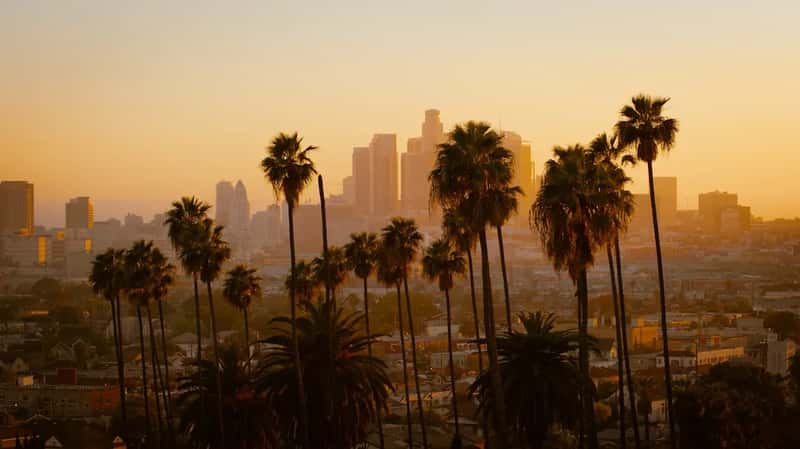
If there is a category where LA simply crushes New York in a way even loyal New Yorkers rarely dispute, it’s weather. New York averages about 224 sunny days per year, while Los Angeles averages 284 sunny days per year, well above the national average of 205. The rainfall difference is even more dramatic, since New York gets 46.6 inches of rain annually compared to just 15.5 inches in Los Angeles.
New York’s four distinct seasons are part of its charm for many residents and visitors, offering snowy winters, blooming springs, humid summers, and crisp falls with changing foliage. Los Angeles, by contrast, offers something closer to consistency: mild temperatures nearly year round, with the tradeoff being real environmental risks like drought and wildfire that have grown more frequent in recent years. Neither city’s weather is objectively “better,” but if sunshine is your priority, the numbers leave little room for debate.
Tourism: Two Very Different Draws
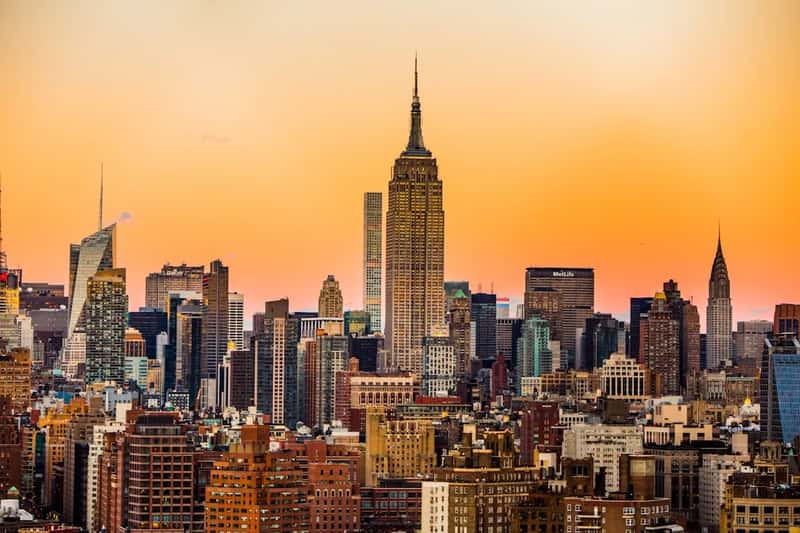
New York’s pull as a visitor destination remains extraordinary. Total visitation grew modestly to 65 million visitors in 2025, up 0.7 percent over 2024, led by domestic visitation. The economic footprint is enormous too, since tourism generated 84.7 billion dollars in total economic impact for New York City in 2025, including 55.6 billion dollars in direct spending, and this economic activity supported 397,000 jobs. On the international front, New York City is the most visited city in the United States by international tourists, welcoming approximately 8.9 million international visitors in 2024, more than double the second ranked city.
Los Angeles pulls a smaller but still substantial international crowd. Los Angeles ranked third among US cities for international tourists with approximately 3.6 million visitors in 2024, and LAX handled 23.4 million international arrivals that year, the second busiest US international airport. Both cities have taken a hit from broader national headwinds recently, as Los Angeles experienced a 50 percent drop in visitor counts from key markets in 2025, with Canadian tourists particularly affected by a 30 percent decrease in arrivals during peak summer months. Even so, LA has a major growth catalyst ahead, since Los Angeles is building toward the 2028 Summer Olympics, with infrastructure investment and global marketing already boosting international awareness.
Getting Around: Subway City vs. Freeway City

This is where the two cities diverge most sharply in daily lived experience. New York’s subway system, despite its age and occasional delays, runs around the clock and covers nearly every corner of the five boroughs, making it genuinely possible to live car-free for an entire lifetime. Manhattan in particular rewards walking, with dense blocks of restaurants, shops, and subway entrances packed into short distances that make errands and social life feel effortless without ever needing a vehicle.
Los Angeles has invested billions in expanding its Metro rail and bus network ahead of the 2028 Olympics, but the city’s DNA remains built around the automobile and its famous, often maddening freeways. Commute times can stretch well beyond an hour each way during peak traffic, and neighborhoods are frequently separated by distances that make walking impractical. For newcomers used to transit-first cities, this is often the single biggest adjustment when relocating to LA, and it’s a cost, both in money and time, that rarely gets factored into the simpler rent comparisons.
Culture, Entertainment, and Creative Identity

New York’s cultural weight comes from density and diversity packed into a small footprint. New York City is one of the most diverse places on the planet, with roughly 36 percent of residents foreign-born and more than 200 languages spoken across the city. That diversity translates directly into food, art, theater, and music scenes that layer on top of each other block by block, from Broadway to countless smaller venues that rarely get national attention but define neighborhood life.
Los Angeles built its cultural identity around one dominant export: the entertainment industry itself. Hollywood remains the symbolic and, in many ways, literal engine of American film and television production, and that industry shapes everything from the city’s economy to its social rhythms and even its geography, with studio lots and industry offices scattered across the region rather than concentrated in one district. Where New York’s culture feels like it bubbles up from the street, LA’s culture often feels like it’s manufactured on a soundstage and then exported to the rest of the world, for better or worse.
Pace of Life: Hustle vs. Ease

The stereotypes here are rooted in something real. New York rewards, and sometimes demands, a fast-moving, always-on approach to daily life, where walking slowly on a crowded sidewalk can genuinely annoy the people behind you. The city’s density and 24-hour transit system mean spontaneity is easy. Grab a coffee, meet a friend, catch a late show, all without much planning.
Los Angeles operates on a different clock entirely, one built around driving distances and a more deliberately unhurried social rhythm. Plans tend to require more advance coordination given the driving involved, but that same spread-out geography also means more personal space, more greenery, and easier access to nature, from hiking trails in the hills to beaches along the coast. Neither pace is inherently better, but they do attract genuinely different kinds of people, and plenty of transplants from one city to the other report a real adjustment period getting used to the opposite rhythm.
Safety and Livability Considerations
Comparing safety between the two cities is complicated because the relevant risks differ so much in kind. New York’s dense, walkable environment means most crime concerns for residents and visitors center on property crime and street-level incidents concentrated in specific areas, while the subway and sidewalks put people in closer, near-constant proximity to each other around the clock. Los Angeles spreads its population out enough that many residents experience daily life largely insulated inside cars, which changes the nature of risk even if it does not necessarily reduce it.
Natural disaster risk is where the comparison becomes less subjective. New York does not face the same scale of wildfire or major earthquake risk that periodically threatens Los Angeles and the broader Southern California region. That single factor, environmental exposure, is one of the more concrete and less debatable differences between the two cities when people weigh long-term livability rather than short-term visits.
The Verdict: Two Hypes, Both Partly True

New York’s reputation as the ultimate walkable, culturally dense, endlessly stimulating metropolis holds up under scrutiny, backed by its sheer population scale, transit infrastructure, and tourism numbers that dwarf almost every other American city. The hype is not exaggeration so much as accurate marketing for something the city genuinely delivers, at the cost of higher housing prices and a demanding pace of life that not everyone wants long term.
Los Angeles earns its own version of the hype through weather, space, and its singular role as the entertainment capital of the world, even though its car dependency quietly erodes some of the savings people expect from lower advertised rents. Neither city is objectively “better.” They are simply optimized for different lives, different budgets, and different tolerances for sunshine versus subway rides. The real answer to which city lives up to the hype probably depends less on the cities themselves and more on which version of American life you are hoping to find.