You close the door, kill the lights, and figure the hotel basically shuts down with you. No manager watching, no staff paying attention, just an empty lobby and a bored guy behind a desk scrolling his phone until sunrise. That’s the story most guests tell themselves, and it’s almost entirely false.
There is always someone awake downstairs, and that someone sees far more than a checked-in guest could ever guess. Night porters walk the halls, watch the cameras, balance the books, and quietly clean up messes before anyone even knows they existed. Here’s what actually happens after the lobby lights dim.
#21 – That “Do Not Disturb” Sign Isn’t Always About Sleep
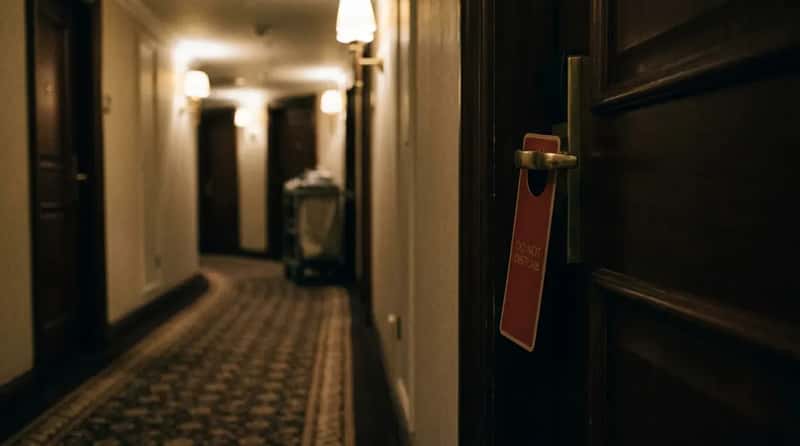
Night staff notice which rooms keep that sign up for days straight, and it’s rarely just a guest who wants to sleep in. Sometimes it means someone’s avoiding housekeeping for a reason nobody wants to think about. Sometimes it’s just a guest terrified of an unexpected knock at 7 a.m.
Either way, a sign that stays up too long eventually gets flagged. If something feels off with that room, the night porter quietly moves the guest and briefs the morning team before the sun’s even up. Most people never realize that swap happened at all.
#20 – The Cameras Aren’t Just Watching for Thieves
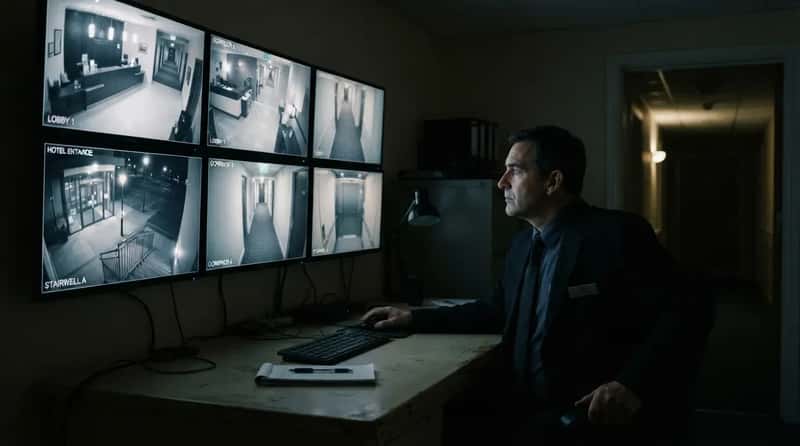
Guests picture hotel cameras as anti-theft tools, but overnight staff use them for something far more mundane: keeping track of who’s actually still awake in the building. Night porters patrol the property, check every door and window, and monitor the CCTV feed throughout the entire shift.
That means the front desk often knows exactly who stumbled in at 4 a.m., who let a stranger tailgate through a side entrance, and who tried three different keycards on the wrong door. None of it comes up at checkout. But it’s nothing compared to what turns up in the stairwells overnight.
#19 – The Fire Escape Walk Turns Up Things Guests Never Expect
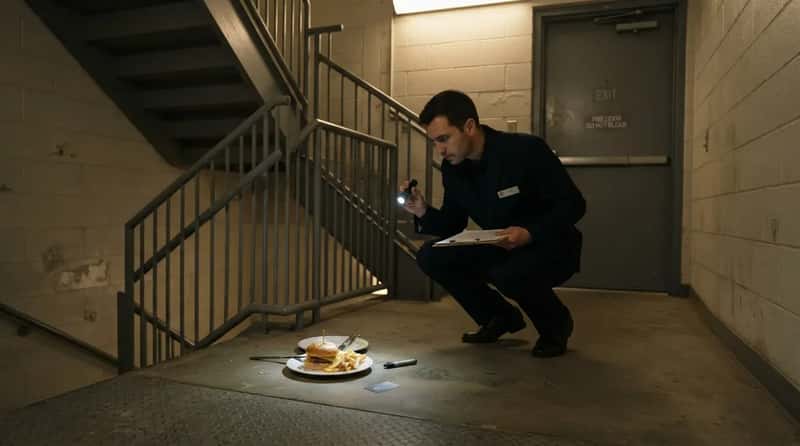
Fire code isn’t a formality hotels ignore after dark. Night porters run security checks and physically confirm every fire escape is clear as part of their regular rounds. That walk turns up more than dust – vape pens, forgotten room keys, and occasionally a half-eaten room-service plate someone hid instead of leaving on a tray.
It’s an unglamorous job, but it’s also the reason hotels stay legally covered. Almost no guest pictures anyone actually opening that stairwell door before 6 a.m.
Fast Facts
- Overnight shifts typically run from around 11 p.m. to 7 a.m.
- Fire escape and exit checks are usually built into hourly or bi-hourly security rounds.
- One overnight employee often handles security, front desk, and light maintenance at the same time.
- Most hotels require every exit route to stay fully clear as a standing fire-code requirement.
#18 – Every Suspicious Moment Gets Written Down Somewhere
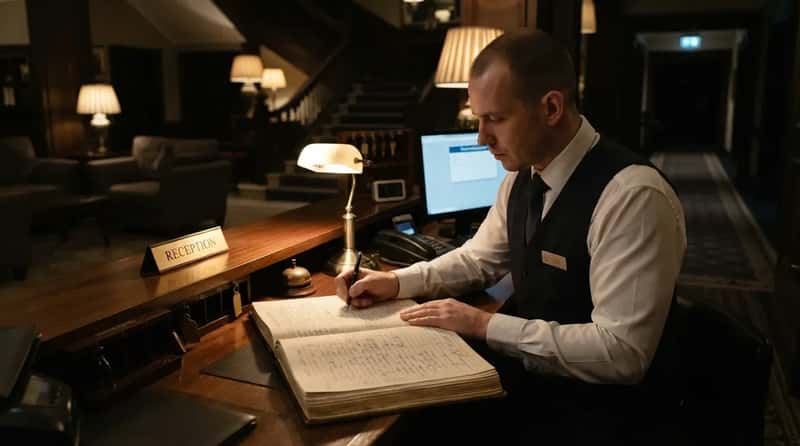
There’s a real paper trail running through most hotels overnight, and it isn’t there for guest convenience. Night porters log anything unusual they notice during the shift, and that log gets handed straight to the duty manager once the night ends.
A loud argument in a hallway, an unfamiliar face on a locked floor, a guest who seems disoriented – it all goes in the book. Guests assume incidents vanish with the night shift. They don’t. They just move to a different desk.
#17 – “Last Call” Is Only the Beginning of Their Night
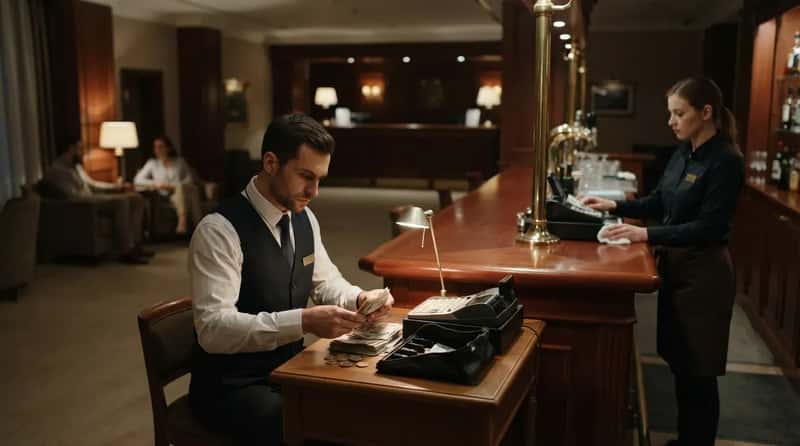
Closing time at the hotel bar is where a night porter’s evening really starts, not where it ends. Part of the job involves helping bar staff shut down and locking the night’s cash safely into the safe.
That means someone completely sober is always counting money and watching who’s still lingering in the lobby long after last call. Overserved guests, forgotten tabs, and mystery charges all get sorted out before sunrise, quietly, usually before the guest even notices anything was off.
#16 – Late-Night Check-Ins Get a Different Level of Scrutiny
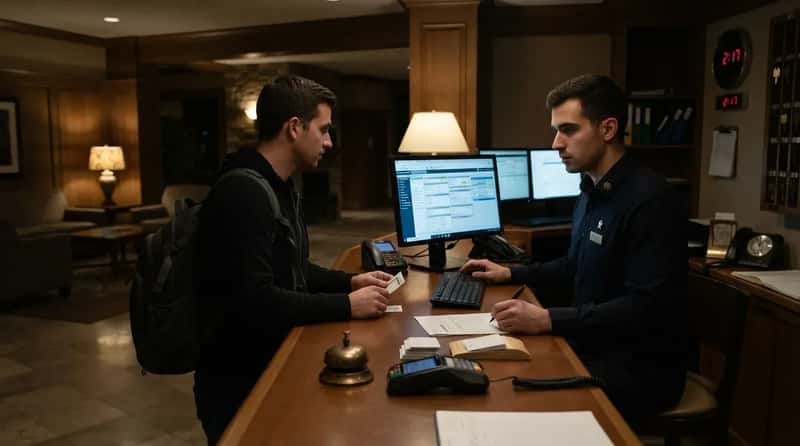
Booking a room in person at 2 a.m. feels spontaneous and simple from the guest side, but it triggers a whole different process behind the desk. Night staff have to verify every reserved guest has actually arrived and sort out no-shows from late check-ins before they can even confirm a room is free.
That “quick and easy” walk-in booking is really the end result of a small audit most guests never see happening in real time.
#15 – They’re Often the Only Manager in the Entire Building
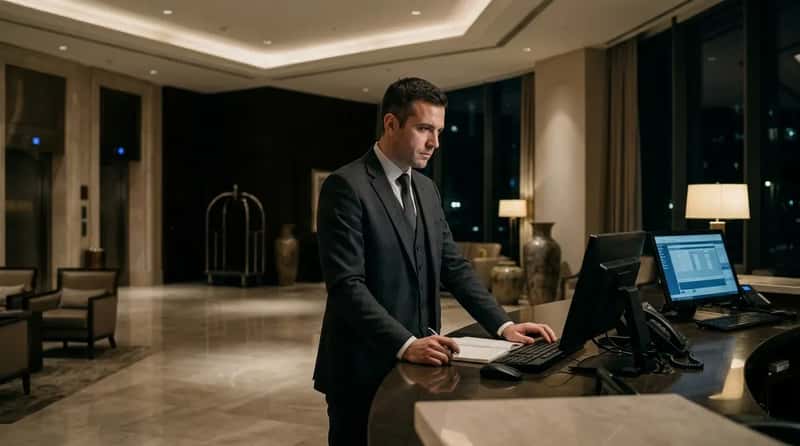
When something goes wrong at 3 a.m., there’s no general manager to call for backup. Overnight staff frequently act as the manager on duty whenever the GM or operations manager isn’t reachable.
That means decisions about refunds, room comps, and even calling emergency services fall on one person working alone. Guests who assume they’re talking to “just the night guy” are usually talking to the only decision-maker on site.
#14 – They Balance the Entire Day’s Books While You Sleep
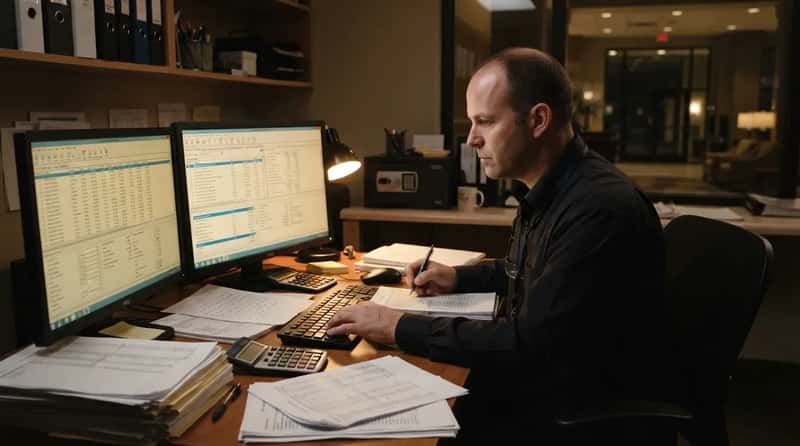
The financial side of a hotel doesn’t run itself, and someone has to make it add up before the sun rises. One of the core overnight duties is verifying every charge posted to guest accounts that day and making sure everything balances by early morning.
Every drink, spa charge, and late checkout fee gets double-checked overnight. Most disputed charges guests argue about at the front desk were already caught and corrected hours earlier – nobody just mentioned it.
#13 – Emergency Response Duty Never Actually Clocks Out
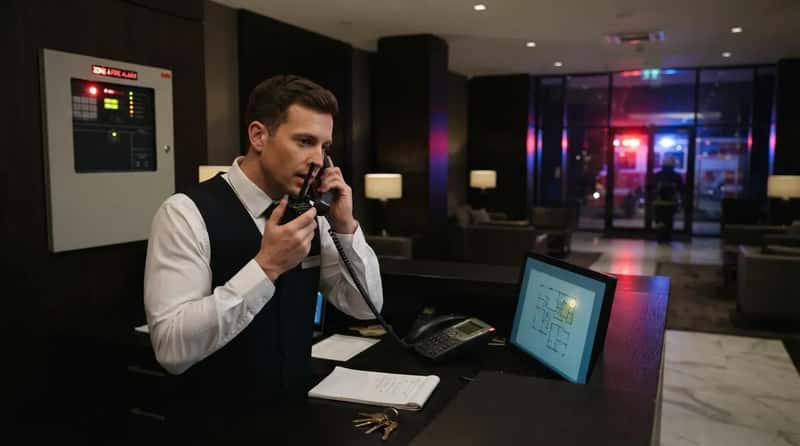
Guests assume “night shift” means quiet, but overnight staff are effectively first responders for the whole property. If an alarm sounds, or a guest has a medical issue, power outage, flood, or fire, it’s the overnight staff calling emergency services and managing the scene until help arrives.
That’s a heavier responsibility than most guests give the “night guy” credit for. A quiet lobby can turn into an emergency command post in under sixty seconds, and the person handling it is usually working completely alone.
#12 – Your Newspaper Order Reveals More Than You’d Think
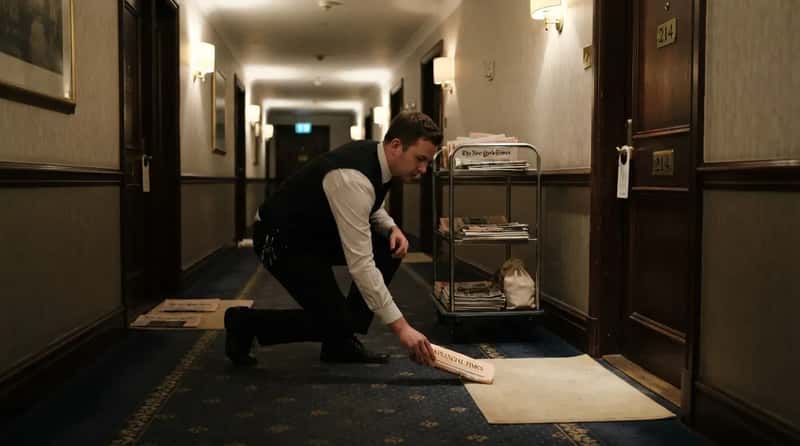
Something as simple as a newspaper request says more than guests realize. Night porters check every delivery and make sure the correct paper lands outside the correct door before morning.
Over time, staff start recognizing which rooms request papers, which ask for coffee at strange hours, and which never bother with either because they’re barely sleeping. It’s a small window into who’s actually resting during their stay – and who absolutely isn’t.
#11 – Small Repairs Vanish Before You Ever Wake Up
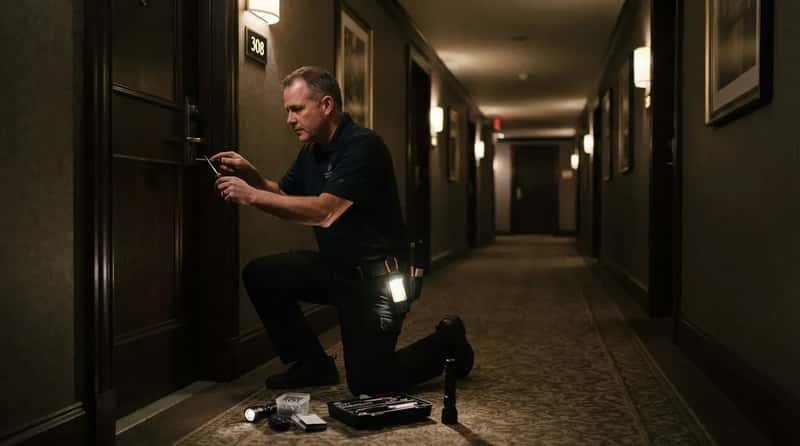
A surprising number of hotel “miracles” happen while guests are asleep. Overnight staff regularly handle minor maintenance themselves rather than waiting for the day crew to show up.
A flickering light, a jammed drawer, a thermostat stuck on 65 degrees – most of it gets quietly fixed between 1 a.m. and 5 a.m. Guests wake up assuming nothing was ever wrong, when in reality someone fixed it while they were dreaming.
At a Glance
- Common overnight fixes: flickering bulbs, stuck thermostats, jammed drawers, and loose door handles.
- Most quiet repairs happen between 1 a.m. and 5 a.m., long before guests wake up.
- Bigger issues get logged and handed to the day maintenance crew instead of being ignored.
- Fixing small problems overnight helps hotels avoid morning complaints and refund requests.
#10 – They Can Tell When You’re Faking Being Asleep
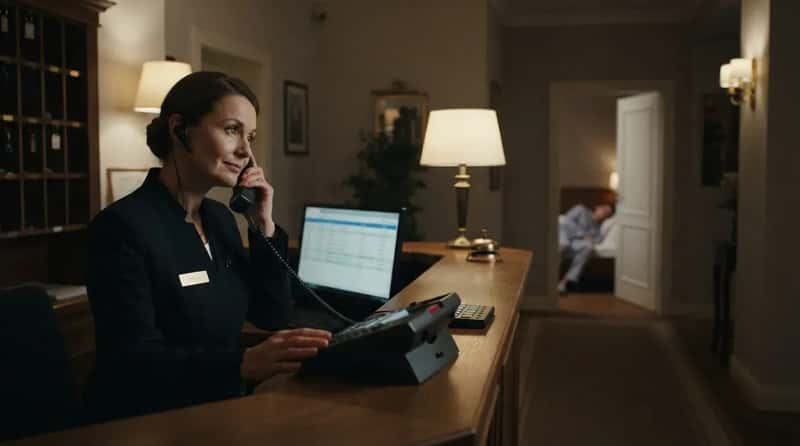
Not every “sorry, I didn’t hear you knock” is true, and overnight staff can usually tell the difference. Guests dodging a late checkout charge or a wake-up call sometimes go quiet on purpose, hoping the request just disappears.
Front desk logs and callback records tell a different story than the one guests give the next morning. It’s a small, mostly harmless deception – but it almost never works the way guests think it does.
#9 – Your 2 a.m. Requests Say More Than You Realize

Extra towels and blankets sound routine, but the timing tells its own story. Guests regularly call the front desk overnight to report an issue or ask for extra blankets, pillows, towels, or room service.
Staff notice patterns fast – the room that calls every single night at 2 a.m., the guest who orders comfort food instead of sleeping, the couple who suddenly needs a rollaway bed with zero explanation. Nobody explains why they need what they’re asking for, but the pattern usually explains itself.
#8 – They’re Quietly Moving You Without Ever Saying Why
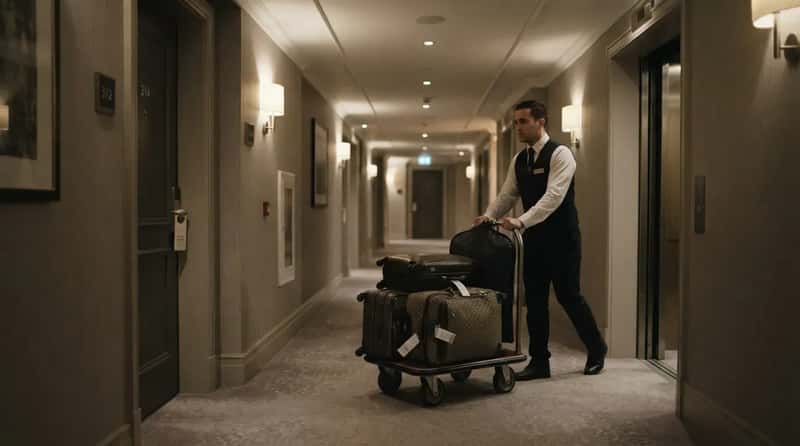
Room changes at odd hours aren’t random. Whether it’s a noise complaint, a maintenance problem, or a mismatch between what was booked and what’s actually available, overnight staff are the ones relocating guests before the day shift even clocks in.
Most guests assume the front desk simply “upgraded” them out of kindness. In reality, it’s often damage control for a problem the guest never even knew existed, solved hours before checkout so nobody has to complain about it later.
#7 – That Perfect Conference Room Was Built at 3 a.m.
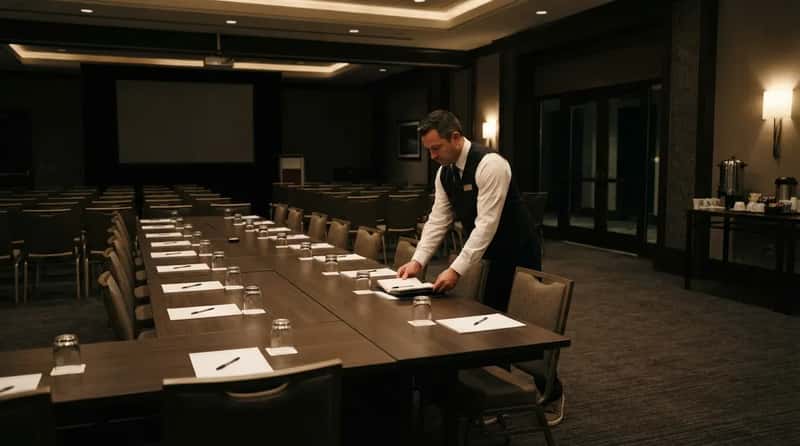
The flawlessly arranged meeting room waiting for you at 8 a.m. wasn’t set up an hour before check-in. Setting up function rooms for conferences and events is a standard overnight responsibility.
Chairs, projectors, name cards, and coffee stations are usually arranged sometime between midnight and 5 a.m., long before any guest walks in. It’s one of the most physically demanding parts of the job, and almost nobody attending the meeting ever realizes when it actually happened.
Quick Compare
- Day Shift: Handles check-ins, guest requests, and visible customer service.
- Night Shift: Handles security patrols, bookkeeping, emergencies, and setup work meant to look effortless.
- What Guests See: A finished room, a balanced bill, a quiet hallway.
- What Actually Happened: Hours of unseen work completed by one person overnight.
#6 – The Hotel Restocks Itself While You’re Dreaming
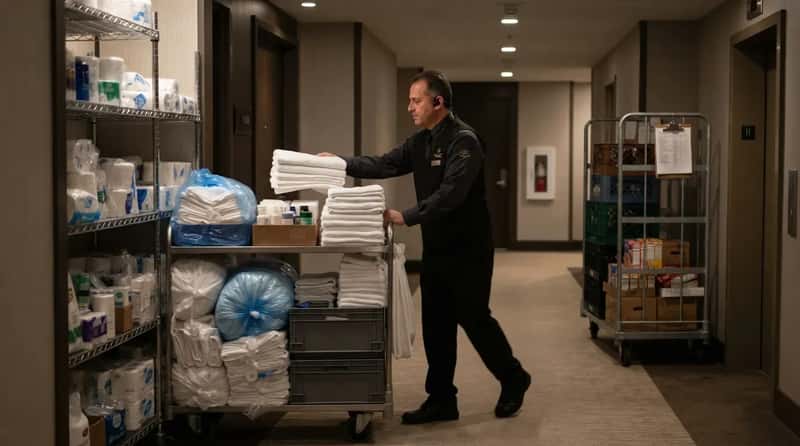
Overnight is when a surprising amount of hotel logistics quietly happens. Receiving and moving deliveries into the building is a routine part of the overnight role.
Linen shipments, food deliveries for tomorrow’s breakfast, and packages guests shipped ahead of their stay all move through the building while most people are asleep. The hotel that looks fully stocked at 7 a.m. was restocked by one person, working alone, hours earlier.
#5 – Every Hotel Has a Ghost Story, and Night Staff Hear It First

It’s a running joke in the industry, but it’s rooted in something real. Just about everyone who’s stayed in a hotel has a creepy or unsettling story, but ask the average hotel worker – night audit clerks, housekeepers, managers – and they’ve usually got a firsthand version too.
Whether it’s an unexplained noise on an empty floor or a guest convinced their room “feels off,” night porters end up as the unofficial keepers of a hotel’s strangest stories. It’s rarely supernatural. It’s almost always something far more human than guests want to admit.
#4 – Thin Walls Mean They Hear What the Front Desk Never Will
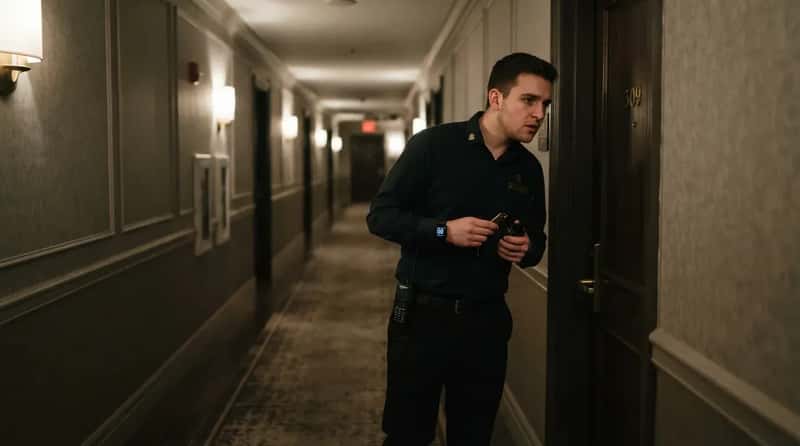
Noise complaints almost always land on the night shift first, not the morning team. A 2 a.m. call about the room next door means someone has to walk the hallway, listen, and decide how to handle it without escalating things.
Over time, staff learn exactly which floors and room types generate the most complaints. Some hotels quietly avoid booking certain rooms next to each other for this exact reason, and guests never find out why.
#3 – Lost and Found Reveals More Than Forgotten Phone Chargers
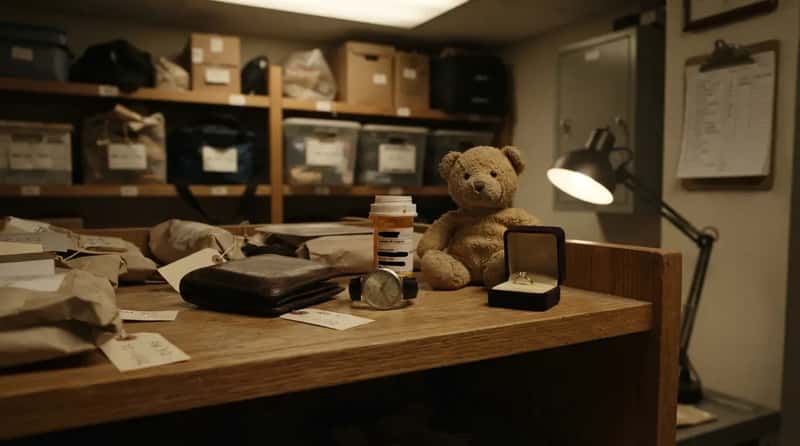
What guests leave behind says a lot, and overnight staff are usually the first to find it. Wallets, medication, jewelry, and sentimental items all turn up during overnight cleaning sweeps and hallway checks, long before the front desk officially logs them.
Most items get reunited with their owners quietly, no fuss involved. But every night porter has a story about the one item that never got claimed – the one that makes you wonder what was actually going on in that room.
Worth Knowing
- Most hotels hold lost items for a set period, often somewhere between 30 and 90 days.
- High-value or sentimental items usually get extra effort to track down the guest.
- Unclaimed items are typically donated or discarded once the holding period ends.
- Overnight sweeps often turn items up long before a guest even reports them missing.
#2 – Sometimes They’re First on Scene Before the Ambulance Even Arrives
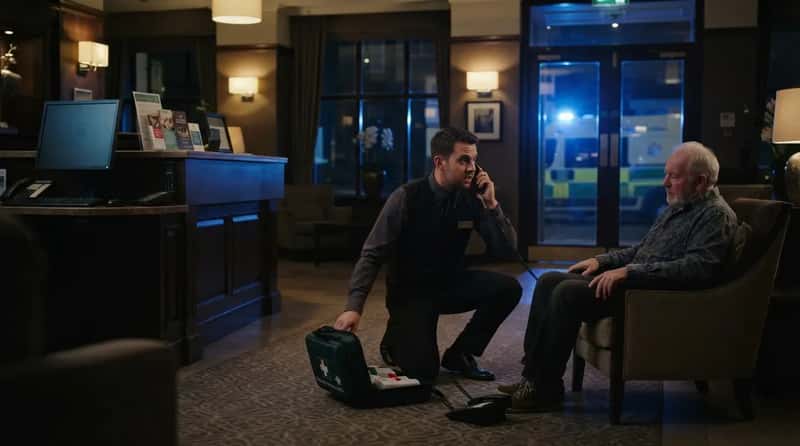
This is the part of the job guests almost never think about until it happens to them. When a guest has a medical emergency overnight, it’s the one person at the front desk who calls for help and manages the scene until paramedics show up, sometimes for a guest they’ve never even met.
It’s high-stress, unpaid-extra, and rarely mentioned in any job listing. But it happens far more often than hotels advertise, and it’s one of the clearest signs that “just watching the desk” massively undersells what the role actually involves.
#1 – They See the Loneliest Version of Every Guest
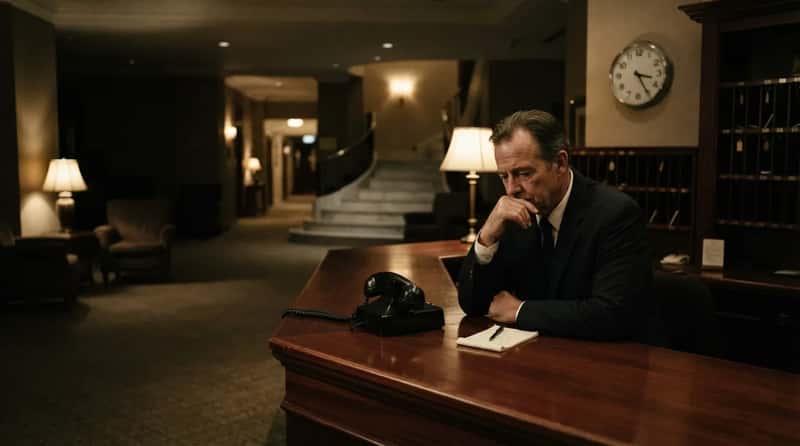
This is the one every night porter mentions eventually. Somewhere around 3 a.m., guests stop performing. The business traveler who can’t sleep and just wants to talk for five minutes. The person calling down for tea because the room feels too quiet. The guest who admits, almost accidentally, that they’re not okay.
Daytime staff see the checked-in version of people. Night porters see the real ones – tired, honest, and unguarded in a way they’d never be at 2 p.m. in the lobby. It’s the part of the job nobody warns you about, and the part every long-time night porter says they’ll never forget.
Some nights you’re a security guard. Some nights you’re an accountant. And some nights, you’re the only person a stranger has to talk to.
Anonymous night auditor, hospitality industry
Hotels look the same at 3 a.m. as they do at 3 p.m. – same lobby, same hallways, same quiet hum of the air conditioning. But almost everything about how the building actually runs changes overnight, handled by one or two people most guests barely glance at on the way to the elevator.
The rooms get fixed, the books get balanced, the emergencies get handled, and the loneliest moments of a stay get quietly witnessed by someone whose name most guests never even bother to ask.