Tipping is one of those unspoken social rules that every traveler thinks they understand, until they land somewhere that doesn’t just ignore the gesture, but finds it quietly insulting. The world is a bigger, more culturally complex place than most of us assume. When traveling internationally, researching tipping etiquette should be part of your pre-trip planning. What’s considered generous in one country might be offensive in another. So before you pull out your wallet on your next trip, let’s talk about seven countries where keeping that extra cash in your pocket is actually the respectful choice.
1. Japan: Where Service Is a Point of Honor
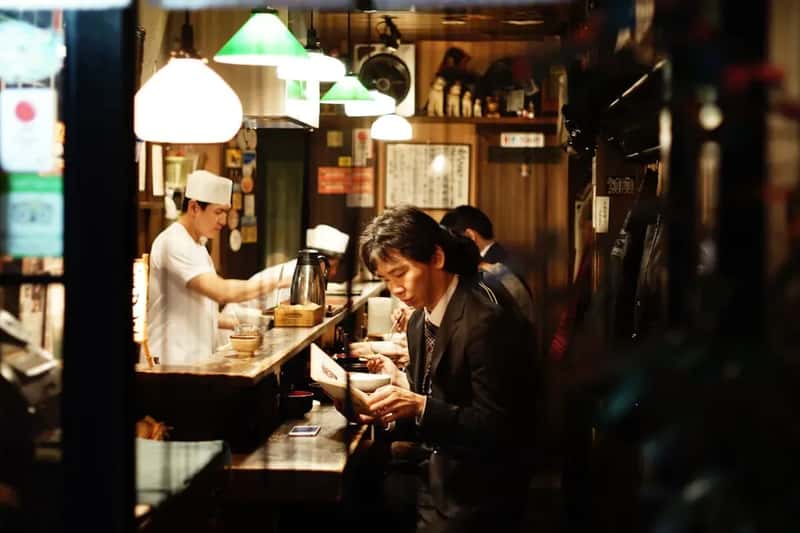
Honestly, Japan might be the most famous example on this entire list, and for good reason. There, an extra tip after paying for goods or services is not just unexpected – it’s downright demeaning. The cultural logic runs deep. Service isn’t something that requires an extra reward. It’s about professionalism, pride, and doing one’s best because that’s what’s expected. Offering extra money may come across as an implication that the service provided wasn’t already top-notch.
To the Japanese, attempting to give a tip suggests their employer does not value them enough to offer sufficient pay. That is a meaningful cultural insult, not just an awkward moment. If you leave money on the table, the staff might chase after you to return it, thinking you forgot it. Think about that. The server’s first assumption isn’t that you’re being generous; it’s that you made an honest mistake.
A survey by TravelBag revealed two thirds of UK holidaymakers did not know it was rude to tip in Japan, while almost 80 per cent of those surveyed were unaware the Chinese could also take offence to the practice. That’s a staggering level of cultural unawareness. According to the Japan National Tourism Organization, adding a gratuity is quite uncommon at restaurants and hotels, or when taking a taxi. Restaurant staff may go so far as to refuse any extra cash customers leave behind. According to travel guide Fodor’s, certain workers may even feel embarrassed upon receiving a tip.
2. South Korea: Tips Come Back to You Like Boomerangs
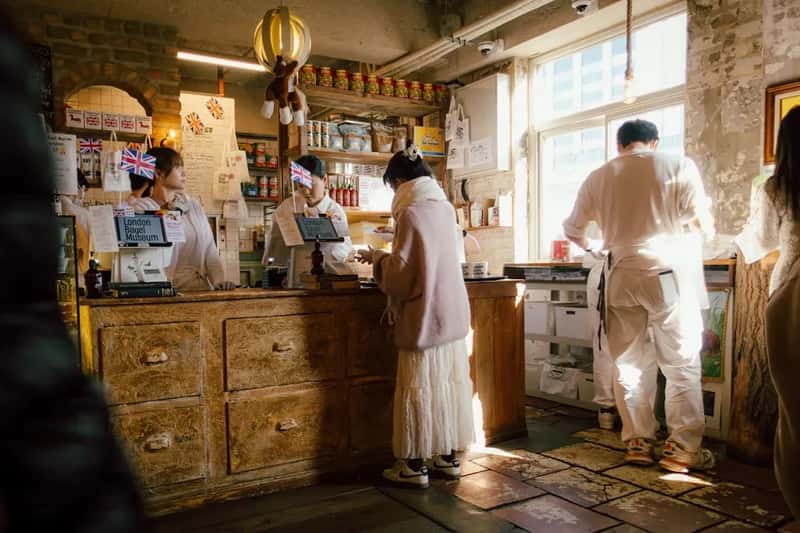
South Korea has long been a tip-free society. One reason for that is service workers here are also usually paid a livable wage by their employers. This is a country where the entire system is built so that workers don’t need to depend on strangers’ goodwill to pay their rent. Tipping is not customary in South Korea because service employees are paid adequate wages. Many restaurant and hotel workers see tipping as a foreign practice that disrupts the existing wage system.
In restaurants, you’ll typically pay at a counter rather than leaving money on the table. If you try to tip in a taxi or at a hotel, don’t be surprised if the driver or staff member runs after you to return your “forgotten” money. Let’s be real, that mental image is almost comical if you’re used to American tipping culture. Americans are often shocked and confused upon first arriving in Korea, when they realize that no one, neither waiters, hairdressers, taxi drivers, nor bartenders, expects a tip. Even after decades of Americans and other Westerners traveling and working in South Korea, the tipping culture hasn’t really caught on. That’s mainly because it meets with resistance, and even contempt, by the general populace.
3. China: A Gesture That Can Feel Like an Insult
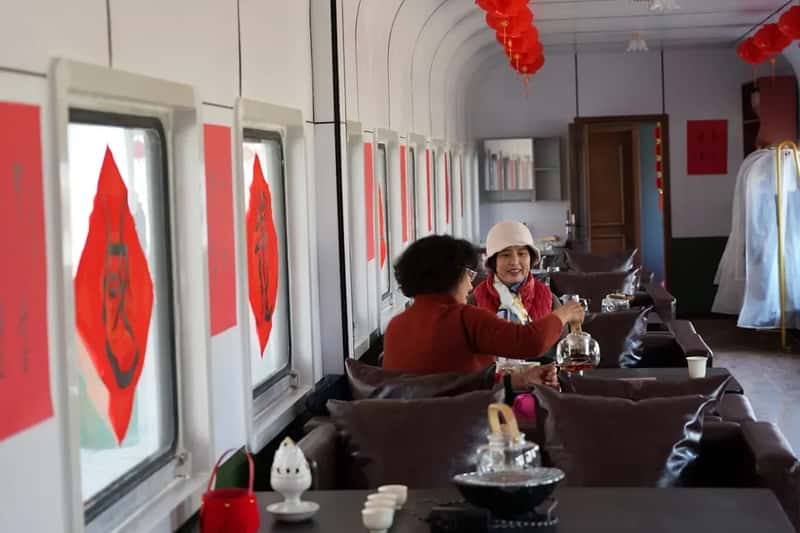
In China, tipping is not a common practice. The service charge is often included in the bill, and leaving a tip can be misinterpreted as a bribe. Yes, you read that correctly. What you intend as a warm thank-you could land as something far more politically loaded. Tipping used to be considered rude in China – it was a point of pride to care for guests without expecting extra compensation – but that view is changing as more and more foreign tourists visit.
If anything, you’ll find yourself paying a built-in service charge. There is one important exception to this rule – you should tip your Chinese tour guide and driver. So the rules are nuanced, not flat-out universal. If possible, try to give them the tip in a card or envelope, as being discreet is valued in Chinese culture. Also, keep in mind that these tipping rules apply to mainland China, whereas customs are different in places like Hong Kong and Macau, where the practice of leaving small tips for hotel staff or your taxi driver is more prevalent.
4. Switzerland: The Law Already Sorted It Out
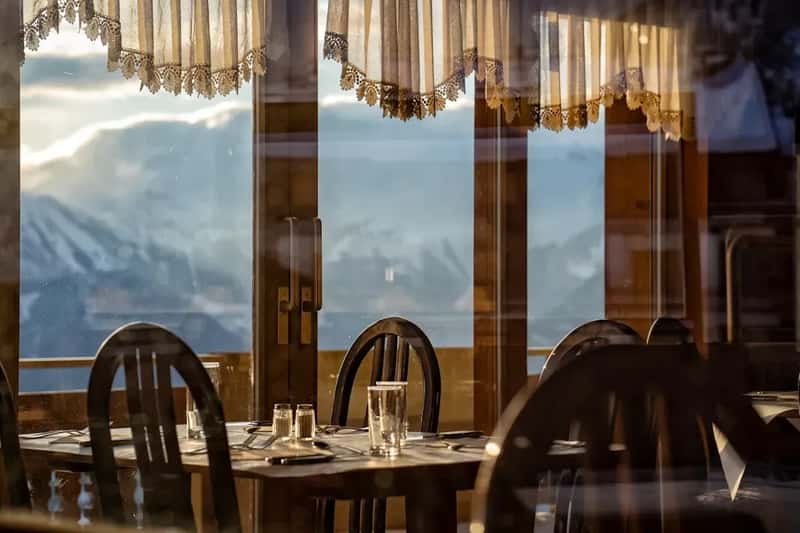
Here’s something that surprises most travelers: in Switzerland, tipping isn’t just culturally discouraged in certain settings, it’s practically handled at the legislative level. Federal laws in Switzerland mandate that all service charges be included in published prices, so you don’t need to tip extra at nail salons, spas or anywhere else for that matter. The system was designed that way on purpose. The Swiss value quality service as a matter of professional pride rather than for monetary rewards, making their tipping culture distinctively different from many Western countries.
In Switzerland, service charges are included in the listed price, so tipping isn’t expected. With a high standard of living and strong worker rights, employees are well-compensated. Adding a tip to the bill is generally seen as unnecessary. It’s the kind of system where the price tag you see is actually the price you pay. No mental gymnastics, no quiet social judgment. Hotel and restaurant staff, such as housekeeping and bellhops, won’t expect a tip, but they won’t be offended if you offer a little extra money at the end of your stay or meal. So it’s not deeply offensive here, just genuinely unnecessary.
5. Denmark: Happiness Built Into the Bill

Denmark is among the short list of countries that include tips automatically on service bills. Service workers aren’t dependent on tips like servers in the United States are. They’re all paid a living wage and receive benefits, including maternity and paternity leave, childcare, disability coverage and paid vacation – one reason Denmark is regularly ranked one of the world’s happiest countries. There’s a beautiful logic to it, right? When workers feel financially secure, they don’t need gratuity to feel valued.
In Denmark, the phrase ‘service included’ is your best friend. It’s a common practice here for restaurants and other service providers to include service charges in their pricing. This means that, in most cases, tipping isn’t necessary at all. I think there’s something genuinely civilized about that approach. Many locals feel strongly about resisting the spread of tipping culture, as they believe it could undermine the region’s commitment to fair wages and equality. The worry is that if tipping becomes more prevalent, it could erode the system that ensures everyone is paid fairly for their work, potentially leading to a reliance on tips to make up for lower wages.
6. Sweden: Fair Wages, No Tipping Needed

Labor unions in Sweden negotiate salaries that include any potential tips, so tipping isn’t necessary. The Swedish system focuses on fair compensation for all workers, making tipping redundant and unnecessary. The entire economic structure is wired differently. There’s no gap that a tip needs to fill. In Sweden, tipping is not customary. The service charge is typically included in the bill, and leaving a tip can be seen as strange or even offensive.
When paying by card, which is the most common method in the Nordics, customers often encounter a screen prompting them to add a tip, with various options such as 5%, 10%, 15% or even a custom amount. For many visitors, this might feel like a nudge to leave a tip, and declining it can seem rude. However, it’s important to know that locals frequently just decline this option. It’s a hard-wired American instinct to feel guilty clicking “no tip.” In Sweden, that click is perfectly normal and carries zero social weight. Tipping is not obligatory in Sweden. Most bills include a service charge, and rounding up the bill is sufficient. If the service is exceptional, a small tip is appreciated.
7. Belgium: Built-In Fairness, Zero Obligation
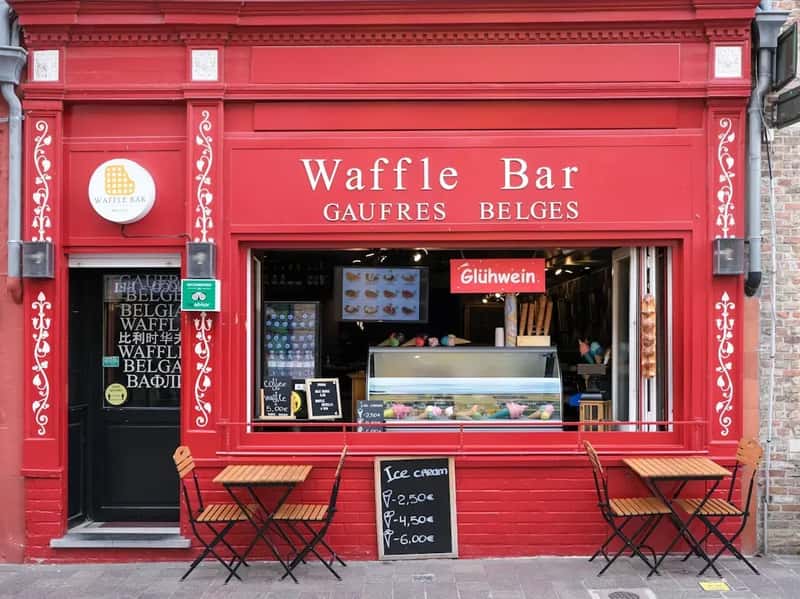
Belgian law requires service charges to be included in the price. This ensures workers are fairly compensated without relying on customer tips. As a result, gratuities are often considered unnecessary and are rarely given. The Belgian system mirrors Switzerland in a meaningful way: legislation stepped in so the culture didn’t have to carry that weight. It’s a country where your server’s paycheck doesn’t depend on your generosity after a meal.
In Europe, lack of tipping, or tipping too much, can either offend or embarrass the recipient. Understanding these nuances ensures you not only avoid awkward situations but also show respect for the local culture. Belgium is a prime example of this. In a lot of countries, servers are paid a living wage and don’t rely as heavily or at all on tips as a main source of their income. When that’s already guaranteed by law, an unsolicited tip can feel less like praise and more like an assumption that something went wrong with the system.
The Bigger Picture: Why This Actually Matters
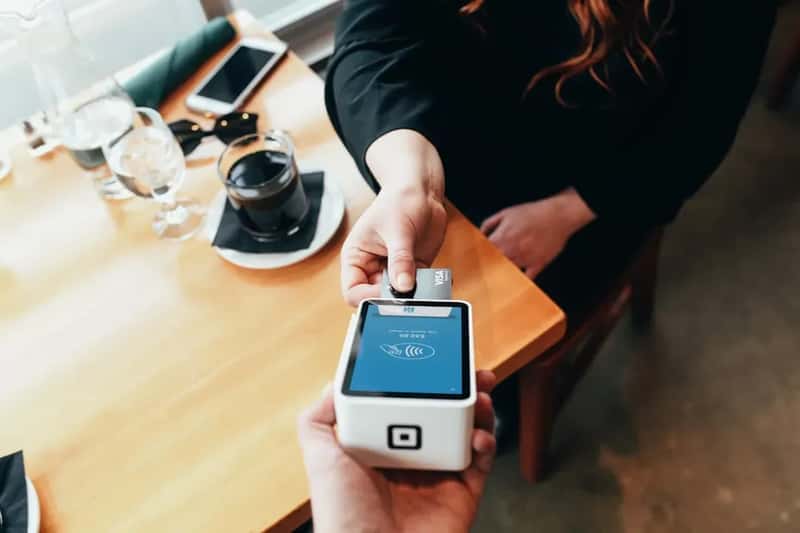
It’s easy to dismiss tipping etiquette as a minor travel detail, like knowing which side of the escalator to stand on. It’s really not. The wrong tip in certain countries can turn a friendly gesture into a cultural faux pas. For travelers, understanding these cultural differences helps avoid awkward situations and shows respect for local customs. Beyond the awkwardness, it goes deeper. In places like Japan and South Korea, tipping is historically not practiced and can even be seen as rude. The logic is that good service is expected as part of pride in one’s work – offering extra money might imply the worker is not paid enough or needs incentive to do their job, which could be taken as an insult.
This list also quietly challenges something most of us in tip-heavy cultures take for granted: the idea that tipping is a universal sign of respect. Some 35% of survey respondents are worried about tipping appropriately while traveling. That anxiety is real, common, and very avoidable with a little homework. Being aware of and adhering to local tipping practices can enhance your travel experience and foster respect with local service personnel. Sometimes the most culturally intelligent thing you can do is simply put your wallet away and say thank you with a smile.
The world doesn’t tip the same way, and it shouldn’t have to. Every country on this list built a system where workers don’t need extra cash from strangers to feel valued or make ends meet. That’s worth pausing on. So next time you travel, do a quick search before you reach for those extra bills. The most generous thing you can do might just be doing nothing at all. Did you ever imagine that keeping your money in your pocket could be the more respectful choice?