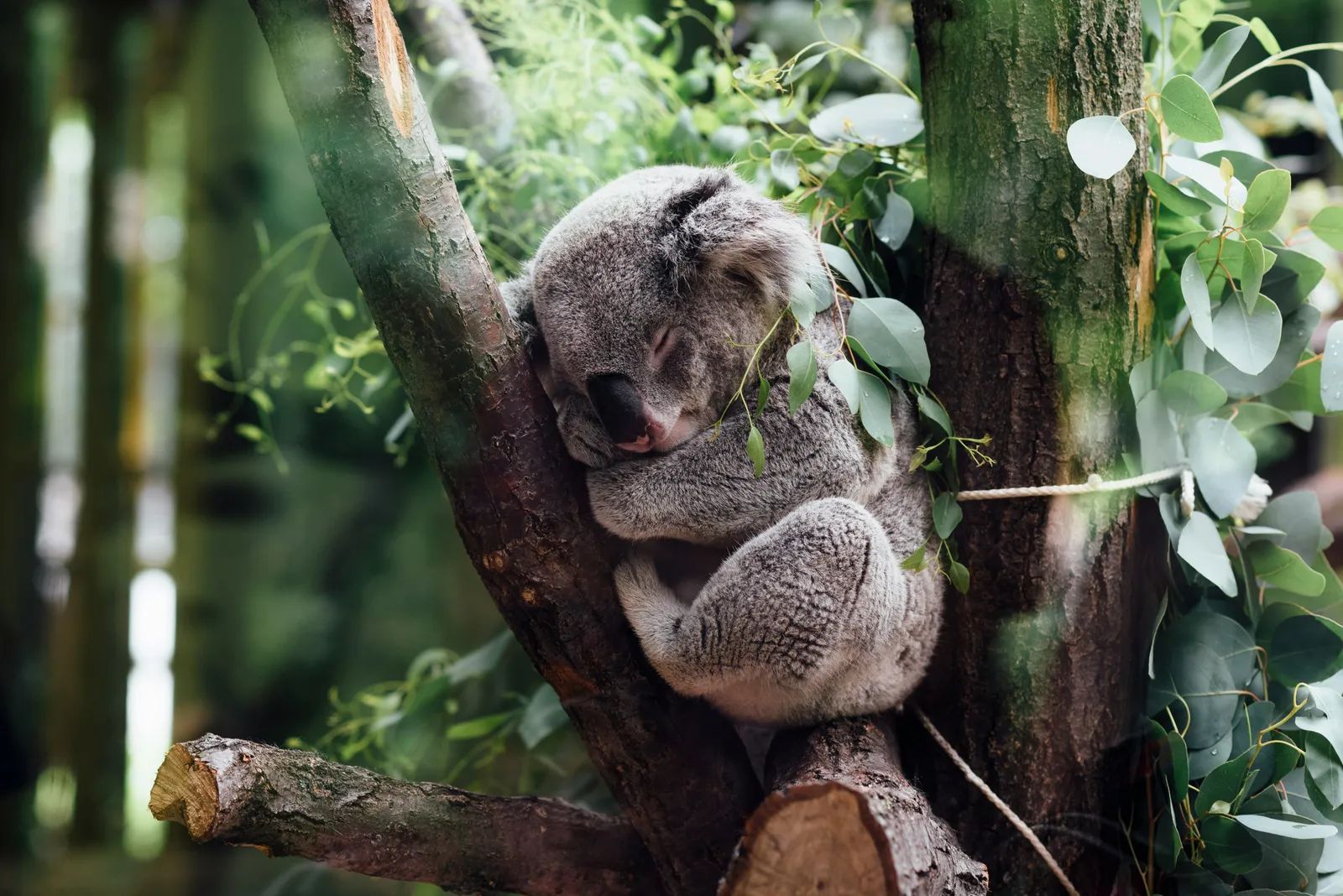
Conservation groups in New South Wales marked a major step forward when state parliament approved legislation on October 23 to establish the Great Koala National Park. The decision followed more than ten years of sustained community pressure and fulfilled a central promise from the Labor Party’s 2023 election platform. Premier Chris Minns had introduced the bill just ten days earlier, setting the stage for a protected landscape that will eventually span 475,000 hectares. ([1])
From Campaign Trail to Protected Landscape
The new park will absorb 178,000 hectares of state forest previously designated for timber harvesting, folding those areas into the existing national park system. This expansion creates a continuous refuge for an estimated 12,000 koalas along with more than 100 other threatened plants and animals. Species such as southern greater gliders, glossy black cockatoos, and rare spider orchids stand to benefit from the added security. The legislation also sets a target opening date before the close of 2026.
Local communities along the Mid North Coast have long argued that the forests represent both ecological treasure and economic opportunity. Tourism operators anticipate new visitors drawn by the chance to see koalas in a secure setting. The park’s scale is expected to support regional jobs while reducing pressure on remaining native timber resources.
Indigenous Leadership in Management
Traditional owners from the Gumbaynggirr and Dunghutti nations played a direct role in shaping the park boundaries and future operations. Their ongoing involvement is written into the legislation, ensuring cultural knowledge guides day-to-day decisions. Eight Aboriginal rangers will be employed through community-controlled organizations, with additional park positions reserved for local applicants.
This approach reflects a broader shift toward joint management models across Australian protected areas. Elders have emphasized that caring for country includes both wildlife protection and the transmission of stories tied to specific sites. The arrangement is intended to deliver lasting benefits for both the environment and the people who have stewarded these lands for generations.
Funding Questions Remain
While the legislation passed with cross-party support, the financing package announced by Premier Minns has drawn criticism from some conservation organizations. Details on long-term operational costs and transition support for affected timber workers continue to be debated. Supporters maintain that the park’s tourism potential will offset initial outlays over time.
Ministers have pointed to existing national park budgets and federal grants as part of the funding mix. Critics argue that more transparent accounting is needed before the park opens. The discussion highlights the challenge of balancing ambitious conservation targets with practical fiscal realities in regional Australia.
What Comes Next for Visitors and Wildlife
Planning teams are now focused on infrastructure upgrades, signage, and visitor facilities that will open gradually through 2026. Early priorities include improved access roads and interpretive centers that highlight both koala habitat and Indigenous cultural values. Rangers expect to begin baseline wildlife surveys soon to track population trends inside the new boundaries.
For residents and travelers alike, the park represents a tangible outcome after years of advocacy. Its success will ultimately be measured by whether koala numbers stabilize and whether the surrounding communities see sustained economic returns. The coming months will reveal how quickly the vision moves from paper to protected landscape on the ground.