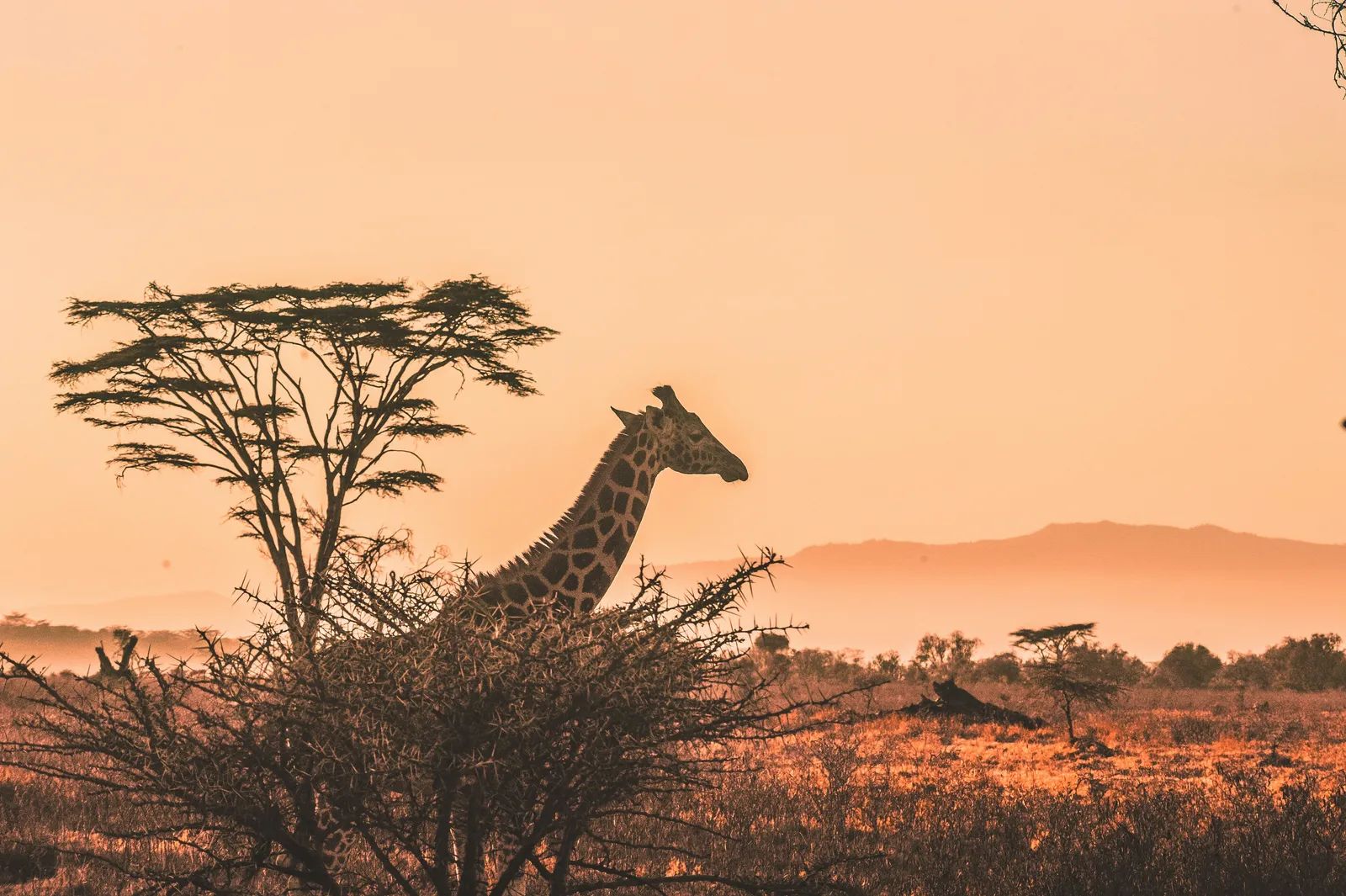
In Uganda, wildlife authorities recently moved 12 critically endangered Nubian giraffes out of Murchison Falls National Park to a reserve more than 100 kilometers away. The action followed decisions to allow oil exploration in sections of the park, where nearly half of the country’s known oil reserves are estimated to lie underground. Such moves illustrate how economic development pressures can override long-standing protections for key biodiversity sites. ([1])
Details of the Relocation
The giraffes were transported to a safer location outside the immediate area slated for drilling activity. Officials cited the need to reduce risks to the animals once equipment and infrastructure arrive. The operation required careful planning to minimize stress on the small remaining population of this subspecies. Wildlife managers monitored the animals during and after the transfer to ensure they adapted to the new site. The distance involved added logistical challenges, including transport across varied terrain. This case marks one of the more visible examples of wildlife being shifted to accommodate resource extraction inside a national park.
Oil Reserves and Park Boundaries
Exploration blocks now overlap with significant portions of Murchison Falls National Park. Government estimates place almost half of Uganda’s total oil resources beneath the protected area. Development plans include roads, drilling pads, and support facilities that would alter the landscape. National parks in Uganda have historically served as strongholds for species facing habitat loss elsewhere. The introduction of industrial activity changes the balance between preservation and revenue generation. Local communities near the park also stand to experience shifts in land use and employment patterns tied to the oil sector.
Competing Priorities in Protected Areas
Governments worldwide face similar choices when valuable minerals or energy deposits sit inside conservation zones. In this instance, the economic case for oil development has taken precedence over maintaining the park in its original state. Advocates for biodiversity argue that once extraction begins, long-term ecological damage becomes difficult to reverse. Supporters of the project point to potential national income and infrastructure gains that could benefit broader development goals. The outcome in Uganda offers a concrete example of how these tensions play out on the ground.
Looking Ahead
The relocation of the giraffes signals that further adjustments to park management may follow as drilling progresses. Continued monitoring will be needed to assess impacts on other species that remain inside the boundaries. Policy decisions made now will shape whether Murchison Falls retains its role as a premier wildlife refuge or transitions into a mixed-use landscape. The episode underscores the practical limits of protection when resource interests align with national priorities.