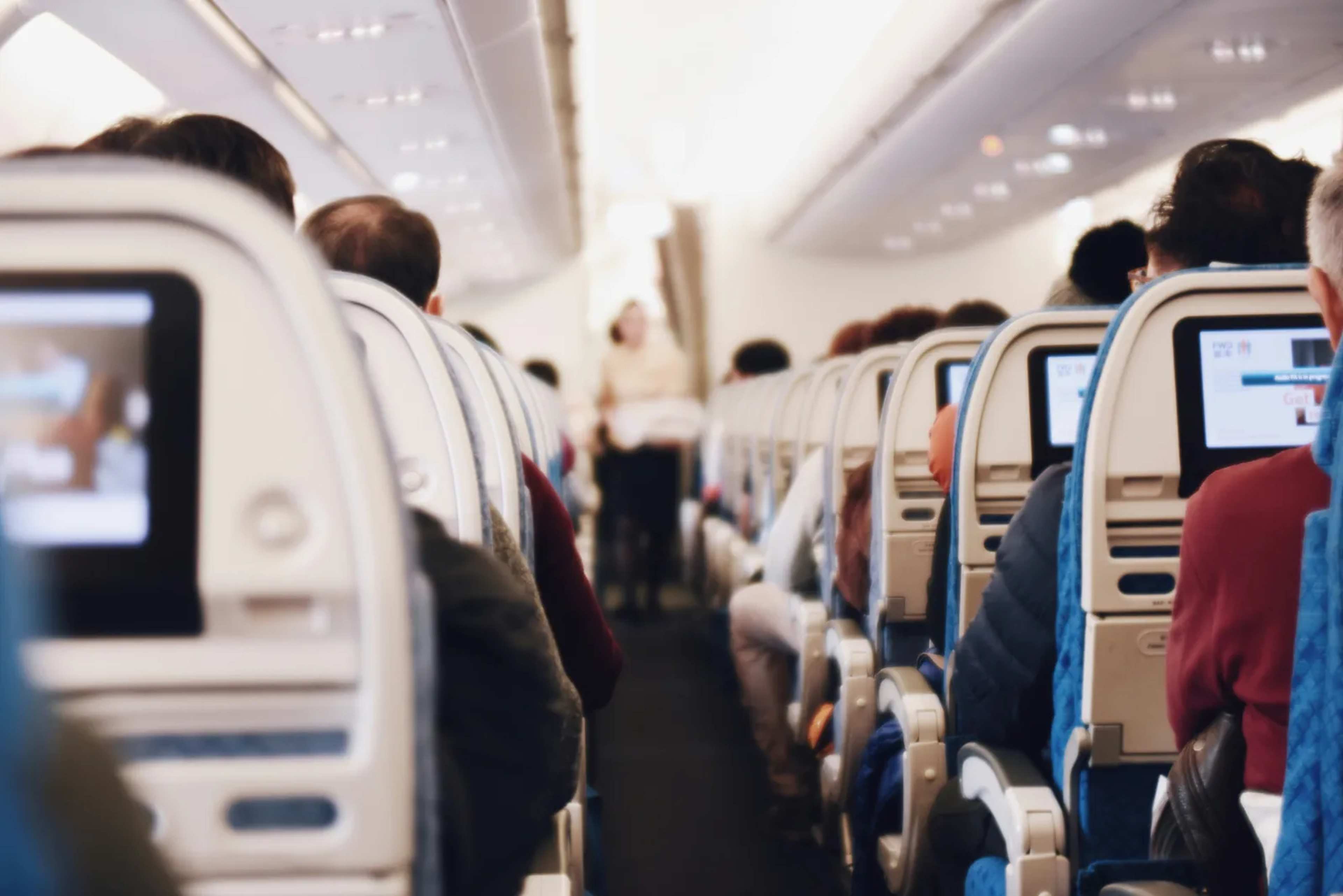
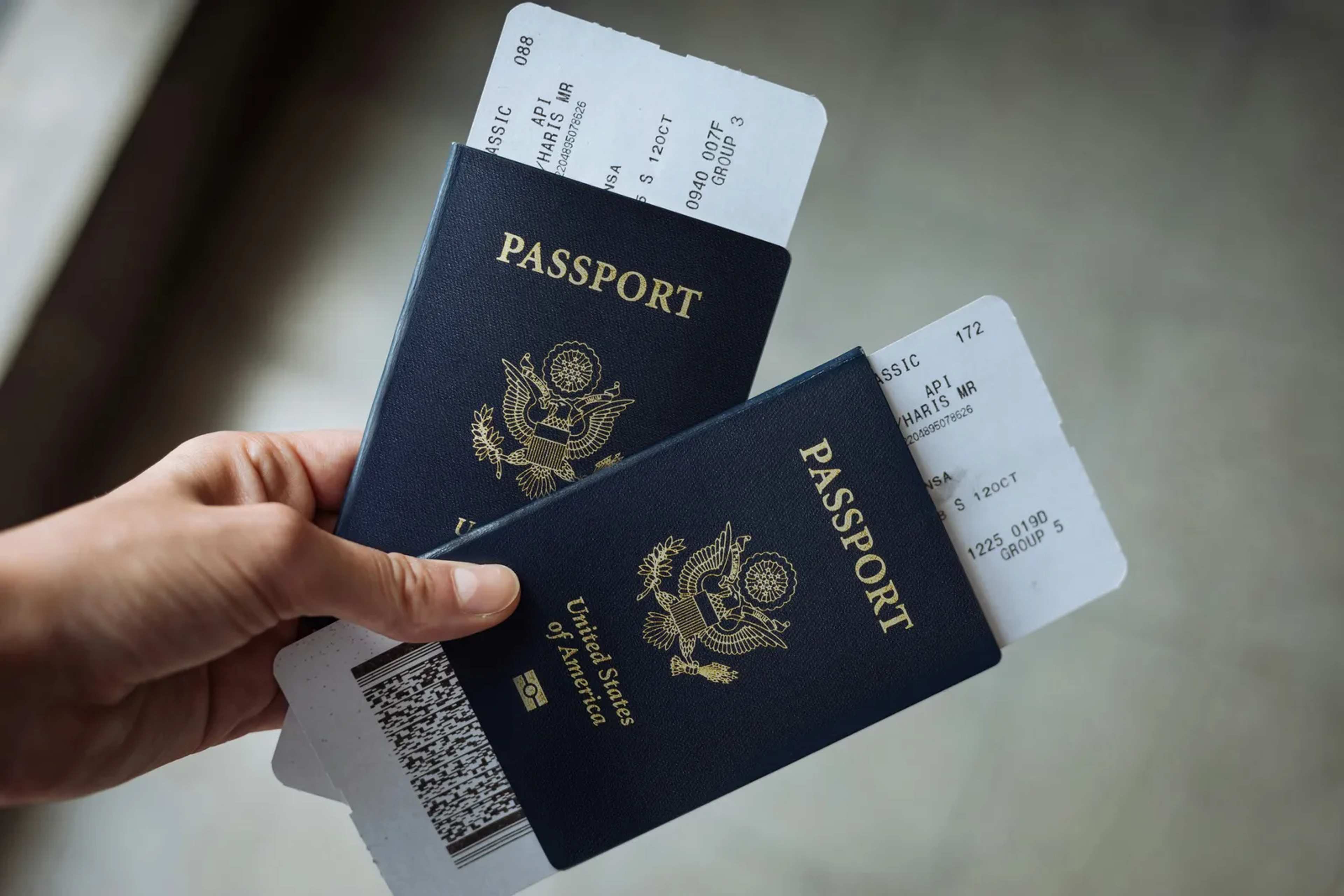
There’s a particular kind of confidence that comes from folding a paper map the right way, or knowing how to talk your way into a better hotel room at the front desk. Boomers picked up these instincts on the road long before smartphones existed to smooth over every hiccup. Gen Z travelers, raised with GPS in their pockets and apps for everything, sometimes miss out on skills that used to be second nature.
This isn’t about nostalgia for nostalgia’s sake. Some of these old habits actually solve real problems that technology hasn’t fully replaced, even in 2026.
Reading a Physical Map Without Panicking

Before turn-by-turn navigation, travelers had to understand geography in a broader sense. Boomers learned to read road atlases, trace routes with a finger, and estimate distances by scale rather than by an app’s countdown timer. That skill built a mental model of where things actually sat in relation to each other, not just a blue dot moving along a line.
Gen Z, by contrast, often knows how to get from point A to point B only through a screen telling them each turn. When phone service drops or a battery dies, the disorientation can be real. Search and rescue groups in national parks have repeatedly noted that overreliance on phone navigation contributes to hikers getting lost when signal disappears in remote terrain.
Calling a Hotel Directly to Negotiate a Rate

Before third-party booking sites dominated the market, travelers called hotels directly and asked about rates, availability, and sometimes upgrades. Boomers grew comfortable with this kind of transactional phone conversation, treating it as a normal part of planning a trip. That habit occasionally still pays off, since some hotels will match or beat online prices for direct bookings to avoid commission fees to platforms like Expedia or Booking.com.
Many younger travelers default entirely to apps and rarely consider picking up the phone. There’s nothing wrong with booking online, but skipping the direct call means missing out on flexibility that only a live conversation offers, like asking about a quiet room or a late checkout without extra fees. It’s a small skill, but one that can save money or hassle in ways an algorithm won’t offer proactively.
Packing Light Without a Packing App
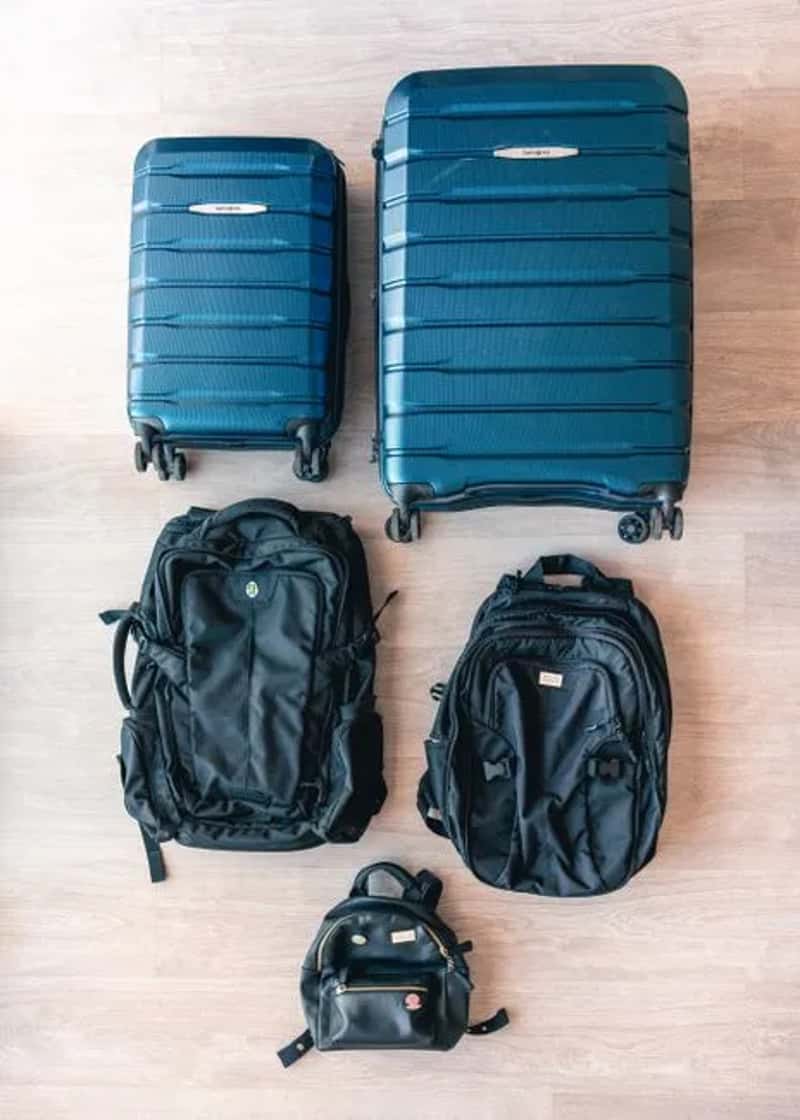
Boomers traveling in the 1970s and 1980s didn’t have packing checklist apps or weight-tracking luggage. They relied on experience, trial and error, and often just one suitcase for a two-week trip. This forced a kind of discipline: fewer outfit changes, versatile clothing, and a clear sense of what actually mattered once you were away from home.
Some Gen Z travelers, despite growing up with minimalist aesthetics online, tend to overpack for short trips, partly because algorithms and influencer culture push the idea that every outing needs a curated look. Airlines have tightened carry-on rules and added stricter fees for checked bags in recent years, according to reporting from outlets like The Points Guy and Skift, which makes the old boomer instinct to pack lean more relevant than ever.
Navigating Without Constant Connectivity

Long before international roaming plans existed, boomers traveled abroad and simply accepted that they’d be offline for stretches of time. They wrote down addresses, memorized basic directions, and relied on paper confirmations for flights and hotels. That built a tolerance for uncertainty that doesn’t come naturally to a generation raised with constant connectivity.
Being unreachable wasn’t seen as a crisis; it was just how travel worked. Today, losing signal abroad can trigger real anxiety for younger travelers who are used to checking maps, translation apps, and messages in real time. Travel psychologists have noted that this dependency can heighten stress during unexpected disruptions, since there’s no backup mental toolkit to fall back on.
Making Small Talk With Strangers on the Road
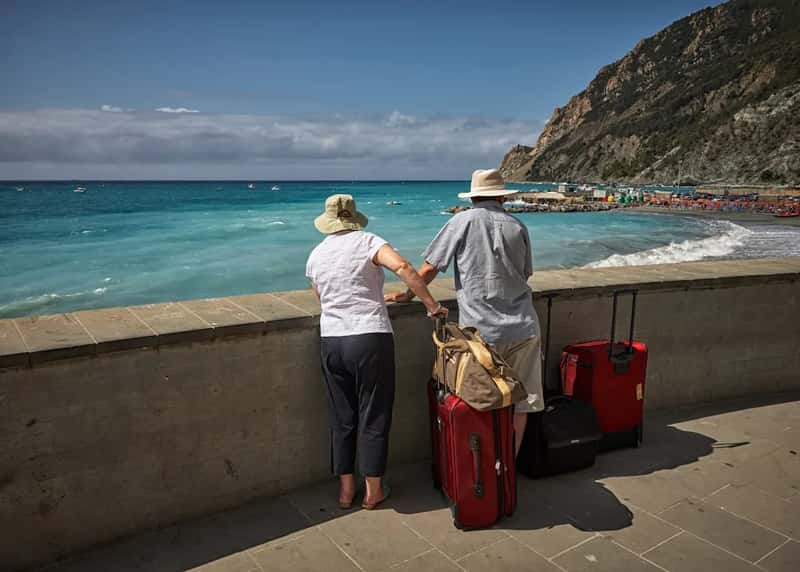
Boomers often traveled in an era when getting local advice meant talking to a stranger, whether that was a shopkeeper, a bus driver, or someone at the next table in a diner. This wasn’t about being naturally more social; it was necessity, since there was no review site to check first. That habit built genuine conversational comfort with people from different backgrounds.
Gen Z, raised with screens as a buffer, often leans on reviews, forums, and social media recommendations instead of asking locals directly. There’s real value in a five-star Google rating, but it can’t replace the kind of nuanced, current advice a local might give about which street to avoid or which small café is actually worth the wait. Some travel researchers argue that this reduced face-to-face interaction limits the kind of cultural immersion that made earlier generations’ trips memorable.
Handling Cash and Currency Exchange

Before contactless payments and travel cards with no foreign transaction fees, boomers had to plan currency exchange carefully. They learned to compare exchange rates at banks versus airport kiosks, and they understood the value of carrying enough local cash for small vendors, tips, and transportation. That kind of financial literacy on the road was simply part of traveling internationally.
Many Gen Z travelers rely almost entirely on cards or apps like Apple Pay, assuming they’ll work everywhere. In practice, plenty of markets, small towns, and rural regions across Europe, Asia, and Latin America still operate mostly on cash, and being caught without any can create real friction. Financial outlets like NerdWallet continue to recommend that international travelers carry some local currency as backup, a habit that boomers never had to be told twice.
Reading Timetables and Schedules Without an App

Train, bus, and ferry schedules used to come as printed timetables, often taped to a wall or handed out at a station counter. Boomers learned to interpret these charts, factoring in time zones, seasonal schedule changes, and last-minute cancellations posted on paper notices. That skill required patience and a bit of guesswork, but it also meant fewer surprises when technology failed.
Gen Z travelers often depend entirely on apps like Google Maps or Rome2Rio for transit info, which usually works well but can lag behind real-time changes, especially in less digitized regions. When an app shows outdated information or simply doesn’t cover a rural bus route, the lack of a backup skill becomes obvious. Transit authorities in several countries, including parts of Italy and Eastern Europe, still rely on posted paper schedules that sync imperfectly with digital platforms.
Writing and Sending Postcards or Letters While Traveling
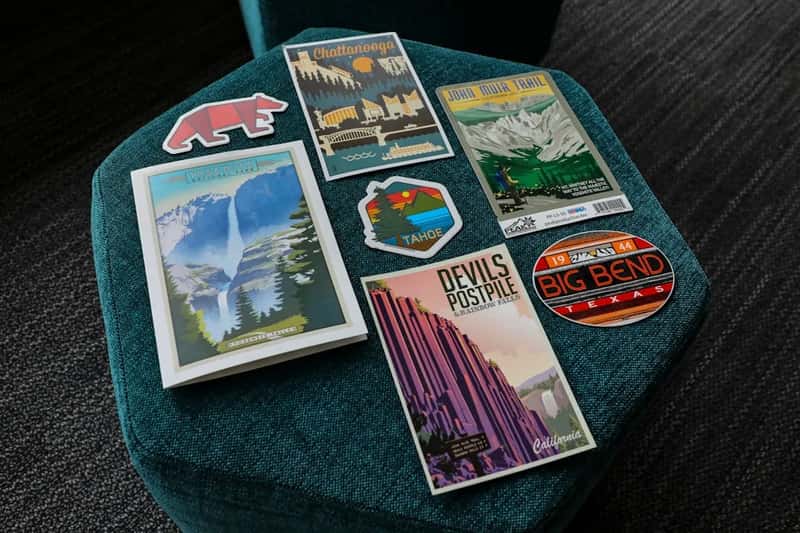
Sending a postcard used to be a routine part of any trip, requiring travelers to find a post office, understand local postage rates, and time mailing correctly to make sure it arrived before the traveler got home. Boomers built this into their travel rhythm, treating it as both a keepsake and a way to reach family. It also meant learning basic international mail systems, something that doesn’t come up much anymore.
Gen Z, communicating instantly through texts and social media, rarely interacts with postal systems abroad at all. There’s nothing inherently better about mailing a postcard over sending a photo instantly, but the practical skill of navigating a foreign postal service, filling out customs forms, or even finding stamps, has quietly disappeared. It’s a small example of how convenience has replaced a functional, if minor, travel competency.
Planning a Trip Without Instant Reviews
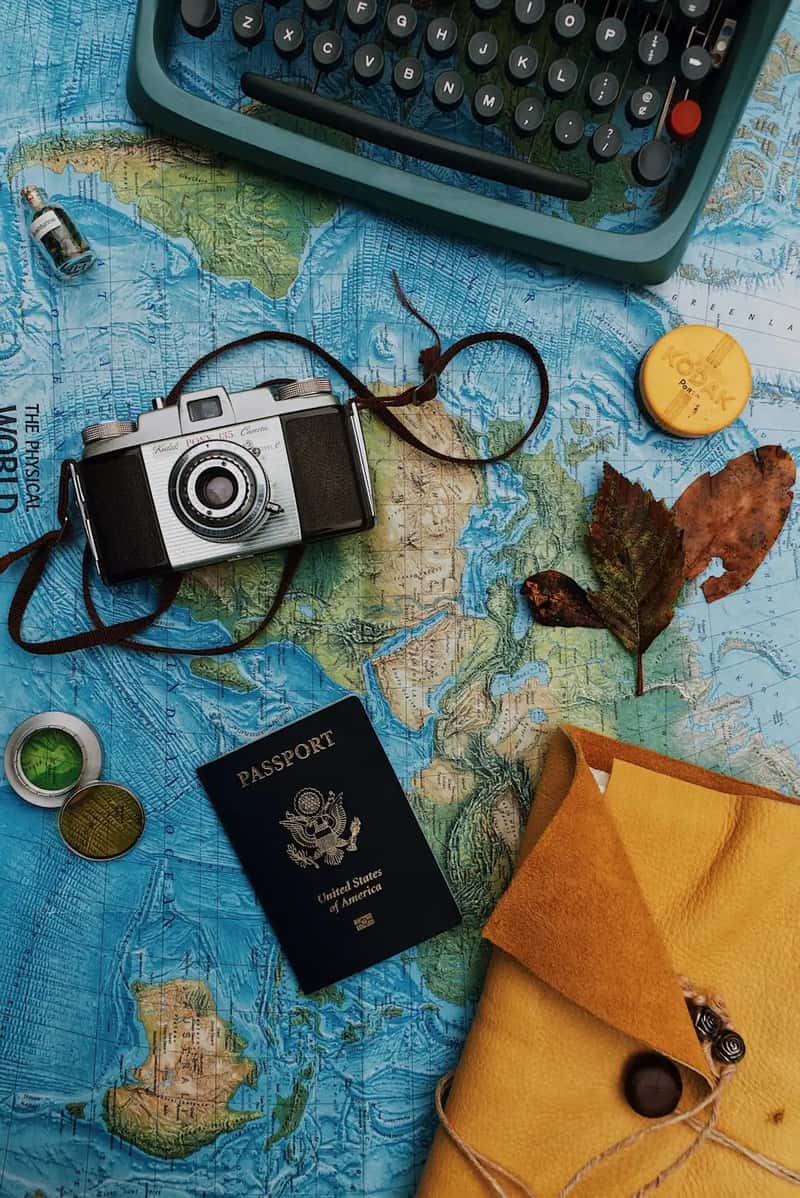
Before TripAdvisor, Yelp, or Instagram geotags existed, boomers planned trips using guidebooks, travel agents, or word of mouth from friends who’d been somewhere before. This required trusting incomplete information and adjusting plans on the fly once they arrived and got a real sense of a place. It built adaptability, since the actual experience often differed from what a guidebook description promised.
Gen Z benefits enormously from crowdsourced reviews and real-time ratings, which genuinely help avoid bad restaurants or unsafe accommodations. Still, this reliance can create a kind of decision paralysis or an expectation that every experience should match its online reputation exactly. Older travelers often show more comfort with ambiguity, treating an unexpectedly rainy day or a closed attraction as just part of the trip rather than a planning failure.
Basic Car Trouble and Roadside Problem-Solving

Long road trips in earlier decades meant travelers, boomers included, often had to know at least the basics of what to do if a car broke down, got a flat tire, or overheated. Roadside assistance existed, but it wasn’t always fast or guaranteed, especially in rural stretches, so drivers learned to check oil, change a tire, and recognize early signs of engine trouble. This wasn’t expert mechanical knowledge, just enough practical understanding to avoid getting stranded.
Younger travelers today, many of whom rely on rideshares, rentals with roadside assistance apps, or simply don’t drive as much in dense urban environments, often lack this baseline knowledge. AAA has reported that a significant share of younger drivers admit they wouldn’t know how to change a tire themselves. On a remote road trip where cell service is unreliable, that gap in practical skill can turn a minor inconvenience into a genuinely stressful situation.