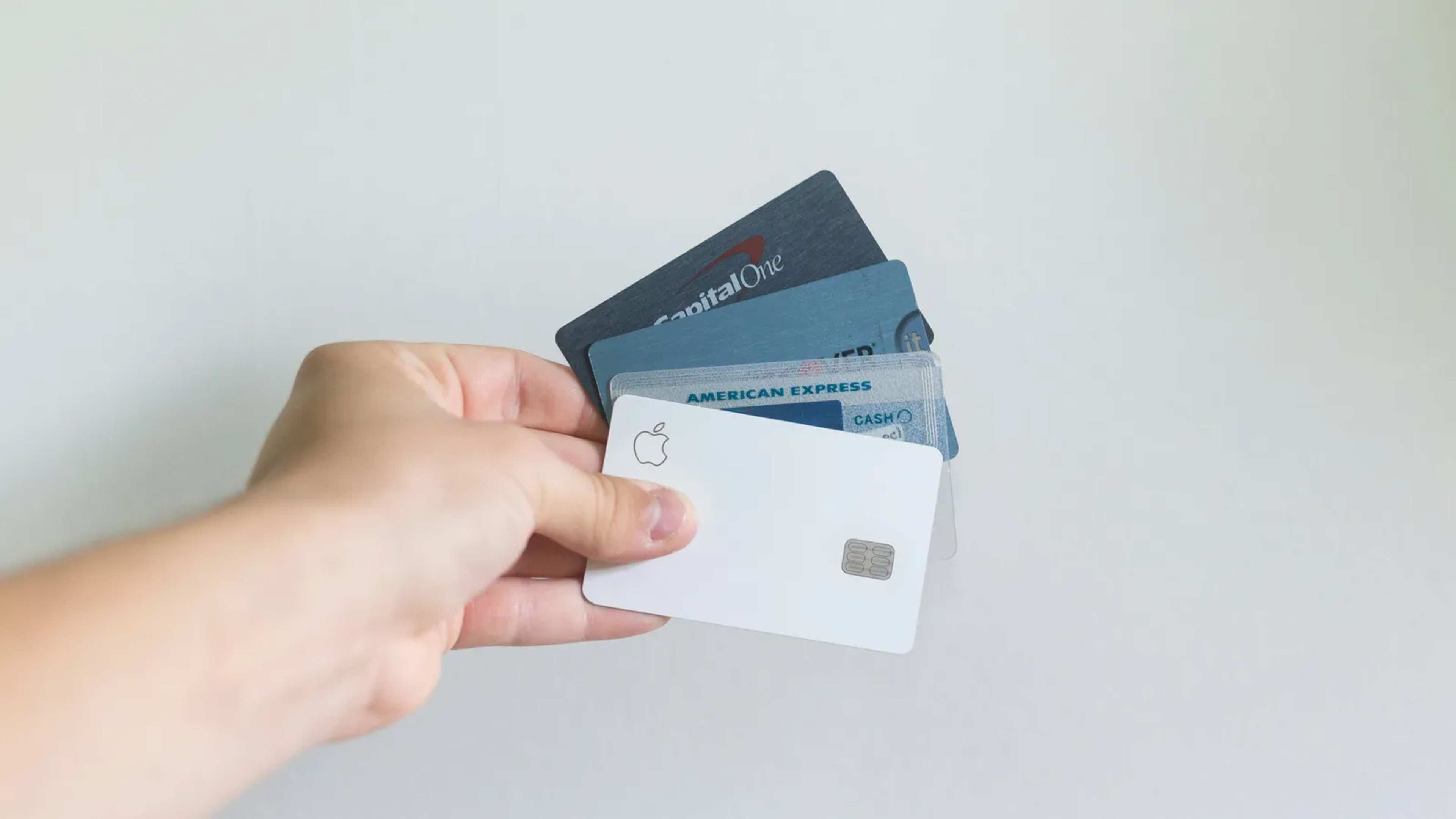
Travelers heading to popular destinations in Asia and Latin America often face the same friction at checkout: limited card acceptance, high ATM fees, and unfavorable exchange rates. Moreta Pay offers a direct alternative by letting users scan the same QR codes that locals rely on every day. The app connects a single wallet balance to multiple regional payment networks without requiring local bank accounts or physical cash. ([1])
A Practical Solution for Frequent Flyers
Many international visitors still default to cash withdrawals or credit cards, only to discover that small merchants and street vendors rarely accept either. Moreta Pay sidesteps those limitations by plugging directly into established local systems. Users top up once in their home currency and then spend across borders with the same balance. The approach reduces both the logistical hassle and the cumulative cost of traditional methods. The service targets travelers, expats, and digital nomads who move between regions. It supports networks that handle the majority of everyday transactions in each market, from market stalls to rideshare apps and hotels. Real-time confirmation and receipts appear instantly in the app after each scan.
How the Process Works
Setting up takes minutes. Travelers download the app, verify identity with a passport and selfie, then link a bank account, card, or other funding source from the US, UK, EU, or Canada. Funds convert to a USD wallet balance that travels with the user. Once funded, the steps remain consistent no matter the country: – Open the scanner in the Moreta app.
– Point the camera at any supported merchant QR code.
– Review the amount, exchange rate, and merchant name on screen.
– Confirm the payment with a swipe. The transaction settles immediately and works at the same locations where residents pay digitally. ([2])
Supported Regions and Networks
Moreta Pay currently covers a growing list of countries where QR payments dominate daily commerce. In Asia the app connects to PromptPay and ThaiQR in Thailand, QRIS in Indonesia, QR Ph in the Philippines, and WeChat Pay merchant codes in mainland China. Additional coverage includes Vietnam, Laos, Mongolia, Malaysia’s DuitNow, Cambodia’s KHQR, and South Korea’s SeoulPay system. Latin America came online more recently. The same wallet now handles Pix QR codes in Brazil, multiple networks including Mercado Pago and MODO in Argentina, Yape and Plin in Peru, and interoperable BCB codes in Bolivia. Colombia support is expected shortly. ([3]) A flat 1.5 percent fee applies to QR transactions, displayed transparently before confirmation. This structure avoids the layered costs of foreign transaction fees, ATM surcharges, and poor exchange rates that often accompany traditional options.
Why Travelers Are Switching
The single-wallet model removes the need to manage multiple local apps or carry stacks of unfamiliar currency. Users report paying at fruit markets, convenience stores, and taxi stands that previously required cash. The app also shows side-by-side rate comparisons so travelers can see the total cost before completing a purchase. Security relies on banking-grade infrastructure and standard verification steps. Lost phones can be managed through account recovery processes similar to other financial apps. As more countries adopt QR standards, the same balance continues to work without additional setup. Moreta Pay demonstrates how a focused tool can simplify one of travel’s most persistent pain points. For anyone planning trips across these regions, the app provides a streamlined way to spend locally without the usual friction.