Southern Oregon’s Umpqua Valley stands out for the way its dramatic waterfalls and established wine country sit within easy reach of one another. The region centers on Roseburg and stretches along the North Umpqua River, where more than twenty falls line Highway 138 and dozens of wineries occupy the surrounding hills. Travelers can move from a forest hike to a tasting room in the same day without long drives between distant attractions. ([1])
Waterfalls Along the North Umpqua Corridor
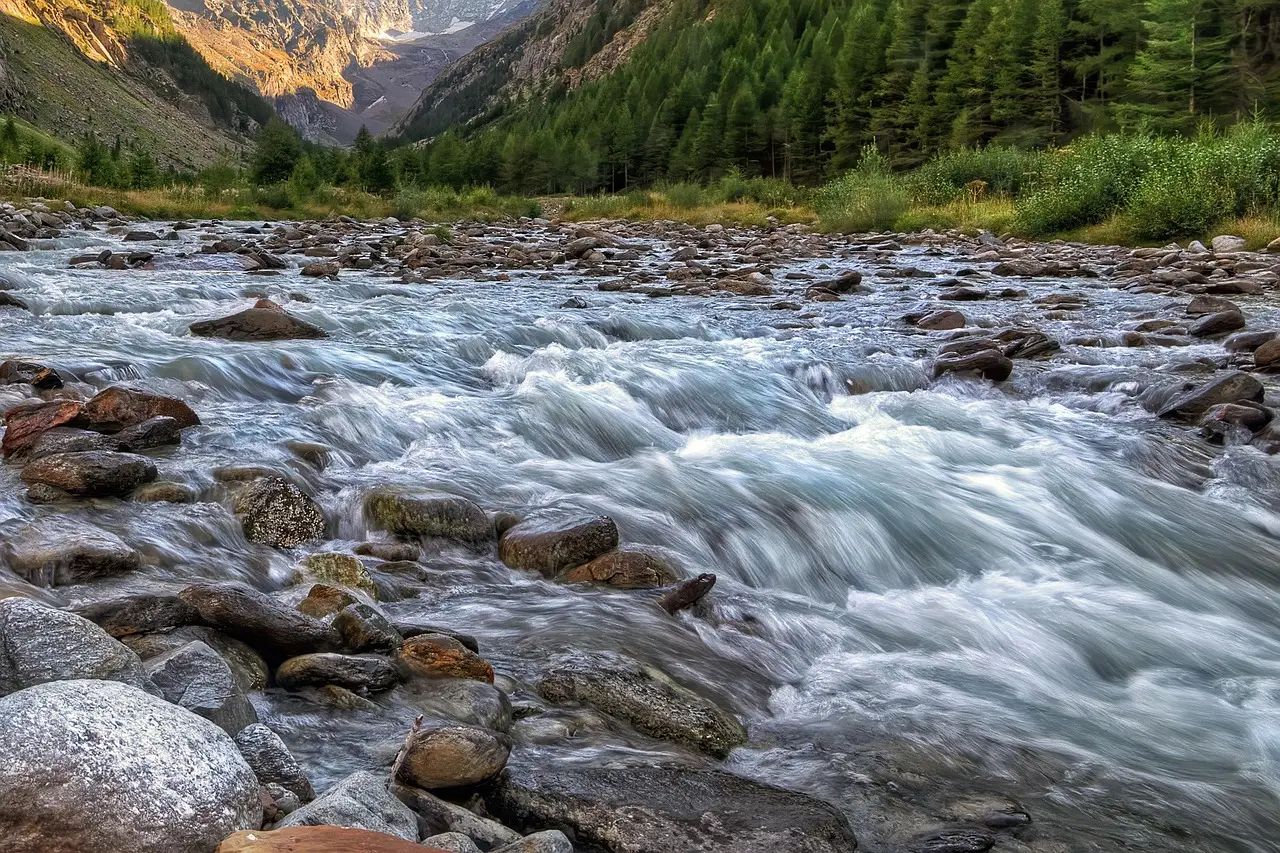
The North Umpqua River corridor earned its nickname as part of Southern Oregon’s Highway of Waterfalls because of the concentration of cascades within a short stretch of road. Some falls require only a brief paved walk, while others sit at the end of short forest trails that climb through mossy terrain and basalt formations. Watson Falls drops nearly 300 feet, the tallest in the southwest part of the state, and Toketee Falls offers the classic two-tier view framed by columnar basalt. Clearwater Falls and Whitehorse Falls provide easier stops suitable for quick visits or families. Susan Creek Falls and Fall Creek Falls reward visitors willing to walk a bit farther with multi-tiered drops and riverside picnic areas. Lemolo Falls lies farther out and demands more effort, yet rewards hikers with a powerful plunge into a remote canyon. Conditions change with seasons and occasional wildfire recovery, so checking current access remains essential before setting out.
Wine Country With Varied Terrain
The Umpqua Valley AVA ranks among Oregon’s older wine regions and supports more than fifty grape varieties across roughly four thousand planted acres. Its position between the cooler Willamette Valley and warmer Rogue Valley creates microclimates that allow both cool-climate grapes such as Pinot Noir and Riesling and warmer varieties like Tempranillo and Syrah to thrive. Northern sections near Elkton stay influenced by Pacific air, while areas around Roseburg experience warm days and cool nights. Family-owned estates dominate the scene. Reustle Prayer Rock Vineyards features an elaborate wine cave with detailed stonework and art installations. HillCrest Vineyard traces its roots to 1961 plantings that helped establish modern Oregon Pinot Noir production. Meadows Estate, Girardet, and the urban Paul O’Brien Winery in downtown Roseburg add further options for visitors who prefer countryside views or a town setting. Most tasting rooms welcome appointments, especially on weekends, and many can arrange shipping for purchases.
Additional Experiences Near Roseburg
Wildlife Safari in nearby Winston offers a 600-acre drive-through park where visitors encounter giraffes, rhinos, elephants, and other species from their own vehicle. The park also maintains a free Safari Village with smaller exhibits, a petting zoo, and keeper talks. A separate reservation allows closer encounters such as feeding giraffes or meeting ambassador animals. Downtown Roseburg supplies a compact base for meals and shopping. Locally owned restaurants, coffee shops, and historic buildings cluster around Jackson and Main streets. Several covered bridges in the surrounding countryside provide scenic detours when routes pass through Glide, Sutherlin, or Myrtle Creek.
Practical Planning for a Balanced Trip
Three to five days allow time to combine waterfall hikes, wine tastings, and wildlife viewing without constant rushing. Splitting nights between Roseburg and a riverside property such as Steamboat Inn reduces backtracking and matches lodging to daily plans. A rental car is required, and downloading offline maps helps when cell service drops along the river corridor. Spring through fall generally offers the most reliable weather for outdoor activities, though fall brings harvest activity at wineries and changing foliage. Layers, sturdy footwear, and water remain useful year-round because conditions shift quickly between the valley floor and higher elevations. Checking winery hours, fishing regulations, and road status before travel prevents last-minute adjustments. The Umpqua Valley rewards travelers who value variety within a compact area. Its combination of natural drama and agricultural tradition creates a distinctive Southern Oregon escape that feels both accessible and uncrowded.