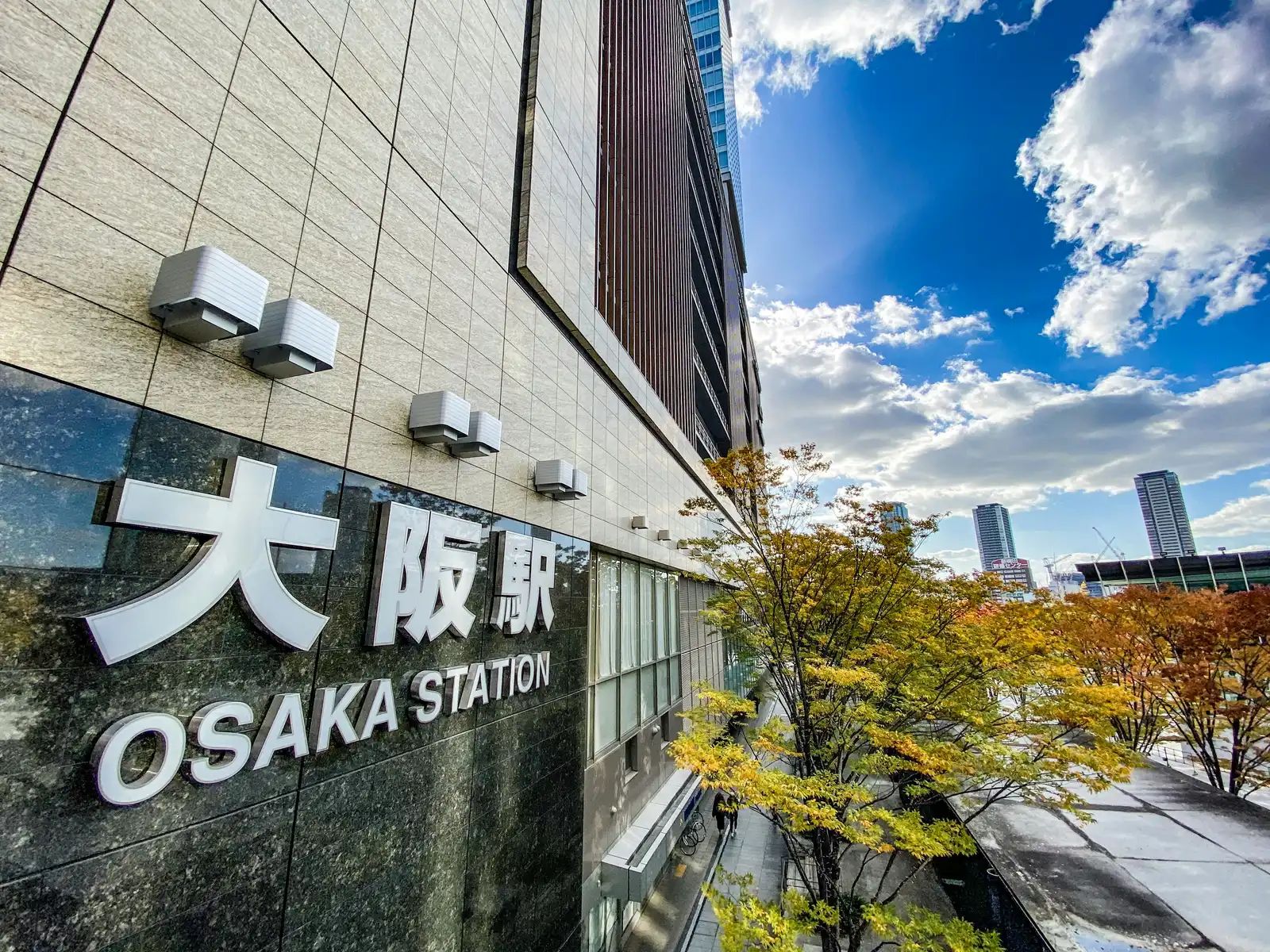
Osaka remains one of Japan’s most accessible major cities for travelers watching their spending. A five-day visit built around a central base, simple meals, and targeted day trips can stay well under many expectations when prices are tracked in advance. Data checked in early October 2026 shows the city itself delivers strong value once flights and fixed fees are accounted for.
Entry Requirements and Flights
Travelers holding a Philippine passport need a visa for Japan as of late 2026. The visa itself carries no fee, though a service charge at the application center typically ranges from PHP 520 to PHP 800. Processing takes at least six business days in Manila and longer outside the capital, so appointments should be secured well ahead of travel. Return flights from Manila to Kansai International Airport start around PHP 18,438 on low-cost carriers for mid-November dates. Similar fares appear from Cebu and Clark, with nonstop options available on several airlines. Base fares often exclude checked bags, so total costs rise once luggage and airport taxes are added. The regular Nankai train from the airport to central Osaka runs about ¥970 one way.
Where to Stay and What to Eat
Budget lodging clusters near Namba or Shin-Imamiya stations. Dorm beds or capsules range from roughly ¥2,800 to ¥6,000 per night. Shared business-hotel rooms fall between ¥7,000 and ¥11,000. Osaka’s accommodation tax applies per person and can be avoided entirely when two travelers split a room priced under ¥5,000 each. Food costs stay modest when meals center on convenience-store rice balls, chain gyudon at ¥480, or conveyor-belt sushi plates at ¥110 each. A daily food allowance of about ¥2,800 covers three meals plus snacks. Street takoyaki and late-night ramen add variety without large jumps in spending. Markets such as Kuromon serve as occasional splurges rather than daily stops.
Day Trips and Sample Itinerary
Kyoto and Nara sit within easy reach for day excursions. Round-trip JR service to Kyoto costs ¥580, while Kintetsu trains to Nara run ¥680 each way. Fushimi Inari shrine is free, and modest temple fees cover the main sights. An Osaka Amazing Pass at ¥3,500 unlocks unlimited city transit plus dozens of attractions, often paying for itself on a single busy day. A practical five-day plan keeps the same hotel throughout. Arrival focuses on the Dotonbori area. One full day uses the pass for Osaka Castle and skyline views. Separate days cover Kyoto at sunrise and Nara’s deer park and temple. The final morning allows time for shopping before the return train to the airport.
Complete Cost Breakdown
The following table summarizes a tipid plan for one person, five days and four nights, using an exchange rate of ¥1 = PHP 0.397.
| Item | Yen | PHP |
|---|---|---|
| Dorm bed, 4 nights | 14,000 | 5,558 |
| Food, 5 days | 14,000 | 5,558 |
| Trains and pass | 9,960 | 3,954 |
| Entry fees | 1,500 | 596 |
| On the ground subtotal | 39,460 | 15,666 |
| Return flight from Manila | – | 18,438 |
| Travel tax and fees | – | 2,140 |
| Grand total | – | about 37,300 |
A comfortable version that adds sit-down dinners and a private room pushes the total closer to PHP 45,000. Both figures include the main variables travelers encounter and leave room for small adjustments based on exact travel dates. Osaka demonstrates that Japan can fit a modest budget when the focus stays on local transport, chain eateries, and one well-chosen pass. The numbers above provide a concrete starting point for planning a 2026 trip.