Anyone weighing a move to Latin America eventually lands on the same two names: Panama and Ecuador. Both countries offer sunny weather, welcoming expat communities, and a reputation for affordable living, yet the day-to-day experience of life in each place is quite different. From safety concerns to healthcare quality, visa rules to housing costs, the two nations pull in noticeably different directions once you look past the surface-level pitch.
This comparison breaks down the categories that matter most when someone is deciding where to actually settle down, whether that’s for retirement, remote work, or simply a fresh start. Neither country is perfect, and neither is a clear winner across every metric, so the goal here is to lay out the real trade-offs rather than pick a side.
Cost of Living: Where Your Money Goes Further
On pure affordability, Ecuador tends to win by a wide margin. Data from Livingcost.org shows the average cost of living in Ecuador is 44% less expensive than in Panama, based on figures of roughly 817 dollars versus 1,456 dollars a month. Expatistan’s July 2026 comparison lands in a similar range, noting that the cost of living in Ecuador is 38% cheaper than in Panama. Many expats living in Ecuador report that Ecuador is widely known for its affordability, with many expats reporting they live comfortably on approximately 1,500 to 2,000 dollars per month, since housing, healthcare, and daily expenses are significantly lower compared to North America.
Panama isn’t expensive by Western standards, but it costs noticeably more than Ecuador does. A couple wanting a comfortable lifestyle in the capital should expect to pay considerably more than in Ecuador’s cities. Guides for Panama note that a couple wanting a comfortable lifestyle in Panama City, including a modern two-bedroom rental, regular dining out, and private health insurance, should plan on roughly 2,500 to 3,500 dollars a month. Smaller Panamanian towns bring costs down substantially, but even then Panama rarely matches Ecuador’s rock-bottom price points, especially outside the capital region.
Safety and Security: Contrasting Realities
This is arguably the sharpest divide between the two countries, and it has widened over the past few years. Ecuador’s security situation has deteriorated dramatically since 2022, driven largely by narco-trafficking along the Pacific coast. Human Rights Watch reports that Ecuador continues to face high levels of violence driven by organized crime, and President Daniel Noboa’s security response has failed to curb violence while leading to increased reports of human rights violations. Homicide numbers tell the story starkly: after declining in 2024, homicides increased sharply in 2025, by about 40 percent by September, bringing Ecuador close to its highest homicide rate ever.
The violence, however, is not evenly distributed across the country. Coastal cities like Guayaquil bear the brunt of it, while the highland regions favored by most retirees remain comparatively calm. As one expat-focused guide puts it, Ecuador’s overall safety profile is comparable to Colombia and Costa Rica, not as safe as Panama or Peru at a national level, but with extremely safe pockets like Cuenca, Vilcabamba, and Cotacachi that rival anywhere in Latin America. Panama, by contrast, has largely avoided this kind of cartel-driven violence and is generally regarded as one of the safer countries in the region for foreign residents, particularly in Panama City’s expat-friendly neighborhoods and highland towns like Boquete.
Healthcare: Quality, Access and Affordability

Both countries offer decent healthcare options for foreigners, though the systems work differently. Ecuador has earned a strong reputation on this front, with reporting noting that Ecuador has healthcare scores that beat Spain and Norway, a surprising statistic that reflects the country’s investment in both public and private medical infrastructure, particularly in cities like Cuenca and Quito. Retirees who choose to enroll in Ecuador’s public system through the IESS program get comprehensive coverage at a modest monthly cost, without exclusions for pre-existing conditions.
Panama’s healthcare system leans more heavily on private providers, especially in Panama City, where facilities are modern and often staffed by doctors trained in the United States or Europe. The Pensionado visa program sweetens the deal considerably, since retirees get mandatory discounts including 15 to 20 percent off doctor visits and prescriptions, along with 25 percent off utilities. Outside the capital, though, Panama’s medical infrastructure thins out quickly, so rural or mountain-town residents often need to travel for anything beyond basic care.
Retirement Visas and Residency Pathways
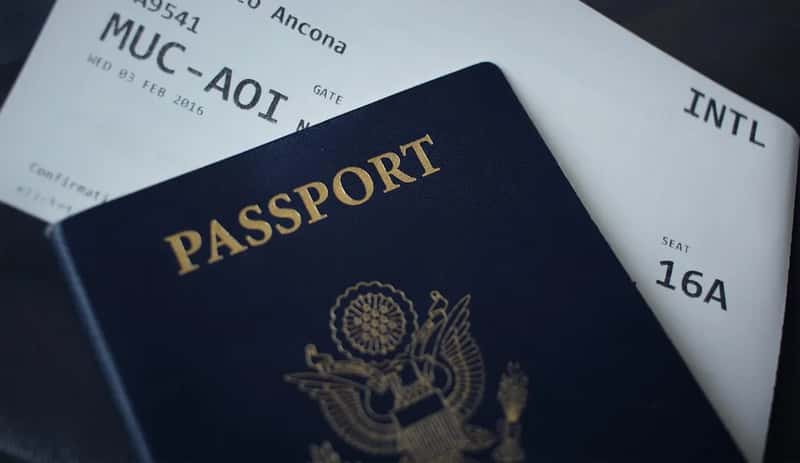
Panama’s Pensionado visa is widely considered one of the most generous retirement programs in the world. The core requirement is refreshingly simple: it allows you to retire in Panama for life, so long as you have a lifetime pension or annuity of at least 1,000 dollars USD per month. The program also grants immediate benefits, since permanent residency is granted immediately with the visa, citizenship is achieved after five years, and Panama uses the U.S. dollar and doesn’t tax foreign income. Approval rates are notably high too, with the visa reportedly carrying a 97% approval rate, with almost 2,000 granted in 2024.
Ecuador’s equivalent, the Jubilado or Pensioner visa, sets the bar a bit higher financially but still remains accessible. As of 2026, the minimum is 1,446 dollars per month, which is three times the 2026 Salario Basico Unificado of 482 dollars, and this figure adjusts annually alongside Ecuador’s minimum wage. Unlike Panama’s permanent-from-day-one approach, Ecuador’s version starts as temporary: it grants temporary residence for foreign retirees with pension income, requires 1,446 dollars a month, sets no age minimum, and is valid for two years before permanent residency can be requested.
Currency and Economic Stability

One underrated similarity between these two countries is that both use the U.S. dollar as official currency, which removes a layer of financial risk that plagues many other Latin American destinations. For Panama, this dollarization is baked into the retirement pitch, since Panama’s dollar economy means your Social Security or pension is deposited and spent in the same currency, with no conversion and no devaluation risk. That stability has helped Panama build a reputation as a low-friction place to park retirement income without worrying about currency swings eating into purchasing power.
Ecuador adopted the dollar back in 2000 after a severe financial crisis, and it has remained the country’s official currency ever since, giving American and Canadian retirees the same protection from exchange-rate volatility. The economic contexts differ though. Panama’s economy is more diversified and export-oriented, anchored by the Panama Canal and a substantial banking and logistics sector, while Ecuador leans more heavily on oil, agriculture, and remittances. Inflation has been mild in both countries recently, with Panama’s statistics agency reporting the country ended 2025 with annual inflation of negative 0.2 percent, a slight deflation, and entered 2026 at roughly 0.1 to 0.2 percent.
Climate, Geography and Lifestyle Options
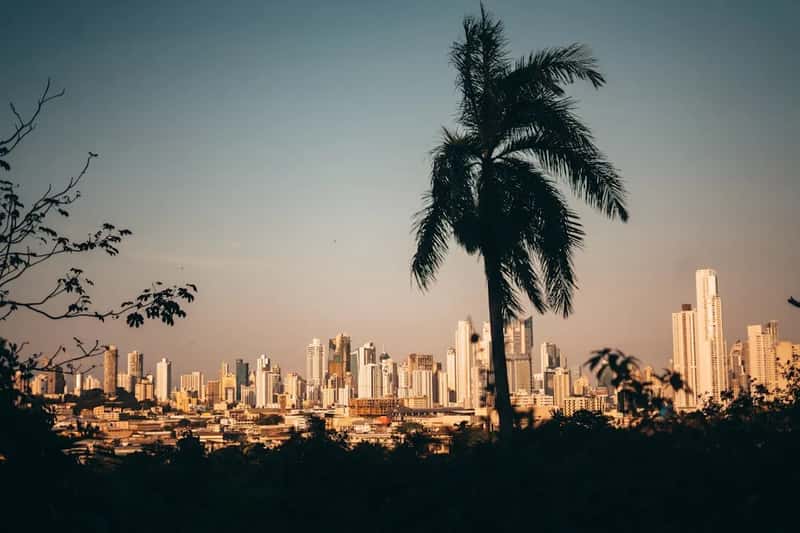
Geography plays a bigger role in quality of life than people often expect, and both countries offer genuine variety within relatively small territories. Panama packs beaches, rainforest, and cool highland towns into a compact strip of land, letting residents choose between humid coastal living and the cooler, spring-like climate of mountain communities like Boquete. As one retirement guide notes, whether you prefer city living, beach communities, or cool mountain towns, Panama offers all three within a relatively compact geography.
Ecuador arguably offers even more dramatic variety, thanks to the Andes running straight through the country. Quito and Cuenca sit at high elevation with cool, spring-like weather year-round, while the coast brings tropical heat and the Amazon basin offers a completely different jungle ecosystem. This diversity means newcomers to either country can essentially pick their preferred climate without leaving national borders, something that’s harder to do in most single countries of comparable size.
Real Estate and Housing Costs
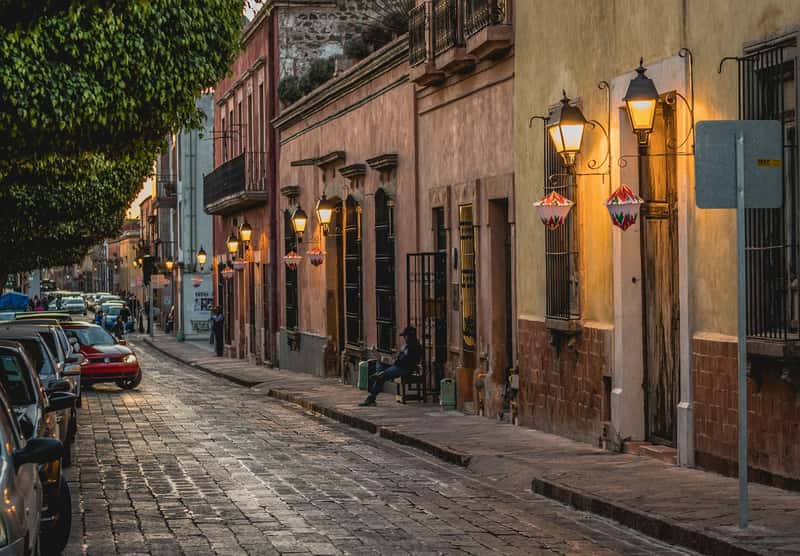
Housing is where the affordability gap between these two countries becomes most obvious. A direct comparison of the two puts it plainly: Panama is the most expensive of the four countries compared, especially for housing and groceries. Rent in Panama City has climbed in recent years too, with premium neighborhoods showing tight inventory, since premium oceanfront areas like Costa del Este now regularly start at 2,200 dollars or more per month due to low inventory in 2026.
Ecuador’s housing market, particularly outside Quito and Guayaquil, remains dramatically cheaper. Cities like Cuenca have built a reputation among North American retirees precisely because rental and purchase prices are a fraction of what similar properties cost in Panama City or in most U.S. metro areas. That said, buyers in either country should factor in that private-school tuition and imported goods carry a real premium, particularly in Panama, where private school tuition for families can easily range from 1,000 to 1,800 dollars or more per month per child in the city.
Culture, Community and Ease of Integration
Panama’s expat community is heavily concentrated in a handful of well-established hubs, Panama City, Boquete, and Coronado being the most prominent. English is fairly widely spoken in business and tourist-facing contexts, particularly in the capital, which softens the learning curve for newcomers who haven’t mastered Spanish yet. The country’s decades-long relationship with the United States, reinforced by the Panama Canal’s history, also means American culture and consumer goods feel less foreign than they might elsewhere in the region.
Ecuador’s expat scene centers heavily on Cuenca, a colonial city that has drawn thousands of North American retirees over the past fifteen years, along with smaller pockets in Vilcabamba and the Quito valleys. Spanish proficiency tends to matter more day-to-day outside these hubs, since English is less commonly spoken than in Panama. Both countries offer warm, family-oriented cultures, but Ecuador’s slower pace and stronger indigenous and colonial heritage give it a distinctly different social rhythm compared to Panama’s more commercially international feel.
Conclusion: Which Country Wins?
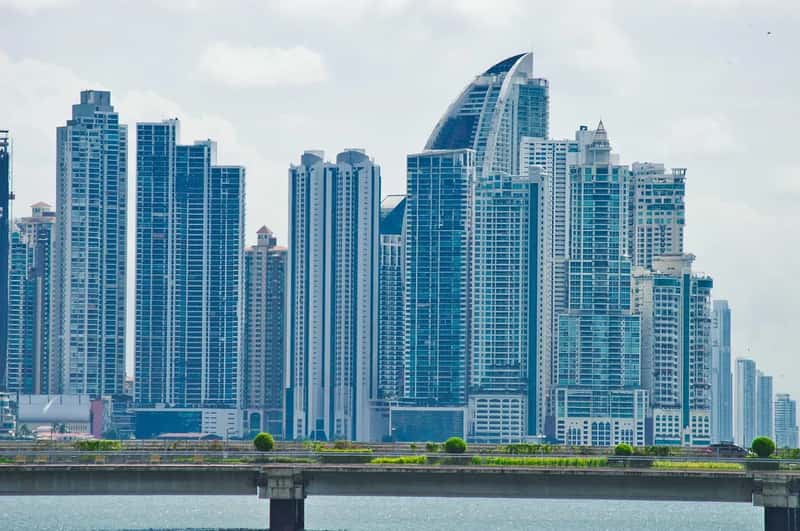
There’s no single correct answer here, because the two countries excel in different areas. Panama edges ahead on safety, dollar stability tied to a more diversified economy, and one of the most generous retirement visa programs anywhere in the world. Ecuador wins clearly on affordability, offers surprisingly strong healthcare quality, and provides dramatic climate variety, provided newcomers choose their city carefully given the coastal security concerns.
For someone prioritizing peace of mind, established infrastructure, and a fast, low-barrier path to residency, Panama is likely the safer bet. For someone chasing maximum value for their retirement dollar and willing to stick to the well-vetted highland cities, Ecuador remains hard to beat on pure cost. The right choice ultimately depends on which trade-offs matter most to the person making the move, since both countries reward those who do their homework before relocating.