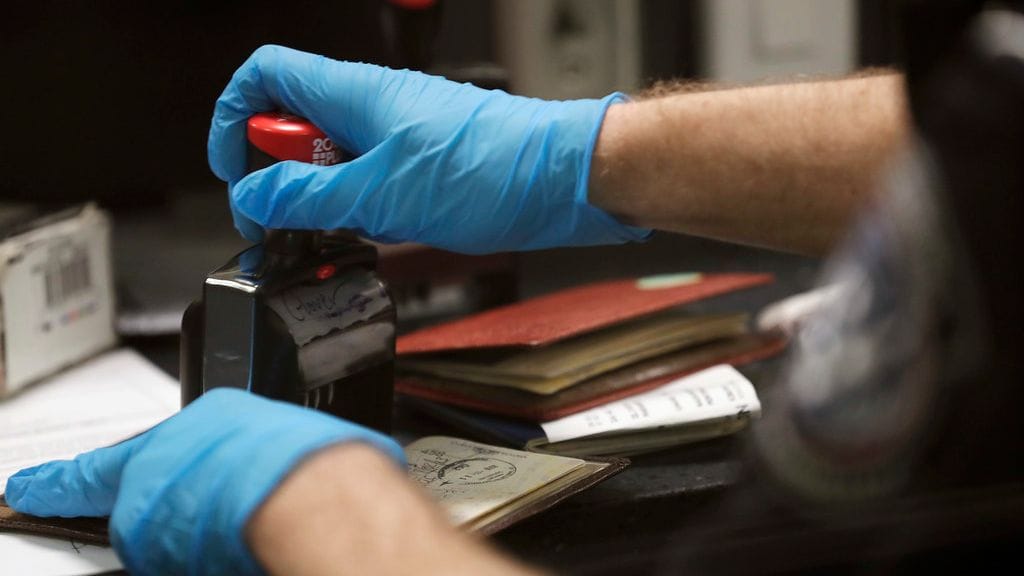
There is something quietly nerve-wracking about walking up to a passport control booth. Even when you have done absolutely nothing wrong, that moment when the officer stares at your document a second too long can make your stomach drop. Most travelers assume that as long as their passport is valid, they are completely safe. Honestly, that assumption is wrong.
The reality of modern border control is far more layered than most people realize. Officers are backed by powerful databases, pattern-recognition software, and decades of behavioral training. One small detail, something you might not even think twice about, can redirect you straight into a secondary screening room. Let’s dive into exactly what those details are.
1. A Name Match on a Government Watchlist
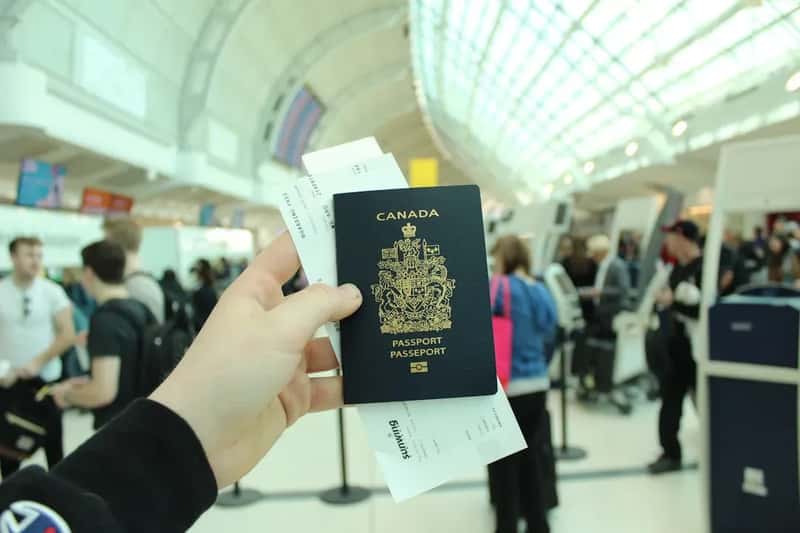
An individual can be subjected to secondary screening for anything ranging from a case of mistaken identity to the fact that the individual is currently under federal investigation. In many cases, these problems arise because an innocent traveler has the same name as someone on the national anti-terrorism watch list. It sounds almost absurd, like something out of a bad comedy. Yet it happens constantly, and it can happen to someone with an exceptionally common name.
Sharing a name, even coincidentally, with someone on a government watchlist can lead to unexpected hurdles for travelers. While these lists are intended to enhance security, they can inadvertently cause problems for individuals who have absolutely no connection to any suspicious activity. The sheer growth of these watchlists means that the likelihood of encountering someone with a similar name to a flagged individual is statistically increasing.
DHS has a centralized complaint center called the Traveler Redress Inquiry Program (TRIP) where you can submit your information if you’re repeatedly getting flagged for additional scrutiny. Once you file a complaint and provide copies of your identity documents, DHS will do some investigating to see if you’re being flagged because your name is similar to someone on a watch list. If they determine that’s the case, they’ll issue you a “redress number” that you can include when making flight reservations.
2. A History of Overstaying a Visa
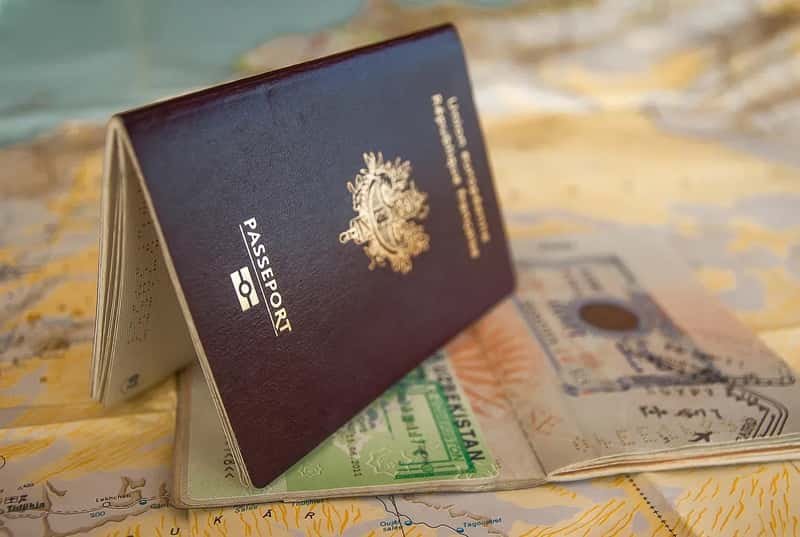
Overstaying a visa, even in a seemingly minor way, can have far-reaching consequences for future travel plans. Border control officers have access to extensive databases that track immigration records, and a past overstay, however brief, can result in denied entry to a country, regardless of a current valid visa. This is especially true in regions with strict regulations such as the Schengen Area. Think of it like a credit score. One bad mark follows you around for years.
The consequences of an overstay can extend beyond a single country. Immigration databases are becoming increasingly interconnected globally. A single overstay might appear on future visa applications to other countries, creating obstacles for obtaining travel authorizations in the future.
As of February 6, 2025, suspected in-country overstays for Fiscal Year 2024 numbered 427,204, resulting in a suspected in-country overstay rate of roughly under one percent. The Department of Homeland Security was able to confirm the departures or adjustments of status of more than 99 percent of nonimmigrants scheduled to depart in Fiscal Year 2024. So the tracking system is thorough, and border agencies absolutely do notice past violations.
3. Inconsistent or Vague Answers During Questioning
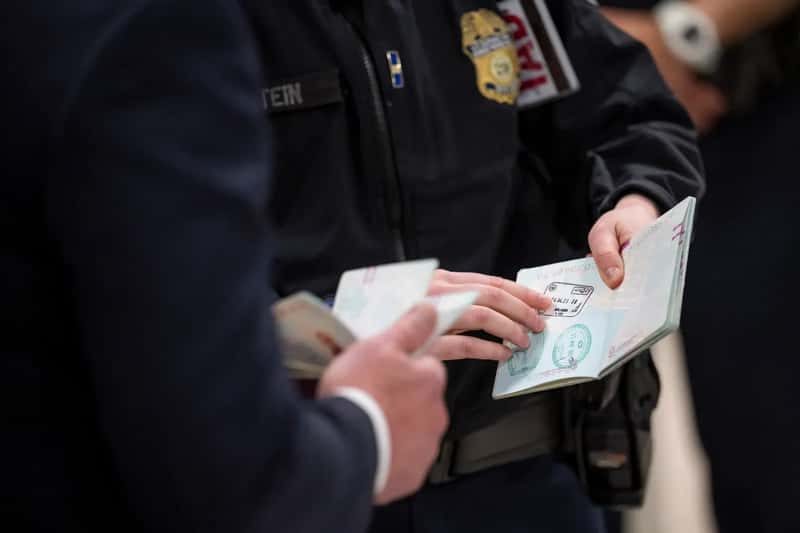
Consistency matters enormously at border control. Do your answers match your documents and your itinerary? Officers are trained to notice discrepancies. Nervous or defensive responses tend to prolong the process significantly. Think of it like this: the booth is not a conversation, it is a test. The officer is cross-referencing everything you say against what the system already knows.
If you are flagged by U.S. Customs and Border Protection, you may not receive direct notification. However, one of the clearest signs is extended questioning, where CBP officers ask you more questions than usual about your travel history, the purpose of your visit, your belongings, or other relevant topics. Extended questioning can be a sign that you’ve been flagged for further inspection.
Here is the thing: giving overly complicated or rambling answers is just as problematic as giving short, unconvincing ones. Officers are looking for calm, concise, confident responses. Hesitation, contradiction, or emotional deflection can all trigger deeper scrutiny, even when a traveler is entirely innocent.
4. Suspicious or Unusual Travel Patterns
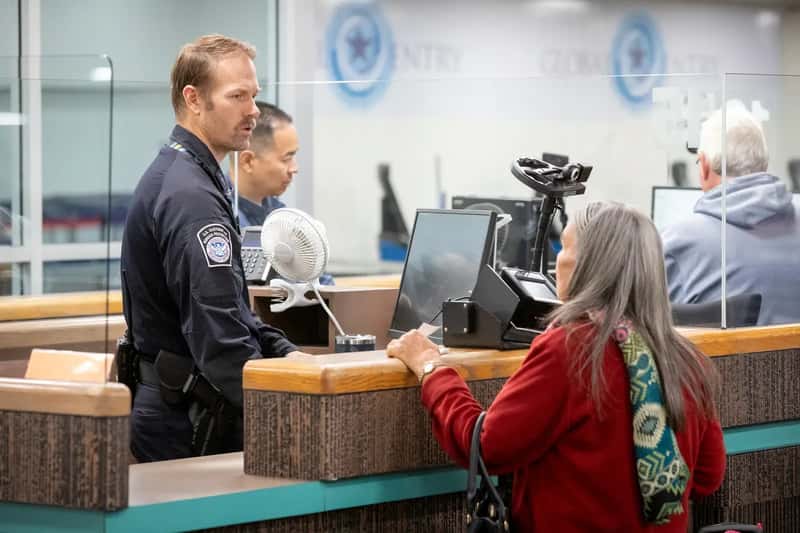
Your travel habits, even if seemingly normal, can sometimes lead to increased scrutiny at border control. Frequent trips to nations grappling with political instability or making last-minute flight reservations might trigger a closer look at your travel intentions. If you have a limited travel history or choose to create complex and convoluted itineraries, you might encounter additional questioning at the border.
Border officials are trained to look for anomalies and patterns that deviate from standard tourist behavior. While using budget carriers and rapidly changing locations could be perfectly reasonable, these actions might appear out of sync with the typical tourist and attract unwanted scrutiny. Furthermore, booking short, multi-city itineraries with various connections on different airlines can sometimes lead to flags. These complex itineraries might confuse officials, particularly if the traveler is unable to readily provide clear and logical reasons for the pattern.
Imagine someone who flies from Germany to Colombia, then to Mexico, and arrives in the U.S. three days later with a one-way ticket and no hotel booking. Each element alone might be fine. Together, however, they form a pattern that an officer’s trained eye will notice immediately.
5. A Damaged, Expired, or Suspicious Passport
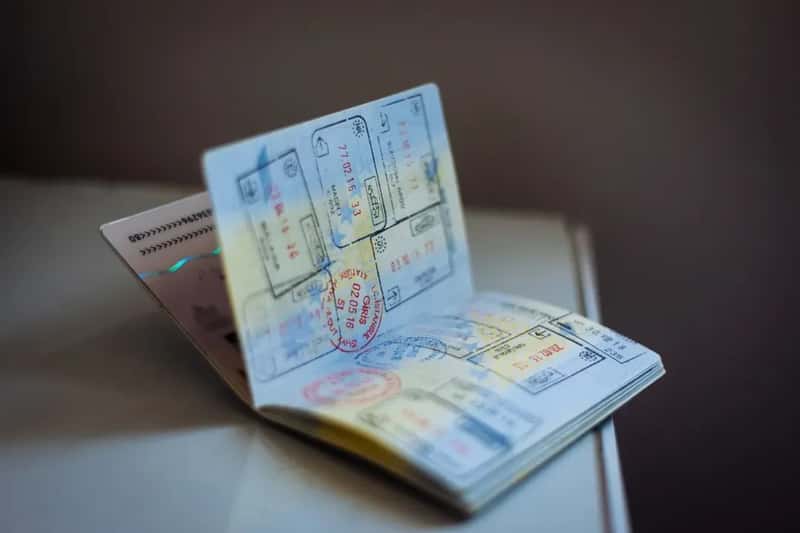
Officers at passport control evaluate the physical document carefully. They check whether the passport is genuine, current, and undamaged, and whether required entries like valid visas, ESTA authorization, or proof of onward travel are in order. A passport that has been dropped in water, has a torn page, or shows signs of tampering is a major red flag, even if everything else about your trip is perfectly legitimate.
Passports may also be flagged if there are suspicions of passport fraud, such as the use of counterfeit or altered documents. Modern border scanning systems are extraordinarily precise. They check the document’s biometric chip, the machine-readable zone, and the physical integrity of the pages, all in a matter of seconds.
When a passport is flagged, this information is typically stored in databases maintained by immigration and border control agencies. When the passport is scanned at a border crossing or during the visa application process, alerts may be triggered, prompting further scrutiny or action by the authorities. In other words, the machine does a large chunk of the work before the officer even opens their mouth.
6. Failing to Declare Agricultural Items or Goods
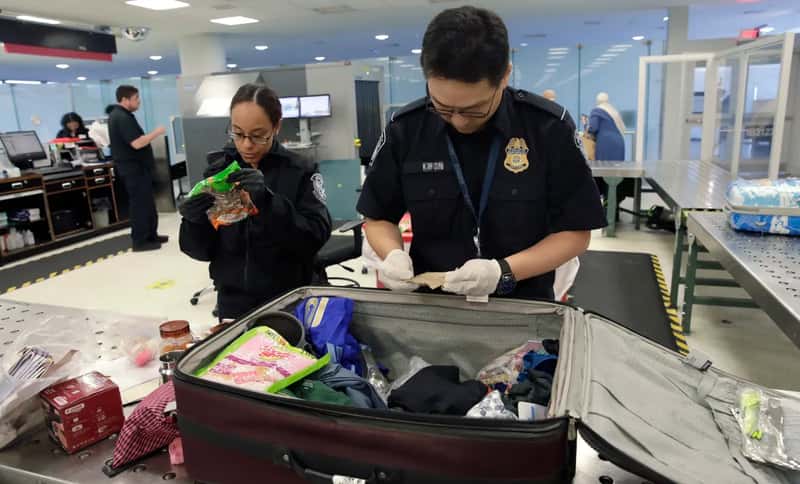
CBP issued over 7,000 emergency action notifications for restricted and prohibited plant and animal products entering the United States in August 2024 alone. During that same month, CBP conducted over 113,000 positive passenger inspections and issued 849 civil penalties and violations to the traveling public for failing to declare prohibited agriculture items. Thousands of travelers every single month get flagged, not for anything dangerous, but for a piece of fruit in a bag or an undeclared food product.
In December 2024, CBP issued 6,580 emergency action notifications for restricted and prohibited plant and animal products. In that same month alone, CBP conducted 98,420 positive passenger inspections and issued 631 civil penalties for failing to declare prohibited agriculture items. The numbers are staggering, and they illustrate just how aggressively this category is enforced.
Most people who get caught genuinely forgot about the apple at the bottom of their carry-on. That doesn’t matter to officers. Failing to declare, even accidentally, can trigger a secondary screening and leave a mark on your travel record that affects future crossings. Just declare everything. It costs nothing.
7. A Criminal Record or Outstanding Warrant
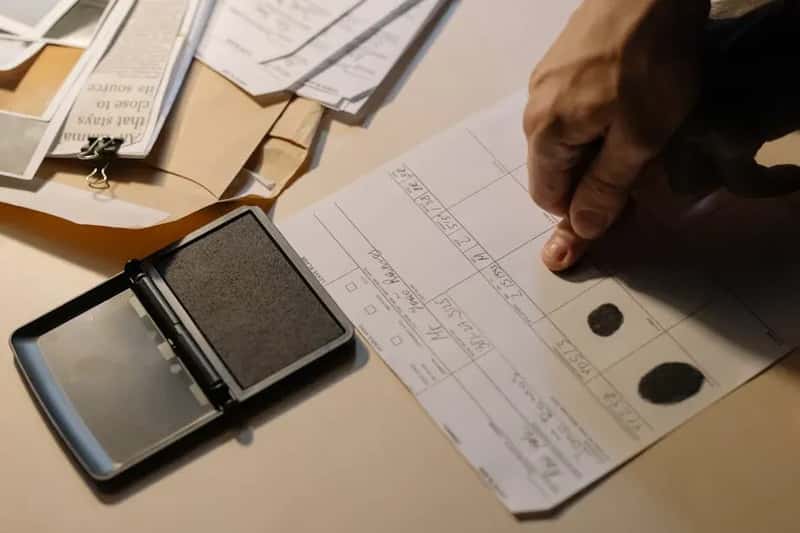
Criminal records are one of the most straightforward reasons a passport gets flagged. Passports may be flagged if the passport holder has a criminal record or is wanted for questioning or arrest by law enforcement authorities. This applies broadly, covering not just convictions in the traveler’s home country but also offenses that are recognized as criminal under U.S. law.
Persons can be subjected to secondary screening due to past criminal convictions, active restraining orders, or outstanding warrants. Other times, it can be due to a travel record that did not accurately record your timely exit from the country, which can incorrectly show that you overstayed your authorized time on a previous entry.
Even if a charge was expunged or dismissed, failing to disclose it can create serious problems. CBP conducts thorough background checks using multiple databases, including criminal, immigration, and customs records. The depth of these searches surprises many travelers who assumed that a dropped charge or old arrest was ancient history. It is rarely that simple at border control.
8. Electronic Devices That Draw Attention
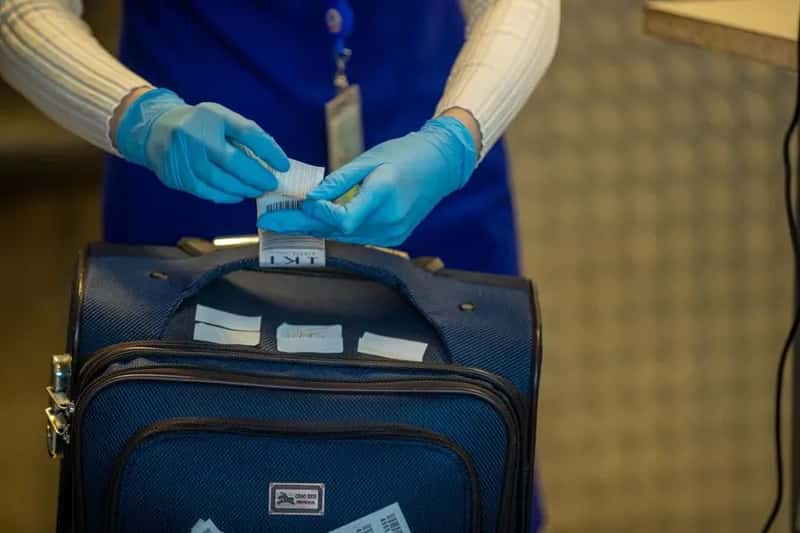
On rare occasions, CBP officers may search a traveler’s mobile phone, computer, camera, or other electronic devices during the inspection process. These searches have been used to identify and combat terrorist activity, child pornography, drug smuggling, human trafficking, export control violations, and visa fraud. Border searches of electronic devices are also often integral to determining an individual’s intentions upon entry to the United States.
CBP officers possess the authority to search electronic devices of all travelers entering the United States, including U.S. citizens, without a warrant. This authority is based on the “border search exception” to the Fourth Amendment. In fiscal year 2024, CBP conducted over 47,000 electronic device searches, representing less than 0.01 percent of international travelers.
Travelers are required to present their devices for examination but can refuse to unlock them or share passcodes. U.S. citizens cannot be denied entry for non-compliance, though their devices may be detained and subjected to longer processing times. Foreign nationals, however, may be denied entry for refusing to comply. Information obtained from these searches can be retained for up to 15 years if it pertains to law violations. That last detail is worth sitting with for a moment.
9. Random Selection and the Role of Automated Targeting Systems
Sometimes there is simply no specific reason at all. Customs and immigration agencies conduct random screenings as part of normal security procedures. It feels deeply unfair when you have done everything right and still end up in the secondary room. But randomness is a deliberate tool. Predictable screening creates predictable gaps, and border agencies know that.
Modern border control systems can track and analyze trends in incomplete or incorrect forms and data. If certain patterns are observed, border agencies may implement additional measures or alerts, increasing the likelihood that future travelers with similar mistakes will face additional scrutiny. So even if you are randomly selected today, how you behaved during that screening can shape what happens during your next crossing.
Almost a million times each day, CBP officers welcome international travelers into the U.S. In screening both foreign visitors and returning U.S. citizens, CBP uses a variety of techniques to assure that global tourism remains safe and strong. That is an enormous volume of people moving through control points, which is exactly why automated targeting systems have become such a critical part of the process. You may not have triggered a human, but an algorithm noticed something.
What to Do If You Keep Getting Flagged
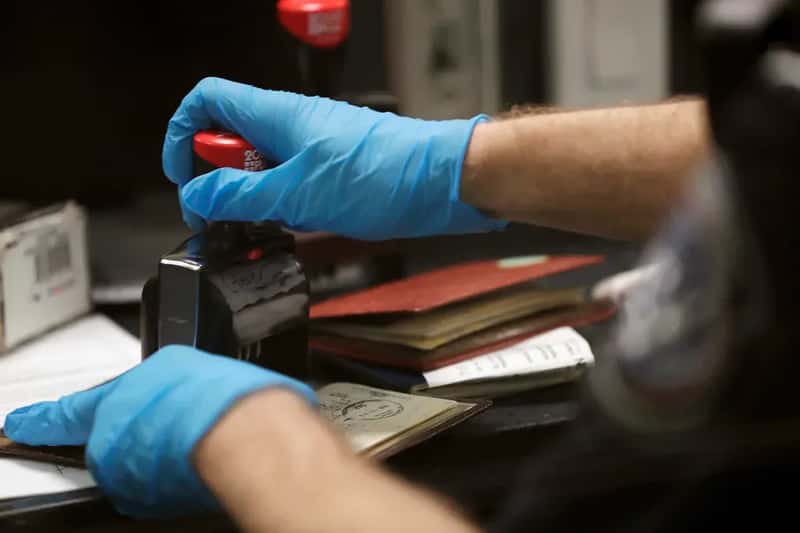
The Department of Homeland Security’s Traveler Redress Inquiry Program (DHS TRIP) is a single point of contact for individuals who have inquiries or seek resolution regarding difficulties they experienced during their travel screening at transportation hubs or crossing U.S. borders. People who have been repeatedly identified for additional screening can file an inquiry to have erroneous information corrected in DHS systems.
There is usually no way to know how long being flagged will last. The duration can vary widely depending on the circumstances and the reason for the flagging. In some cases, being flagged may only last for a single trip or a short period, while in other cases, it could persist for an extended period or even indefinitely. This is the part that genuinely unsettles people, and for good reason.
The best strategy is the most boring one: be organized, be honest, be calm. Carry proof of accommodation, return flights, and financial means. Know your travel dates cold. Answer questions without volunteering unnecessary information. Passport control is not a conversation you want to improvise. Treat it like a very short, very serious presentation where every word matters.
What surprises most travelers is just how small the triggering detail can be. Did you ever get sent to secondary screening and had no idea why? You’re almost certainly not alone.