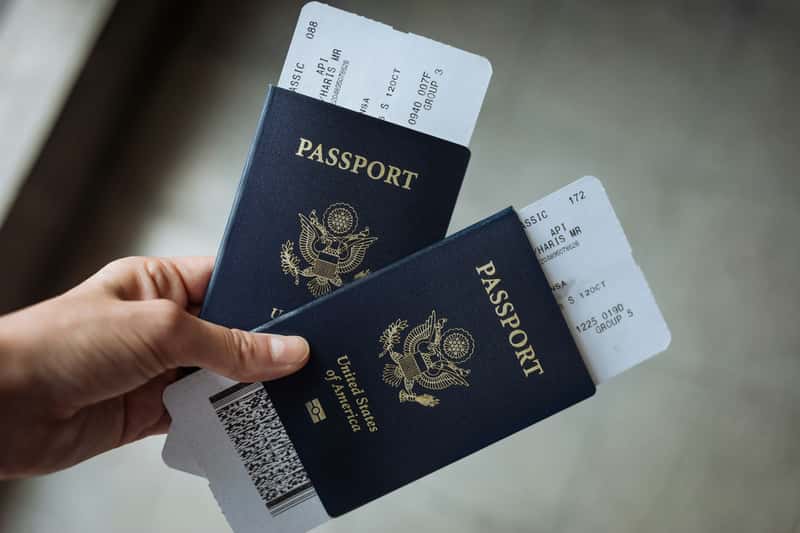
A passport rarely gets a second thought until the moment it decides whether you breeze through an airport or spend weeks filling out visa paperwork. Behind that small booklet sits a quiet ranking system, built on decades of diplomatic negotiation, that determines just how far a person can travel on a whim. The 2026 Henley Passport Index, marking its twentieth year of tracking this exact question, offers the clearest picture yet of who holds the keys to global mobility and who is left waiting at the consulate.
1. Singapore: The reigning champion of global mobility

Singapore has held the top spot for three years running, and the 2026 rankings confirm it once again. Singapore’s passport tops the 2026 Henley Passport Index for the third consecutive year, granting visa-free access to 192 destinations. That single number puts the city-state ahead of every other nation on earth in terms of raw travel freedom.
What makes Singapore’s position notable is not just the score but the country behind it. The city-state operates a territorial tax system with no capital gains tax, no inheritance tax, and a top personal income rate of 22%, and it ranks among the world’s safest countries, scoring consistently at the top of global indices for rule of law and economic freedom. There is a catch worth knowing, though: Singapore prohibits dual citizenship entirely, meaning accepting another country’s passport means losing the Singaporean one.
2. Japan and South Korea: Asia’s shared second place

Sitting just behind Singapore is a tie between two East Asian powerhouses. Japan and South Korea are tied for the second-best passports in the world in 2026, with holders able to visit 188 countries without a visa. Both nations have spent the better part of two decades cultivating this position through steady diplomacy and economic influence.
Japan in particular has a long history near the summit of these rankings. Asian countries like Japan, Singapore, and South Korea began climbing up the ranks in the 2010s as they strengthened their economies and entered strategic bilateral agreements, and by the late 2010s, Japan had occupied the number one spot on the index multiple times. South Korea’s rise has followed a similar trajectory, benefiting from expanding trade ties and a reputation for stability that reassures border officials worldwide.
3. The five-nation European tier: Denmark, Luxembourg, Spain, Sweden, and Switzerland
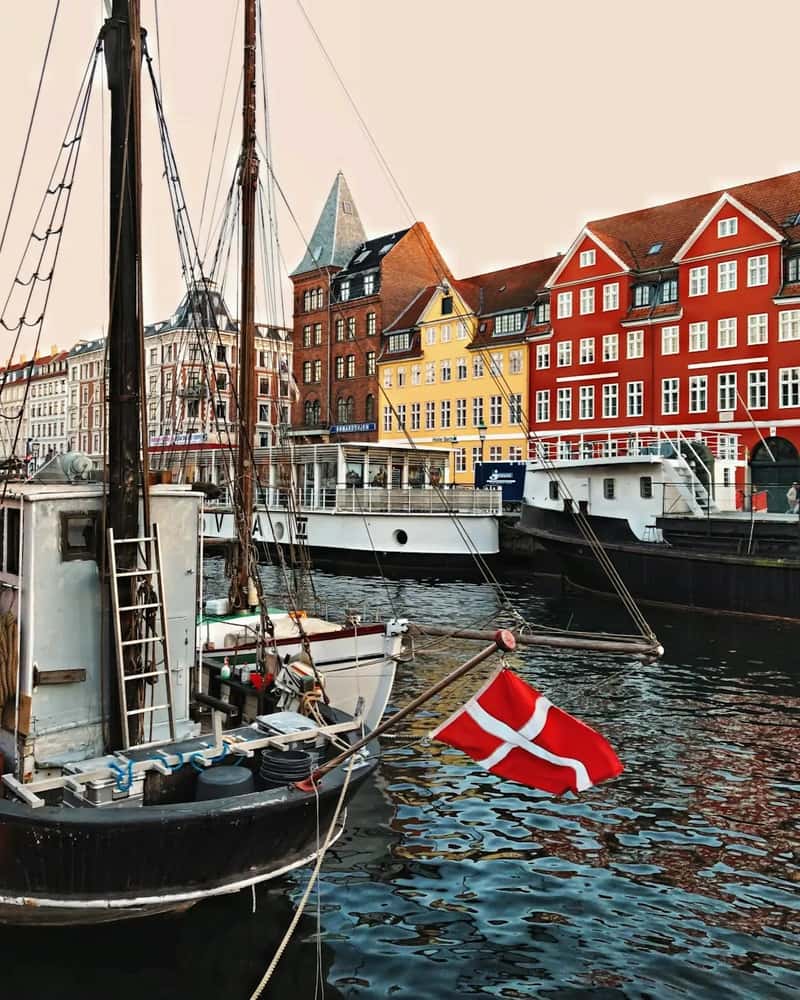
Third place belongs to a cluster of five European countries that each offer remarkably similar levels of access. Henley counts multiple countries with the same score as a single spot in its standings, so five European countries share the No. 3 slot: Denmark, Luxembourg, Spain, Sweden and Switzerland, all with visa-free access to 186 countries and territories. It is a tight grouping that reflects just how closely matched Western European diplomatic networks have become.
Sweden’s inclusion here is particularly consistent across different Henley updates throughout 2026, with the country appearing at or near third place in nearly every quarterly release. Switzerland and Luxembourg, both small but wealthy nations, have long punched above their weight in these rankings thanks to dense networks of bilateral visa waiver agreements built over generations.
4. Ten-country cluster at fourth place
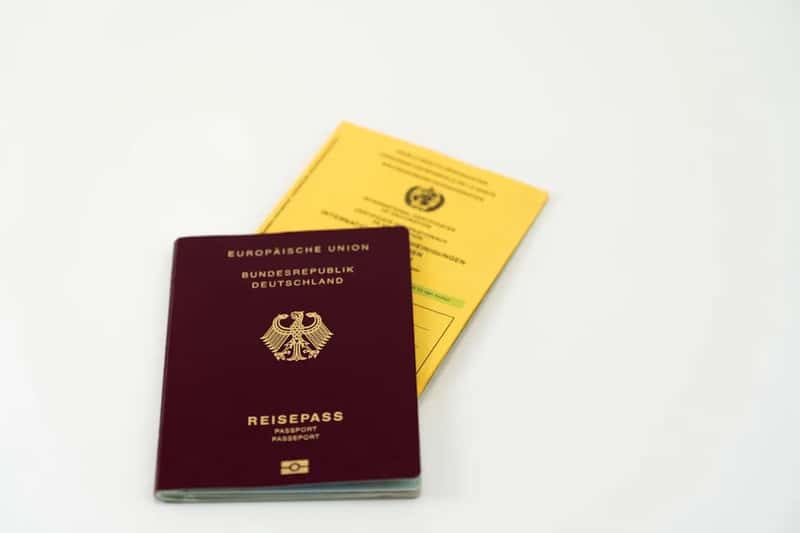
Fourth place is where the European dominance becomes most visible, with a full ten countries sharing the same score. Austria, Belgium, Finland, France, Germany, Greece, Ireland, Italy, the Netherlands, and Norway all allow passport holders to visit 185 countries without visas. That is an enormous bloc of nations clustered at nearly identical mobility levels.
This tier illustrates something important about how the European Union and its neighbors operate diplomatically. Even though these are ten separate sovereign states with distinct foreign policies, decades of coordinated visa liberalization through the EU and Schengen framework have pulled them into near lockstep on the world stage. It is one of the clearest examples of regional cooperation translating directly into individual travel freedom.
5. Hungary, Portugal, Slovakia, Slovenia, and the UAE share fifth
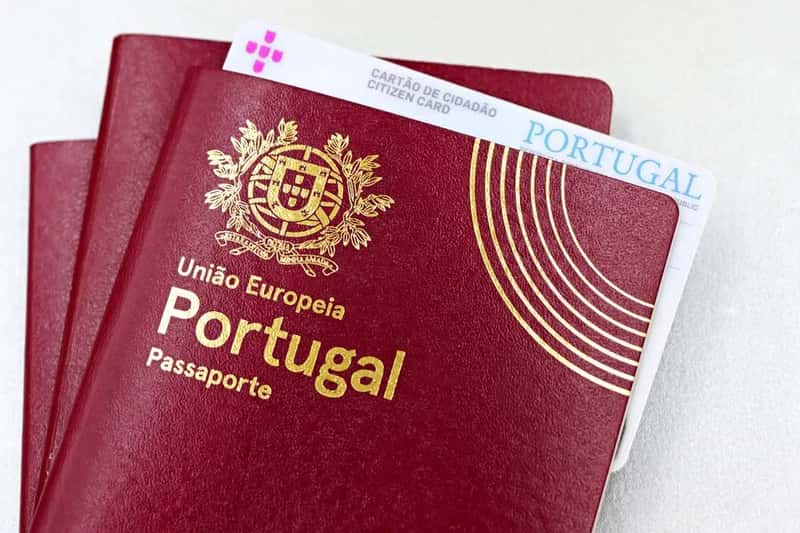
Fifth place brings together an unusual mix of Central European nations and a Gulf state on the rise. Hungary, Portugal, Slovakia, Slovenia, and the United Arab Emirates share fifth place, with travelers able to visit 184 countries without a visa in 2026. The presence of the UAE here is the headline story of this tier.
Few passports have moved as fast as the Emirati one. The UAE is the country with the strongest performance in the 20-year history of the Henley Passport Index, adding 149 visa-free destinations since 2006 and climbing 57 places up the rankings. Some later 2026 updates even placed the UAE tied for second alongside Japan and South Korea, showing just how quickly its position continues to shift throughout the year.
6. Croatia, Czechia, Estonia, Malta, New Zealand, and Poland at sixth
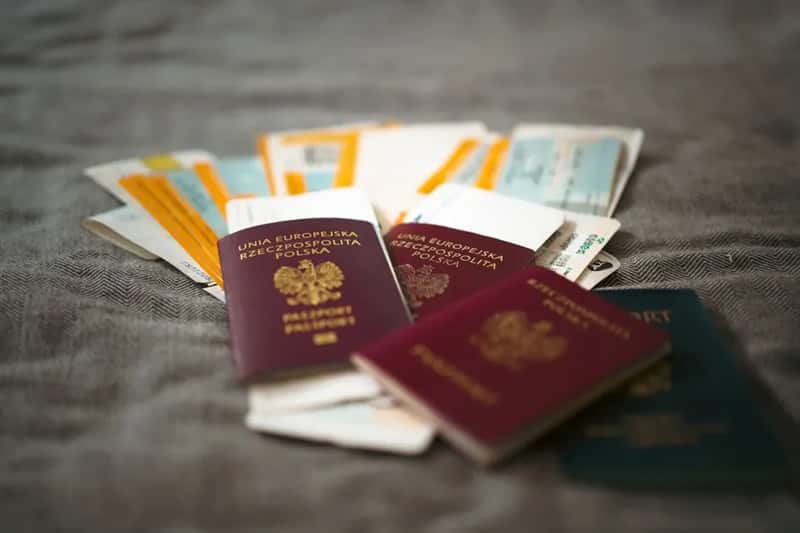
Sixth place gathers a diverse set of nations spanning three continents. Croatia, Czechia, Estonia, Malta, New Zealand, and Poland all allow holders to visit 183 countries without a visa. It is a reminder that passport strength is not confined to Western Europe alone.
New Zealand’s presence in this group stands out given its geographic distance from the traditional centers of diplomatic power. The Baltic and Central European nations here, meanwhile, have benefited enormously from EU membership, which effectively grants them the same visa waiver agreements negotiated collectively for all member states.
7. Australia, Latvia, Liechtenstein, and the United Kingdom tie for seventh
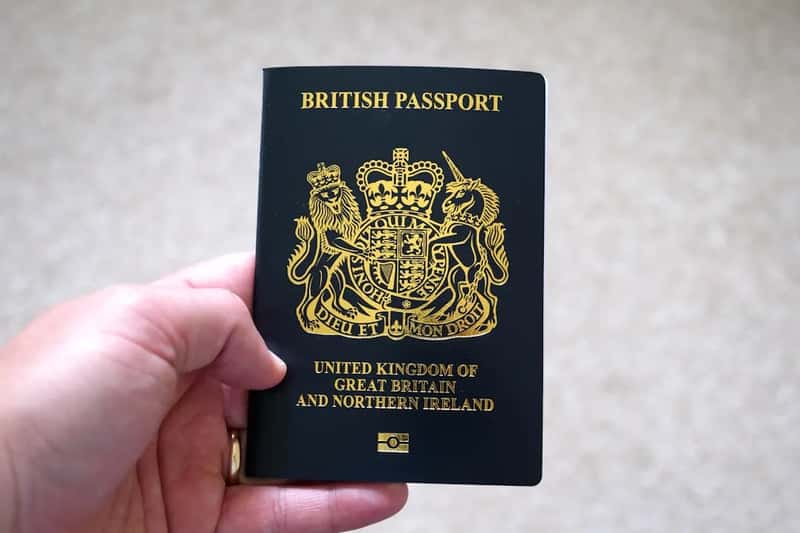
Seventh place includes one of the more surprising entries on this list. Travelers can visit 182 countries without visas in 2026 with a passport from Australia, Latvia, Liechtenstein, or the United Kingdom. The UK’s position here reflects a longer story of decline rather than stability.
Britain once sat at the very top of these rankings. The US and UK jointly held the first rank as the most powerful passports in 2014, while the UK ranked number one in 2015, though both countries have consistently fallen down the ranks since then. The UK’s slide has been particularly steep in the past year, losing more ground than almost any other nation tracked by the index.
8. Canada, Iceland, and Lithuania share eighth place

Eighth place is held by a trio of nations that rarely make headlines for their passport power but consistently perform well. Travelers can visit 181 countries without a visa in 2026 if they have a passport from Canada, Iceland, or Lithuania. Canada’s inclusion here is worth a closer look given how it stacks up against its southern neighbor.
Beyond the raw visa-free number, Canada offers structural advantages that many travelers overlook. Canada allows dual citizenship without restriction and does not impose citizenship-based taxation, meaning citizens can stop filing Canadian returns once they establish non-residency, which stands in stark contrast to the United States, which taxes its citizens on worldwide income regardless of where they live. Iceland and Lithuania, though far smaller, benefit from the same EU-adjacent visa networks that lift so many European nations into the upper tiers.
9. Malaysia holds steady at ninth

Malaysia occupies a solo spot at ninth place, a position it has defended for several consecutive rankings. Holders of a Malaysian passport can visit 180 countries without a visa in 2026. It is the highest-ranked passport from Southeast Asia and a rare non-European, non-Gulf nation to crack the global top ten on its own.
Malaysia’s climb has been steady rather than dramatic, built on expanding trade relationships across Asia, the Middle East, and increasingly Latin America. The country’s diplomatic strategy over the past decade has focused heavily on reciprocal visa waiver agreements, a slower but more durable path to passport strength than sudden geopolitical shifts.
10. The United States rounds out the top ten
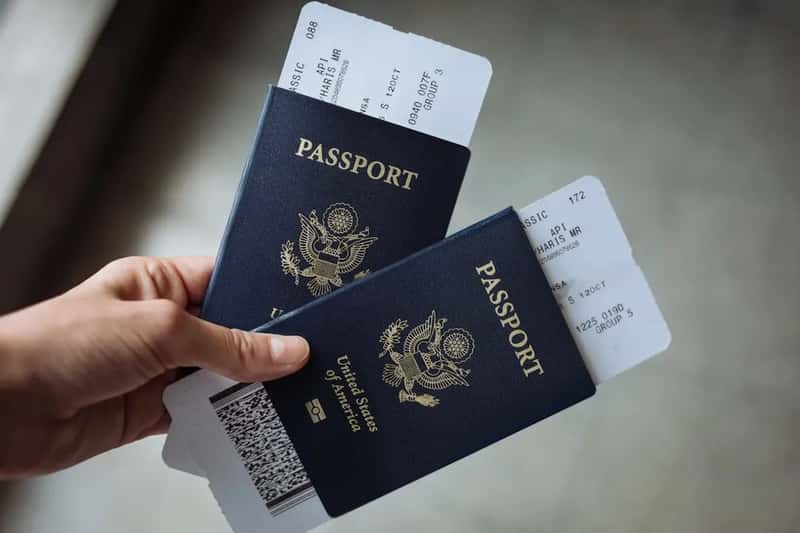
The United States sits at tenth place, a position that tells a more complicated story than the raw number suggests. The US passport can access 179 countries and ranks 10th worldwide, allowing holders to travel without obtaining a prior visa using data from the International Air Transport Association. Returning to the top ten was not quite the recovery it might appear to be.
The longer trend line is unflattering for Washington. While the United States has re-entered the top ten after briefly falling out in late 2025, the return masks a longer-term downward trend, with both the U.S. and the U.K. recording their steepest single-year declines in visa-free access in 2025, and the United States falling from 4th to 10th over two decades, the third-largest drop of any country. A separate Henley metric adds another layer to this story: while U.S. passport holders can travel visa-free to 179 destinations, the United States only allows 46 nationalities to enter visa-free, placing it 78th on the Henley Openness Index.
11. Monaco claims eleventh place

Monaco, the tiny principality on the French Riviera, holds its own solo position at eleventh in the global rankings. According to recent Henley data compiled across multiple tracking sources, Monaco’s passport provides visa-free access to 177 destinations, placing it just outside the crowded upper tiers dominated by larger nations.
Monaco’s strength is somewhat unusual given its size, a reminder that passport power does not always correlate with population or landmass. Its close ties to France and the broader European diplomatic network have allowed this microstate to punch well above its weight, securing a ranking that many far larger countries would envy.
12. Chile leads Latin America at twelfth

Chile has quietly become the standout passport of Latin America, sitting at twelfth place globally. Chile ranks 13th globally and is the only Latin American country in the U.S. Visa Waiver Program, with a score of 175 destinations. Different index updates throughout 2026 have placed Chile between twelfth and thirteenth depending on the month, but the country consistently leads its region by a comfortable margin.
Chile’s position reflects decades of stable governance and a foreign policy focused on trade openness rather than isolation. It stands well ahead of regional neighbors like Argentina and Brazil, which typically sit several places lower despite their larger economies and populations.
13. Cyprus secures a place at thirteenth

Cyprus, an EU member state in the eastern Mediterranean, ranks thirteenth on the current index with a score of 174 visa-free destinations according to recent tracking data. Its EU membership grants it the same broad Schengen and international access enjoyed by larger European nations, despite its comparatively small size and population.
The island’s ranking has remained fairly stable in recent years, a contrast to some of the sharper swings seen elsewhere on this list. Cyprus benefits from its strategic position bridging Europe, the Middle East, and North Africa, which has translated into steady diplomatic relationships across all three regions.
14. Andorra and Hong Kong round out the list at fourteenth

Closing out this ranking is a tie between Andorra, the small principality nestled in the Pyrenees, and Hong Kong, the special administrative region of China. Recent index data places both at fourteenth position with 171 visa-free destinations each, an interesting pairing given how geographically and politically different the two are.
Andorra’s inclusion follows the same pattern seen with Monaco and San Marino, small European microstates that ride the coattails of their larger neighbors’ diplomatic networks. Hong Kong’s position, meanwhile, reflects its distinct visa arrangements separate from mainland China, a legacy of its unique administrative status that continues to grant its residents travel freedoms not extended to citizens of the broader country.
These fourteen entries capture a ranking system built on 227 tracked destinations and updated repeatedly throughout the year as diplomatic agreements shift. The gap between the top and bottom of the full global index remains stark, with Afghanistan’s passport granting access to only a fraction of the destinations available to Singaporean travelers. What stands out most in the 2026 data is not just who sits at the very top but how tightly bunched the next several tiers have become, with European nations continuing to dominate the middle and upper rankings while a handful of Asian, Gulf, and Latin American passports carve out their own space near the summit.