Your passport says more about your freedom than you might think. It’s not just a travel document. It determines which borders swing open effortlessly and which slam shut, demanding paperwork, fees, and weeks of waiting. A passport is not just a travel document; it carries the weight of a country’s political, economic, and diplomatic might.
In a world where mobility equals opportunity, some passports unlock nearly every corner of the globe while others barely crack open a dozen doors. The rankings shift each year based on diplomatic agreements, political stability, and international trust. Let’s be real, where you were born still dictates how freely you can move around this planet. Here’s what you need to know about the six passports dominating global travel freedom in 2026.
Singapore: The Undisputed Champion
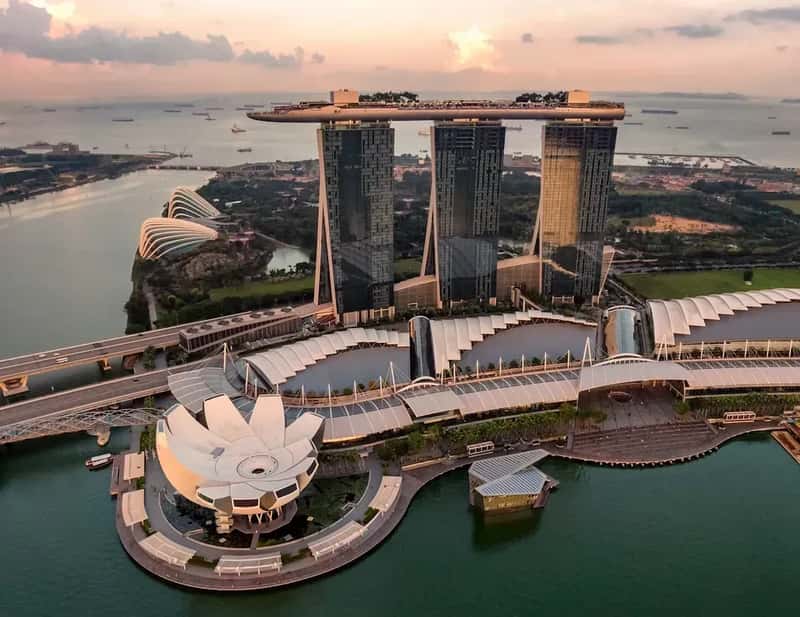
Singapore retained its place as the world’s most powerful passport, granting its holders visa-free access to 193 destinations out of 227. This tiny island nation has consistently outperformed larger, wealthier countries through strategic diplomacy and rock-solid political stability. With visa-free access to an astonishing 195 destinations, Singapore stands as a beacon of global mobility.
According to the Henley Passport Index, which uses data from the International Air Transport Association, Singapore broke away from a six-way tie it shared in 2024 with Japan, Germany, Italy, Spain, and France. The country’s rise reflects decades of careful foreign policy and its role as a major financial hub in Asia. Honestly, it’s hard to think of another passport that opens more doors worldwide than Singapore’s burgundy booklet.
Japan and South Korea: Asia’s Travel Titans

It is followed closely by Japan and South Korea in second place, each granting its citizens visa-free entry to 190 destinations. These two economic powerhouses have steadily climbed the rankings over the past decade, reflecting Asia’s growing diplomatic influence. Asian countries like Japan and Singapore have dominated the top position in the Index for the last five years.
Japan once held the top spot solo multiple times before Singapore’s recent dominance. South Korea’s passport strength comes from strategic alliances across Europe, the Americas, and Asia. Both countries benefit from strong economies, low corruption, and governments that other nations trust. Think about it: these passports grant access to nearly every country on Earth, from remote Pacific islands to European capitals, all without a single visa application.
European Powerhouses Holding Strong
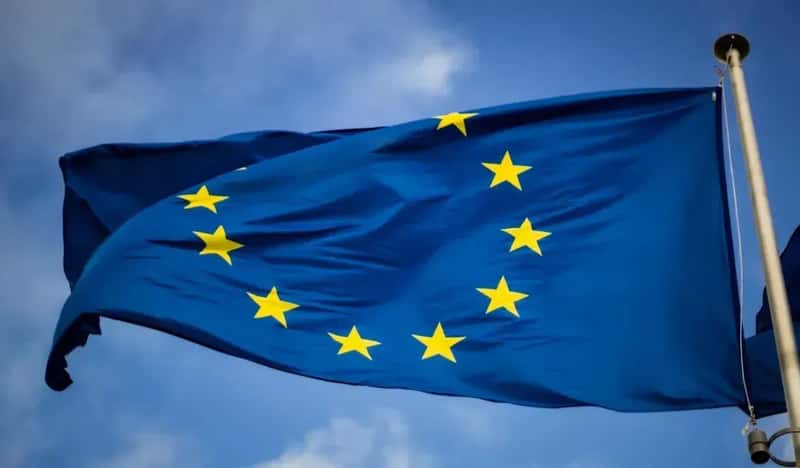
Seven EU countries tie in the 3rd place – Denmark, Finland, France, Germany, Ireland, Italy, Spain – with 189 visa-free destinations. Europe continues to dominate the upper tiers of passport rankings, though its lead has narrowed as Asian nations surge ahead. Another seven EU passports share 4th place – Austria, Belgium, Luxembourg, Netherlands, Norway, Portugal, Sweden – with 188 destinations.
The European Union’s collective bargaining power and long-standing diplomatic relationships keep these passports valuable. However, it’s worth noting that traditional Western powers like the UK and US have been sliding down the rankings. The U.K. passport, which once topped the list in 2015, now ranks 8th, it’s lowest-ever position underscoring the rapid pace of global change. The shift shows how global power dynamics are changing, with cooperation and openness now mattering more than historical dominance.
United Arab Emirates: The Meteoric Rise
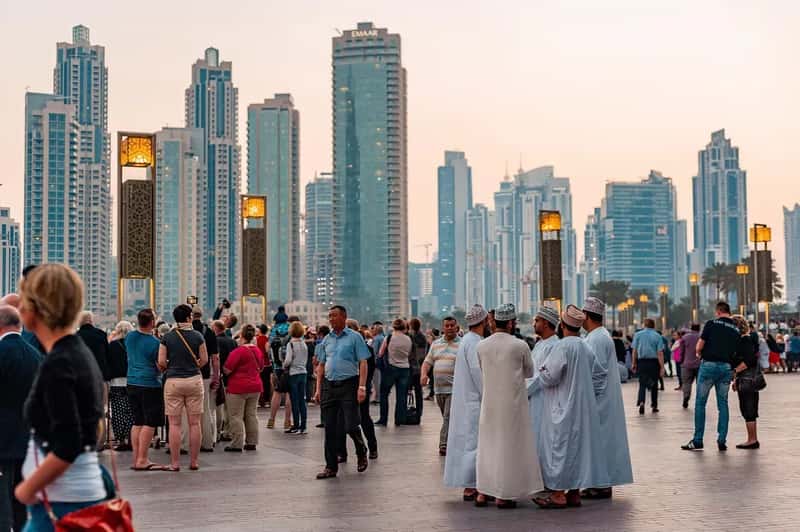
The UAE’s passport journey is nothing short of remarkable. UAE made the most aggressive climb, moving 32 places from 42nd in 2015 to the top 15 by 2024 and eighth by 2025. According to visaindex.com, The United Arab Emirates (UAE) has a global ranking of 10th in 2026, making it one of the strongest passports in the world and one of the best passports to have for international travel.
This dramatic improvement reflects the UAE’s aggressive diplomatic strategy and massive investments in foreign relations. The country has systematically negotiated visa-free agreements while positioning itself as a safe, stable business hub. It’s hard to find another example of a passport that’s climbed so far, so fast. The UAE proves that determined foreign policy can reshape travel freedom within a single generation.
Switzerland and New Zealand: The Stability Factor

New Zealand shares 5th place with Greece and Switzerland. These nations demonstrate that consistent governance, strong international relationships, and political neutrality create lasting passport power. Switzerland’s legendary neutrality and banking sector give it global credibility, while New Zealand’s reputation for transparency and natural beauty makes it a trusted partner worldwide.
Both countries offer their citizens access to roughly 187 destinations without prior visa arrangements. What sets them apart isn’t just numbers but consistency. These passports have remained strong for decades, weathering global crises and political upheavals while maintaining their value. Their citizens enjoy reliable travel freedom that doesn’t fluctuate wildly with changing political winds.
The United States: Falling from Grace
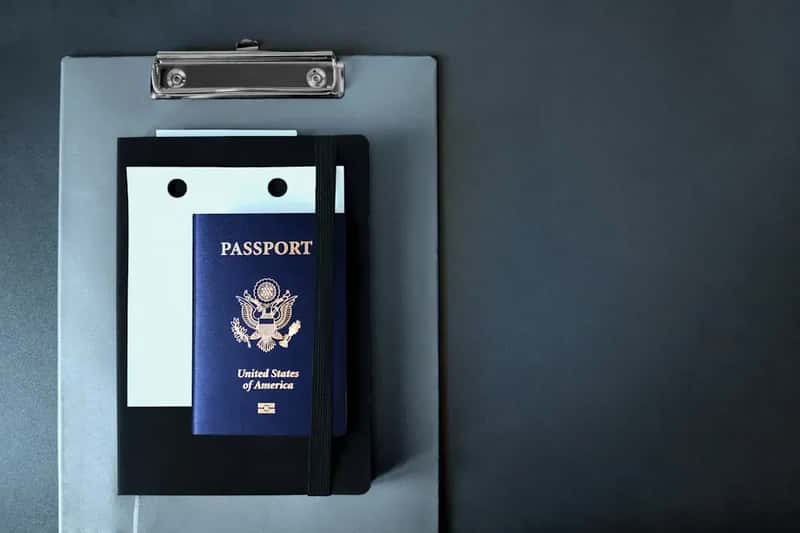
Here’s the shocker: For the first time since the Henley Passport Index was created 20 years ago, the United States is no longer ranked amongst the world’s Top 10 most powerful passports. Once unrivalled at No.1 in 2014, the American passport has now slumped to 12th place, tied with Malaysia, with visa-free access to only 180 of 227 destinations worldwide.
The decline reflects more than just lost agreements. The report cites Trump’s suspension of visa issuance to travelers from 12 nations in Africa, the Middle East and Southeast Asia, his imposing “heavy restrictions on an additional seven” and threats to ban up to 36 more, among other factors. When countries implement restrictive immigration policies, other nations often respond in kind. Brazil and China removed visa-free access for Americans due to lack of reciprocity.
The decline in US passport power is fueling an unprecedented surge in demand for alternative residence and citizenship options. Henley & Partners data shows that Americans have become by far the largest group of applicants for investment migration programs in 2025. By the end of Q3, applications from US nationals were already 67% higher than the total for 2024, which itself recorded a 60% year-on-year increase. Wealthy Americans are hedging their bets, acquiring second passports as insurance against further decline.
What This All Means for Global Mobility
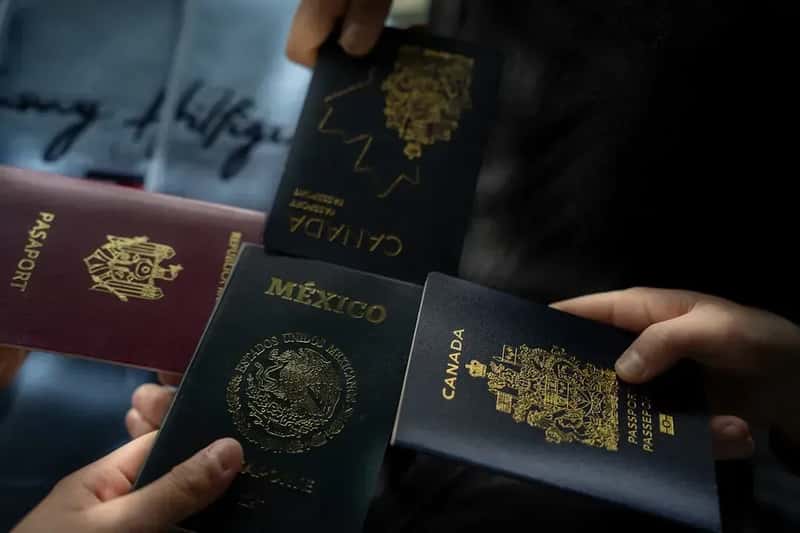
Passport power rankings reveal fundamental truths about international relations and soft power. Countries that invest in diplomacy, maintain political stability, and embrace openness consistently outperform those relying on historical privilege. “Nations that embrace openness and cooperation are surging ahead, while those resting on past privilege are being left behind.”
The gap between the strongest and weakest passports has never been wider. The gap between the strongest and weakest passports on the list is the largest in the index’s 19-year history, according to Henley & Partners. Singaporeans can visit 169 more places than Afghans can without needing a visa, it states. This disparity reflects deeper global inequalities in wealth, security, and diplomatic influence.
For travelers, these rankings matter practically. A powerful passport saves time, money, and frustration. It opens doors for business, education, and personal exploration. For nations, passport strength has become a measure of international standing and diplomatic success. The rankings will continue shifting as countries renegotiate agreements, strengthen alliances, or retreat into isolationism. One thing’s certain though: in 2026, not all passports are created equal, and the document in your pocket says more about your global freedom than ever before. What do you think drives these massive differences in travel freedom?