You picture the pilot leaning back in the cockpit, sipping coffee, waiting for someone to give the all-clear. That image is almost completely fictional.
Behind that locked door, a legally-timed, high-stakes chain of decisions is running the second the delay starts – one that decides whether your flight leaves at all. Federal clocks, cascading mechanical dominoes, and rules strict enough that a two-hour morning hiccup can erase your evening flight are all in play, and pilots rarely get to explain any of it over the PA.
#8 – The Delay Is Almost Never What They Tell You
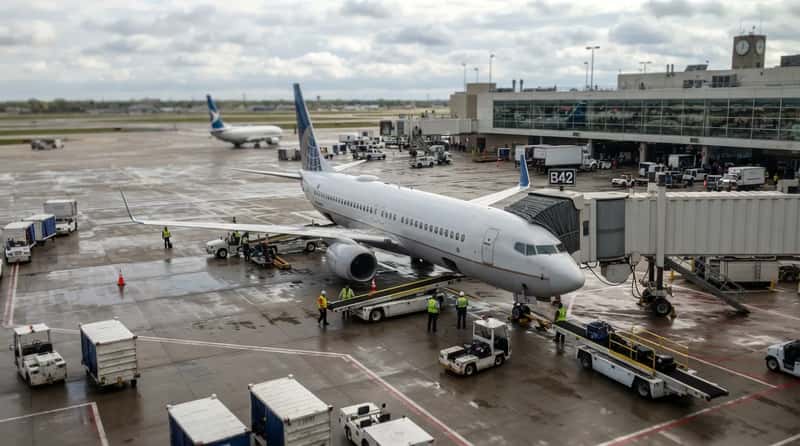
Most announcements say “weather” or “a late-incoming aircraft.” Those two phrases cover an enormous amount of ground, and not always in the way you’d expect.
From 2010 to 2019, aircraft arriving late was the single most common reason for a delayed arrival, hovering around 40 percent of all cases. That means nearly half of all delays start with someone else’s problem, in a different city, hours earlier.
Your plane is late because another plane was late – a domino chain passengers rarely see. Weather and air traffic control issues beyond anyone’s control account for over 40% of U.S. delays on their own.
Add in mechanical issues and crew limits, and the number of delays that are genuinely no one’s “fault” is striking. The vague gate announcement isn’t evasion – it’s often three small problems colliding at once, with no single clean cause to name.
Fast Facts
- Late-arriving aircraft: the top delay cause, near 40% of cases from 2010-2019
- Weather and ATC combined: over 40% of delays nationwide
- Mechanical issues and crew limits fill in most of the remainder
- Genuine “no fault” delays are common, not the exception
But that’s nothing compared to what we found about #7 – the clock pilots are watching from the second they walk in the door.
#7 – Pilots Are Racing a Legal Clock You Can’t See
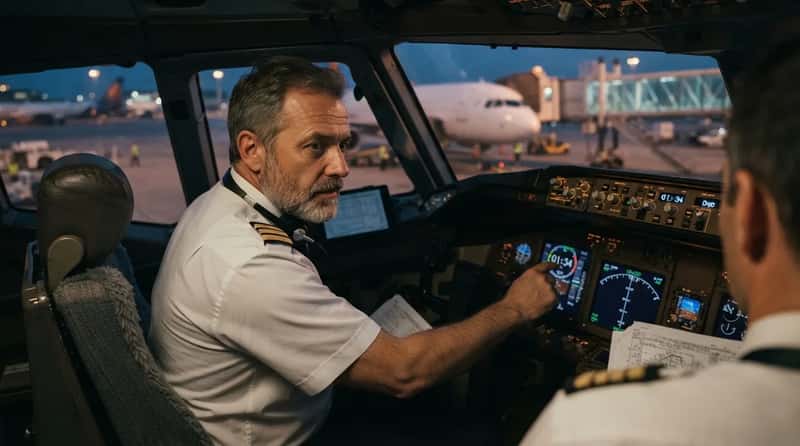
Here’s the part almost no passenger understands: the moment a pilot reports for duty, a federal timer starts, and it cannot be paused.
Duty time starts at report, not at takeoff. A pilot who checks in at 6 AM for a 7 AM departure has a 14-hour limit expiring at 8 PM – no matter how many flights are still left to fly.
Depending on the regulatory framework, maximum duty periods run from 10 to 14 hours, with stricter limits at night and on multi-leg days. Once that ceiling hits, the crew legally cannot fly. Full stop.
This is why a two-hour morning delay can silently kill your evening connection. It cascades through every leg of the day until the crew runs out of legal duty time on the last flight, forcing a cancellation nobody saw coming that morning.
The pilot isn’t announcing any of this. They’re quietly doing math in the cockpit, hoping every connection stays on schedule so they don’t hit the wall before the final leg.
But that’s nothing compared to what we found about #6 – what’s actually happening on the flight deck during those long tarmac sits.
#6 – The Cockpit Is Busier Than the Gate Agent’s Desk
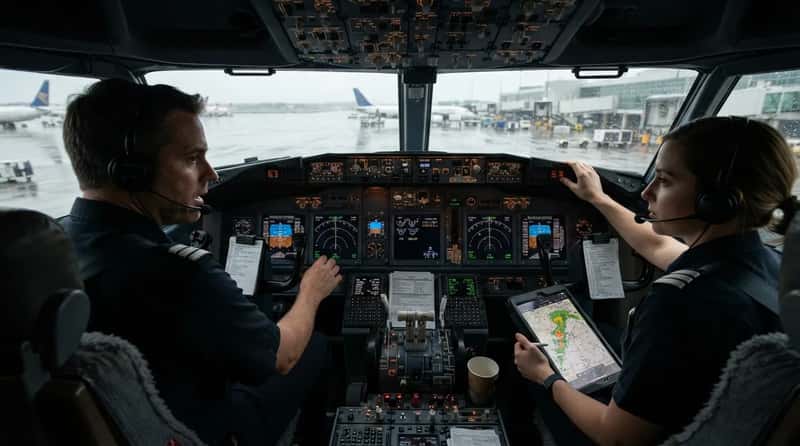
You’re staring at the seat-back screen, debating whether to bother with the pretzels. The pilots are doing something very different.
They’re in constant contact with ATC, getting updates on the delay’s cause – weather, mechanical, or congestion. Every update changes what has to happen next.
Pilots revise flight plans for changing weather or traffic, recalculate fuel for possible rerouting or holding patterns, and re-verify every cockpit instrument. A revised flight plan isn’t paperwork – it can change the entire route, altitude, and fuel burn of your flight.
If the original path is closed by weather, a new clearance has to be coordinated and re-filed from scratch. Even once autopilot is engaged, pilots keep full authority and keep monitoring every system.
The quiet cockpit you imagine isn’t quiet at all – it’s a room full of active problem-solving. But that’s nothing compared to what we found about #5, the rule that literally saved lives and still causes some of the worst delays you’ve experienced.
#5 – The Fatigue Rules Exist Because People Died
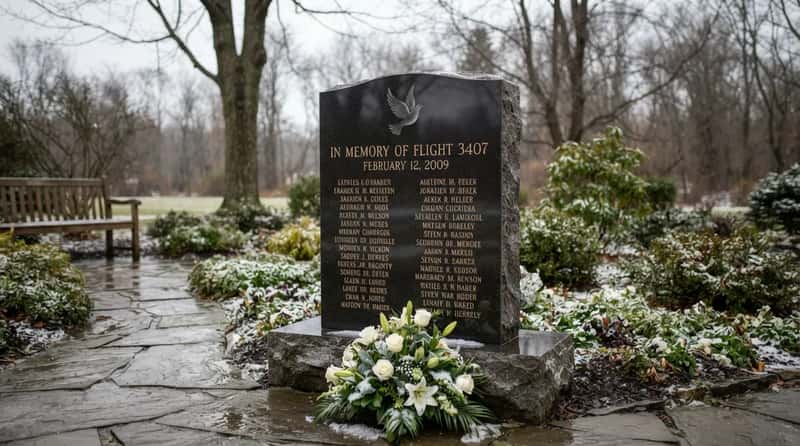
This is where the story gets uncomfortable. A crew swap and a four-hour wait for replacement pilots isn’t bureaucratic laziness – it’s the direct legacy of a crash.
Colgan Air Flight 3407 crashed on approach to Buffalo in February 2009, killing all 49 on board plus one person on the ground. The NTSB found pilot fatigue was a contributing factor – both pilots had commuted long distances before duty and neither had gotten adequate rest.
Fatigue is a hazard because it can lead to errors that jeopardize safety.
National Transportation Safety Board
The crash led to the FAA’s Part 117 rules, science-based limits built around circadian rhythms, time of day, number of sectors, and cumulative fatigue. The rules now require a minimum 10-hour rest period before a duty period – not optional, not negotiable.
A crew that finishes duty at midnight cannot legally fly again until at least 10 AM. That may mean cancelling the very first flight of the next day too.
The overnight strand you’re furious about? It’s almost certainly those rest rules doing exactly what they were built to do. But that’s nothing compared to what we found about #4 – the tarmac situation that’s gotten dramatically worse.
#4 – Tarmac Delays Have Surged, and the Numbers Are Alarming
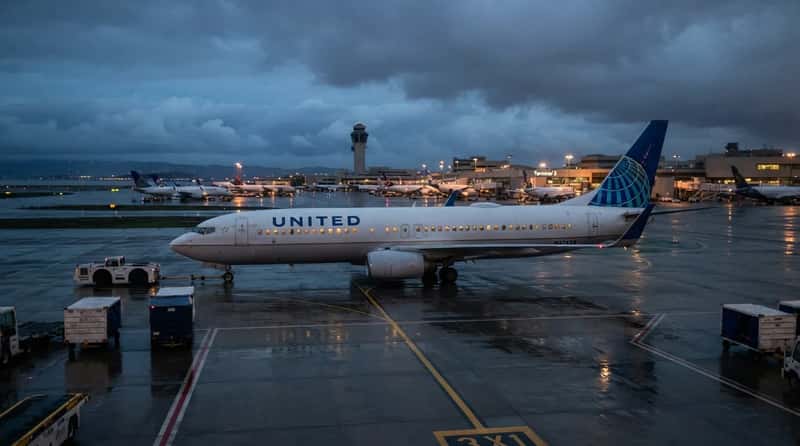
If you think long tarmac waits are rare, the federal data disagrees. 2024 was a particularly rough year.
Airlines reported 437 tarmac delays of more than three hours on domestic flights in 2024. In 2023, that number was just 289 – a 51% jump in a single year.
December 2024 alone saw 46 tarmac delays over three hours, compared to just eight in November. Weather, ATC congestion, and late-cascading aircraft all played a role.
Quick Compare
- 2023 total: 289 tarmac delays over 3 hours
- 2024 total: 437 tarmac delays over 3 hours – up 51%
- November 2024: 8 delays over 3 hours
- December 2024: 46 delays over 3 hours – nearly six times the prior month
San Francisco International topped the delay list with 29.50% of flights delayed, while Newark Liberty had the highest cancellation rate at 2.63%. Route through either one and your odds of a serious delay jump above the national average.
During a long tarmac sit, pilots are constantly reassessing: Is fuel still sufficient? Has the weather window moved? Does the crew still have enough duty time left once they finally push back?
But that’s nothing compared to what we found about #3 – the thing passengers almost never realize they’re doing to make it worse.
#3 – Passengers Make Long Delays More Dangerous Than They Need to Be
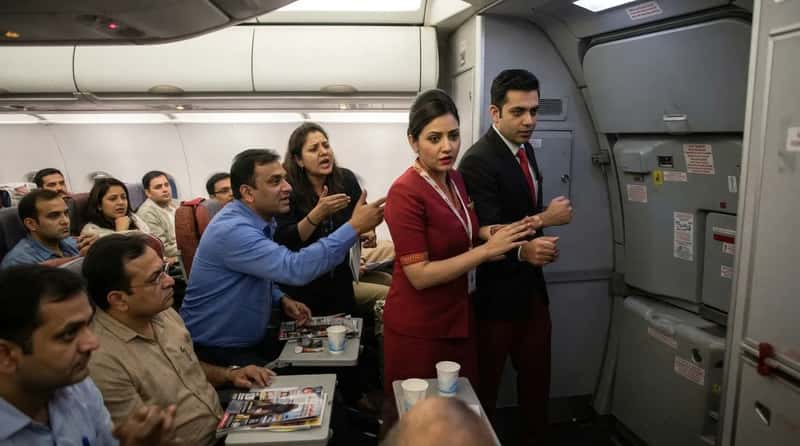
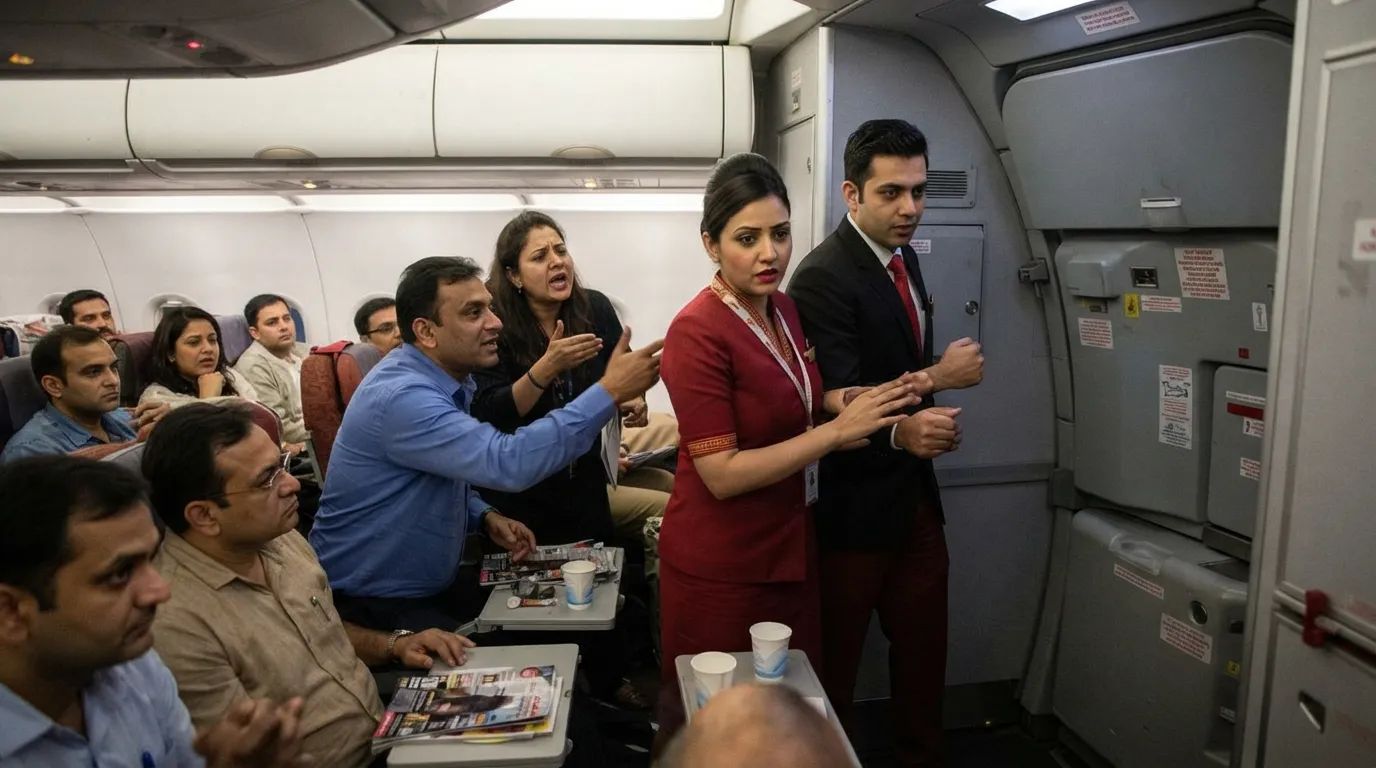
Most travelers think cabin crew during a delay are just gatekeepers standing between them and information. Some travelers have actually tried to physically force their way toward the cockpit.
A group of passengers on an Air India flight reportedly grew unruly after learning their already-boarded flight was delayed. They allegedly banged on the cockpit door, mistreated flight staff, and tried to taunt the pilot into coming out.
That flight from Delhi to Mumbai ended up delayed a total of eight hours. A locked cockpit door isn’t a sign of hiding – it’s a federal security requirement, and trying to breach it is a criminal offence.
Every minute cabin crew spend managing a disruptive passenger is a minute pulled away from safety briefings and coordination with ground staff. The delay you’re angry about gets longer, not shorter, because of the person two rows over.
Pilots are also required to flag serious behavior incidents in post-flight reports, which can mean law enforcement waiting at the gate on arrival. The one person who screamed at a flight attendant is also the reason everyone else deplanes into a police presence.
But that’s nothing compared to what we found about #2 – the hidden chain reaction that multiplies your delay.
#2 – One Morning Delay Can Ruin Six Flights That Day
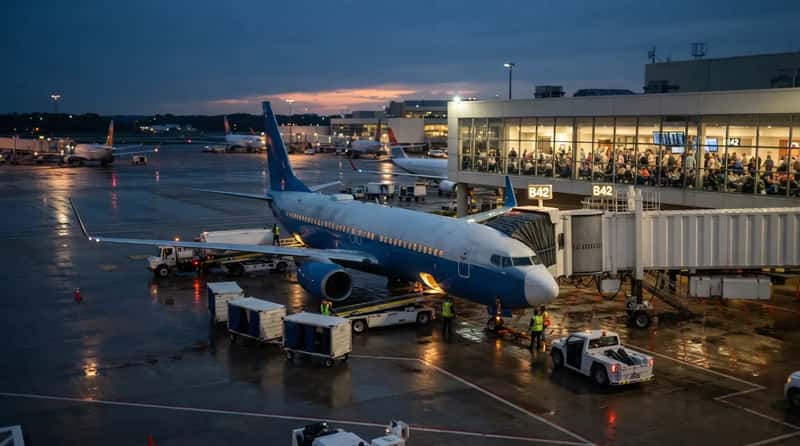
Most passengers think a delay affects one flight. The system works nothing like that.
“Aircraft arriving late” means the previous flight using that same plane arrived late, so the current one departs late too – a silent multiplier. A single narrow-body aircraft can fly four or five segments in a day.
If it leaves base 90 minutes late for a mechanical check, every leg it flies afterward is already compromised. By the last flight of the evening, that original 90-minute delay can become a full cancellation.
The crew may have legally expired their duty window by then. A replacement crew often isn’t available on short notice, especially late at night.
FAA rules define an “unforeseen operational circumstance” as an unplanned event too sudden to allow schedule adjustments – unforecast weather, equipment failure, unexpected ATC delay. Airlines get some flexibility under that definition, but the crew’s duty clock keeps ticking regardless of the paperwork.
But that’s nothing compared to what we found about #1 – the most counterintuitive truth pilots want every passenger to understand.
#1 – The Delay Might Literally Be Saving Your Life
This is the one thing pilots say passengers most need to hear, and almost none of them ever do. It sounds like corporate spin. It isn’t.
Aviation runs on one uncompromising rule: safety first, schedule second. That hierarchy drives everything from a routine pre-flight check to an emergency diversion that strands hundreds of people far from home.
A pilot who chooses not to fly is using the most powerful safety tool they have. No flight crew member may legally accept a duty assignment if they’ve reported too fatigued to perform safely – that’s an obligation, not a preference.
The science backs it up: after 13 to 16 hours of wakefulness, human cognitive performance measurably declines. A fatigued pilot is a quantifiable risk, and the rules grounding them are calibrated to that science, not airline convenience.
Worth Knowing
- After 13-16 hours awake, cognitive performance measurably drops
- Fatigued pilots are legally barred from accepting a duty assignment
- Part 117 rest rules trace directly back to crash investigation findings
- A crew-rest cancellation is the safety system working exactly as designed
The flight that gets cancelled because a crew hit its duty limit isn’t a failure. It’s the system catching a potential accident before it happens, silently, without fanfare, and almost always without you ever knowing what was actually at stake.
The Bottom Line
Most flight delays aren’t chaos – they’re a regulated, interconnected system doing exactly what it was built to do. Aircraft arriving late has historically driven around 40% of delays, meaning the real cause of your wait is almost always invisible to you.
Duty clocks start the moment crews report in. Fatigue rules were written in the aftermath of a fatal crash, and tarmac delays over three hours jumped 51% in 2024 versus 2023.
The cockpit during your delay isn’t quiet – it’s a room full of people calculating whether it’s still safe to take you where you’re going. Next time you’re stewing at the gate, the pilot is probably doing that same math.
Ever been on a flight where the real reason for the delay only came out afterward? Drop it in the comments.