Mexico remains one of the most visited countries on the planet, and 2026 has turned into an especially eventful year to go. Between shifting entry procedures, a patchwork of regional safety conditions, and the spotlight of a major international sporting event, there’s more to sort out than just picking a beach or a colonial town. Whether you’re headed to a resort in the Riviera Maya, a food crawl through Mexico City, or a stadium seat for a match, a little homework before you fly makes the trip smoother.
This guide pulls together the practical stuff: what documents you actually need, how safety advisories work state by state, how much things cost right now, and what’s changed this year that longtime visitors might not expect. None of it is meant to scare you off. Mexico is still welcoming tens of millions of travelers, and most trips go off without a hitch when you plan with accurate, current information.
The FMM Tourist Card Still Matters, Even If It Looks Different
Every foreign visitor entering Mexico needs an immigration permit known as the Forma Migratoria Múltiple, or FMM, whether or not it comes as a paper document. The FMM officially serves as a record of your entry into Mexico and is required for all non-Mexican citizens visiting for up to 180 days, though it is not a visa. Mexico is transitioning to digital processing, which has changed how the FMM is issued, especially for those arriving by air. In fact, at major airports including Cancun, Tulum, and Mexico City, the old paper tourist card has mostly disappeared, though the immigration permission itself still exists, just handled digitally now.
Land border crossings work differently, so don’t assume the digital shift applies everywhere. An FMM is required to travel anywhere in Mexico, including the border region, and it must be stamped at an INM office at the border to be valid. One detail that trips people up: the FMM allows a maximum stay of 180 days, but that number is not guaranteed, since the immigration officer at your point of entry decides how many days to grant, and there is no appeal process. Carrying proof of a return ticket, accommodation, and sufficient funds can help you get the number of days you actually need.
Passport Rules, Visa-Free Countries, and Fees
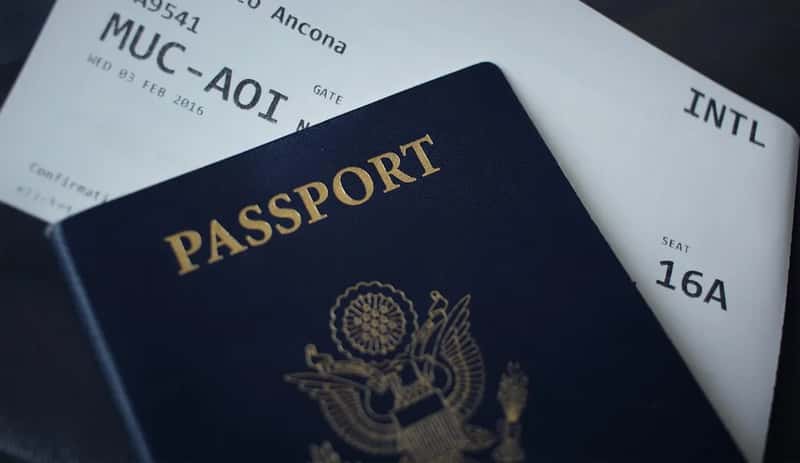
Passport validity trips up more travelers than almost anything else. All foreign citizens must hold a valid and eligible passport, and for all visitors, the passport must be valid for at least six months after the intended date of entry. On the visa side, most Western travelers won’t need to apply for anything extra in advance. Currently, only 69 countries enjoy visa-exempt status for Mexico, and all foreign nationals must be granted a Mexican visa before visiting unless they hold a passport from one of those visa-free countries or already have a valid visa for the Schengen area, Canada, Japan, the United Kingdom, or the United States.
There’s also a modest fee attached to the FMM itself. The FMM fee for 2026 is 983 Mexican pesos, or approximately 57 US dollars, set annually by the INM, and by air the fee is included in your airline ticket price, bundled into the taxes and fees line. Land travelers pay it separately, and for stays of seven days or less, the FMM is free. Overstaying isn’t a minor issue either. Overstay fines are calculated in multiples of the UMA, Mexico’s standardized measurement unit, ranging from 20 to 100 days of UMA depending on circumstances, which at the 2026 daily rate means fines can range from roughly 2,346 to 11,731 pesos, or about 120 to 590 US dollars.
Safety Advisories Are Regional, Not National
Mexico’s safety picture is genuinely uneven, and lumping the whole country into one label misses the point. The U.S. State Department has updated its Mexico travel advisory ahead of the 2026 FIFA World Cup, maintaining a Level 2 warning citing crime, terrorism and kidnapping concerns. What matters more for trip planning is that six states remain under a Level 4 “Do Not Travel” advisory, including Colima, Guerrero, Michoacán, Sinaloa, Tamaulipas and Zacatecas, while several additional states including Baja California, Chihuahua, Guanajuato and Jalisco are classified as Level 3, meaning Americans should reconsider travel.
The good news for most vacationers is that the classic tourist zones sit well below those higher-risk tiers. The country is unique in that the advisory is split state by state, with six states at Level 4 while popular tourist hubs like Yucatán and Campeche remain at Level 1. Mexico City, home to a huge share of visitors, isn’t grouped with the riskier states either. Mexico City itself is Level 2, not Level 3, and the advisory groups it with most of central Mexico, where petty theft and metro pickpocketing are the most commonly cited risks rather than cartel-related violence. Enrolling in a program like STEP before you go is a smart, low-effort step, since it allows the U.S. Embassy to provide security updates and contact travelers during emergencies.
Why 2026 Feels Different: The World Cup Effect

This summer’s tournament has turned an ordinary travel year into something much busier. Mexico is one of three host countries for the 2026 FIFA World Cup, with Guadalajara, Mexico City, and Monterrey serving as its three host cities, part of a 16-city tournament spanning the United States, Mexico, and Canada. The scale of the event is hard to overstate: it began on June 11 and will conclude on July 19, consisting of a total of 104 matches across the group and knockout stages. Mexico’s share of the action is significant on its own, with 13 World Cup 2026 matches hosted across the three cities, including the opening match and multiple knockout fixtures, with Mexico City carrying the broadest match mix.
If your travel dates overlap with the tournament’s final stretch, expect crowds, higher hotel prices, and extra security around match days. The advisory issued in late May applies to Mexico as one of three countries hosting the tournament, and it remains at Level 2, citing terrorism, crime and kidnapping concerns. Officials have been direct about what fans should do to stay safe, advising travelers to avoid traveling between cities after dark, use dispatched taxis or app-based ride services, avoid traveling alone in remote areas, and comply with security checkpoints. Even if you’re not going for a match, expect host cities to feel busier and more expensive through mid-July.
Money Matters: Currency, Exchange Rates, and ATMs
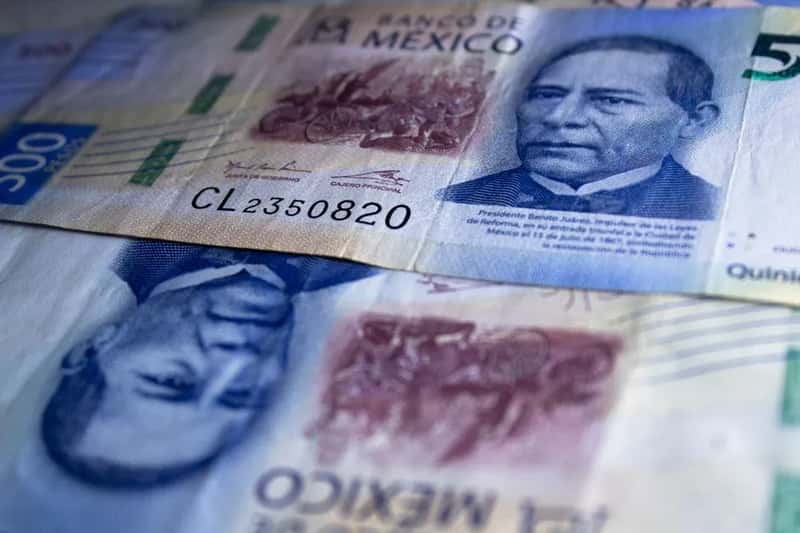
Mexico’s currency is the peso, and the exchange rate has stayed relatively predictable this year. The exchange rate has hovered in a fairly predictable band, running approximately 17 to 20 pesos per US dollar, with 17 to 19 pesos per dollar being the typical recent range. A simple mental shortcut works well on the ground: at roughly 18 pesos per dollar, 100 pesos works out to about 5.50 dollars, so dividing any peso price by 18 gives a rough dollar equivalent.
Where you actually withdraw cash makes a real difference to your wallet. Withdrawing pesos directly from Mexican bank ATMs using a debit or credit card gets you a wholesale exchange rate typically just 1 to 3 percent off the mid-market rate, while airport exchange kiosks offer the worst rates, with margins of 8 to 15 percent below the mid-market rate common at Cancún and Mexico City airports. It’s worth skipping the currency booth in the arrivals hall entirely and finding a bank-branded ATM once you’re settled instead.
The Quintana Roo Visitax: A Regional Fee Worth Budgeting For

If your itinerary includes Cancún, Playa del Carmen, Tulum, or Cozumel, there’s a local tourist tax to plan for that doesn’t show up on most hotel or flight receipts. The state government confirmed that the Visitax, the tourist tax introduced in 2021, will not increase in 2026, meaning visitors will continue paying the current rate of 285 pesos, and it applies exclusively to foreign tourists, with Mexican citizens and local residents exempt. That works out to approximately 15 US dollars per person, with the USD equivalent fluctuating with the exchange rate, typically between 14 and 17 dollars.
Payment is entirely digital now, and there’s no age exemption to rely on. As of 2026, VISITAX has no age exemption, meaning children and infants pay the same as adults. The smartest move is handling it before you head to the airport home. The payment process is entirely digital, and cutting it close can cause headaches at the airport, so the smartest approach is to handle it well before your flight home, since paying online in advance means you simply scan a QR code at the departure checkpoint. Stick to the official government portal, since knockoff sites have been known to overcharge or fail to deliver a valid code.
Local Laws That Catch Travelers Off Guard
A few legal quirks trip up visitors every year, and they’re worth knowing before you pack. Drug laws are strict and don’t bend for medical exceptions from home. Drug possession or importation, including medical marijuana, is illegal in Mexico and can lead to long jail sentences or fines, and this includes all forms of marijuana even for medical use with a permit from the United States. E-cigarettes are an even easier mistake to make, since many travelers simply forget they’re packed in a bag. It is illegal to bring e-cigarettes and vaping liquids into Mexico, so travelers should check their bags and clothing pockets before travel, since bringing in banned items can result in serious penalties even if accidental.
It’s also worth remembering that consular help has limits once something goes wrong. The U.S. government has limited ability to help in many parts of Mexico, a large country in which conditions can vary widely from state to state and even within a state. Buying travel insurance before departure is repeatedly recommended by official sources, and it’s worth checking with your provider about evacuation assistance, medical insurance, and trip cancelation coverage before you leave. None of this should ruin your trip planning, but it’s the kind of detail that’s much easier to sort out at home than from a Mexican police station.
Health Prep and Travel Insurance

Healthcare quality varies a lot between big cities and rural areas, so a bit of preparation goes a long way. Official guidance recommends visiting a doctor well ahead of departure, since it’s advised to visit your doctor at least one month before traveling to Mexico to update your vaccinations. Checking the CDC’s country-specific health page before booking is also a good habit, since it offers the latest travel health information for Mexico.
Insurance is one of those things nobody wants to buy until they need it, and by then it’s too late. Multiple official sources converge on the same advice here. The UK Foreign, Commonwealth & Development Office stresses that travellers should make informed decisions and check updates before departure, recommending strong travel insurance and awareness of entry requirements and local laws. Canadian authorities echo this rather than telling people to cancel plans outright, with the Government of Canada warning that visitors should exercise a high degree of caution in Mexico due to criminal activity and organised crime in specific regions, without mandating cancellation of trips to major tourist zones if common-sense practices are followed.
Picking Where to Go: Tourist Zones Versus Higher-Risk States
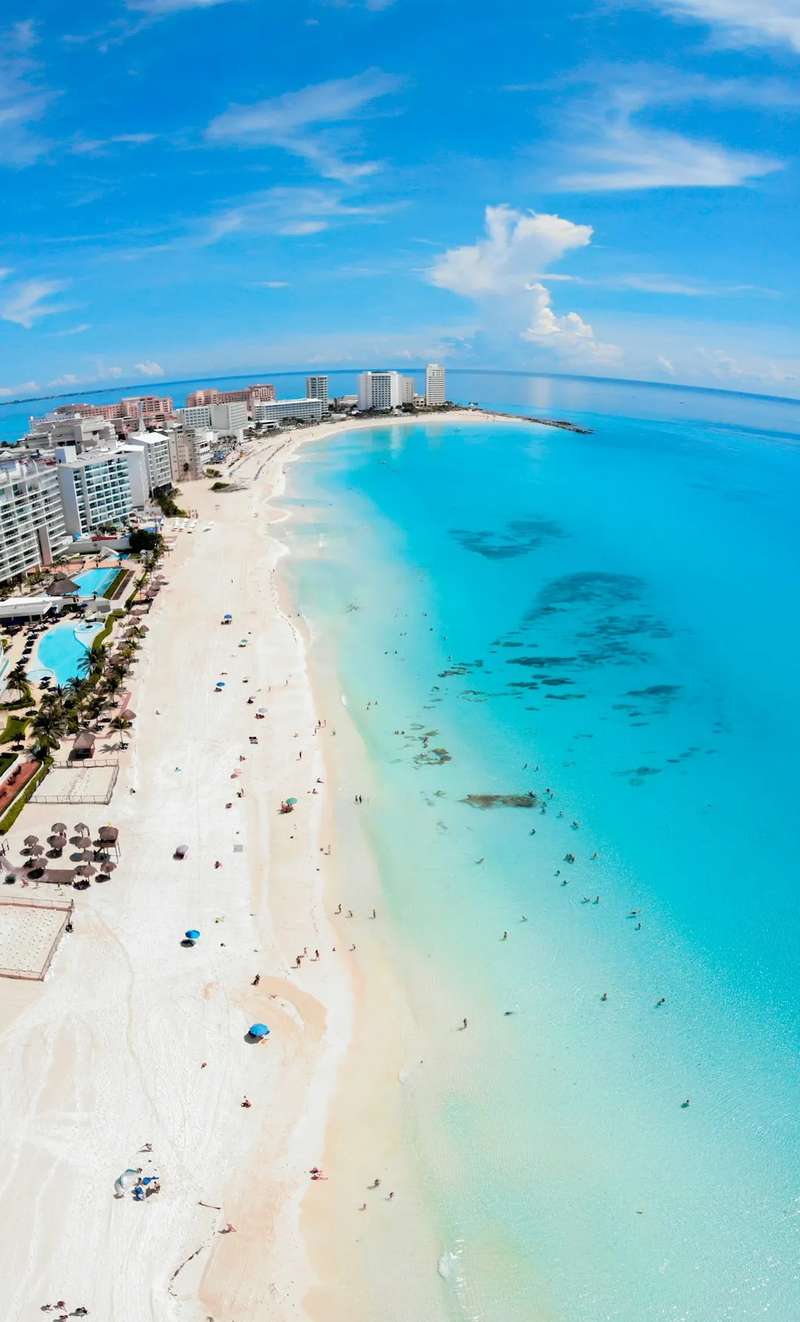
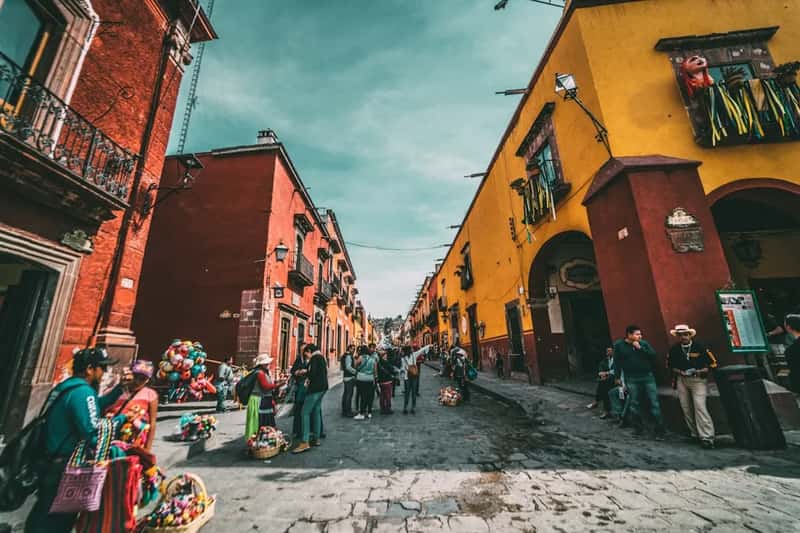
The most-visited corners of Mexico remain firmly in the lower-risk category, which is worth remembering when headlines about cartel violence make the rounds. The hotel zone in Cancún, Playa del Carmen, Tulum, and Cozumel are the most visited destinations in Mexico, hosting tens of millions of international visitors a year. Other beloved spots carry the same moderate designation as the capital. Tourist-zone status shows Quintana Roo, Mexico City, Oaxaca, San Miguel de Allende, and Mérida all sitting at Level 2 with localised caveats.
That said, some well-known destinations sit inside states with tighter restrictions, which is a nuance worth understanding rather than avoiding outright. Several Level 3 and Level 4 states still contain active tourist destinations. Puerto Vallarta sits in Jalisco, a Level 3 state, though the resort zone is typically treated as a separate carve-out, while Mazatlán is in Sinaloa, a Level 4 state, where the State Department has historically applied tighter restrictions for U.S. government employees. The practical takeaway is to check the specific state and resort zone you’re headed to rather than reacting to a single national headline, since state-level advisories are coarse, and the experience on the ground inside a single state can vary enormously.
Putting It All Together
None of this adds up to a reason to skip Mexico in 2026. It adds up to a reason to plan a little more carefully than you might for a routine beach trip. Sort your FMM and passport validity early, check the specific advisory level for the state you’re actually visiting rather than the country as a whole, and budget for the small extra costs like the Visitax if you’re headed to the Yucatán Peninsula.
Between the digital shift in entry paperwork, the regional patchwork of safety conditions, and the once-in-a-generation buzz of hosting World Cup matches, 2026 is shaping up to be a memorable year to visit. Do the homework, keep your documents in order, and Mexico’s beaches, ruins, mountain towns, and street food stalls are still waiting exactly as they always have been.