Plastic waste reaching the ocean floor may interfere with the natural light produced by deep-sea creatures, according to a new warning from researchers. Up to 80 percent of organisms with complex cells in these dark waters rely on bioluminescence for survival, yet ingested plastics could disrupt the chemical processes that generate that light. The concern appears in a letter published in the journal Cambridge Prisms: Plastics. ([1])
Why Light Matters in Total Darkness
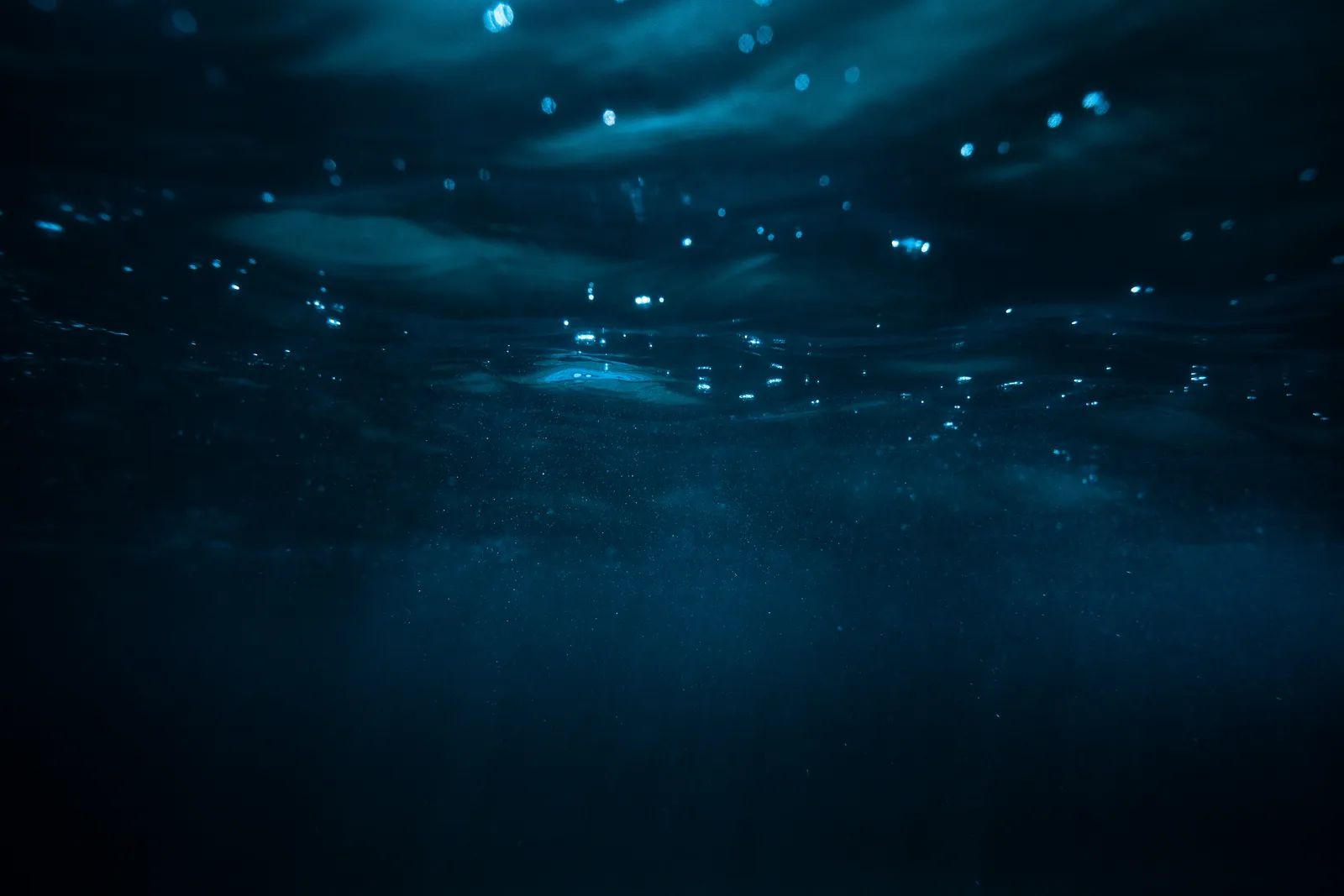
In the deepest parts of the ocean, sunlight never reaches. Bioluminescence serves as the sole source of illumination for countless species. Organisms use the glow to locate food, attract mates, and avoid predators in an environment where vision would otherwise be useless.
One familiar example is the deep-sea anglerfish. Females carry a modified dorsal spine that ends in a luminous lure known as the esca. Symbiotic bacteria inside the lure produce light that draws prey close enough to capture. The same signal may help with species recognition or communication when visibility is zero.
How Plastics Could Interfere
When deep-sea animals swallow plastic particles, toxic additives can enter their tissues. These substances have the potential to alter the chemical pathways responsible for creating light. Damage to cells and organs may further reduce an organism’s ability to produce or control its glow.
Researchers note that bacterial bioluminescence is already known to respond to pollutants. In the case of anglerfish, disruption of the symbiotic bacteria could weaken or eliminate the lure’s effectiveness. The result would be a less reliable tool for hunting and social interaction.
Broader Effects on Ocean Life
Deep-sea food webs depend on these light-based interactions. If bioluminescence declines across many species, the ripple effects could reach predators, prey, and even nutrient cycling in the largest biome on Earth. Scientists describe the deep ocean as the least explored region, making early signs of change especially difficult to detect.
Some evidence already links plastic pollution to impacts on deep-sea ecosystems. Still, high-quality observations remain limited, leaving important questions unanswered about the scale and speed of any changes.
What Comes Next
Addressing the issue will require focused research on how specific plastics interact with bioluminescent chemistry. Improved sampling in remote depths and better tracking of plastic additives in marine food chains are among the priorities.
- Monitor bacterial communities inside light-producing organs for early signs of stress.
- Expand studies on plastic ingestion rates among deep-sea species.
- Develop models that link chemical disruption to changes in feeding and reproduction.
- Support international efforts to reduce plastic leakage into marine environments.
The deep sea’s hidden light show supports an entire world that remains largely out of sight. Protecting it means recognizing that even remote ecosystems feel the effects of surface-level choices.